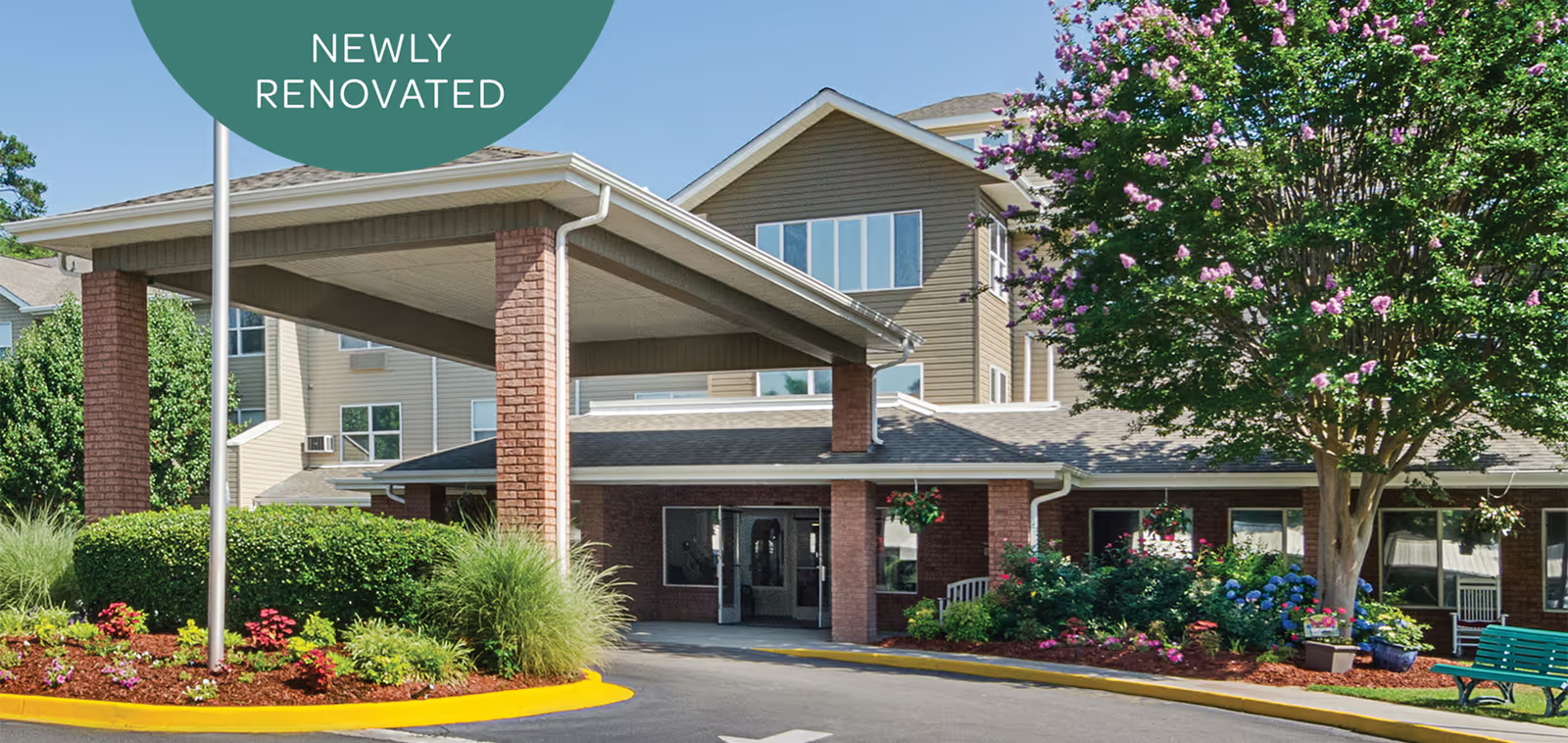
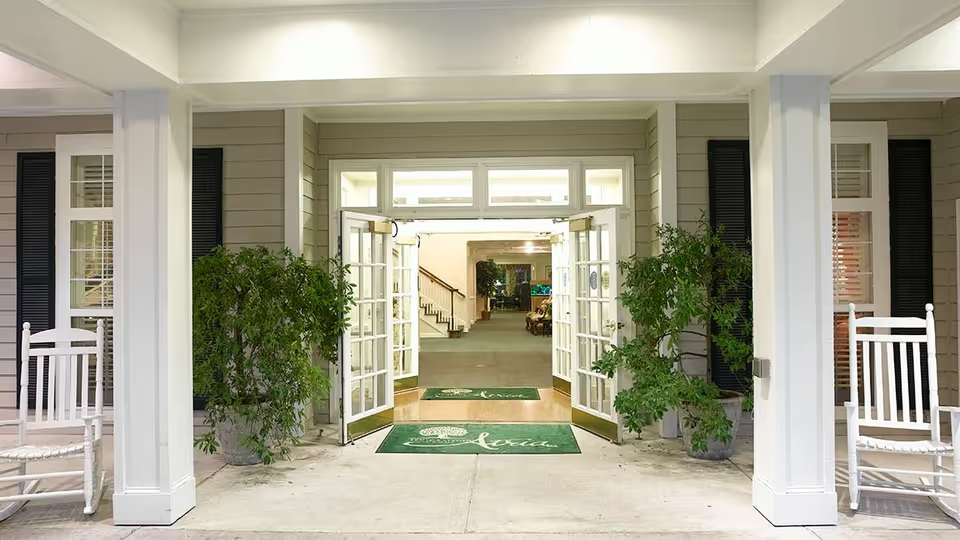
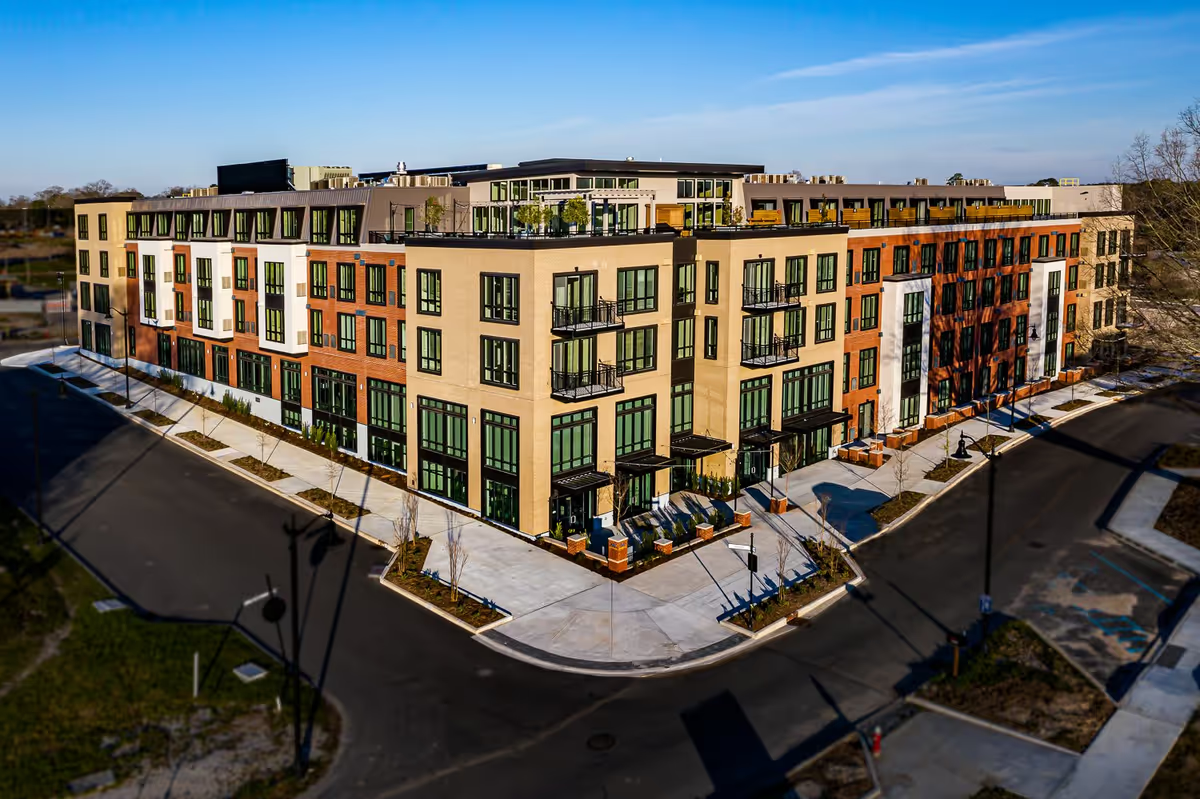
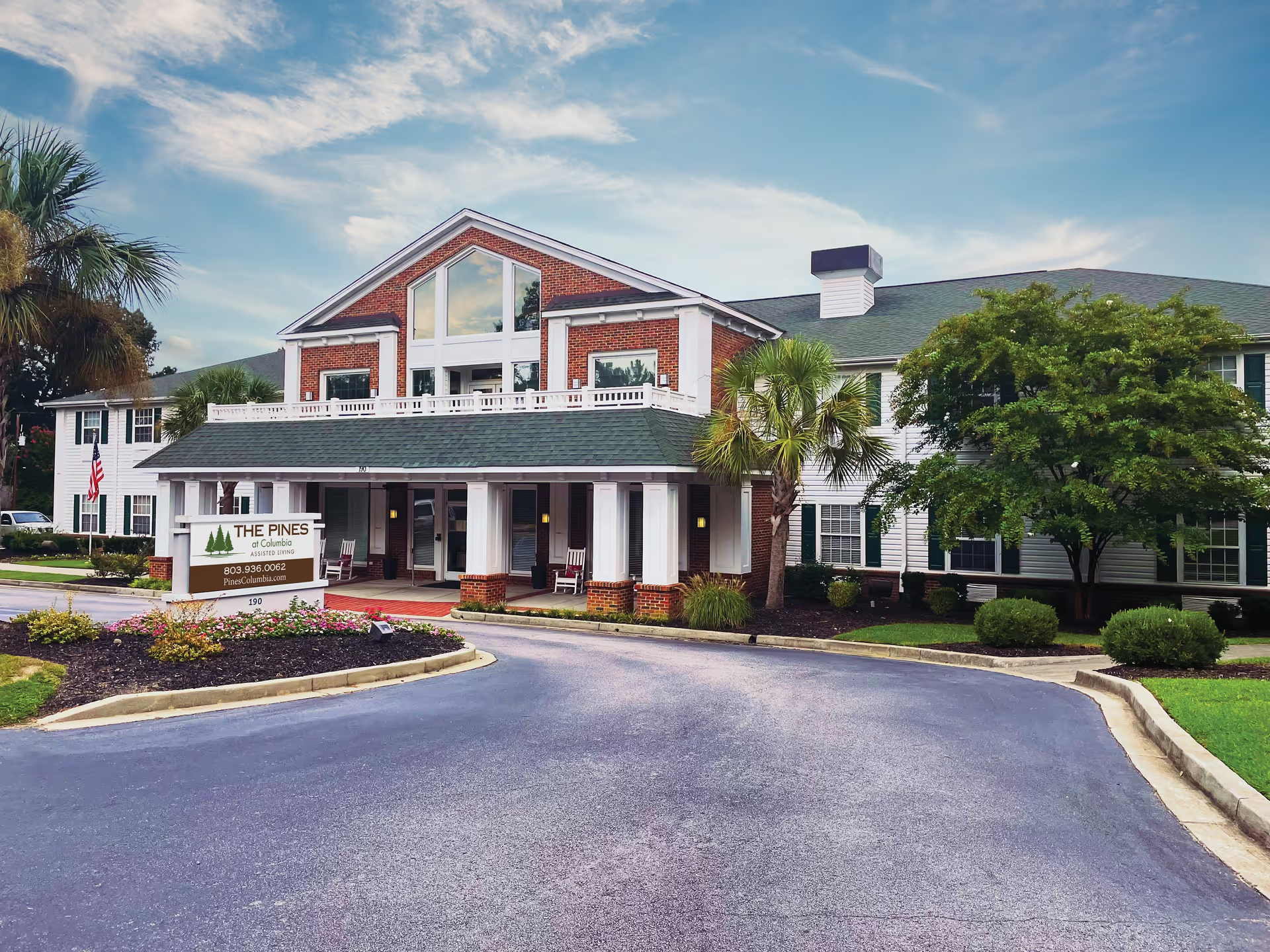
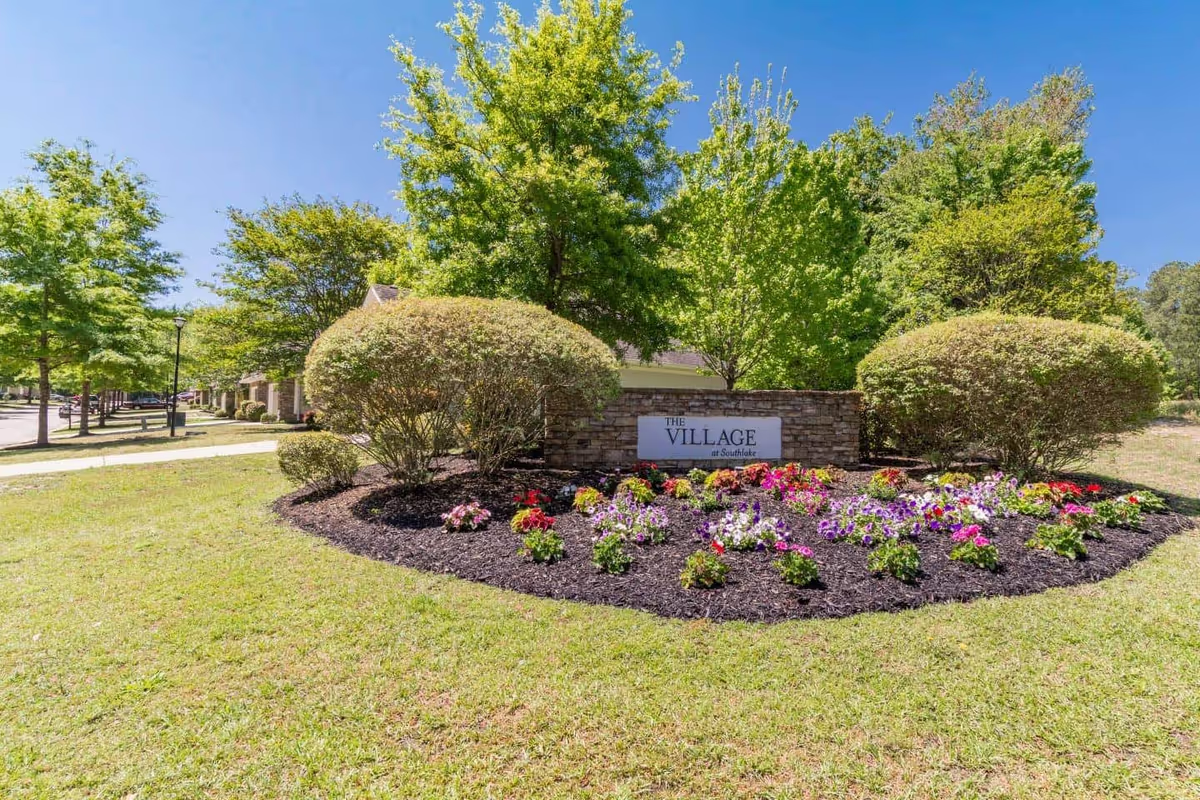
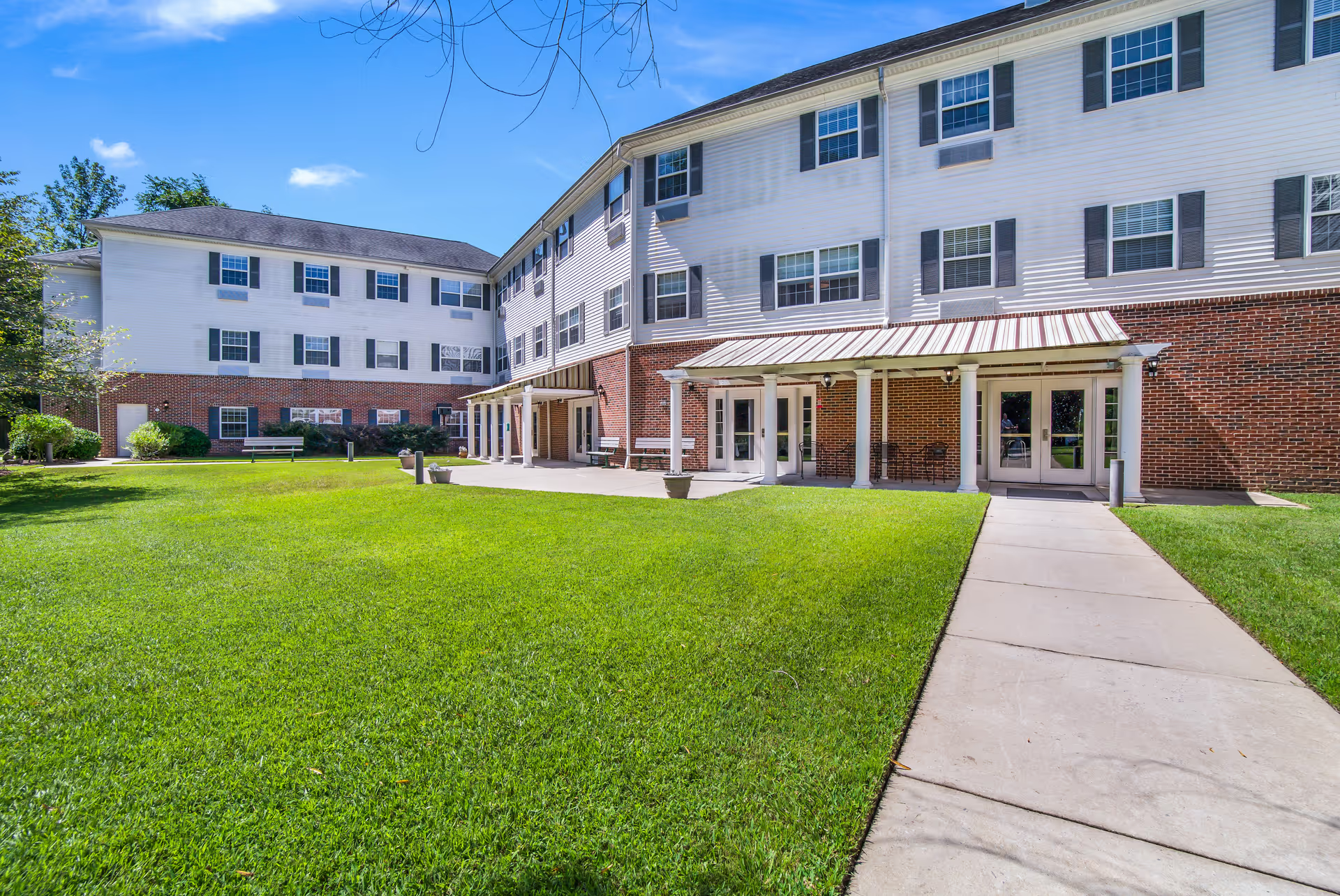
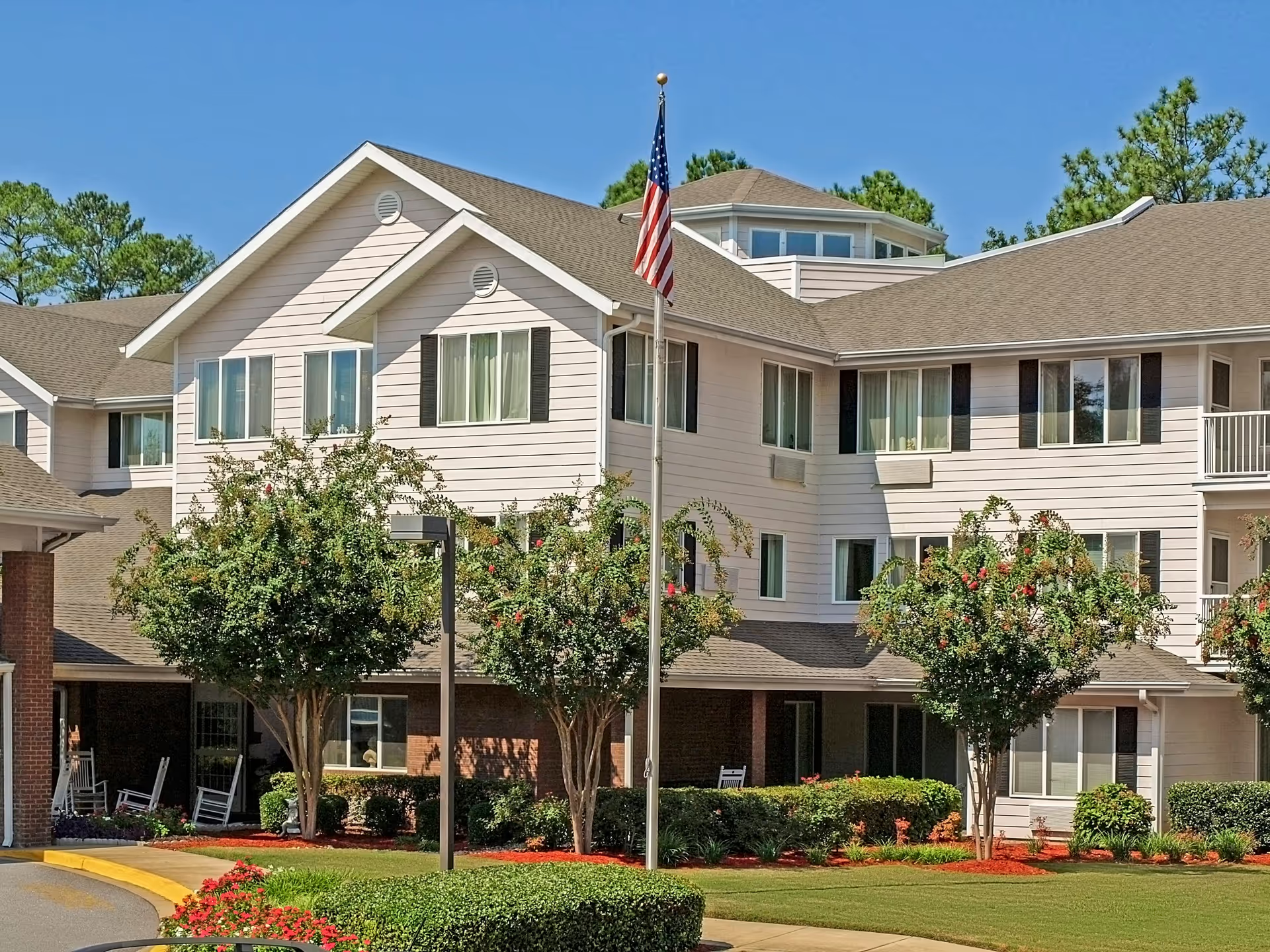
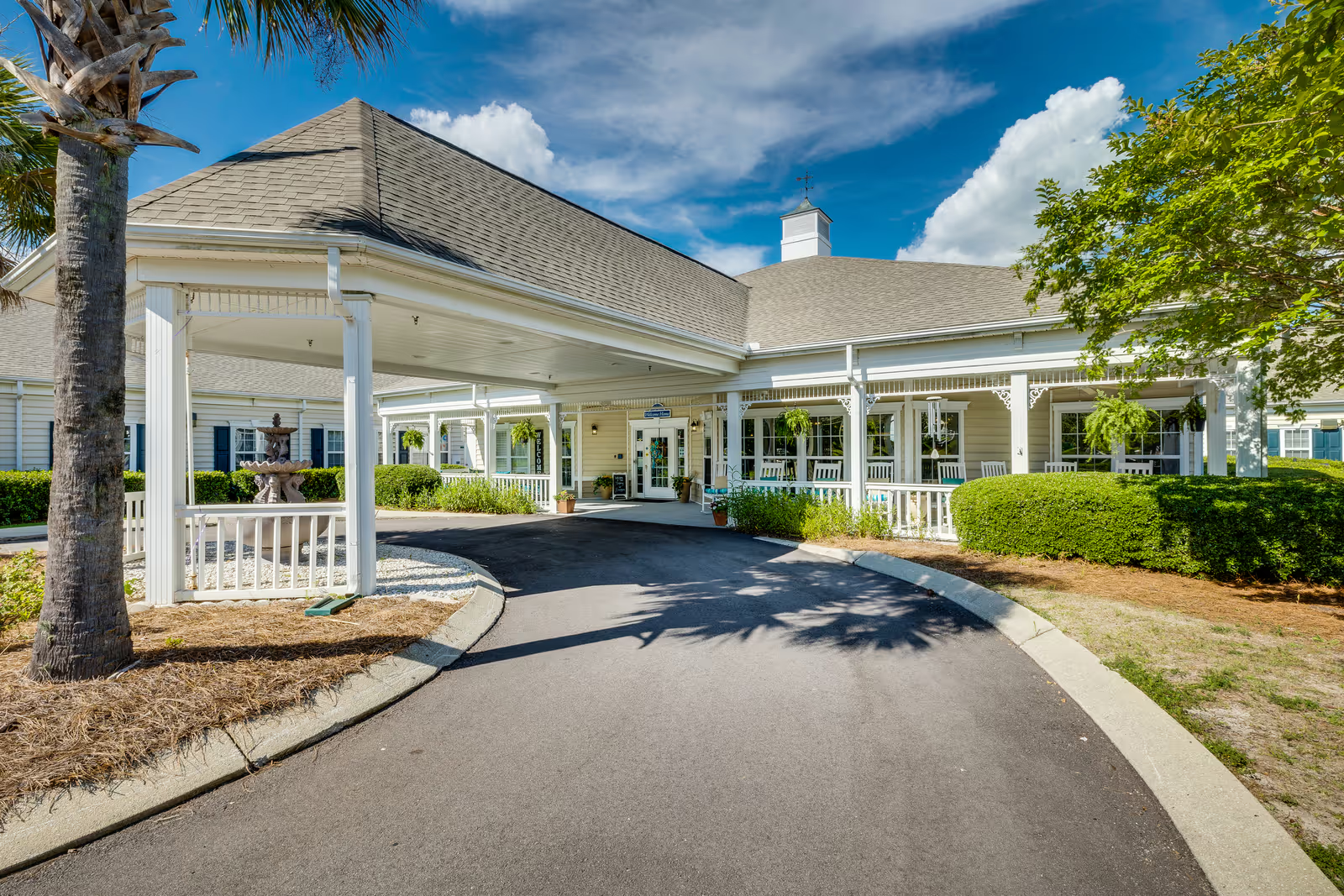
Overall impression The Legacy of Orangeburg is consistently described as a welcoming, well-kept community with a strong emphasis on personable caregiving. Reviewers highlight an environment that feels home-like: clean common areas and apartments, attractive decor, and outdoor courtyard spaces that support socialization. Staff behavior is a dominant positive theme — described as friendly, compassionate, professional and attentive — and long-tenured personnel and visible leadership contribute to a sense of stability.
Care quality and staff Families and visitors frequently praise individualized attention, effective medication management, and a smooth, compassionate move-in process. Staff are noted for being available for questions, arranging meetings or virtual visits when needed, and for going beyond basic duties to assist families. These comments point to a culture of family communication and staff engagement. At the same time, there are operational concerns that prospective families should query directly: reviewers indicate limited skilled-nursing capability and lower staffing levels relative to some other facilities, which may affect care for residents with higher clinical needs.
Dining and daily living Dining is often cited positively — meals are described as appealing and aromatic, the dining room feels home-like, and there are regular social dining experiences. Programming around meals includes live music and communal dining events. However, there are mentions of uneven meal-service practices, including instances where meal assistance or monitoring for residents with cognitive impairment was not consistently provided. Prospective residents should ask about meal-assistance protocols and how the facility supports residents who require help with eating or monitoring during meals.
Activities and social life Activity programming appears robust and varied: bingo, exercises, crafts, shopping trips, church services, musicians, and other social opportunities are regularly offered. Reviewers describe active engagement and social interaction among residents, and staff involvement in coordinating events is highlighted as a strength.
Facilities and safety The physical plant is described as clean, attractive, and well-maintained, with spacious rooms and secure entry systems. Families note convenient location and pleasant common areas. Positive comments about sanitation and upkeep are frequent. Notable operational issues include privacy and logistics around resident transfers: the ambulance pickup location and related visibility were described as stressful for residents, indicating an area where traffic flow and privacy considerations might be optimized.
Management and notable patterns Leadership and frontline managers receive positive mention for being informative and responsive; examples include staff introductions, administrative engagement, and prompt family communications. Nevertheless, recurring patterns in reviewer feedback suggest two operational areas to investigate during a tour: infection-control practices and staffing/clinical capacity. Inconsistent PPE enforcement and ongoing virus presence were cited, and reviewers also expressed concern about limited skilled-care resources and staffing levels relative to other options.
What to ask on a tour Based on the pattern of comments, families should consider asking about staffing ratios (day/night), on-site clinical/skilled-nursing capabilities, infection-control protocols (including PPE policies and recent outbreak handling), meal-assistance and monitoring procedures for residents with cognitive or mobility impairments, ambulance/transfer logistics and privacy measures, and visitation policies during infection-control events.
Summary conclusion The Legacy of Orangeburg presents as a warm, well-maintained community with strong interpersonal care, active programming, and positive dining experiences. Operationally, prospective residents and families should confirm clinical capacity, staffing levels, infection-control consistency, and meal-assistance practices to ensure the community matches the resident’s clinical and privacy needs.