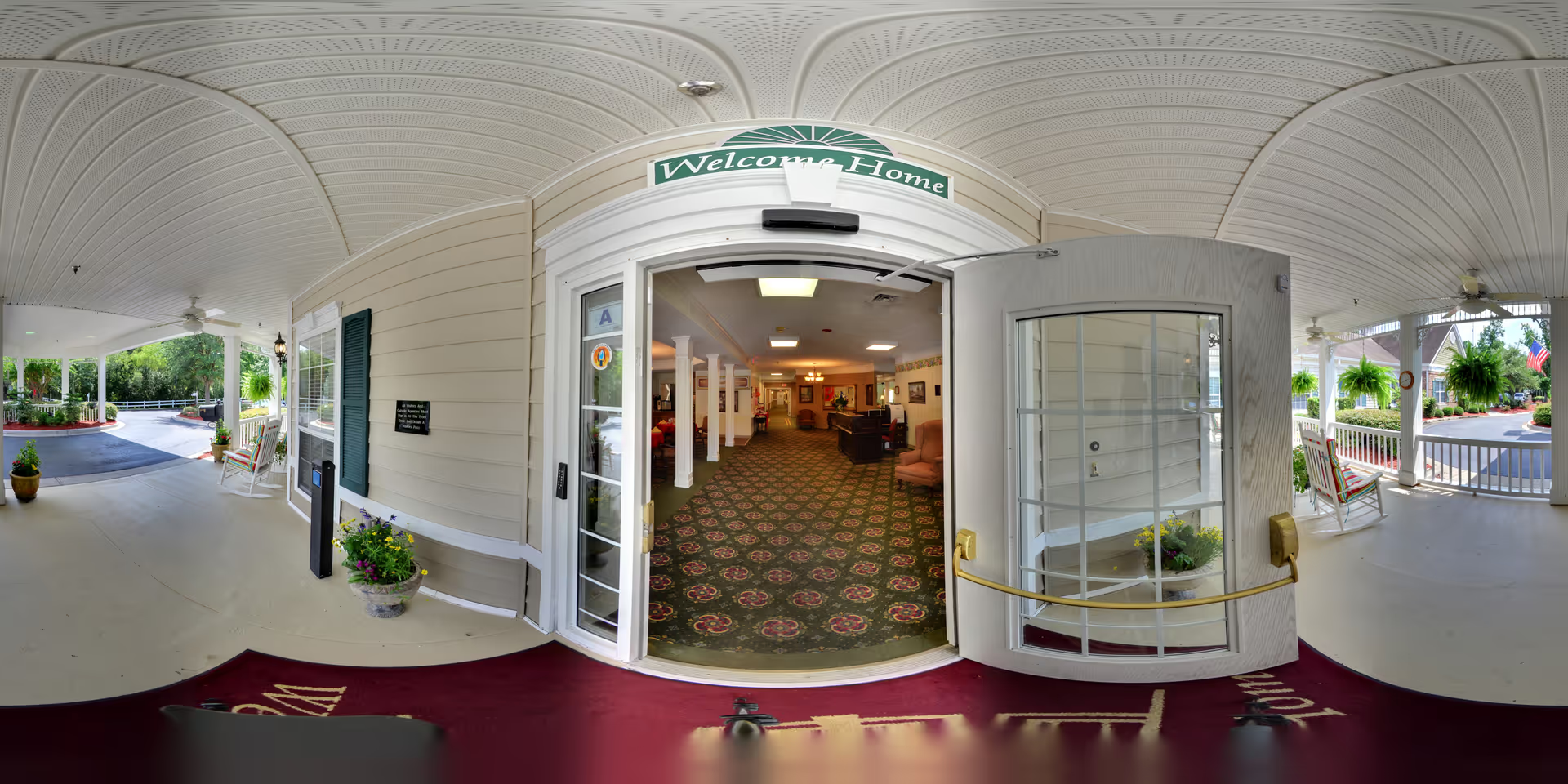
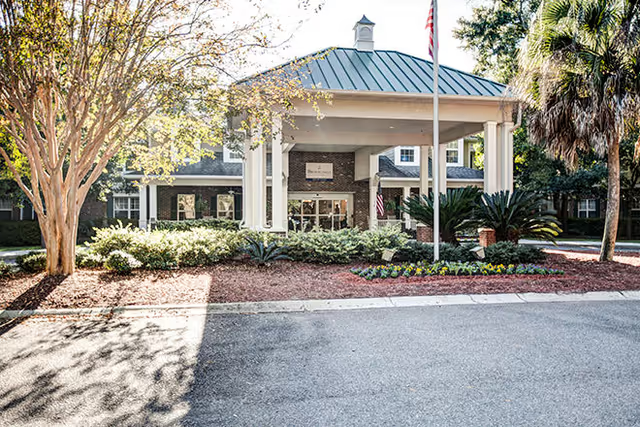
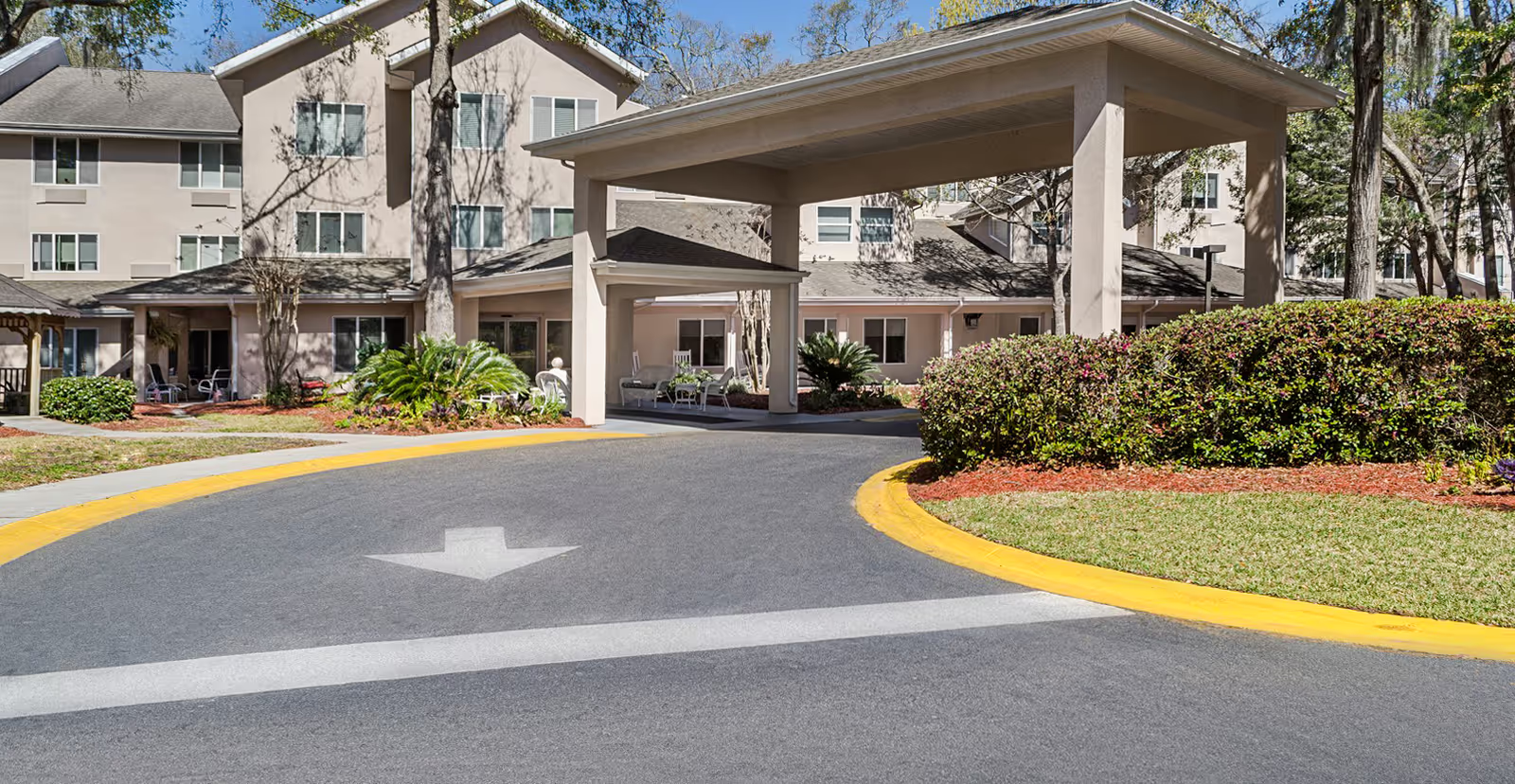
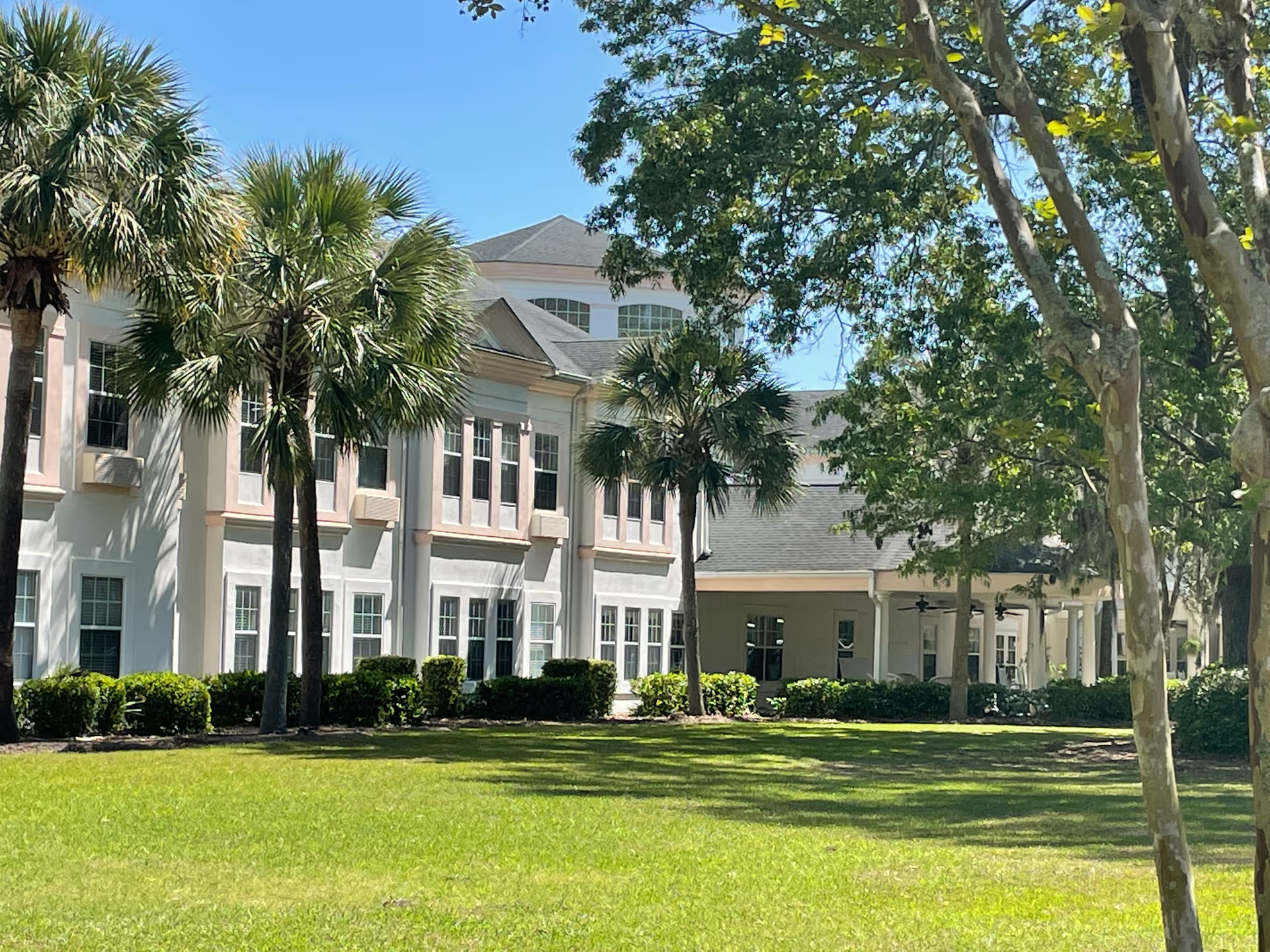
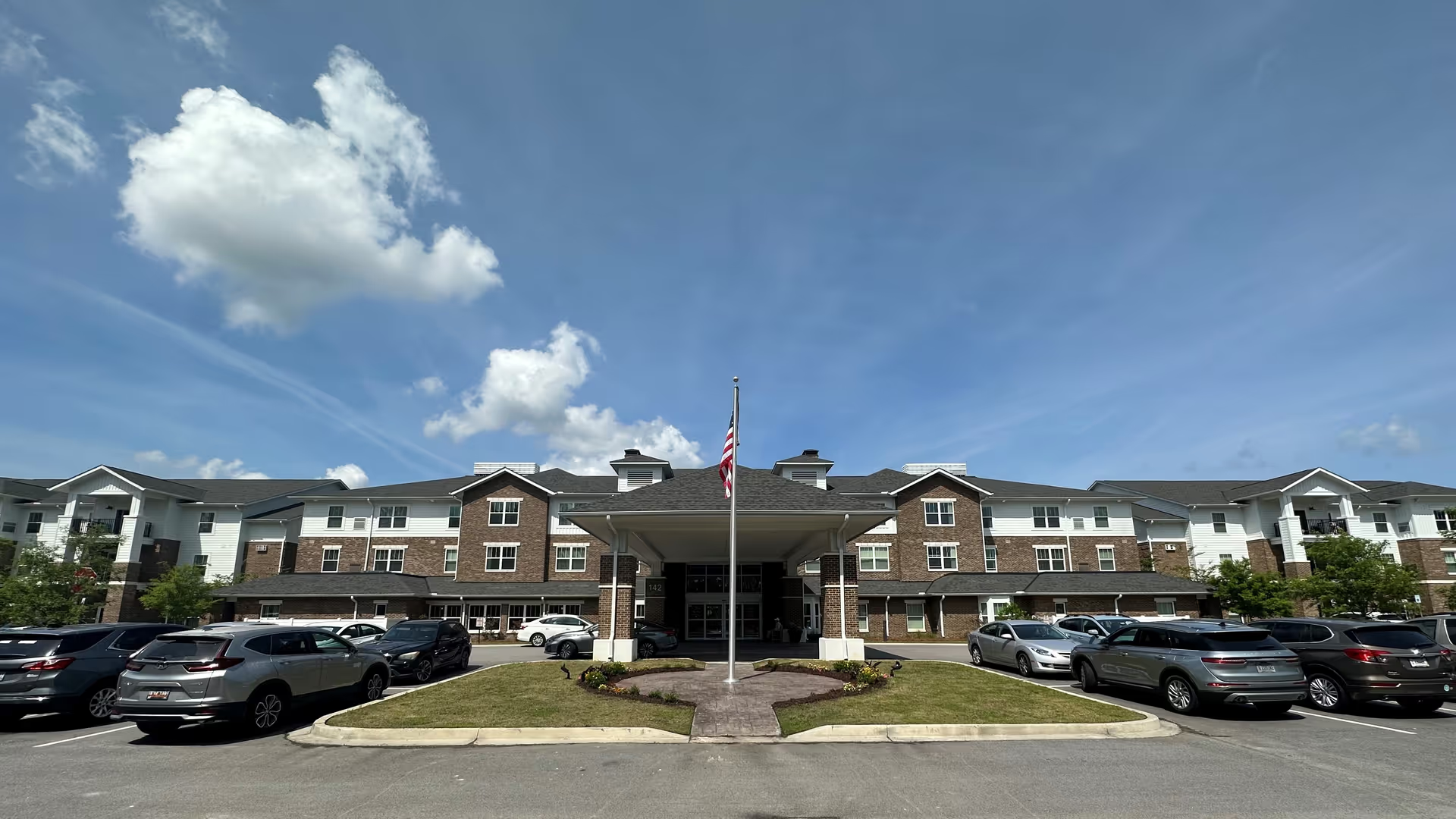
Helena Square / Helena Place receives strong, recurrent praise for its homelike atmosphere, cleanliness, and active social programming. Reviewers commonly describe a warm, family-like environment with cheerful rooms, a well-kept courtyard, and numerous common-area amenities (salon, physical-therapy area, piano/reading spaces). The community’s location — walkable to shops and services and near medical facilities — is regularly noted as a practical advantage.
Staff and caregiving are a central strength in many accounts. Many families and residents highlight helpful, respectful, and engaged staff who are willing to go beyond routine duties; specific staff members and leadership were singled out positively. On-site nursing availability, emergency-safety measures, 24/7 on-call support, housekeeping, and maintenance are also described positively, contributing to a sense of safety and reliability for residents.
Activities programming is a clear asset. Reviewers report a broad calendar of offerings (social hours, craft classes, exercise, trips, special weekly events) and an active activities director who fosters social engagement. For prospective residents who value structured social life, Helena Square appears to provide frequent, varied opportunities that many residents enjoy.
Dining receives mixed but generally favorable comments. Several reviewers praise well-prepared, customizable meals and a balanced menu; others cite inconsistent meal quality, occasional overcooked entrees, limited choice on some days, and extra charges for delivery to rooms. Prospective families should confirm menu variety and any ancillary meal-delivery fees when touring.
Operationally, a cluster of recurring concerns emerges. Medication-management and pharmacy coordination are described as inconsistent in several accounts, and there are notes about delays or communication gaps with external pharmacies and hospice providers. Relatedly, some reviews describe variability in nursing quality and responsiveness—particularly during certain shifts—and occasional delays in attending to residents’ personal-care needs. These indicate potential gaps in clinical process consistency and night-shift coverage that warrant direct inquiry.
Administrative and management issues appear inconsistently: many reviewers praise accessible leadership and smooth move-ins, while others report billing errors, unclear additional fees, or less-helpful interactions with particular staff or supervisors. Memory-care capacity is explicitly limited or unavailable, making the community unsuitable for those needing dedicated memory-care services. A few comments also point to staff-scheduling and supervisory approach concerns that may affect morale and continuity of care.
Taken together, the dominant pattern is one of a small, well-maintained, socially active community with strong, compassionate caregiving for many residents. However, prospective residents and families should balance those strengths against operational inconsistencies noted around medication/pharmacy coordination, night-shift nursing coverage, billing transparency, and limited memory-care options. Recommended steps for an informed decision include: ask for details on medication-administration protocols and pharmacy partners; request clarification on all fees and billing practices; tour during different times (including evenings) to assess shift coverage and responsiveness; confirm availability or waitlist procedures for memory care; and speak with current families about their experience with clinical responsiveness and administrative follow-through.