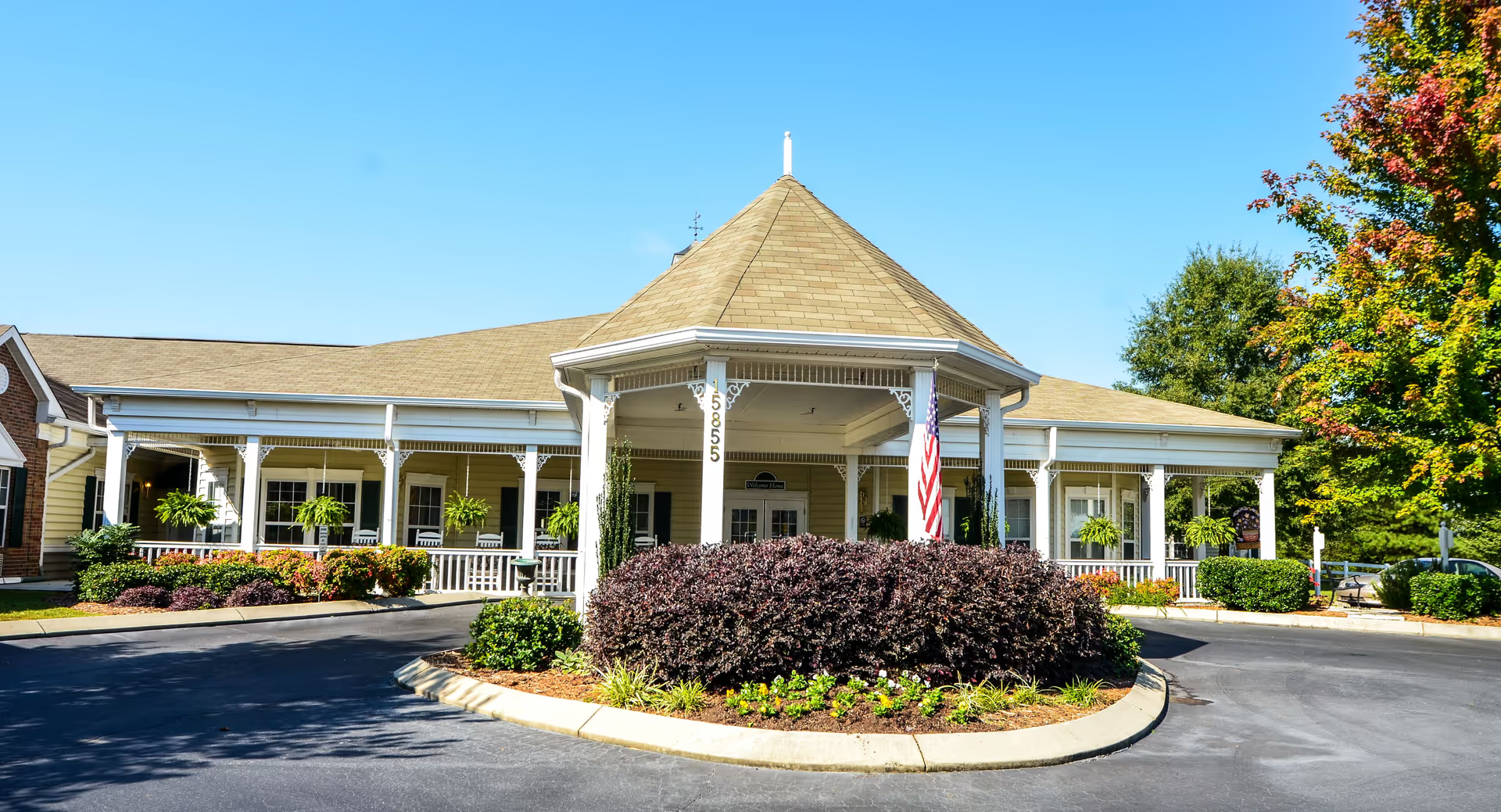
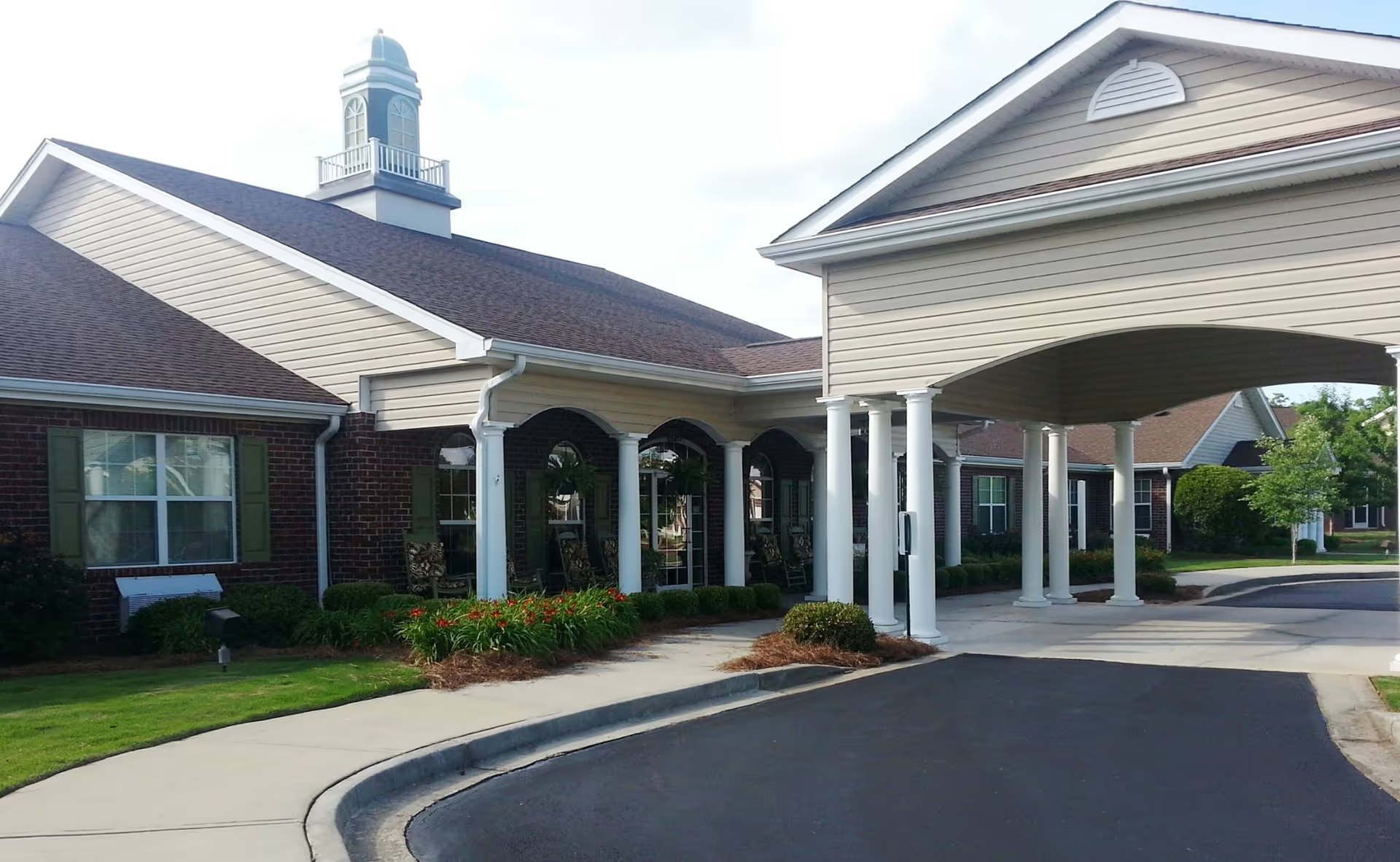
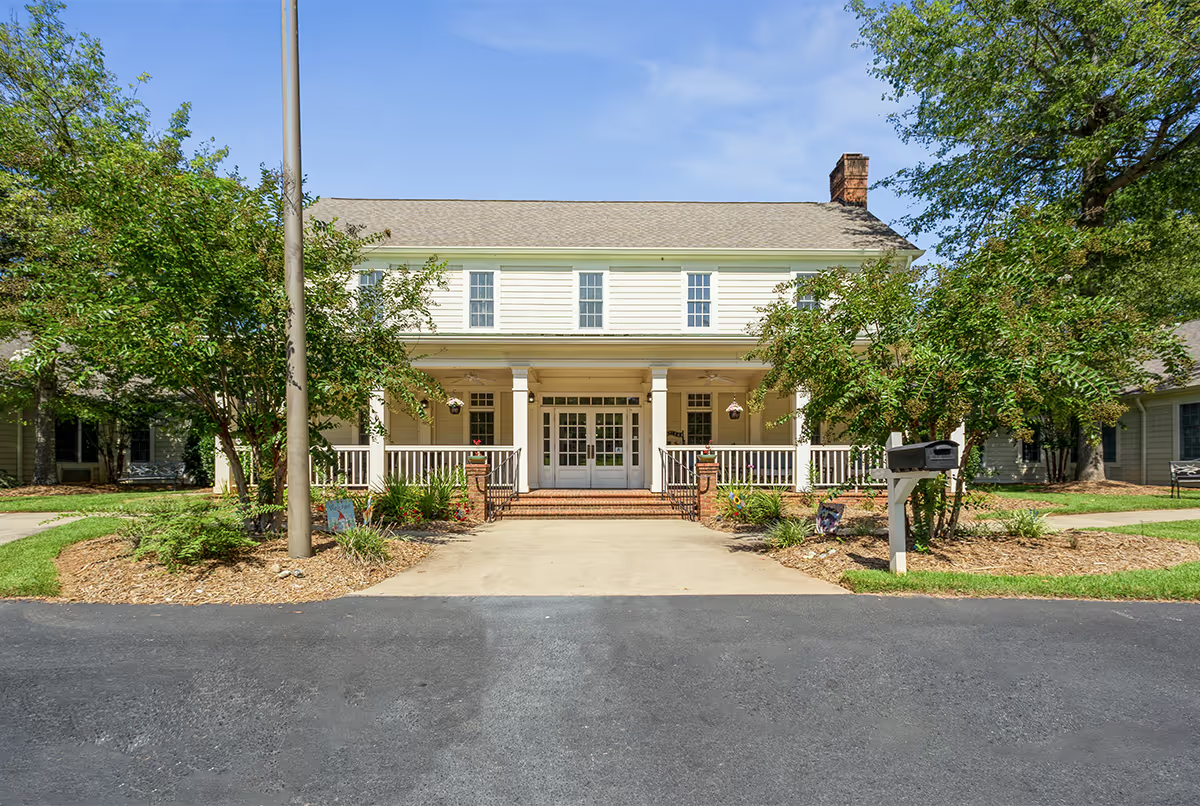
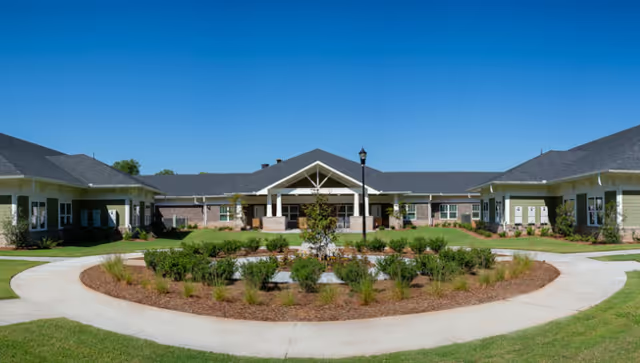
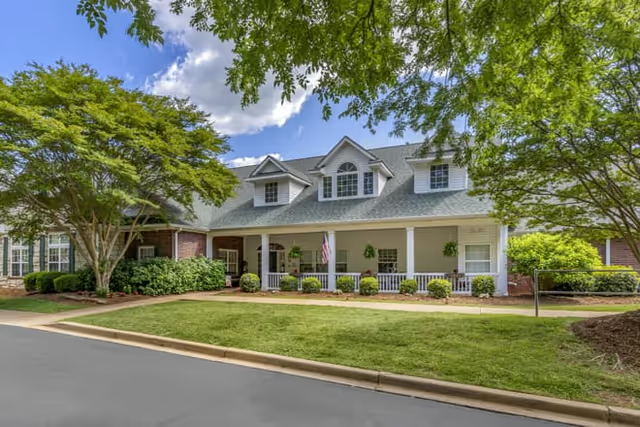
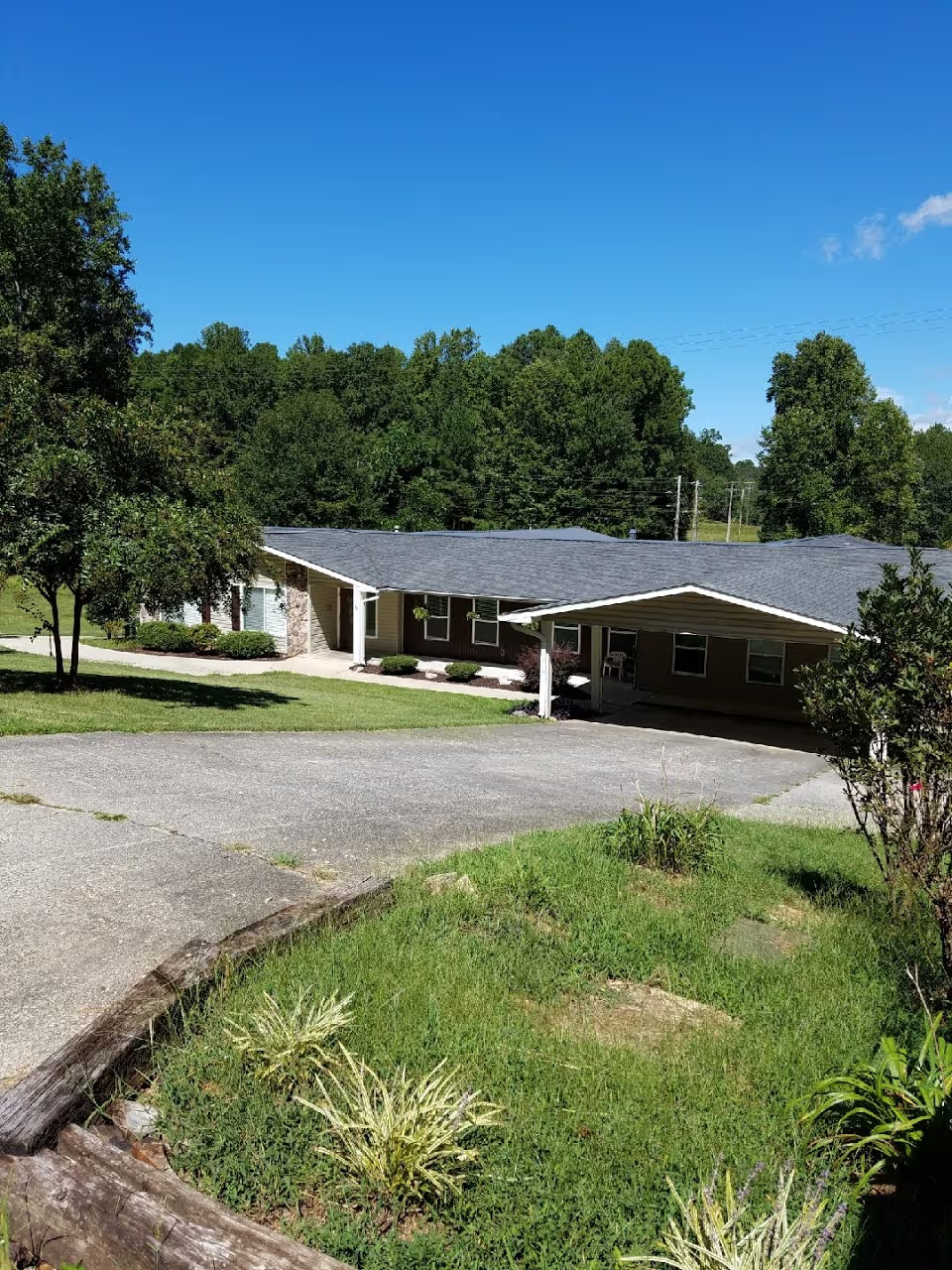
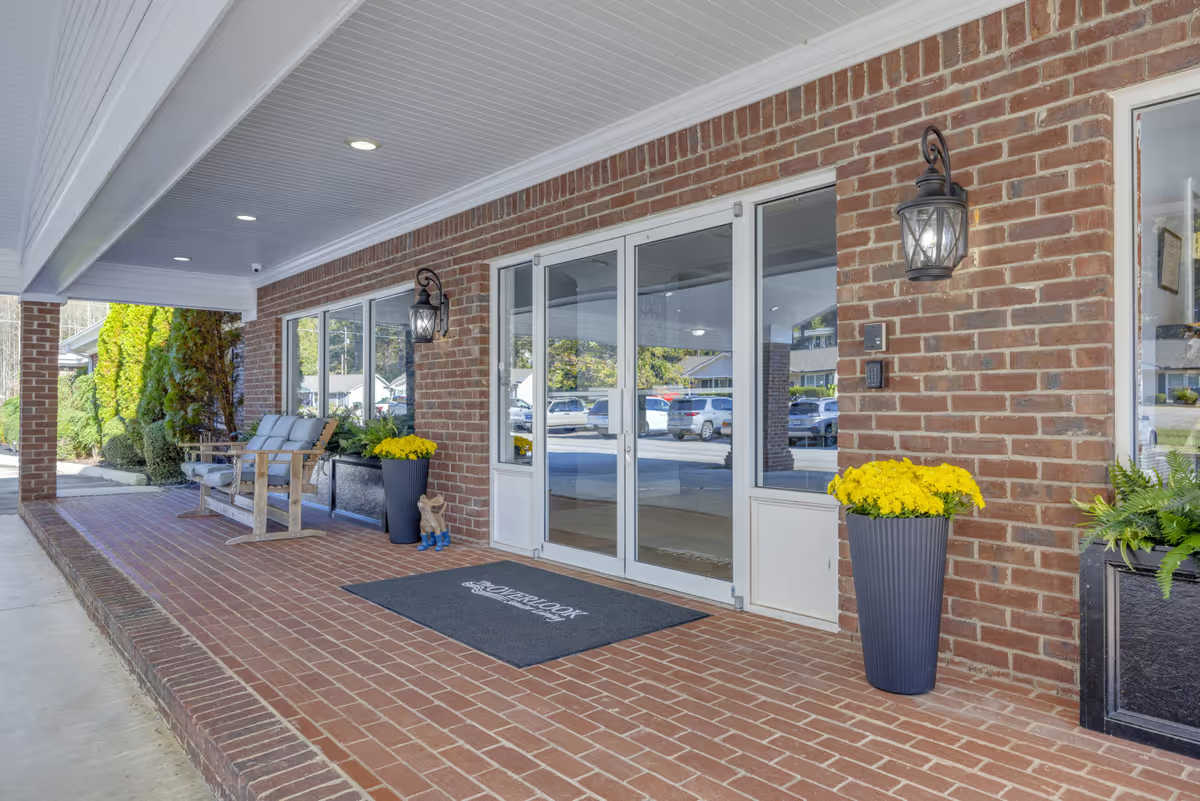
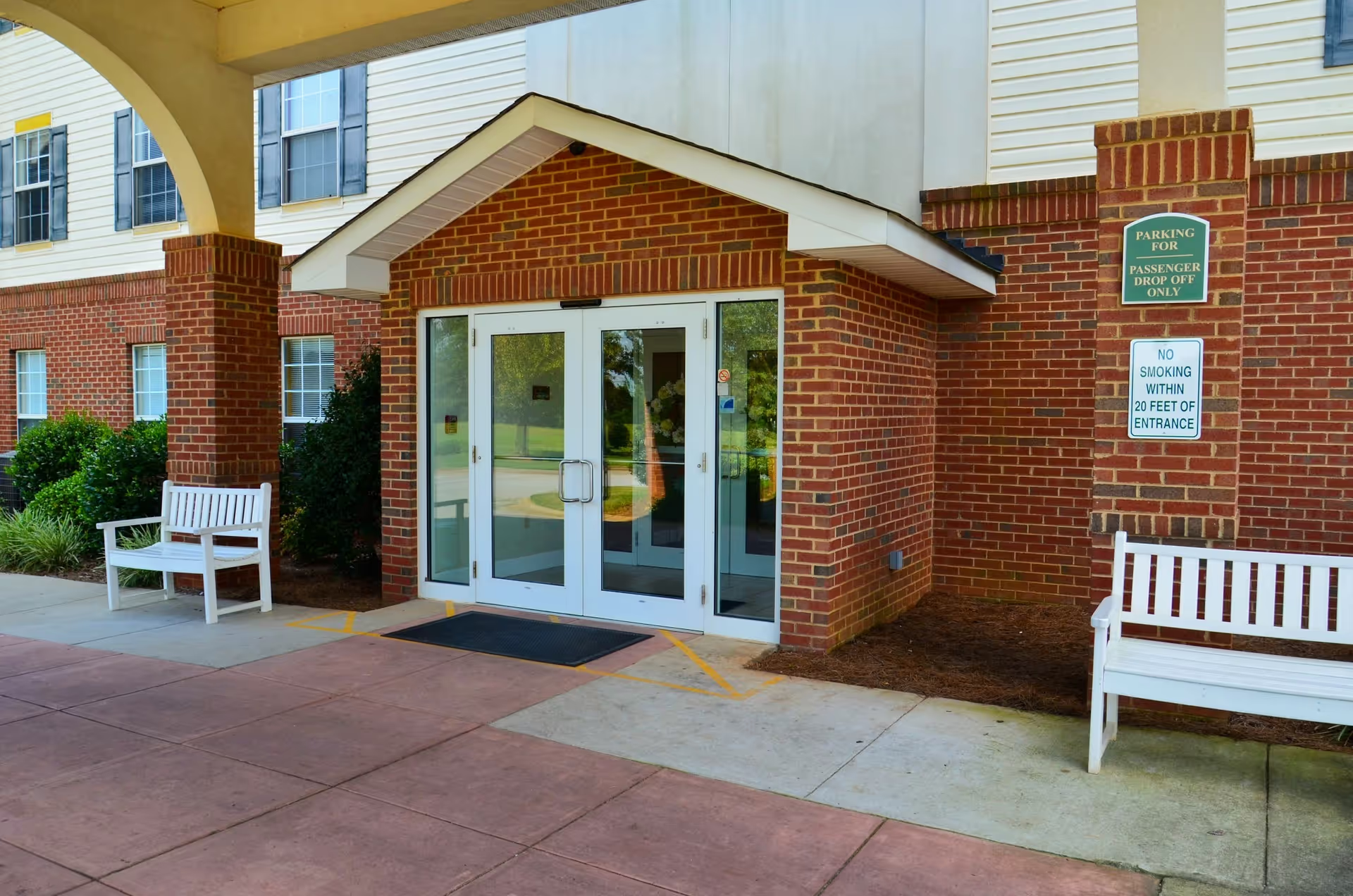
Prisma Health Lila Doyle presents as a facility with clear strengths in rehabilitation and a largely committed caregiving staff, balanced by recurring operational concerns that prospective families should assess. Many accounts praise the therapy teams (PT/OT), dementia-focused programming such as Namaste, and an engaged activities department offering bingo, arts and crafts, music, and outdoor time. The building itself is frequently described as clean, well-maintained, and attractive, with accessible outdoor space and views. The facility’s nonprofit status and acceptance of Medicare and Medicaid were also noted as practical positives.
Care quality assessments are mixed. Numerous families describe compassionate, respectful nursing and aide interactions and examples of staff going beyond expectations to support residents. At the same time, there are recurrent concerns about staffing levels and workload: staff are often characterized as overextended, which reviewers link to delays in routine care tasks (for example, turning, incontinence-care responsiveness, and call-button response). Several accounts identify differences between daytime and nighttime performance, with reduced monitoring and attentiveness during night shifts. There are also consistent mentions of variable staff training and clinical competency, which can affect confidence in complex clinical situations and incident response.
Clinical processes and safety emerged as another area of divergence. Positive reports highlight effective rehab outcomes and coordinated discharge to appropriate skilled units for dementia care. Conversely, reviewers described gaps in medication management and treatment timing, inconsistent monitoring systems, equipment reliability issues (including call buttons and oxygen equipment), and occasional sanitation or odor concerns in specific areas. These operational weaknesses were often coupled with frustrations over communication: families reported delays or tone issues when seeking updates, difficulties obtaining promised home-health arrangements, and administrative scheduling problems.
Dining and engagement are similarly uneven. Many families praised the food and an active activities calendar that keeps residents engaged outdoors and in group programs. Other accounts describe unacceptable meal quality for some residents and limited availability of desired activities or common-area seating, suggesting variability in day-to-day experience. Rooming and privacy are practical considerations: the facility operates semi-private rooms with limited private-room availability, which some families found restrictive.
Management and organizational patterns appear mixed. Several reviewers commended specific leaders (including an effective DON and responsive administrators) and positive transitions under new ownership for therapy engagement. At the same time, operational problems—such as inconsistent scheduling, an ineffective scheduler, HR communication gaps (including privacy/HIPAA concerns), and interruptions from construction or redecorating—were cited as sources of dissatisfaction. One review referenced a regulatory inquiry; that account did not indicate resulting enforcement action.
Overall, Lila Doyle offers notable strengths in rehabilitation, dementia programming, and a caring staff that many families trust. However, persistent themes of understaffing, inconsistent clinical responsiveness (especially overnight), variable food and housekeeping experiences, equipment reliability issues, and administrative communication gaps merit careful consideration. Prospective residents and families should visit multiple times, ask about staffing ratios and night supervision, review therapy schedules and expected therapy hours, verify equipment and call-system reliability, and clarify communication protocols for clinical incidents before making placement decisions.