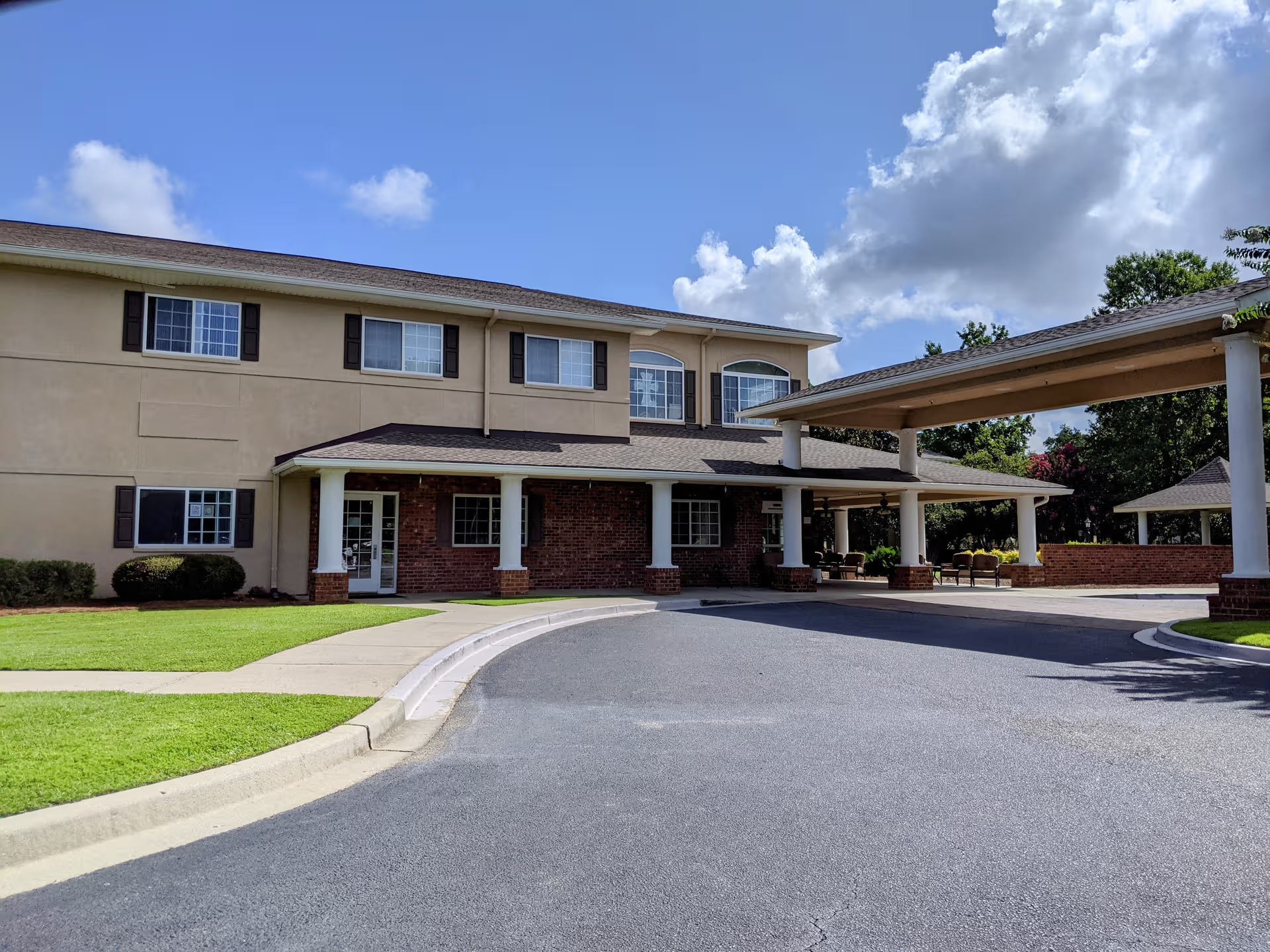
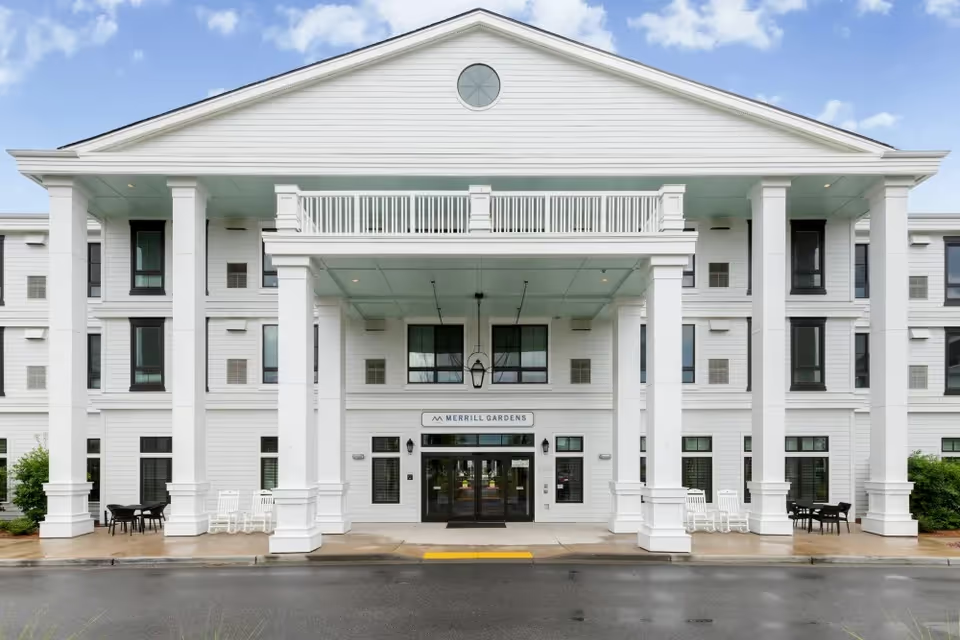
The reviews present a mixed picture of Lake Moultrie Health and Rehab, with several clear strengths alongside recurring operational weaknesses. Positive comments emphasize a warm, home-like environment, an engaging activities program, and staff who are described as friendly, attentive, and supportive. A named staff member (Quan) received specific praise for responsiveness, and some families noted well-groomed residents and a facility that feels clean and maintained during their visits.
Care quality appears variable. Many reviewers praised attentive interactions and compassionate employees, while others described concerning inconsistencies in day-to-day personal care. Concrete care-related issues implied by the reviews include uneven bathing and dressing routines, problems managing personal items and clothing, and inconsistencies in assistance at meals and with fluids. There are also indications of lapses in repositioning and pressure-injury prevention practices. These comments point to variability in how clinical and basic care tasks are executed rather than a uniformly consistent standard.
Staffing and communication are another area of contrast. Positive comments reference ample staffing during some shifts and a family-like staff culture, but several reviews raise concerns about caregiver responsiveness, slow or missing callbacks to family members, and variable caregiver engagement across shifts. Management and follow-up after clinical events also drew criticism: families described delays in callbacks and limited follow-through when clinical concerns arose, which contributed to frustration and reduced confidence among some relatives.
Dining and daily living support show mixed reports. While no widely consistent praise or condemnation of food quality appears, reviewers did note issues with assistance during meals and hydration support for some residents. This suggests that meal-time help and monitoring may be inconsistent and worth evaluating directly when assessing the facility.
The facility environment and activities program are frequently cited as positives: many reviewers described a clean, comfortable setting with active programming and generally content residents. At the same time, a subset of comments indicated localized cleanliness and odor-control issues, implying that environmental standards may vary by area or shift.
Notable patterns include a clear polarization in experiences: some families describe exceptional, reassuring care and a supportive workplace, while others report significant operational gaps that have impacted resident care and family communication. There are also specific, serious concerns referenced indirectly (including comments tied to a resident death) that relate to incident response and family notification; these suggest prospective families should review the facility's clinical-incident protocols and escalation pathways.
For prospective residents and families: ask for current staffing ratios by shift, inquire about consistency of assignments (whether residents see the same caregivers regularly), request written protocols for bathing, repositioning and pressure-injury prevention, and review policies on meal assistance and hydration monitoring. Additionally, confirm the facility's family-communication procedures for clinical changes and callbacks, and observe care routines and communal spaces during an unannounced visit if possible to gauge consistency. These steps can help clarify whether the positive practices noted in some reviews are reliably applied at Lake Moultrie Health and Rehab.