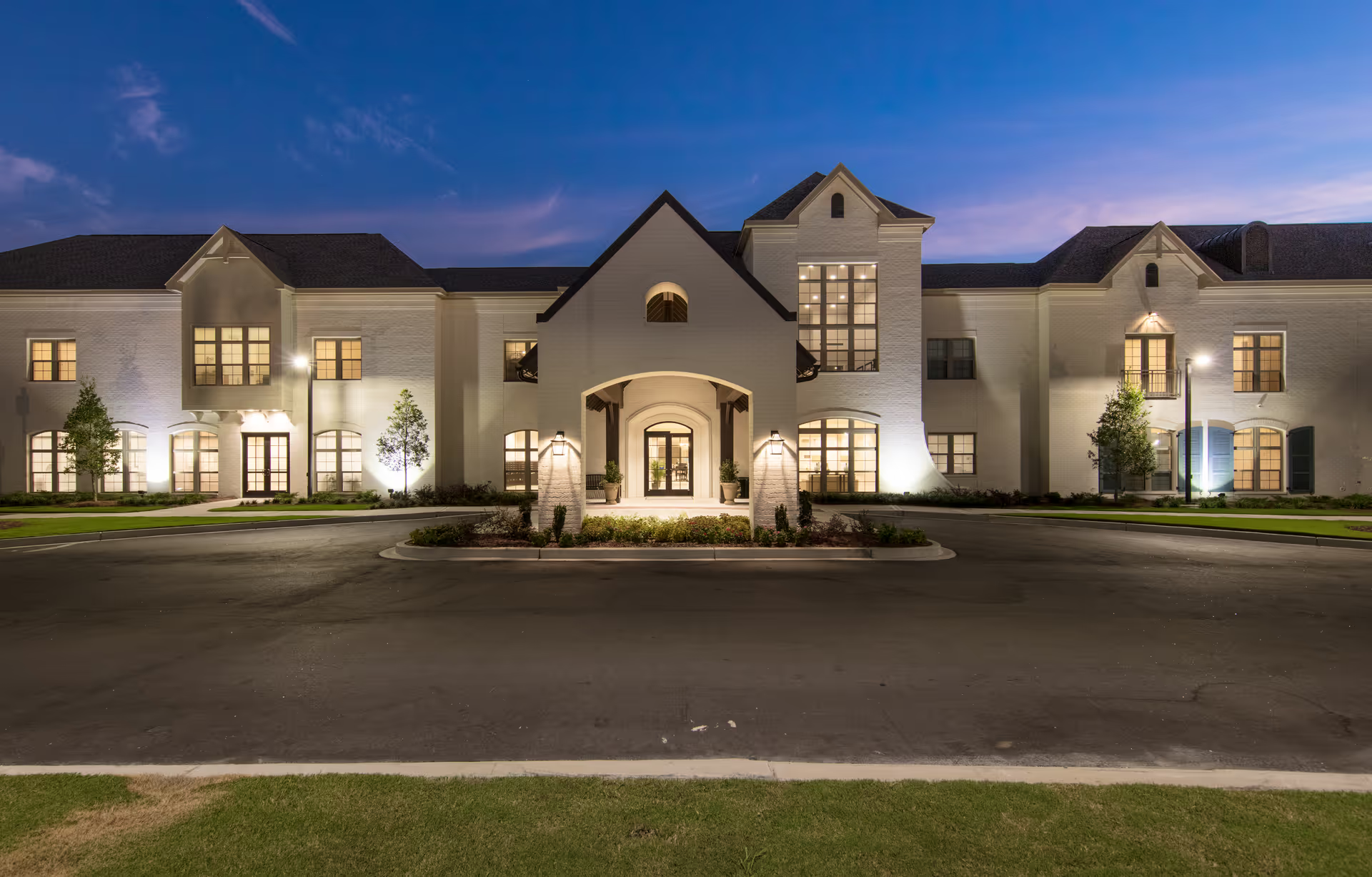
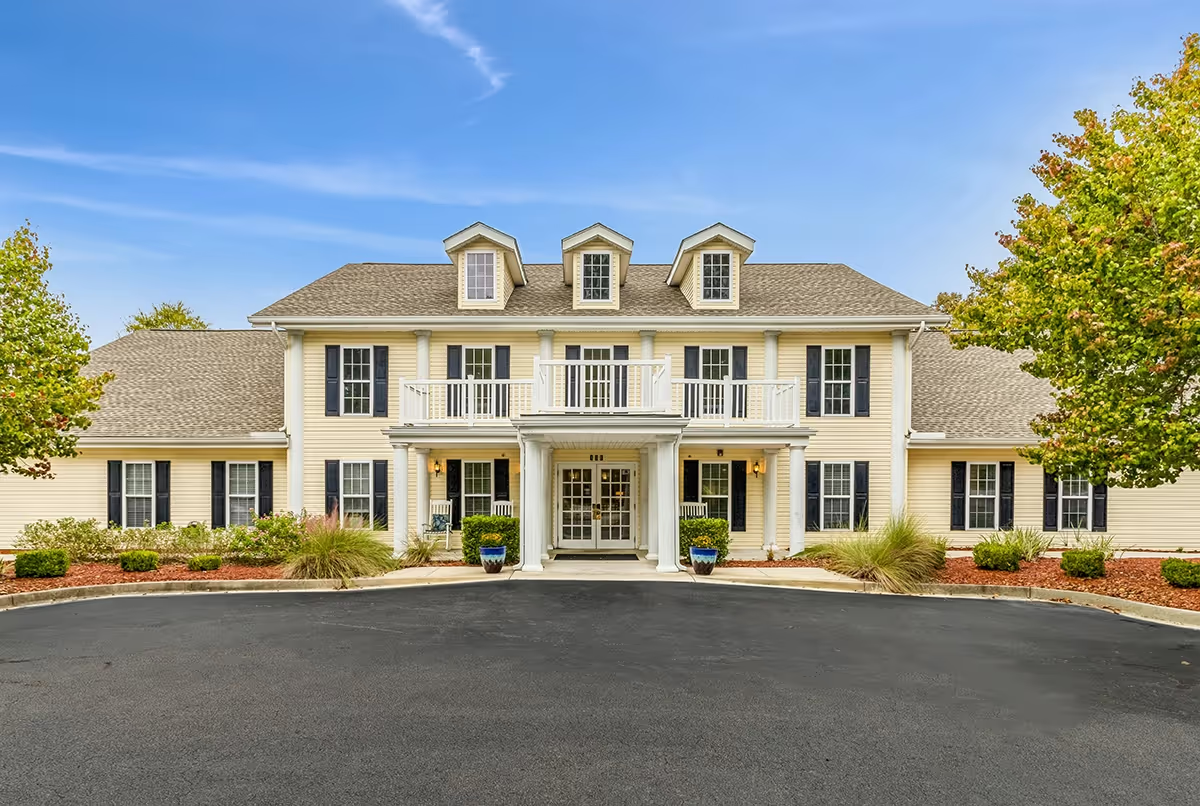
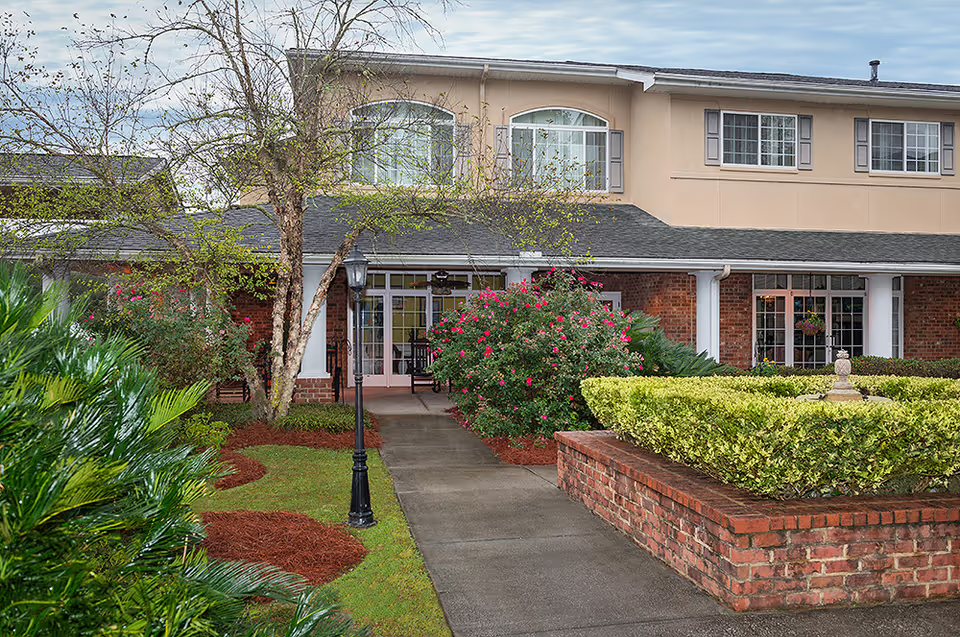
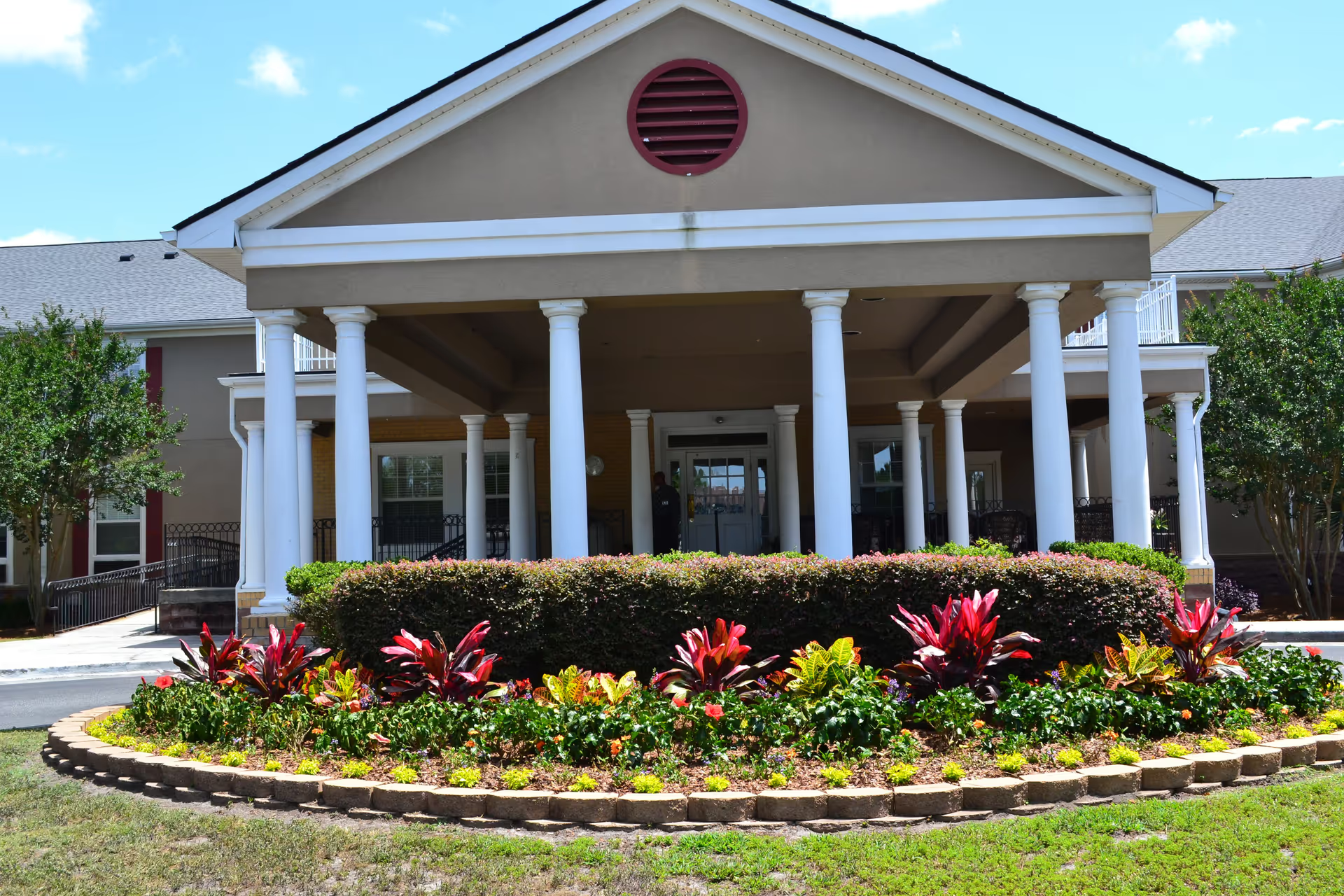
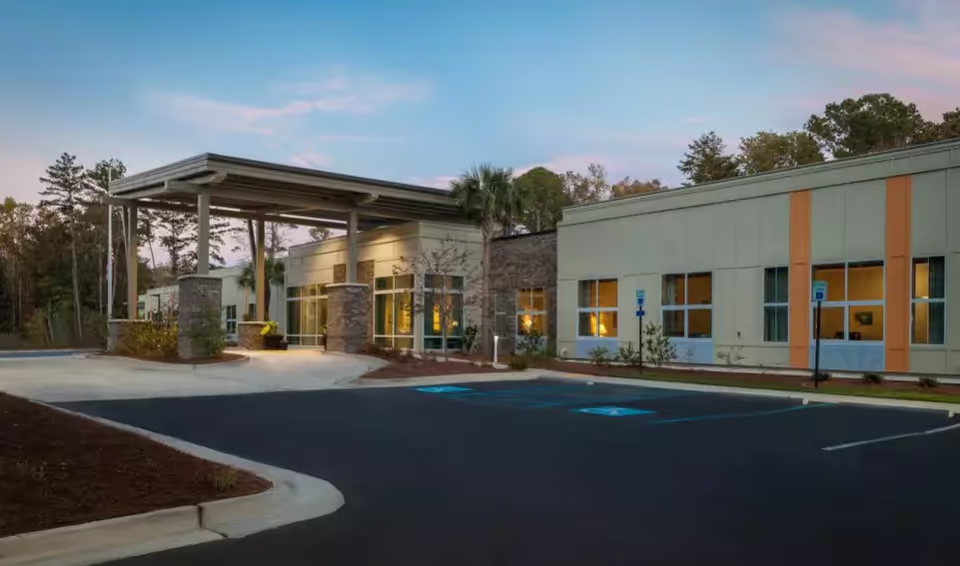
The Claiborne at Brickyard Crossing is broadly characterized by a newly built, resort-style environment with extensive common-area amenities and an active social program. Reviewers commonly note a bright, well-appointed campus with features such as a heated pool, fitness and yoga spaces, an on-site salon and spa, movie theater, library, art and game rooms, and accessible apartment designs that include in-unit washers and dryers. The facility offers multiple levels of care—independent living, assisted living, and memory care—which supports residents with varying needs in a single campus setting.
Staff and direct-care quality are among the facility's strongest themes. Many families describe staff as compassionate, personable, and proactive; several frontline employees and directors are frequently singled out for praise. On-site clinical and rehab services (including therapy and visiting clinicians) are seen as a benefit for residents who require short-term rehabilitation or ongoing medical support. That said, there are recurring operational concerns about staff continuity. High turnover and variability in personnel assignment are reported to affect continuity of relationships and, in some instances, perceived care consistency.
Dining and food service are an area of mixed feedback. While some reviewers praise the dining environment and specific meals, a substantial number raise concerns about inconsistent food quality, cold or delayed meals, and service-speed issues. Kitchen staffing and leadership transitions are referenced as contributing factors. Sanitation and housekeeping issues have been noted by reviewers in specific contexts (for example, kitchen cleanliness and episodic maintenance problems), which suggests operational areas that leadership may need to prioritize.
The activities program is a clear strength: the community maintains a busy calendar that includes happy hours, aquatic classes, games, outings, and special social events. Activity staff are widely praised for engagement and personalization, and residents frequently report feeling socially connected and active. Some reviewers requested additional afternoon and craft programming or cross-cohort events to reduce social separation between independent and assisted living residents.
Facility operations and management elicit varied responses. Many reviewers compliment local management and specific administrators for responsiveness and a resident-first attitude, while others describe slower corporate-level decision-making that delays improvements. Service interruptions (internet outages, elevator downtime) and episodes tied to infection-control events have caused short-term disruptions to dining and access to services; reviewers describe these as operational weaknesses rather than persistent conditions. Financially, families note fee increases and questions about overall value for fixed-income households, making affordability a consideration for prospective residents.
Notable patterns to weigh when evaluating this community: the combination of strong social programming, attractive physical plant, and many praised staff members creates a very positive resident experience for a large number of families. Conversely, recurring operational themes—dining inconsistency, staff turnover, episodic sanitation and maintenance lapses, and periodic service interruptions—represent practical trade-offs that could affect daily life depending on unit, timing, and staffing. A balanced decision process would include in-person observation of meal service, questions about staff retention and contingency staffing plans, clarity on fee-change policies, and a review of infection-control and pest-control protocols. For many prospective residents the Claiborne will offer a vibrant, well-appointed environment with engaging staff; for others, especially those with fixed budgets or high reliance on consistent dining and staffing continuity, additional due diligence is advisable.