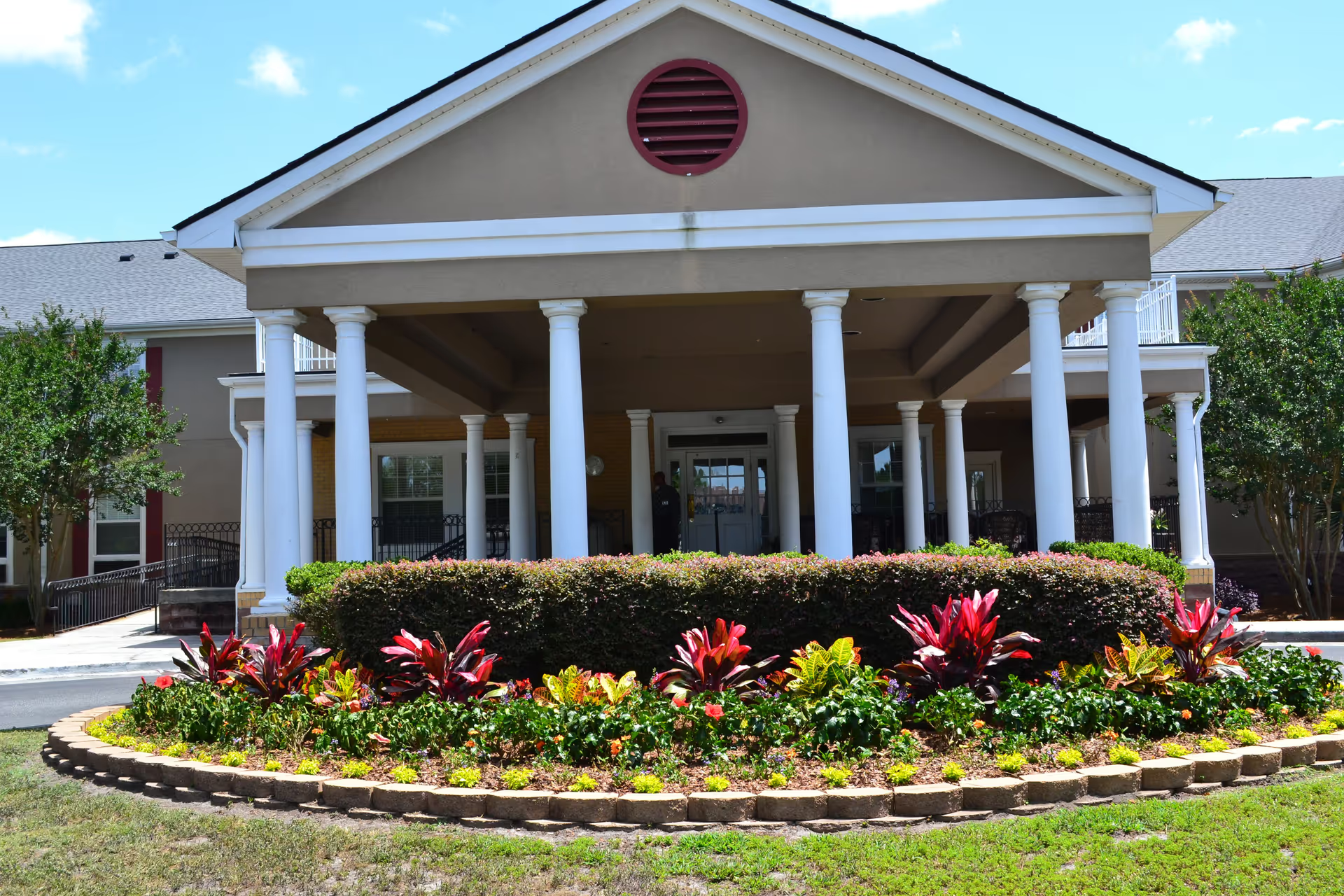
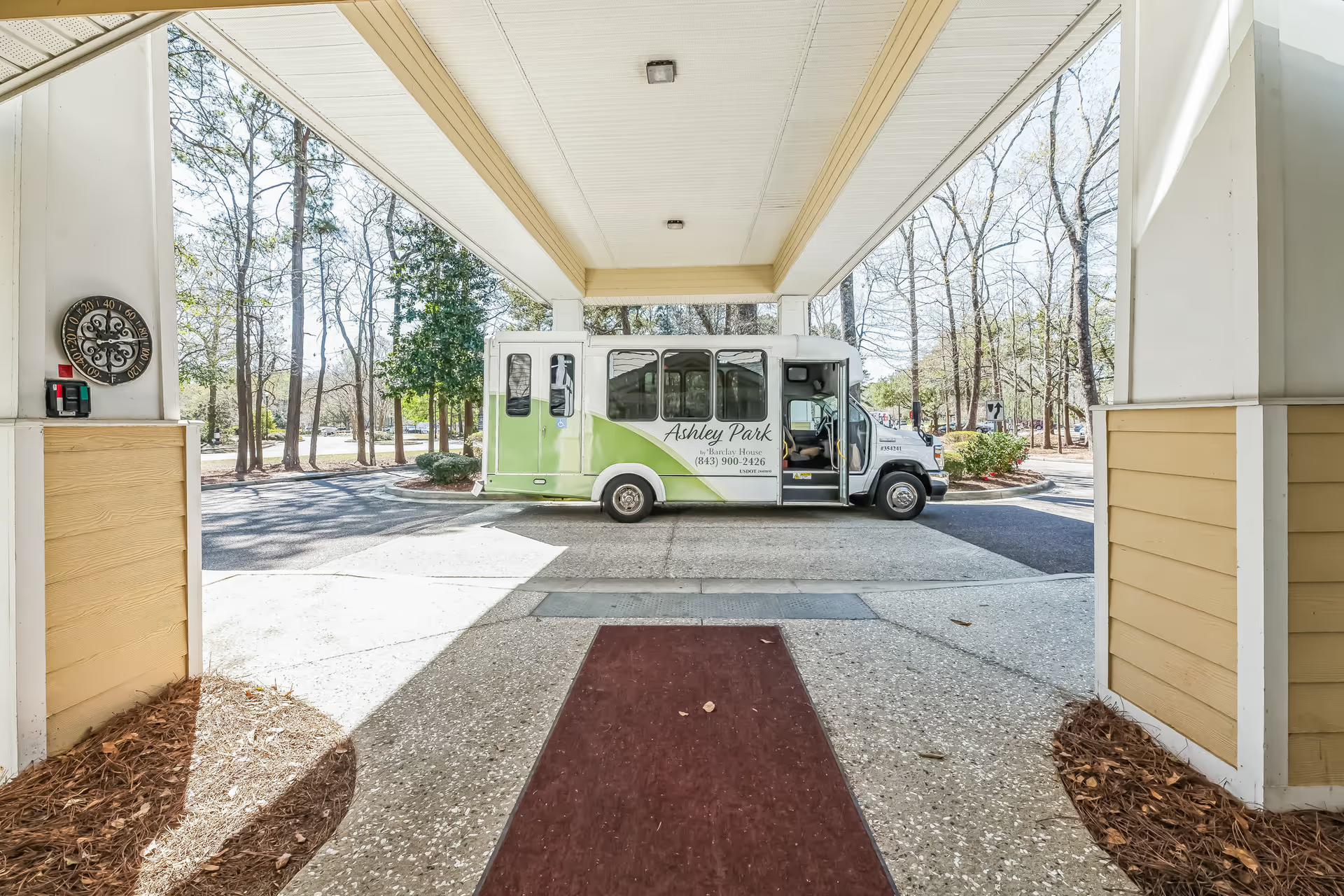
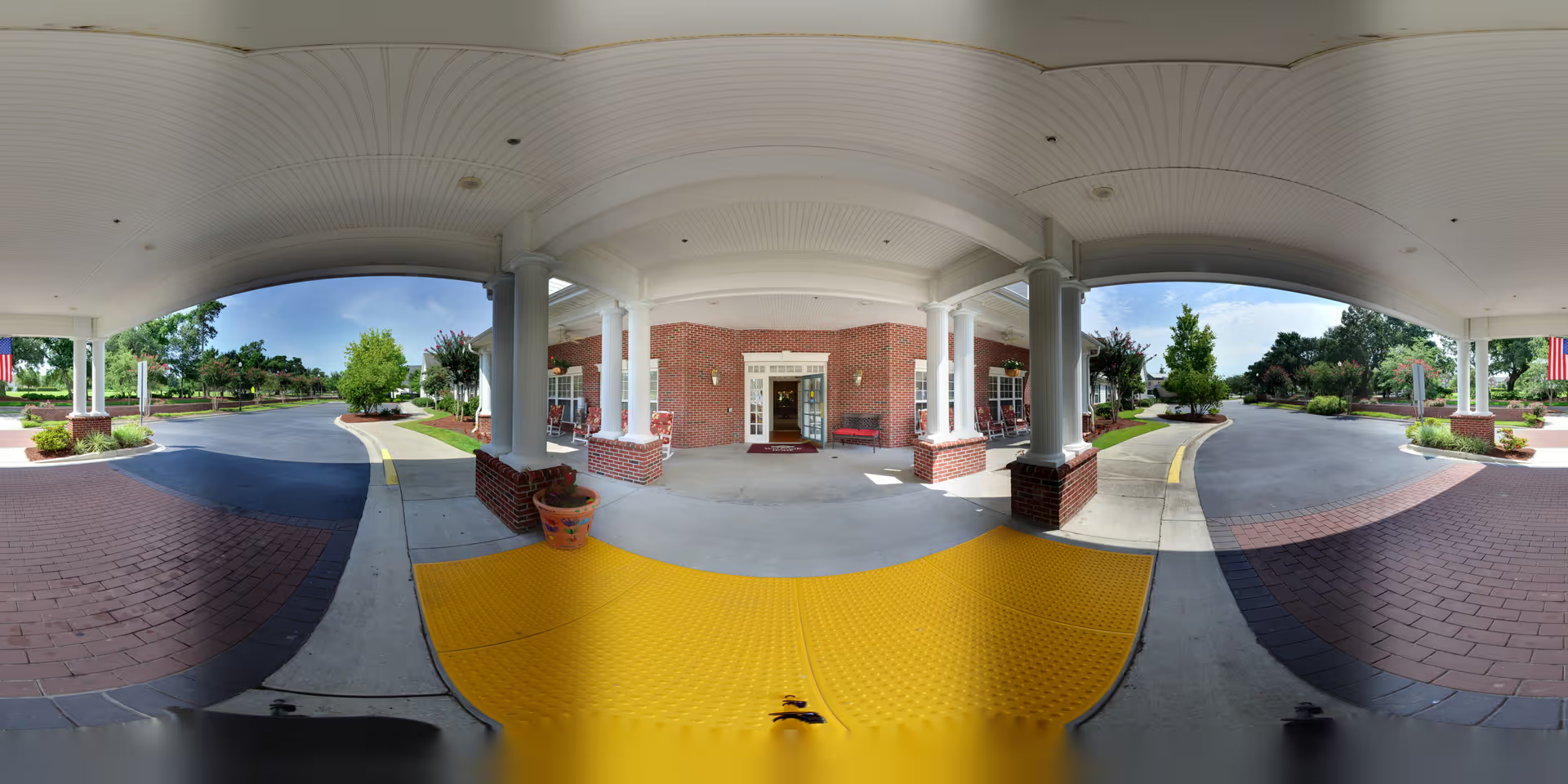
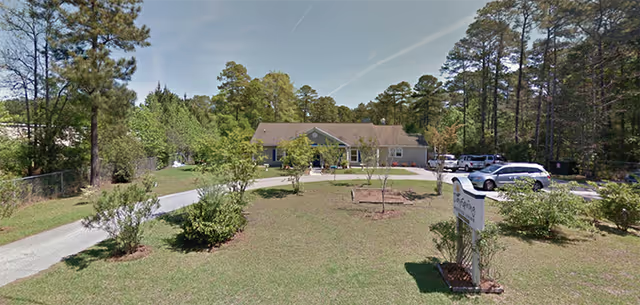
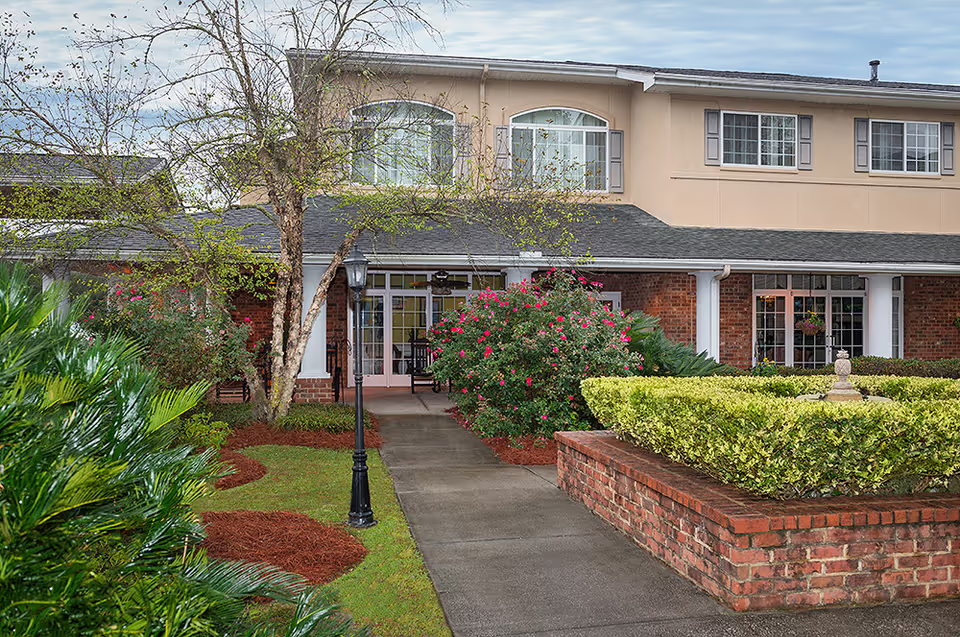
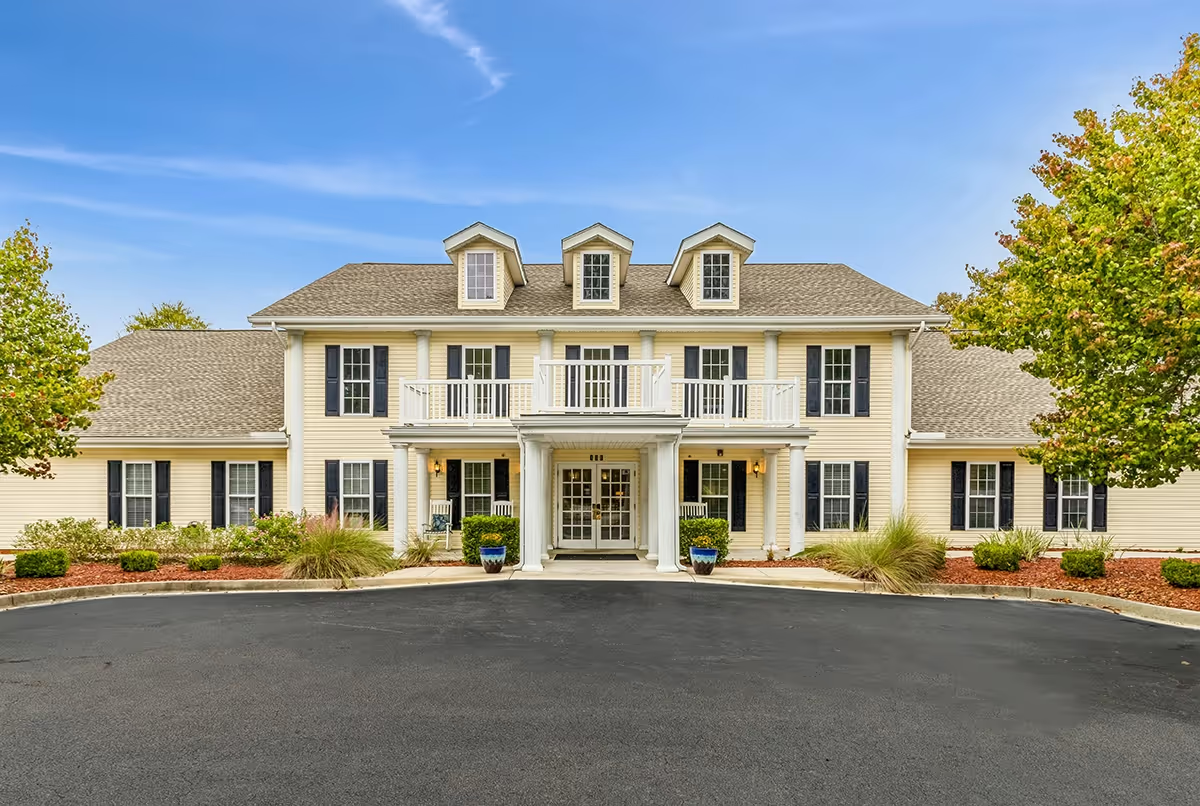
Overall impression: Ashley Gardens presents as a largely well-appointed, recently updated assisted living and memory-care community with a strong emphasis on person-centered, compassionate caregiving. Many families describe warm, family-like relationships with caregivers, accessible administrators, and a clean, hotel-like interior. Dining is a commonly cited strength — residents and families praise an executive chef, flavorful meals, and a pleasant dining room. The community offers a broad activities calendar (crafts, music, outings, cooking projects, travelogues) and onsite rehabilitative services, which together support social engagement and functional maintenance for many residents.
Care quality and staffing: Reviewers frequently highlight attentive, compassionate staff who learn residents’ names and preferences, and clinical coordination with outside medical providers and therapists. The site reports 24/7 staffing and routine housekeeping and laundry services. At the same time, there are operational concerns that prospective families should investigate: several accounts indicate high staff turnover and occasional instability in staffing levels, uneven communication with families, and inconsistencies in incontinence-care processes and sanitation in specific areas. There is also at least one serious allegation of staff-on-resident physical harm that prompted an external investigation; families should ask the community about incident reporting, oversight, and corrective actions when touring or reviewing contracts.
Dining and value: The food program is a repeated positive, with praise for quality, variety, and presentation. Some reviewers noted variability in which meals are strongest and raised questions about pricing transparency and additional charges for outings or services. Prospective residents should request a clear fee schedule, ask about what is included in base pricing, and confirm seating or meal-customization policies if those are important.
Activities and memory care: Activity programming appears robust for the assisted living population, with frequent group and one-on-one options, pet therapies, and community outings. The building’s circular layout is frequently cited as helpful for navigation in memory care. However, reviewers also describe uneven activity access and limited walking space in certain memory-care areas; some families observed lower engagement or fewer meaningful options for residents with more advanced cognitive needs. Clarify daily activity schedules and staffing dedicated to memory care during your visit.
Facility and management: Facility strengths include spacious private rooms in many units, thoughtful common areas, safe outdoor walking spaces, and an engaged administrative team that shares photos and updates with families. Operational weaknesses described across reviews include occasional sanitation and odor concerns in some common and resident areas, room- and closet-size variability, instances of missing personal items, and unclear fee disclosure. Management responsiveness is often noted as positive, but communication consistency can vary depending on staff turnover.
Bottom line: Many families report positive experiences with compassionate staff, good food, active programming, and a clean environment. At the same time, recurring operational themes—staffing stability, communication transparency, incontinence-care consistency, pricing clarity, and measures for resident belongings security—warrant direct inquiry. Recommended next steps for prospective families: conduct a tour during activity hours, request a written fee/fee-extras schedule, review staffing ratios and turnover history, ask about incident reporting and corrective-action protocols, and observe memory-care programming and walking space to assess fit for specific resident needs.