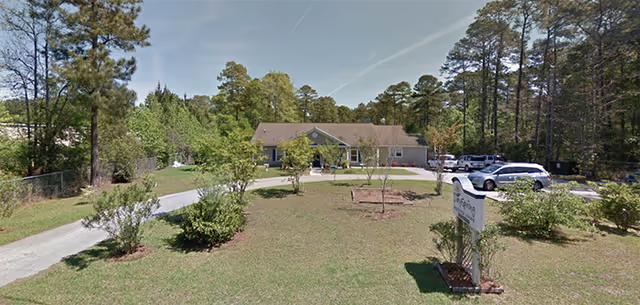
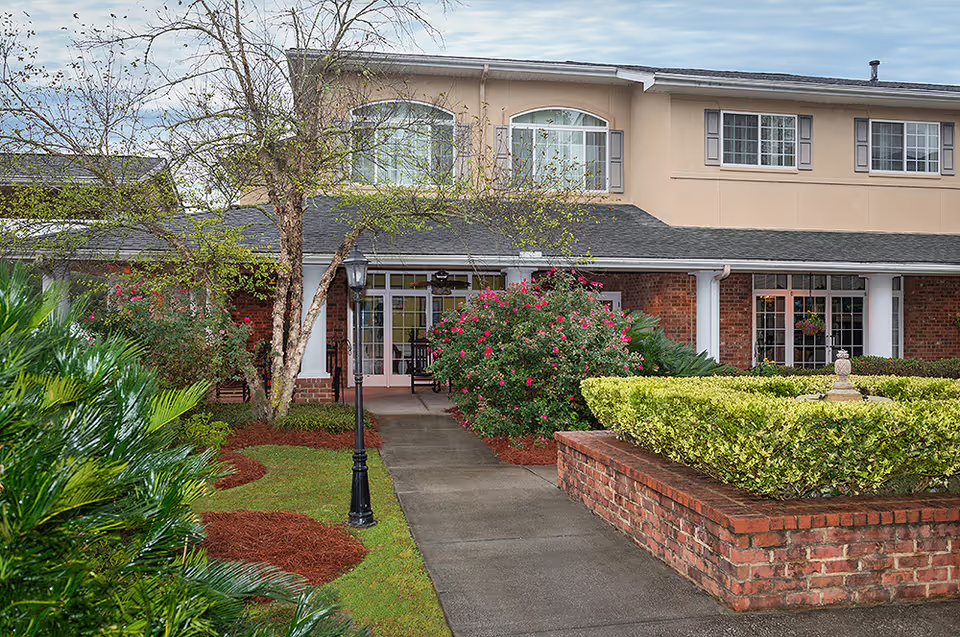
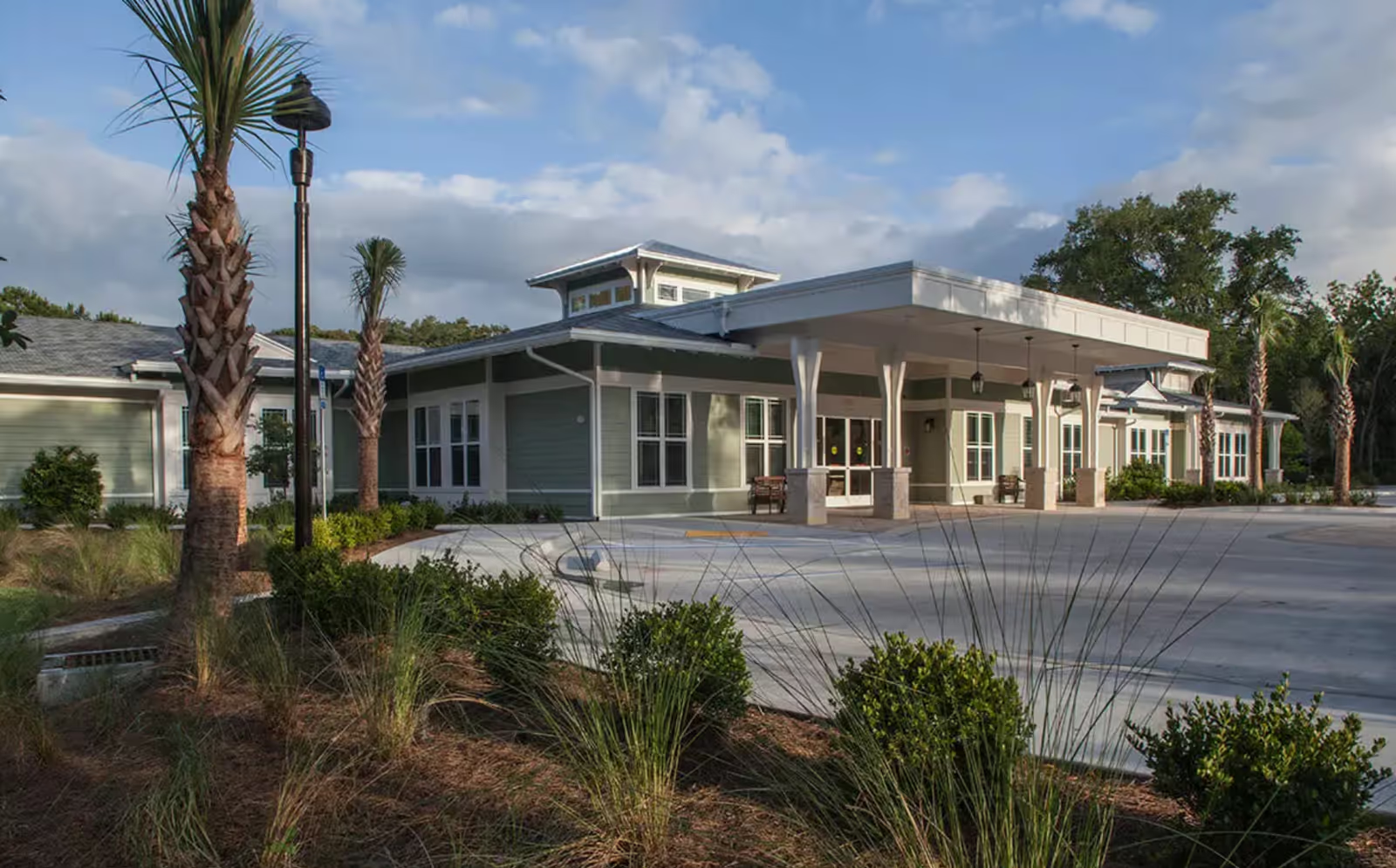
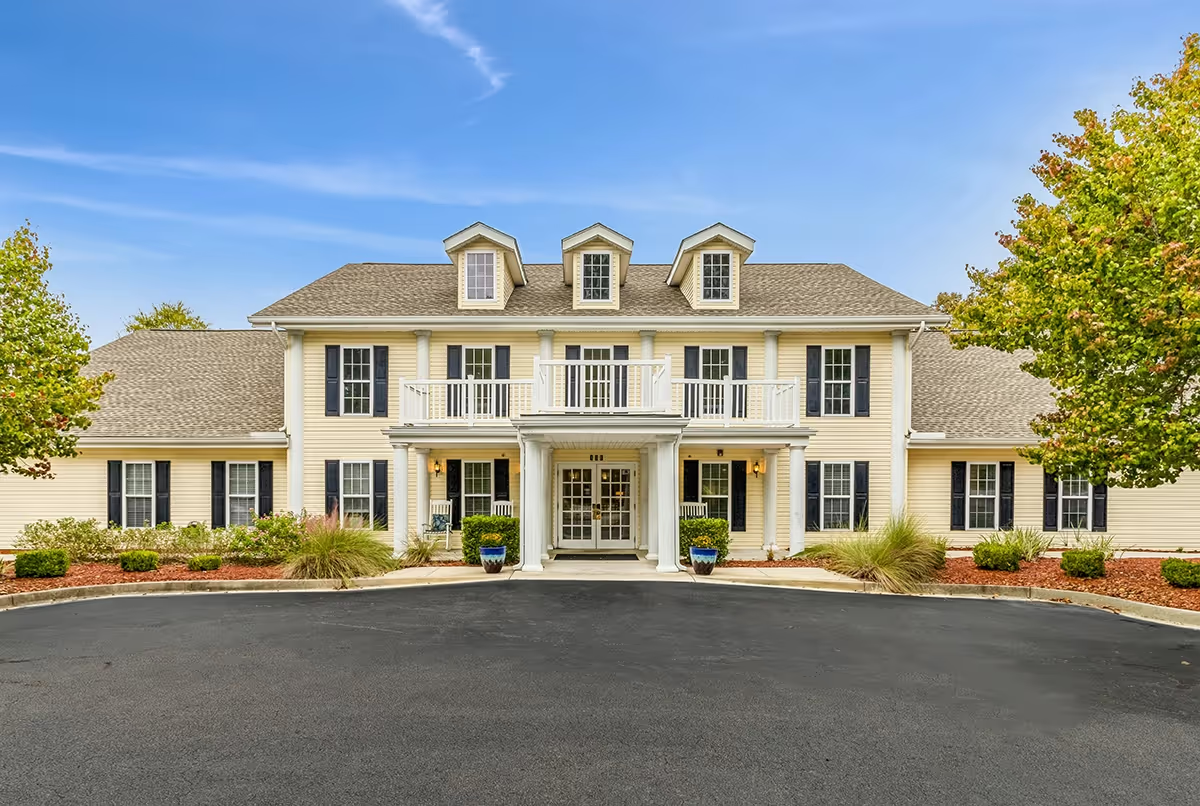
Reviews of The Palmettos of Charleston present a mixed but detailed picture that includes notable strengths alongside operational concerns. Many families praise the community’s social programming, recent aesthetic updates, and the warm, family-like demeanor of much of the caregiving staff. The activities program consistently receives strong marks—organized exercise, arts-and-crafts, outings, Bingo and other social events are recurrently cited—and leadership in that area is described as energetic and effective. Physical plant comments tend to be positive about cleanliness, tasteful furnishings, recent carpeting/hardwood updates, multiple common areas, and outdoor dining spaces, which contribute to a comfortable environment for residents.
Care quality and staff performance are more variable across reviews. Numerous accounts describe staff who are attentive, personable, and diligent; reviewers credit specific med-tech and nursing staff with providing reassuring day-to-day support. At the same time, a recurring theme is uneven staff quality and availability: families describe roster variability, caregivers who appear reluctant or underprepared in some situations, and differences in responsiveness between shifts. These patterns translate into inconsistent experiences for families — some report reliable, respectful care and a strong sense of community, while others express significant dissatisfaction with clinical follow-through.
Clinical-safety patterns of concern center on medication management and emergency responsiveness. Multiple reviews point to weaknesses in medication administration controls, documentation practices, and inventory tracking (for example, missed orders or medications running out), suggesting gaps in pharmacy coordination, internal checks, and audit processes. Accounts of delayed emergency response or uneven availability of staff during urgent events were also mentioned; other reviewers described timely, competent emergency care, indicating variability rather than uniform performance. Given these mixed accounts, families should seek specific, up-to-date information on staffing levels, medication-administration procedures, and emergency protocols during any visit.
Dining and daily living services show both positives and limits. Meals are generally characterized as adequate with generous portions, and some residents were pleased with menu choices; however, there are consistent notes about constrained menu variety, small dining areas, and dining-policy inconsistencies (including guest restrictions). For prospective residents who prioritize culinary variety or a larger communal dining experience, this may be an area to review in person.
Memory care and higher-acuity needs appear to be an area of tension. Reviews indicate growing dementia-care needs among the resident population with limited perceived improvement in engagement or staffing to match that acuity. While some families applaud memory-wing staff and managers for sincerity and individualized attention, others describe insufficient engagement and inconsistent programming for residents with advancing needs.
Management and value perceptions are mixed but hint at potential for improvement. Several reviewers note new or capable leadership and an openness to change, and some explicitly credit administrators for positive direction. Conversely, there are ongoing concerns about rising prices and the perceived mismatch between cost and service reliability. There is at least one mention of serious staff-conduct concerns and accountability gaps; such allegations merit careful inquiry and documentation when evaluating the community.
Overall, The Palmettos of Charleston appears to offer a welcoming, clean environment with a robust activities program and pockets of very good caregiving. However, prospective residents and families should directly evaluate operational elements that reviewers flagged as inconsistent: medication and clinical controls, staffing levels and turnover, memory-care programming, dining policies, and how management documents and resolves serious conduct concerns. A focused tour that includes meetings with nursing leadership, the activities director, and an explanation of medication and emergency protocols will help clarify whether the community’s strengths align with an individual’s needs and expectations.