Mount Pleasant Gardens elicits strongly mixed but patternable impressions. Many families describe a clean, well‑maintained physical environment with attractive, secure outdoor spaces and comfortable private rooms. The community is frequently praised for its dementia focus, active programming, and a home‑like atmosphere; reviewers highlight a robust schedule of activities (cognitive exercises, gardening, outings, frequent social events) that contribute to residents’ engagement and quality of life. Several reviewers also emphasize specific staff and leaders by name for compassionate, individualized care and for helping families through the transition process.
Care quality and clinical supports are a clear strength for many residents. Positive comments reference attentive aides, personalized care planning, accessible medical oversight (including on‑site psychiatric support), and competent infection‑control practices. That said, there is a recurring pattern of concerns about variability in day‑to‑day clinical competency, particularly around dementia‑specific approaches and safe mobility/transfers. Families who raised these issues described inconsistent assistance during high‑need moments, which they interpreted as training or staffing gaps rather than systemic clinical failure.
Staffing and staff conduct emerge as a central area of divergence. Numerous reviewers praise individual caregivers as compassionate, knowledgeable, and consistent; others describe lapses in professionalism, inattentive behavior during shifts, or staff distractions that affected interactions with residents and visitors. Staffing variability is also tied to accounts of delayed or missed tasks. These comments suggest that while core staff and leadership can be strong, performance appears uneven across shifts or over time.
Dining and activities are generally reported as positives but with inconsistency. Many families note appetizing meals, improved weight or dental outcomes, and a plentiful activity roster that residents enjoy; a smaller set of comments cite occasions where meal quality fell short. Activities are repeatedly identified as a major contributor to residents’ well‑being — offerings range from twice‑daily social programming to supervised gardening, exercise, games, and community outings, and are often adapted to residents’ functional levels.
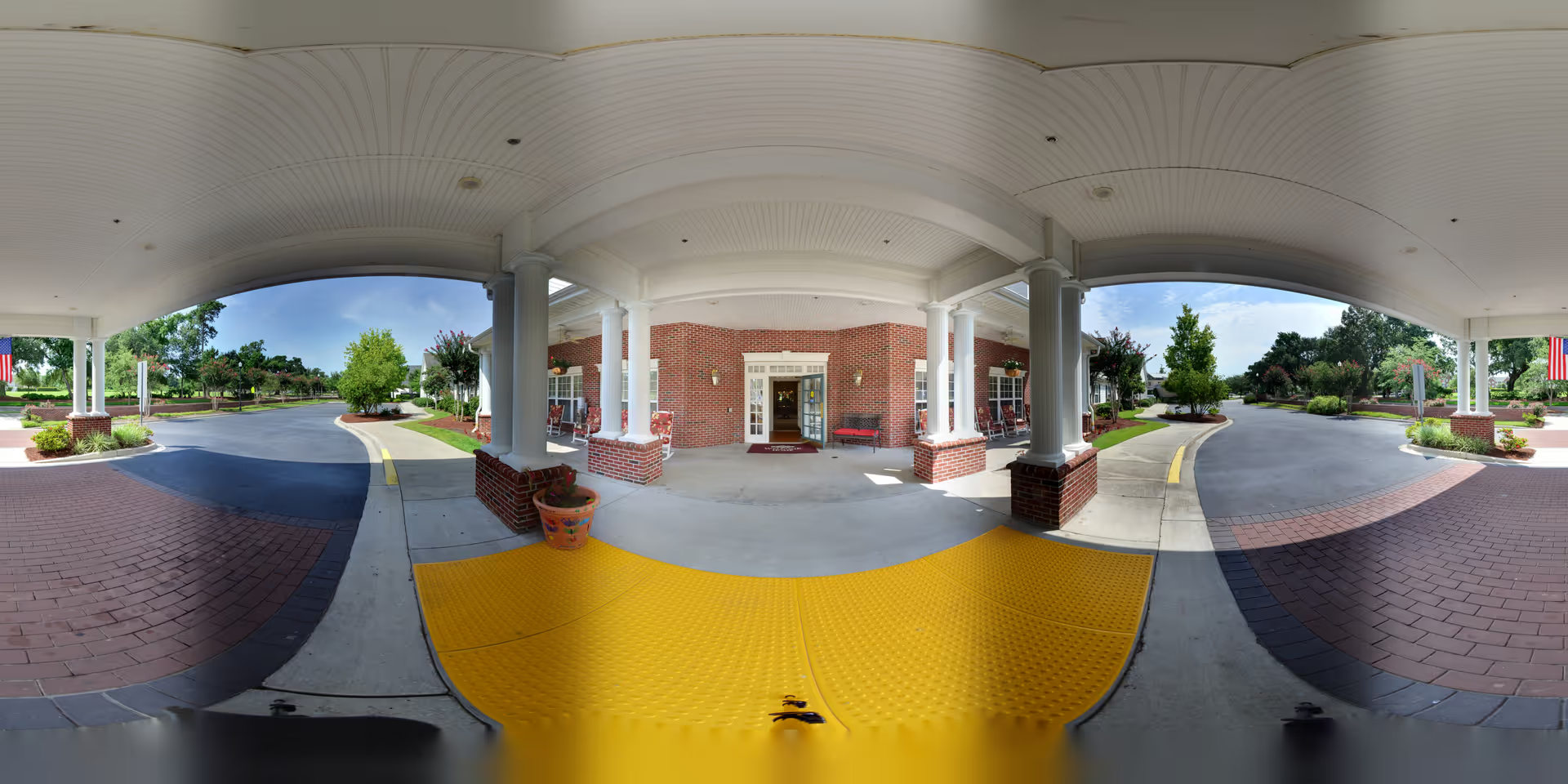
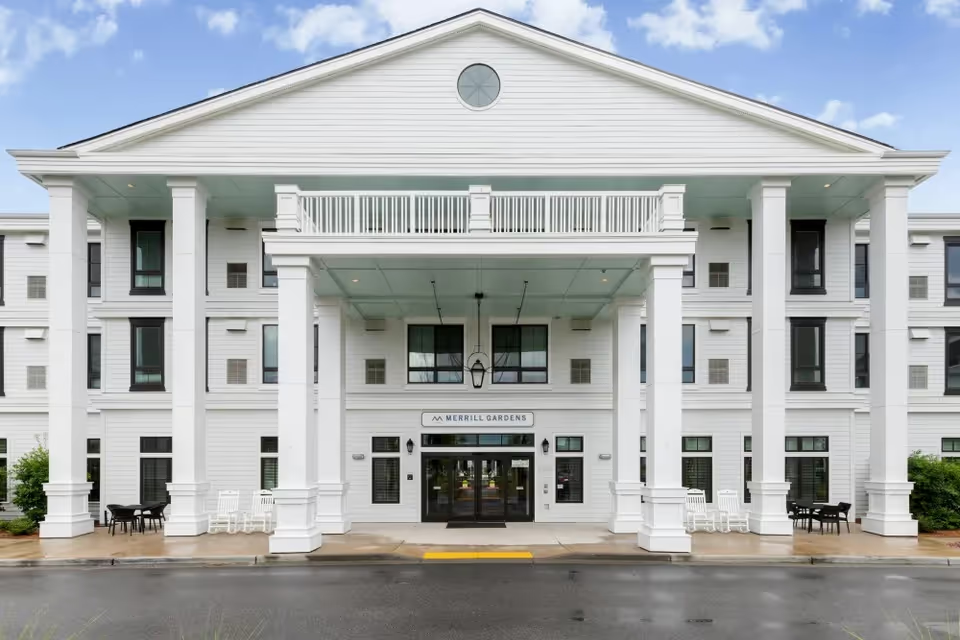
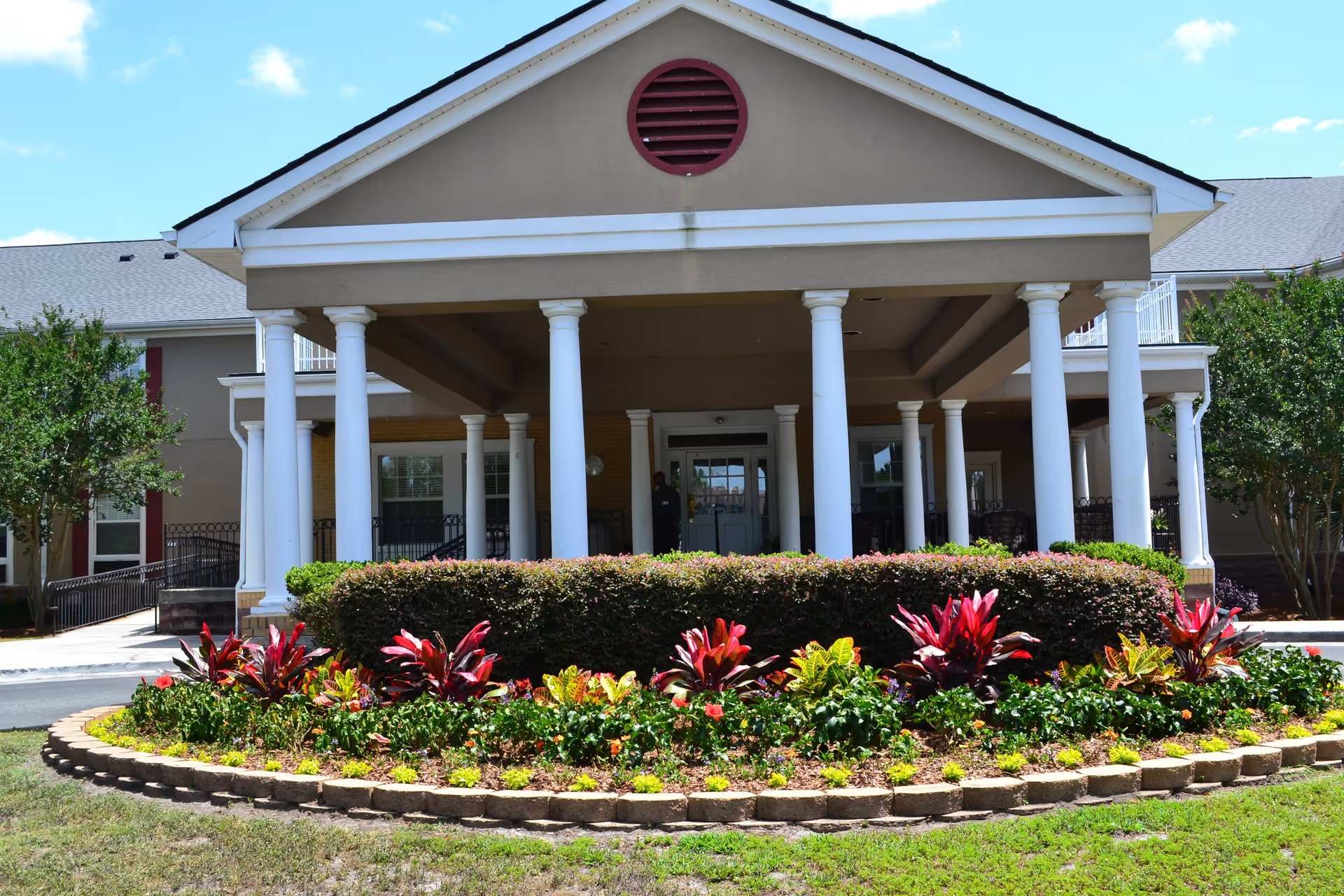
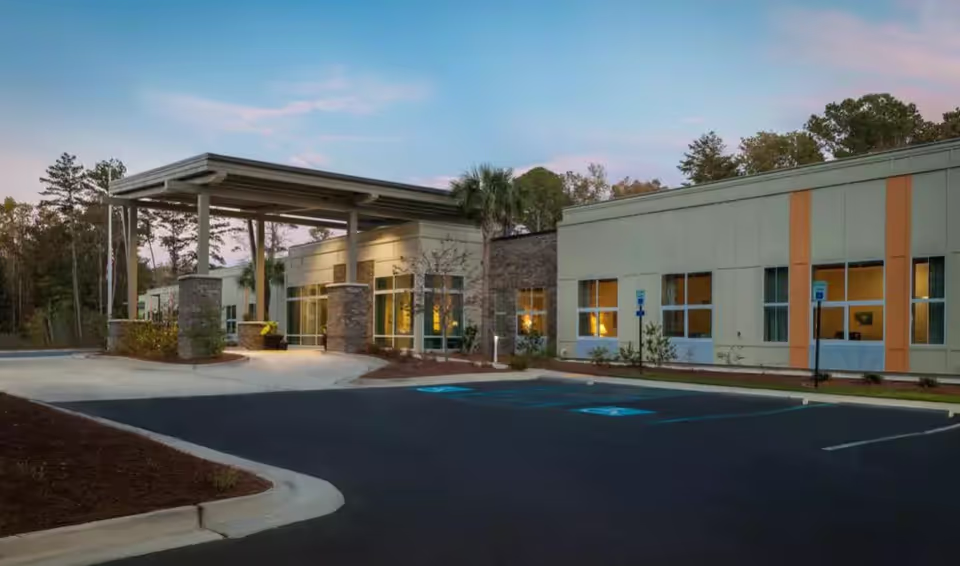
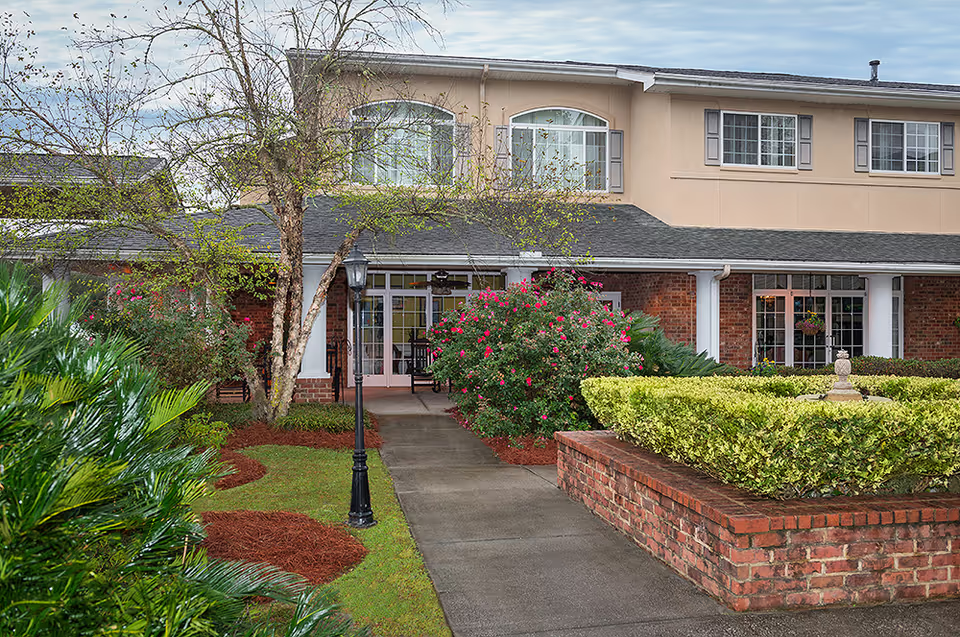
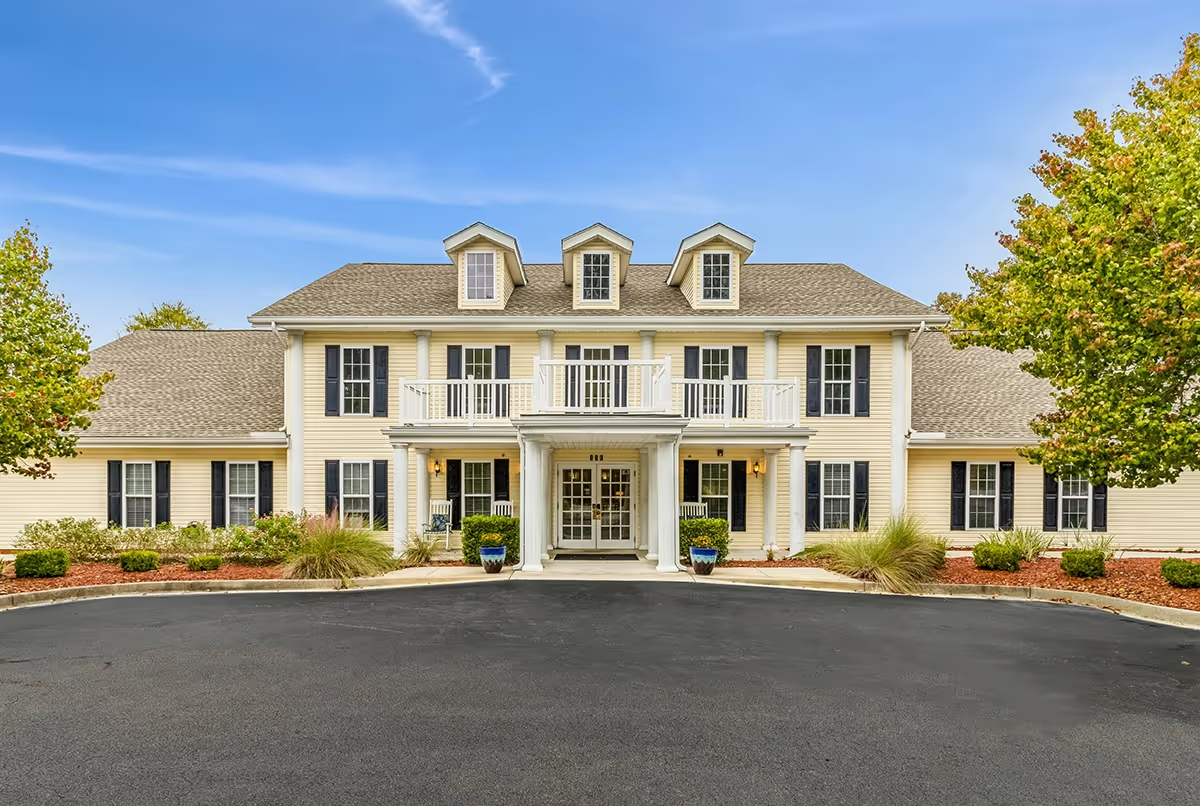
The facility itself is frequently described as clean, attractive, and dementia‑friendly: enclosed gardens, covered terraces, private dining and sitting rooms, and accessible common areas. Several reviewers specifically highlighted effective pandemic practices and a generally well‑maintained interior. Management impressions are mixed: some families commend visible, hands‑on leaders and responsive communication, while others describe unresolved concerns and inconsistent follow‑up when problems are raised. Visitation policies are another point of inconsistency; while an open‑door approach is promoted, some families experienced restrictive or unevenly applied visiting practices.
Notable patterns for prospective families: many residents and families are very satisfied with Mount Pleasant Gardens’ dementia programming, activities, and environment, and they single out particular staff and leaders for praise. However, there is meaningful variability in staff professionalism, training on dementia and mobility issues, and management follow‑through. If you are considering this community, it is advisable to observe multiple shifts (including evenings/weekends), watch mealtimes and activity engagement, ask about staff training and staffing ratios for dementia and mobility assistance, and clarify the facility’s visitation and complaint‑escalation policies. These targeted inquiries will help determine whether the strong elements highlighted by many families are consistently present for your loved one.