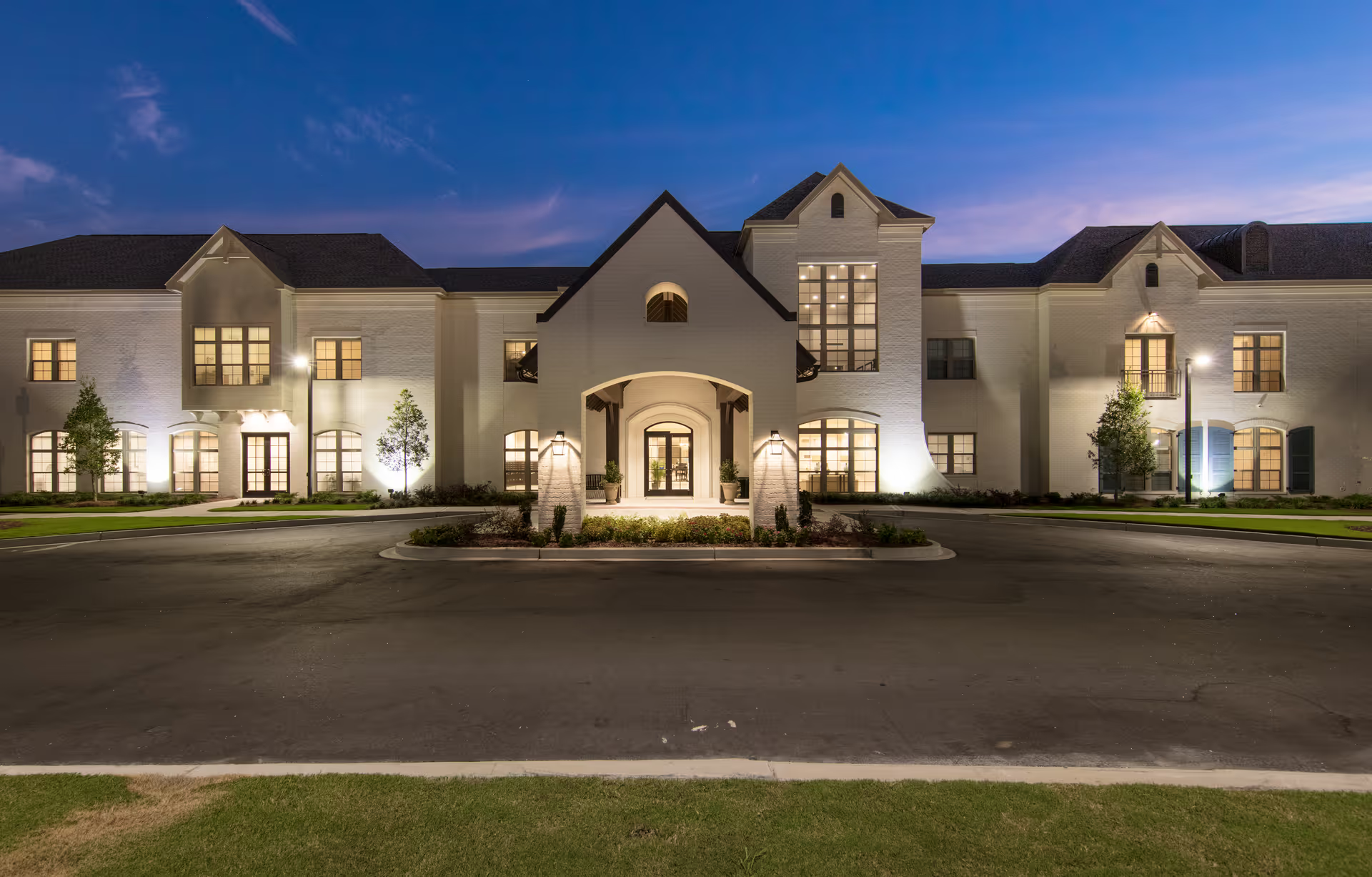
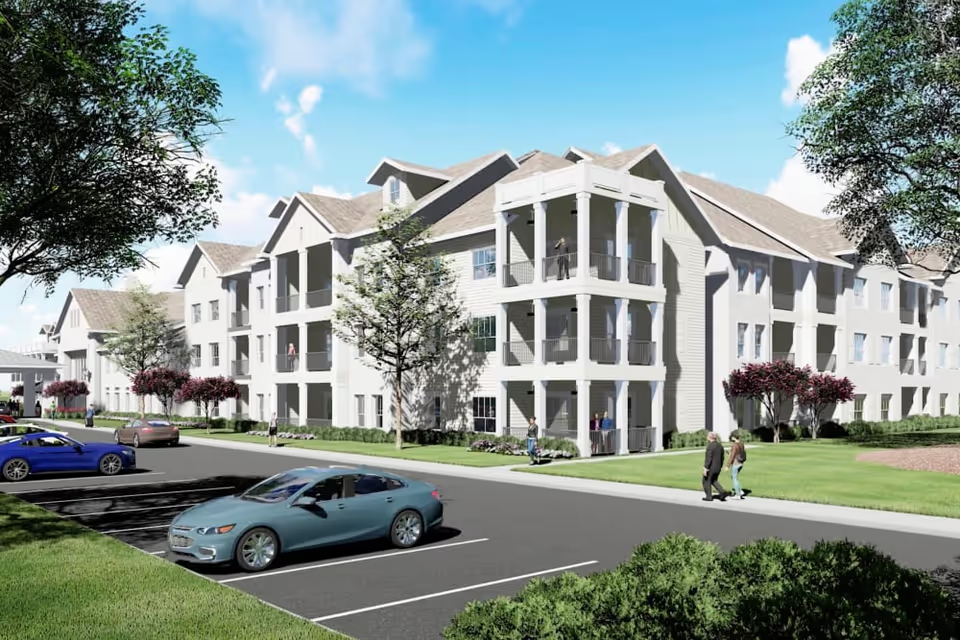
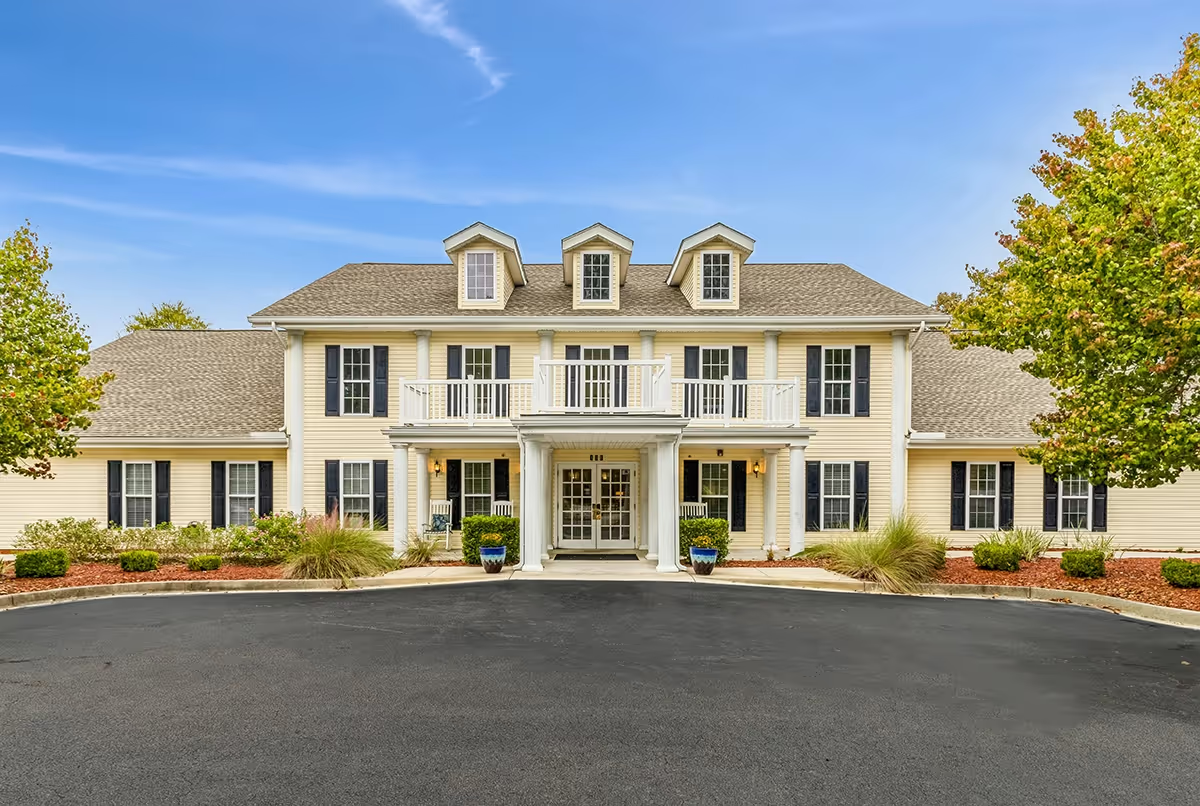
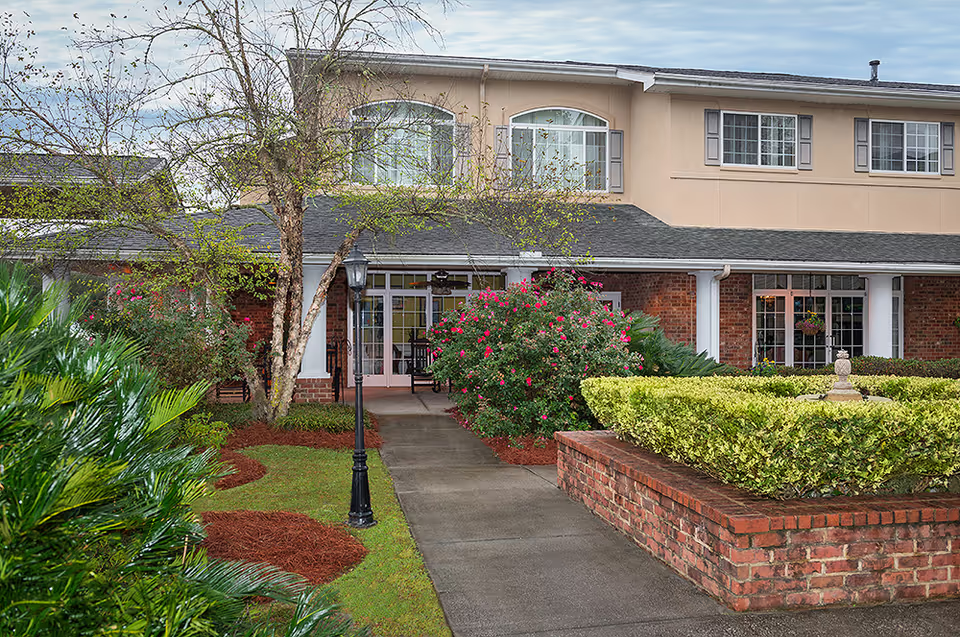
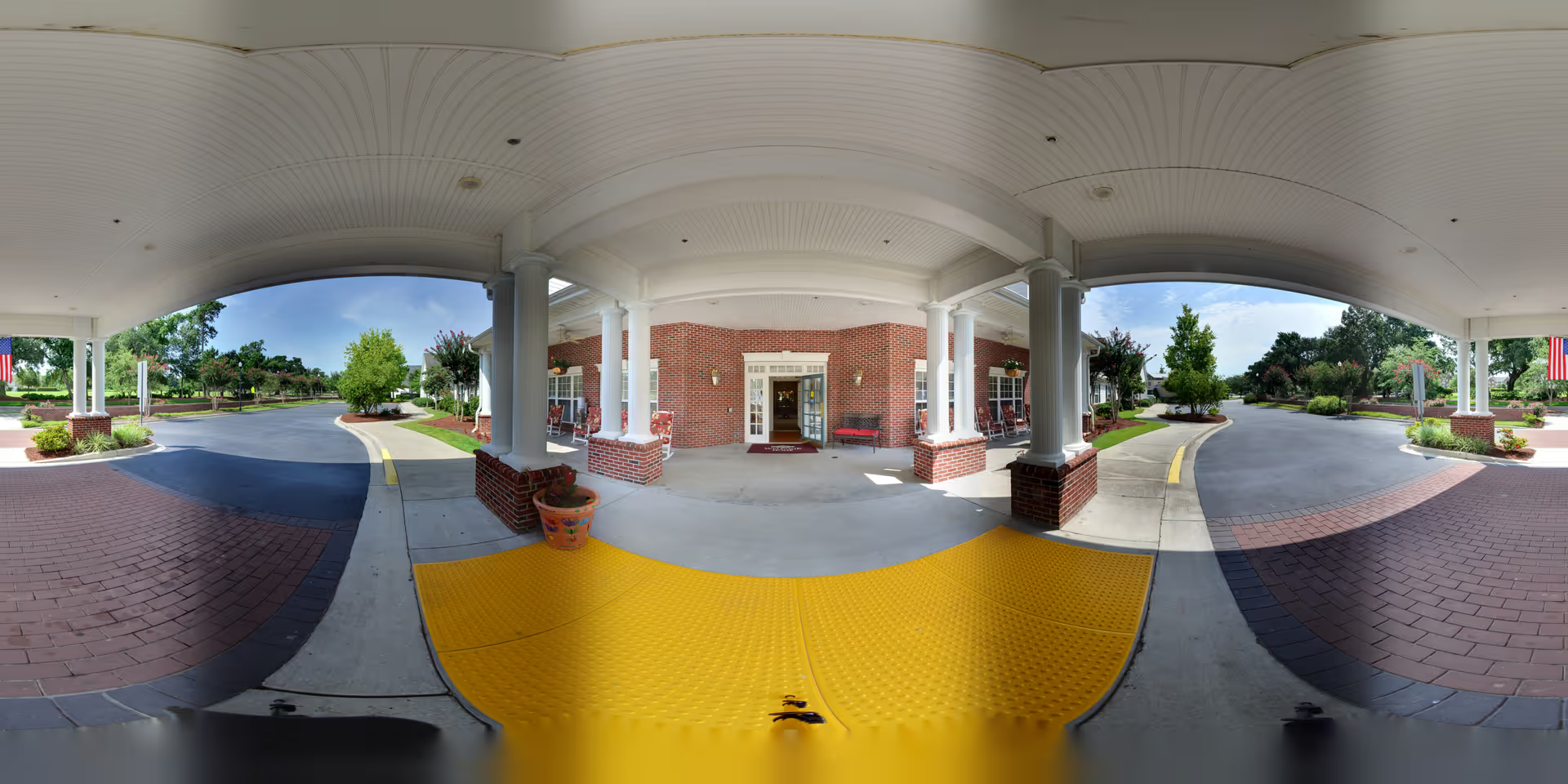
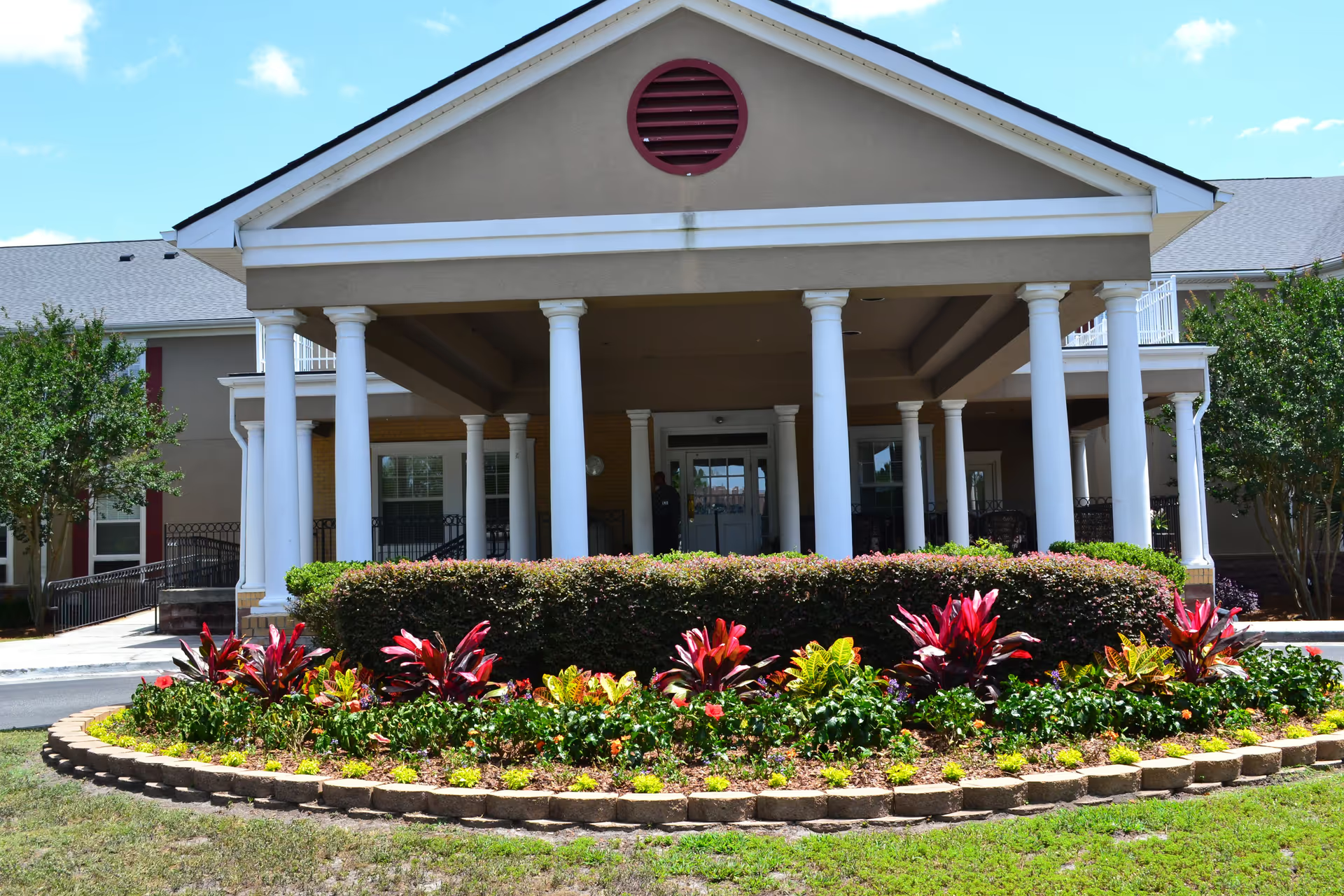
Wildcat Senior Living is generally described as a modern, well-appointed community with a strong emphasis on person-centered caregiving and social engagement. The physical plant and grounds receive consistent praise: reviewers highlight abundant natural light, updated finishes, multiple apartment sizes, in-room conveniences (washer/dryer, balconies), and resort-like common spaces. Memory care is framed as a controlled, dementia-specific unit with dementia-friendly schedules and programming designed to keep residents engaged.
Care quality is a frequent strength in the reviews. Many families describe individual staff members and med techs as compassionate, attentive, and willing to go above and beyond. Leadership is often noted as accessible and hands-on, with specific administrators and directors credited for easing transitions and addressing concerns when communication channels are functioning. On-site clinical resources and rehab services add to the sense of clinical support available to residents.
Dining and activities are prominent positives. Early impressions identify home-cooked, chef-driven meals, flexible meal times, order-off-menu options, and themed community dinners. Activity programming is consistently described as varied and creative, with an active activities coordinator and regular outings that keep residents socially engaged and active.
At the same time, a pattern of operational weaknesses emerges. Several reviewers describe staffing instability and turnover that can undermine continuity of care. Relatedly, there are accounts of meal quality and portion consistency declining over time, and of housekeeping or service tasks not always meeting expectations. Move-in coordination and post-move-in maintenance (cable, hot water, appliances) have occasionally been problematic, suggesting gaps in operational follow-through.
Families also raise concerns about management communication in a subset of cases: missed or delayed notifications about clinical incidents, limited follow-up after adverse events or a resident death, and a perception that admissions continue without proportional staffing increases. In memory care, while programming and staffing are praised in many accounts, other reviewers describe difficulty managing advanced behavioral symptoms (sundowning, non-cooperation), noting a need for clearer dementia-specific protocols and staff training in managing care-resistant behaviors and safety during agitation.
In summary, Wildcat presents a strong physical environment and many examples of individualized, compassionate care, engaging activities, and quality dining. Prospective residents and families should weigh those strengths against operational patterns reported by multiple families: inconsistent staffing levels, variable service continuity (food and housekeeping), and occasional communication lapses from management. For families considering Wildcat, a focused tour and direct conversations about current staffing ratios, dementia-behavior protocols, move-in coordination processes, and written communication practices will help clarify whether the facility’s strengths align with the prospective resident’s needs.