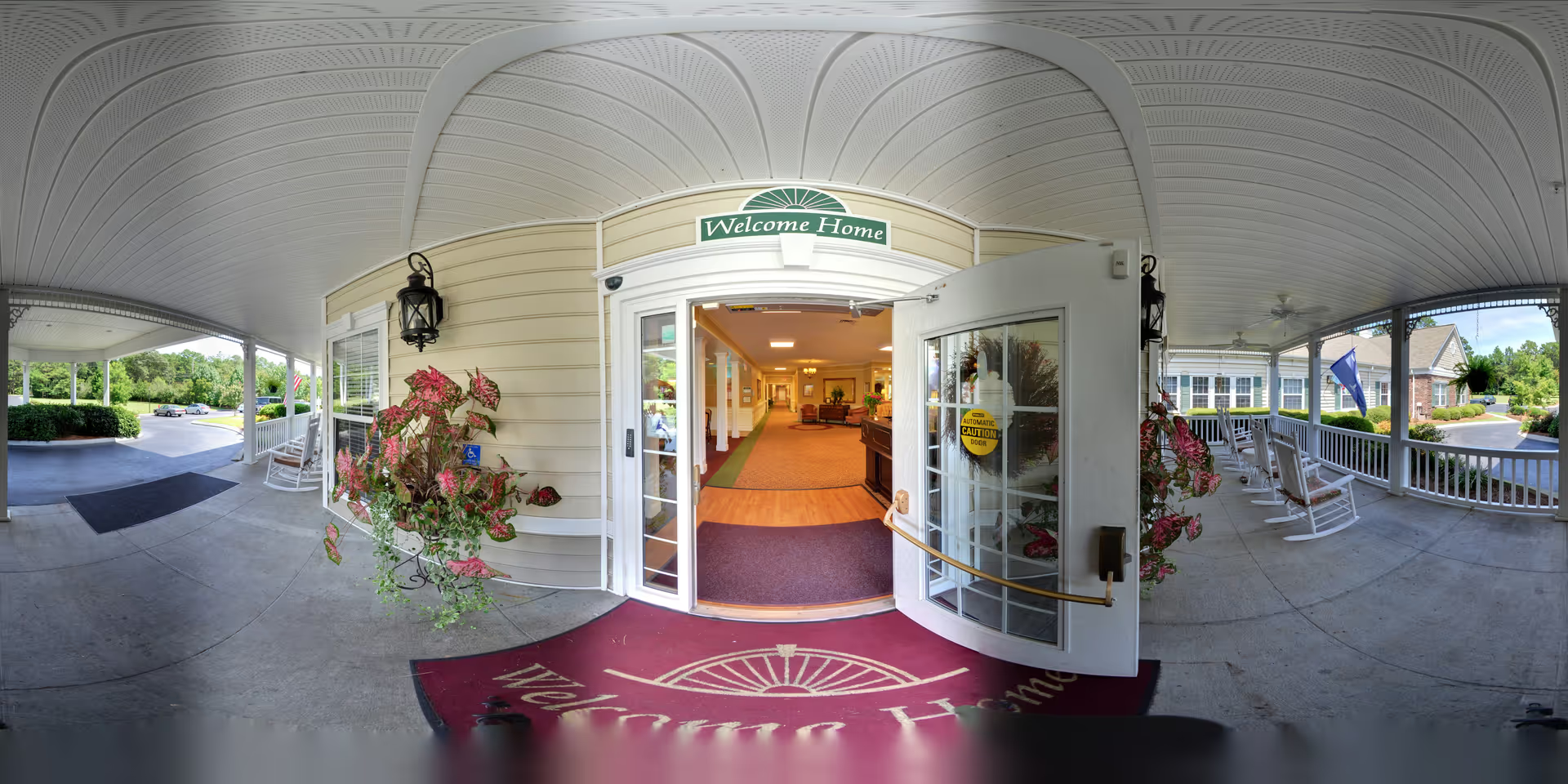
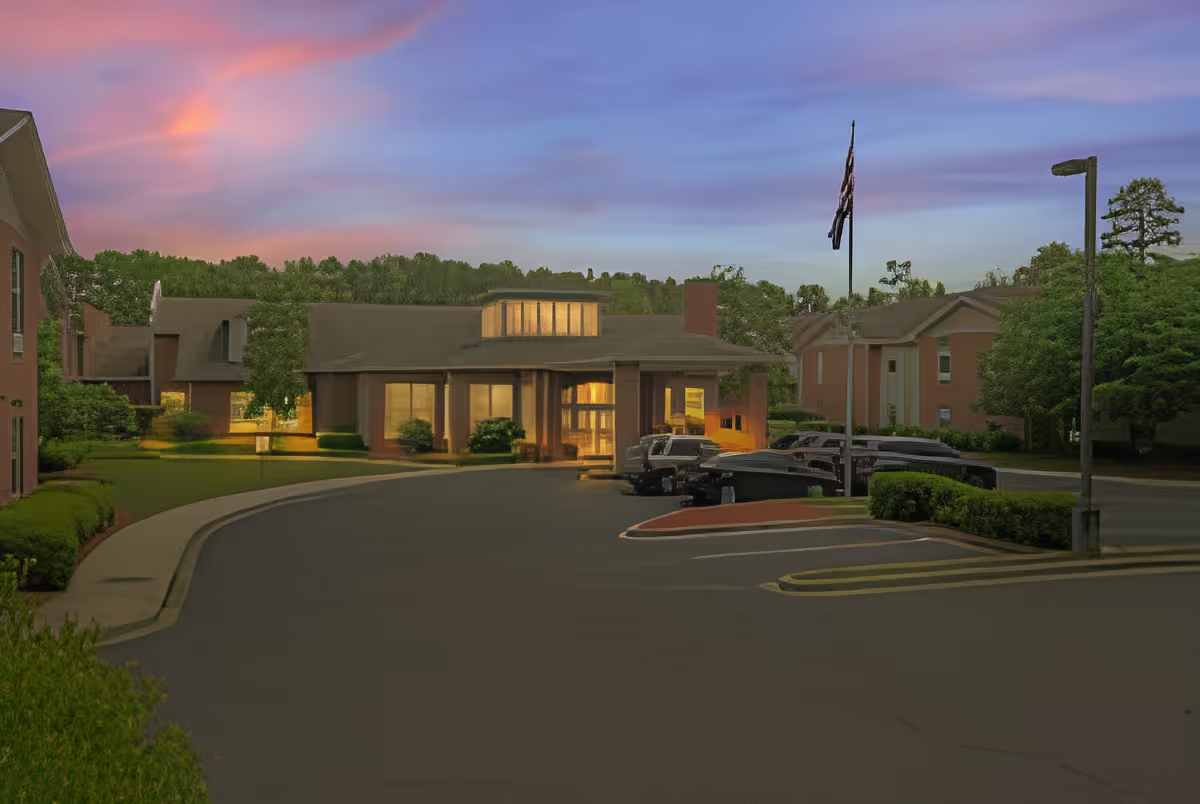
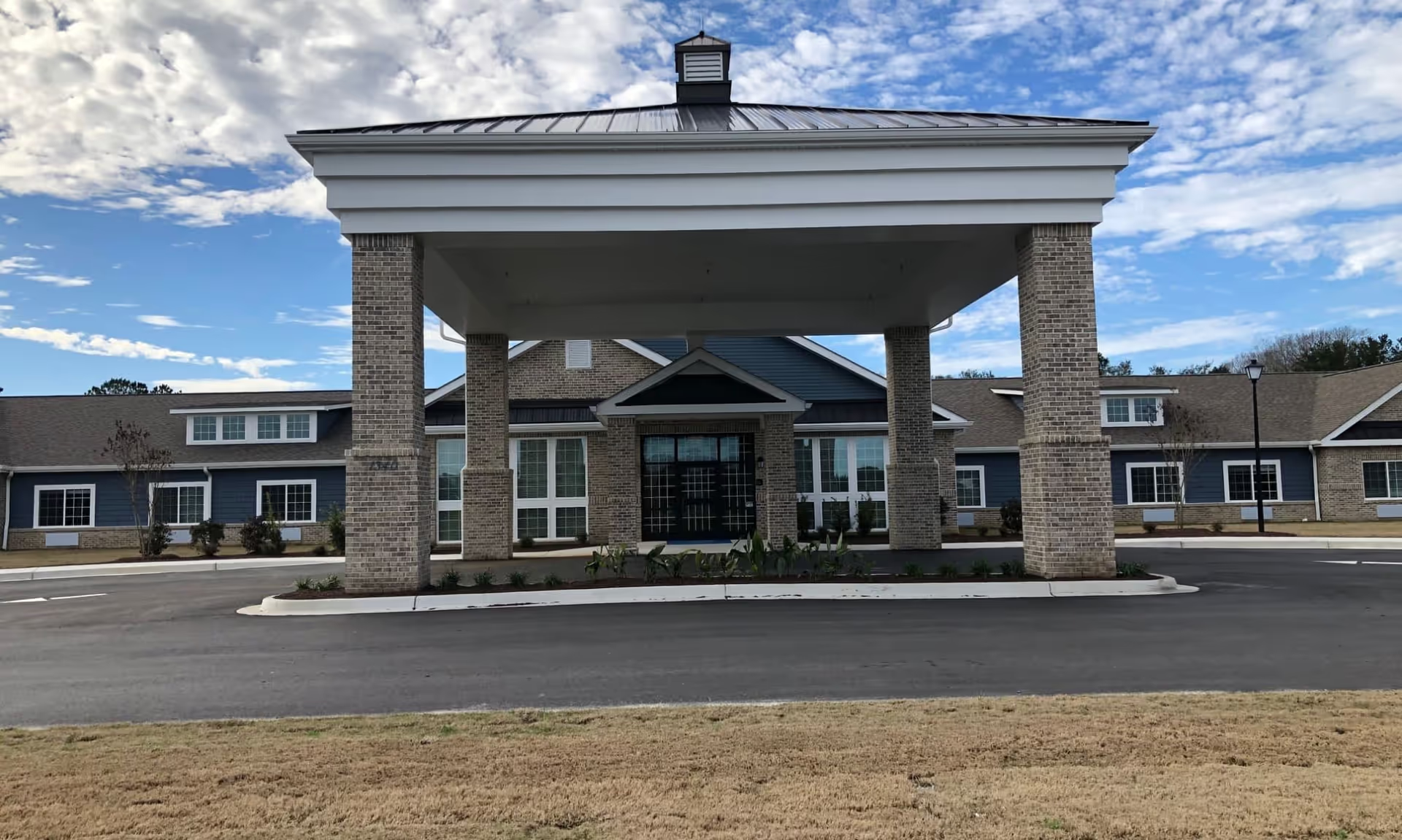
The Gardens at Sumter elicits a broadly mixed but specific set of impressions. Positive comments focus on a robust activity program, an approachable activities director, and a number of amenities that support daily life: nutritious meals, on-site salon/barber services, multiple dining areas and occasional specialty offerings, secured memory-care, and accessible outdoor spaces. Many families describe a clean, bright atmosphere, spacious furnished rooms with courtyard or patio access, and an overall home-like environment. Several accounts emphasize warm, compassionate caregiving and an engaged executive director who has implemented visible facility improvements (painting, new flooring) and an open-door approach to concerns.
Care quality is described unevenly. Numerous reviews praise attentive, patient staff and thoughtful memory-care in certain units, while others raise operational concerns that affect clinical reliability — most notably staffing shortages and medication-management inconsistencies (delays, incorrect fills, or supply gaps). These operational gaps have translated into inconsistent family communication and occasional delays in notification or follow-up. A subset of reviewers described inadequate specialized dementia staffing or the need for supplemental supervision for higher-dependency residents; this suggests variability in staff training and allocation across shifts and units.
The activity program is a consistent strong point: reviewers mention frequent programming (games, crafts, live music, movie nights, parties, choir and preacher visits), a visible activities calendar, and family-friendly events that include grandchildren. That said, there are practical information gaps — examples include small-print activity boards and inadequate follow-through when families submit suggestions. COVID-era visitation and activity restrictions were cited as a past limitation; newer leadership appears to have restored more regular programming in many areas.
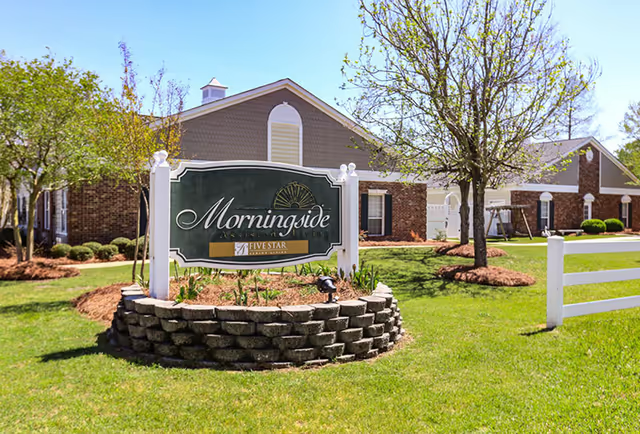
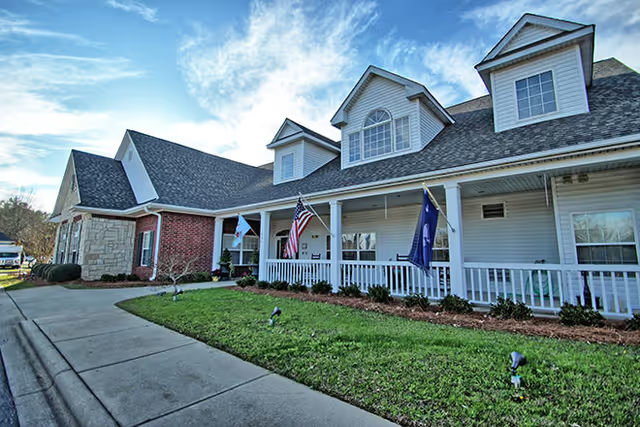
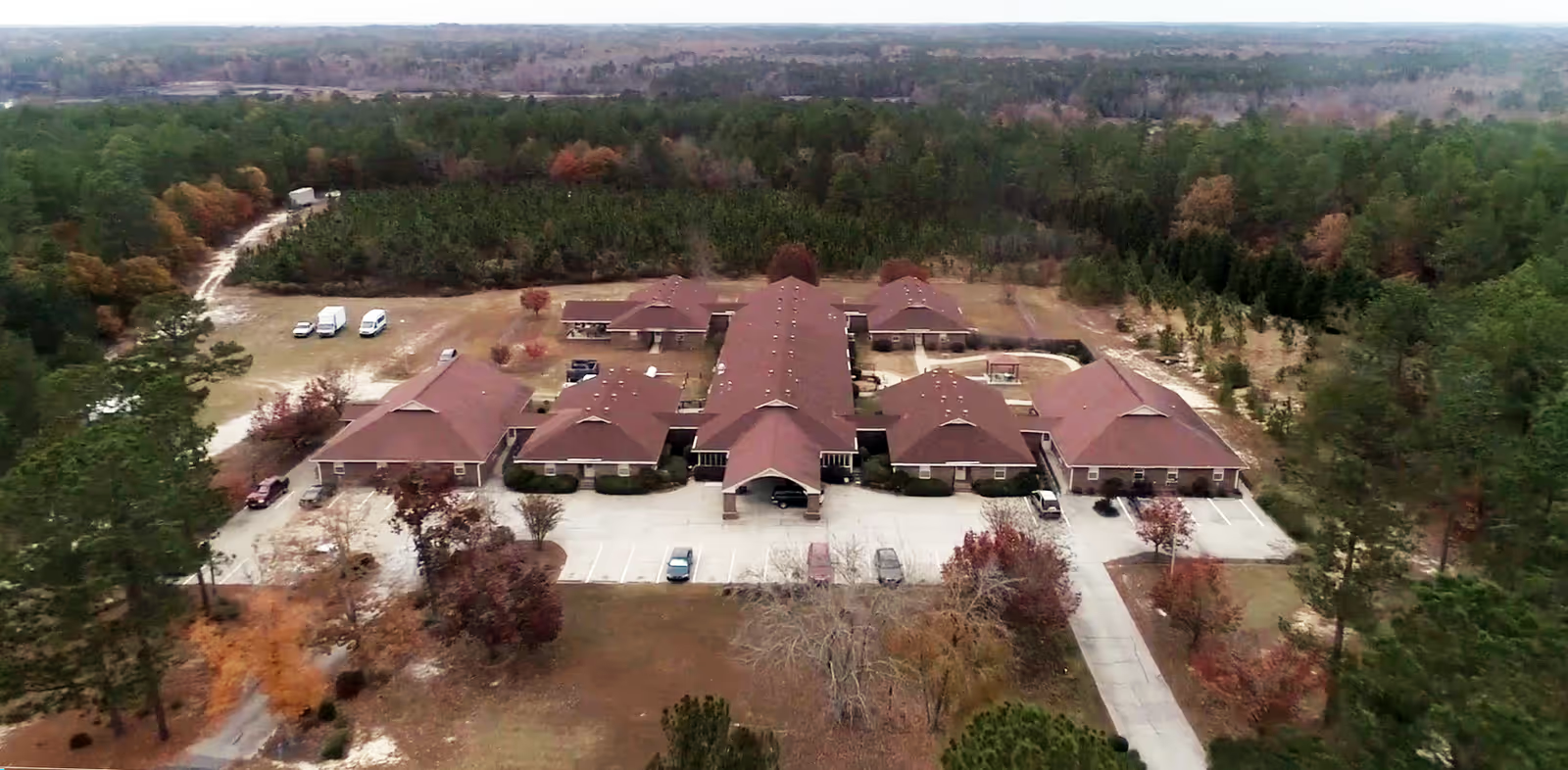
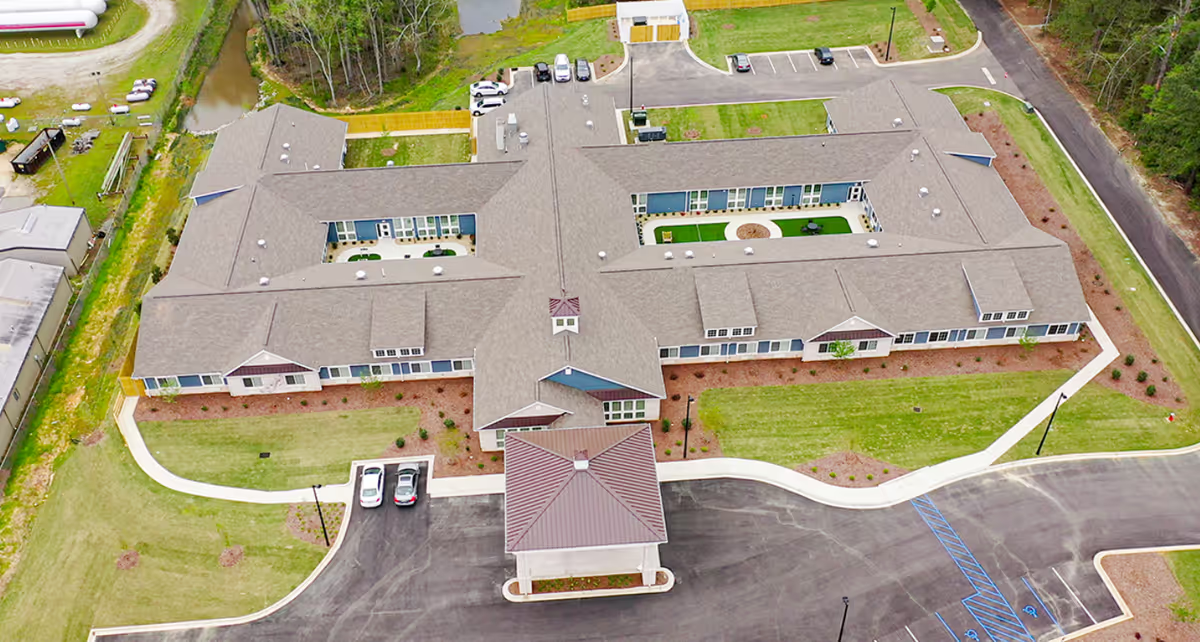
Facility condition comments vary. Many reviewers note clean, well-kept grounds, bright common rooms, and comfortable interiors; others describe parts of the building that need renovation or cosmetic attention. Transportation and appointment coordination are another mixed area: some families appreciated available van services, while others experienced canceled or rescheduled appointments and unreliable transport availability.
Management and governance show a clear pattern of change and contrast. Recent leadership changes and an accessible executive director receive positive mention for responsiveness and visible improvements. Conversely, other accounts describe prior management unresponsiveness, high turnover, and serious concerns raised by individual families — including one or two allegations of financial mishandling. These latter concerns merit direct inquiry during any decision process.
For prospective residents and families: the facility offers a strong activities program, a range of amenities, and many examples of caring staff and engaged leadership. At the same time, ask targeted questions about current staffing levels and turnover, medication administration and supply controls, dementia-care staff training and ratios, transportation reliability, and how family suggestions are handled and tracked. A guided tour, a meeting with the executive director, and a review of recent care protocols will help clarify whether the current operational practices match the positive experiences described by many families and address the operational weaknesses noted by others.