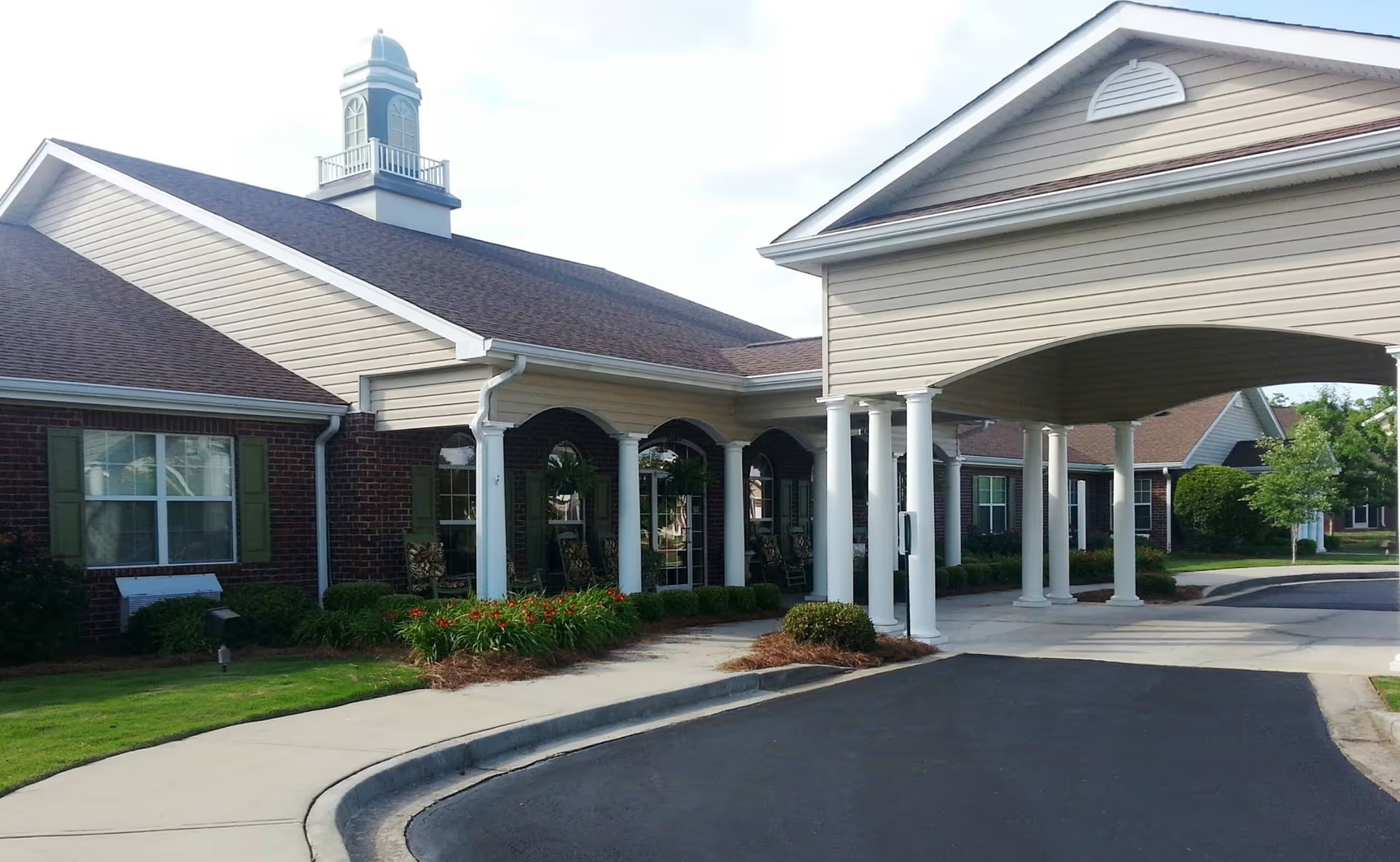
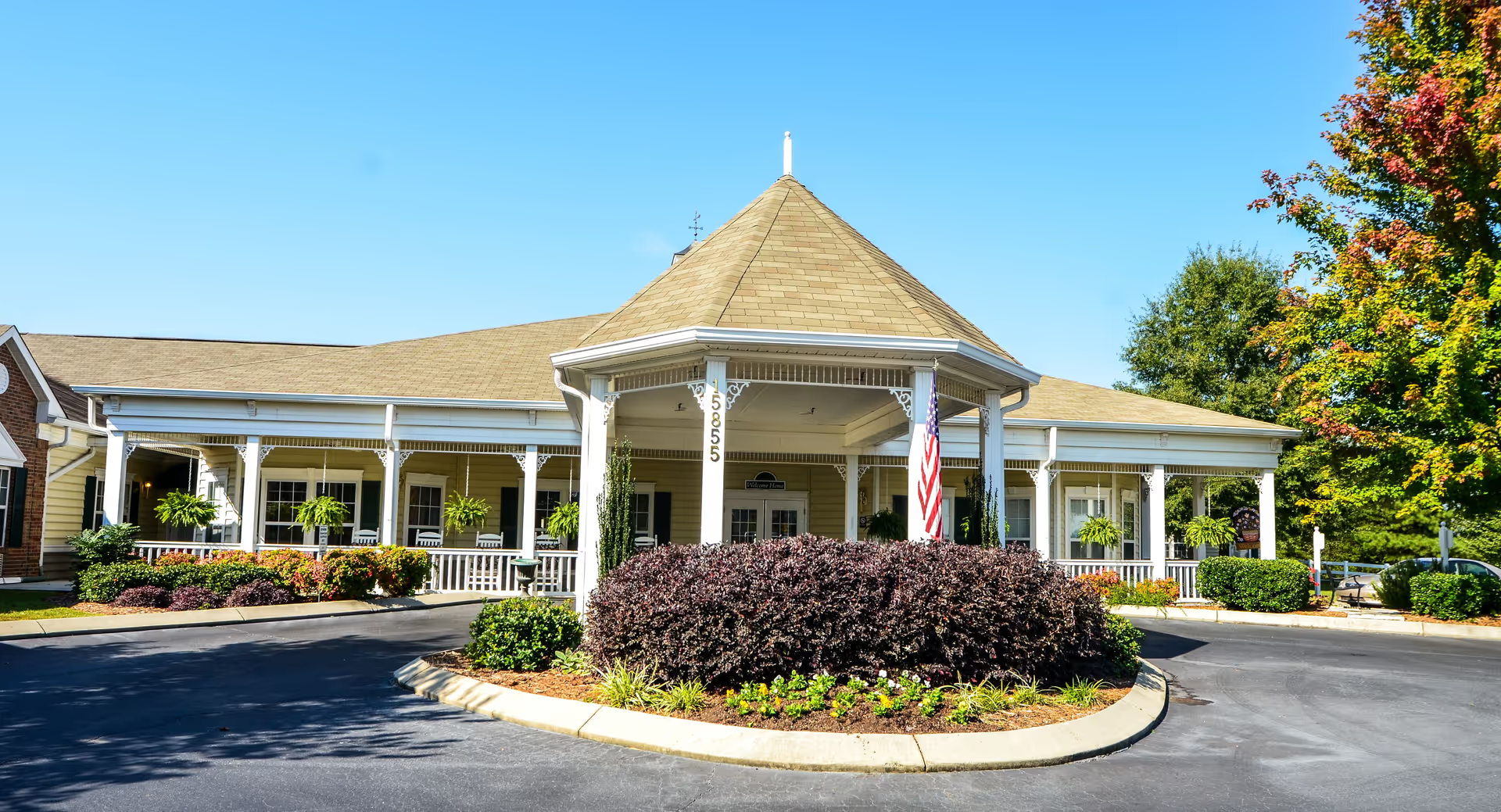
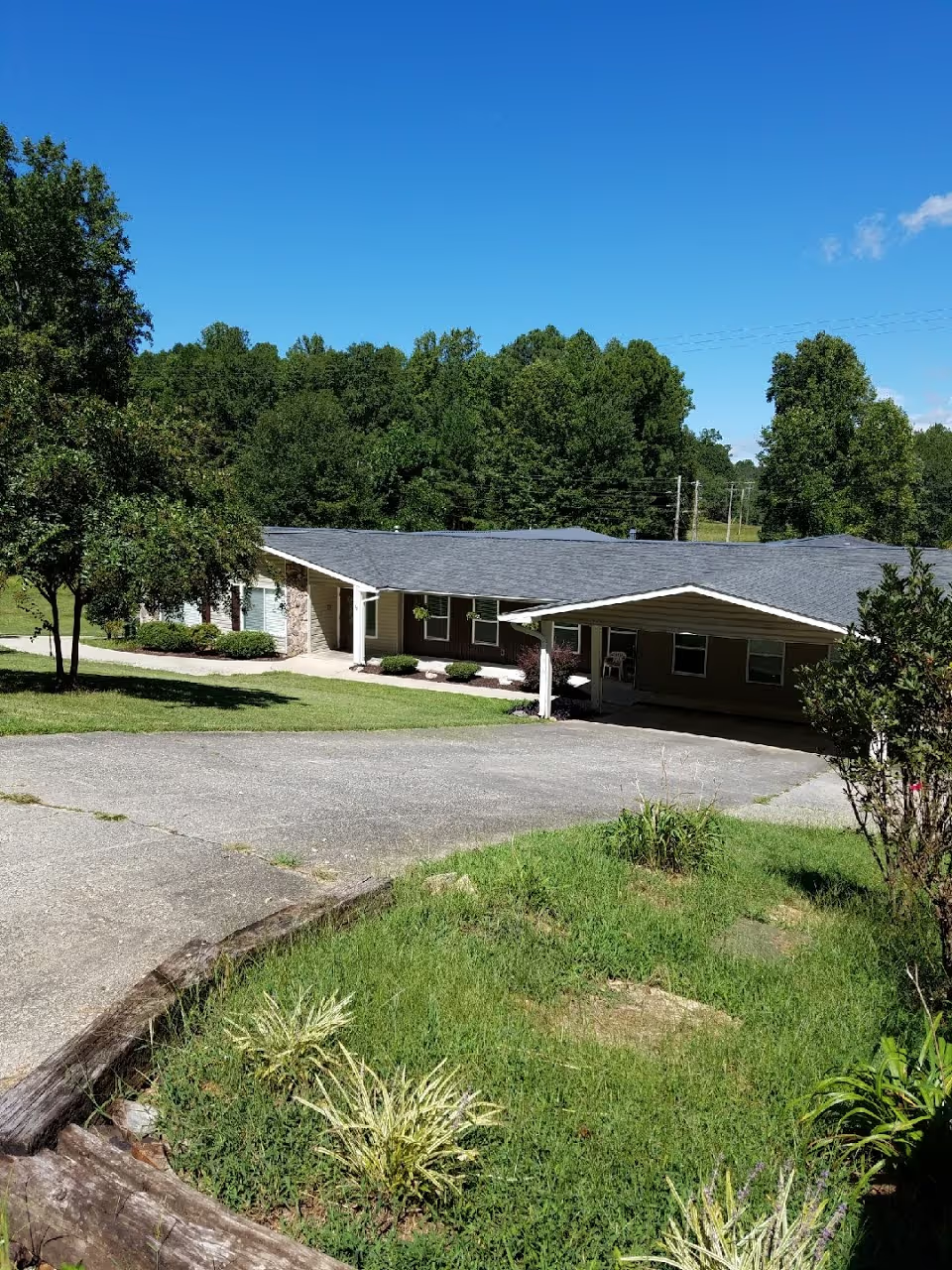
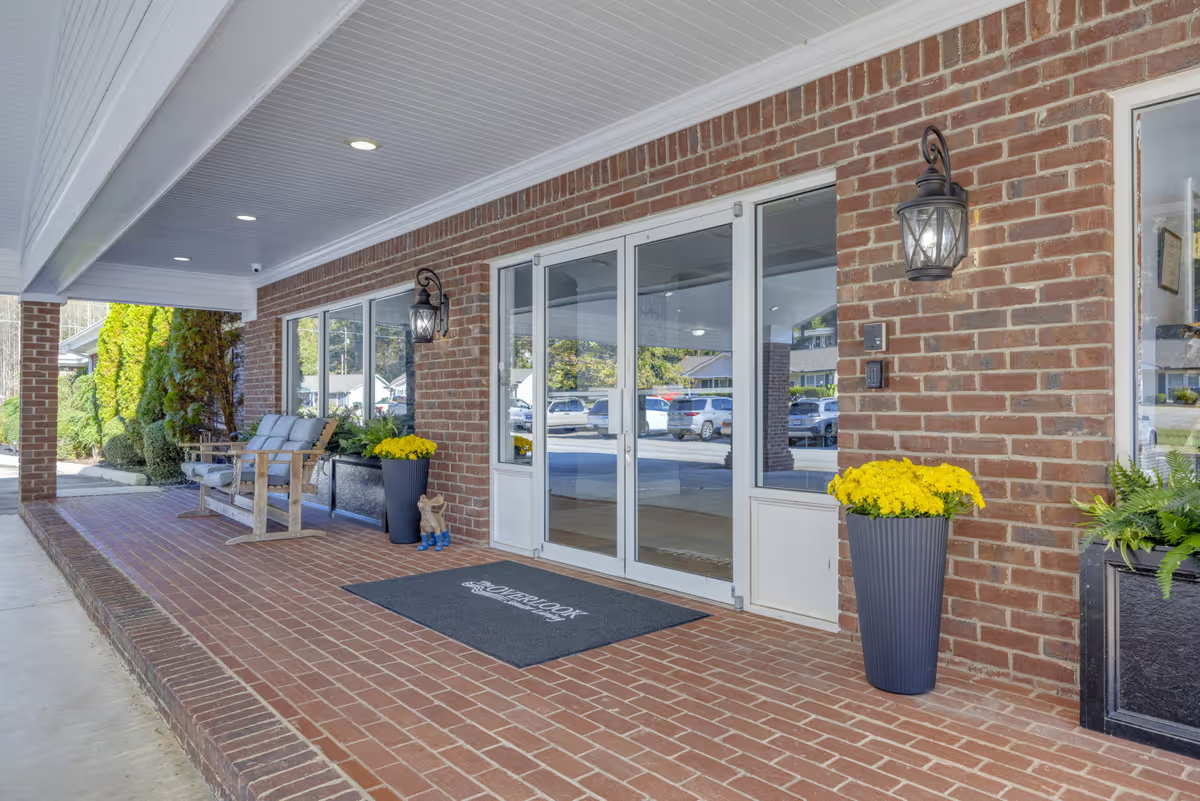
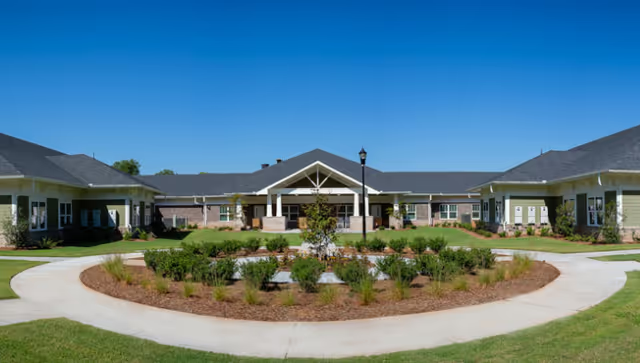
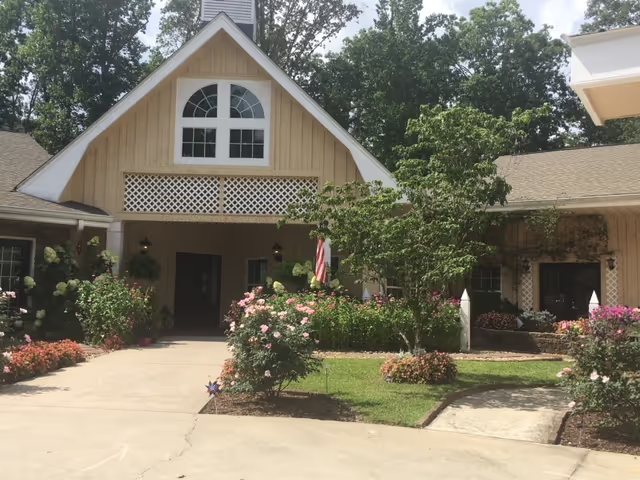
The reviews present a mixed but distinct pattern: many families praise the facility for compassionate, attentive caregiving and a homelike atmosphere, while a subset raise operational and communication concerns. Positive commentary centers on staff who provide emotional support, create a family-like tone, and offer attentive end-of-life/hospice care. Several accounts emphasize that residents experienced a strong sense of safety, well-being, and dignity during their stays, and they note clean, attractive common areas and amenities alongside home-style dining.
Care quality and staff behavior are a principal strength for many reviewers. Comments frequently highlight staff kindness, individualized attention, and an ability to support families through hospice and bereavement. These descriptions indicate consistent strengths in direct caregiving, resident comfort, and supportive interactions during transitions and end-of-life periods. At the same time, other reviewers describe instances of discourteous or unprofessional conduct and inconsistencies in how staff communicate with families, suggesting variability in staff tone and interpersonal consistency across shifts.
Dining and activities are generally viewed positively when described: reviewers mention home-cooked meals and a pleasant, homey dining experience. However, there are also accounts that point to inadequate or inconsistent meal portions or service at times, which suggests variability in meal-service continuity or staffing that affects dining reliability. Activities are less frequently discussed in these summaries but the facility’s atmosphere and amenities are described as comfortable and elder-friendly.
Facilities and cleanliness receive largely favorable comments about attractive, well-maintained spaces, though some reviews raise sanitation and cleanliness inconsistencies. Those concerns, together with reports about uneven infection-control adherence (for example, inconsistent application of COVID-related restrictions), point to operational variability in environmental services and infection-prevention practices.
Management, communication, and regulatory issues are the primary source of negative feedback. Several reviewers describe delays or unsatisfactory responses to complaints, and one reviewer noted a complaint filed with the state health authority (DHEC) alleging discriminatory conduct related to appearance. Telephone responsiveness and the tone of family communications are also cited as problematic in some accounts. Together these items suggest gaps in managerial follow-through, family engagement protocols, and consistent enforcement of staff conduct standards.
For prospective residents and families: the facility appears to offer strong, compassionate direct care and a comfortable, home-like environment in many cases, particularly for residents receiving hospice support. At the same time, the pattern of comments indicates variability in staff conduct, sanitation practices, meal-service consistency, infection-control adherence, and management responsiveness. An in-person visit is recommended to assess current staffing patterns and cleanliness; families should ask management about staff training for communication and dignity, complaint-resolution processes, infection-control protocols, meal-service schedules, and recent regulatory reviews or corrective actions.