The reviews present a mixed picture of care at Cedar Retirement Center. Positive notes center on direct caregiving: many reviewers described staff as friendly and attentive, with on-site personnel generally available and an open visitation approach. Dining receives favorable mention for timely hot meal delivery and menu variety. Several families used language indicating a caring environment and respectful resident–staff interactions in routine care situations.
At the same time, a consistent pattern of operational concerns appears across the input. Communication systems and family outreach are prominent weaknesses: reviewers described difficulty reaching the facility by phone, voicemail problems, restricted phone access for families, and limited updates about hospitalizations or changes in resident status. These issues translate into perceived delays in clinical communication and uncertainty for relatives seeking information.
Staffing and clinical practice impressions are mixed. While direct care staff are often characterized as compassionate, multiple reviewers reported inconsistent responsiveness, questions about medication administration follow‑up, and concerns about professional presentation and conduct. Management visibility and accountability were also raised: comments describe limited managerial presence and a sense that supervisory oversight could be improved to address day‑to‑day issues.
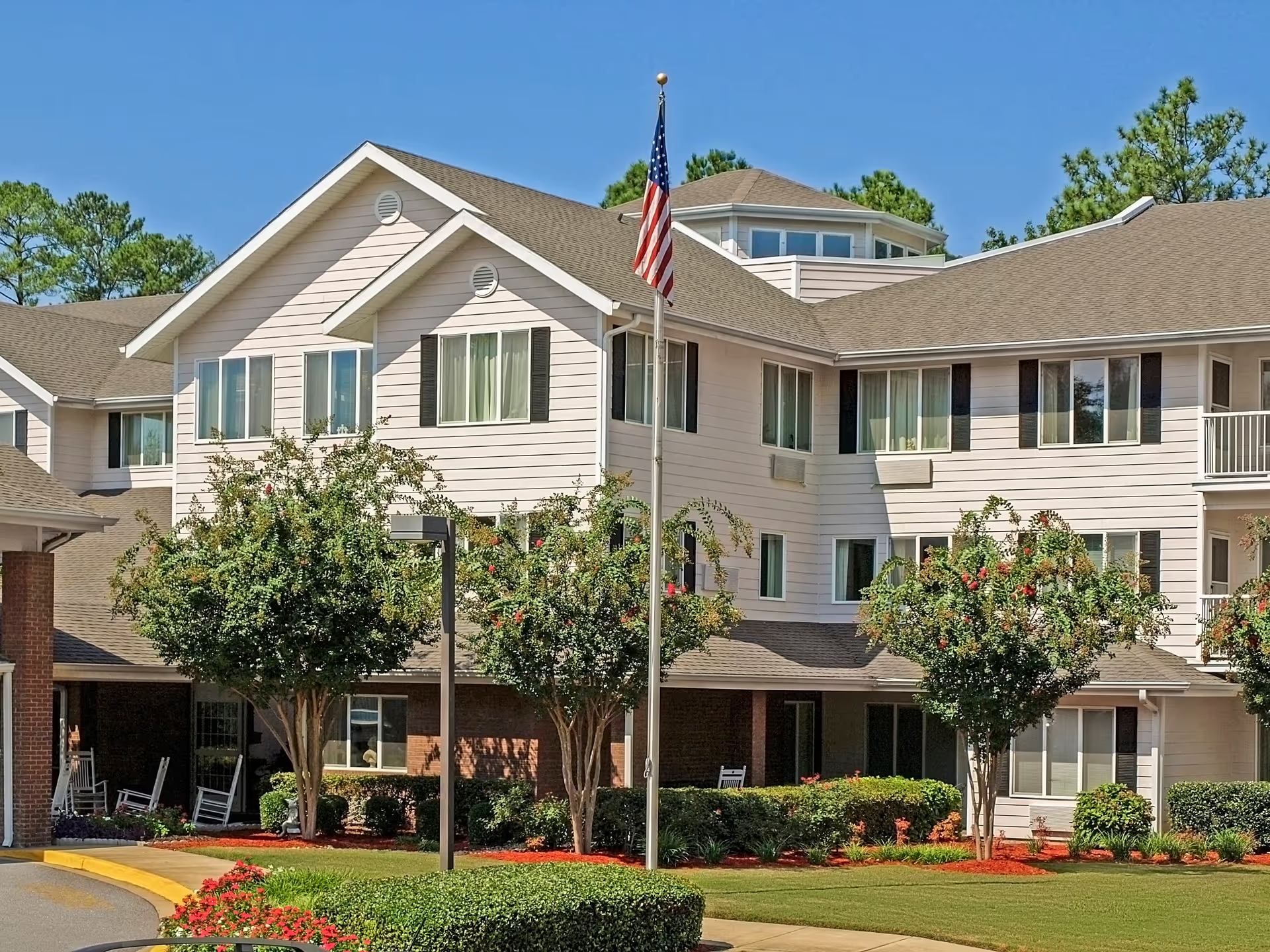
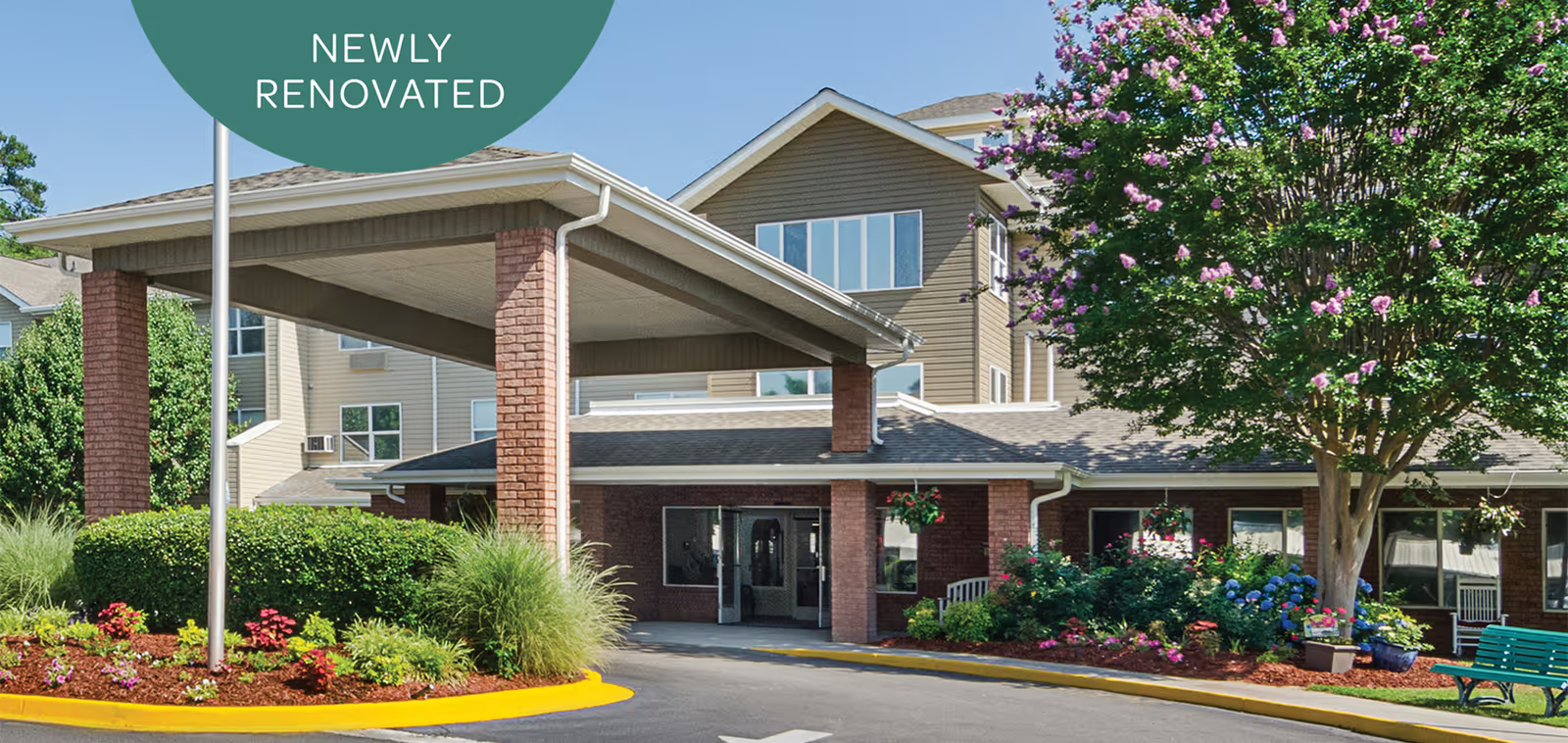
Facility and safety concerns recur in the summaries. Cleanliness and maintenance were praised by some, but several reviewers identified sanitation and pest‑control concerns in common areas, odor concerns, and an overall dingy or poorly lit appearance in places. Physical safety issues — for example, damaged exterior walkways — were noted as hazards needing repair. Overcrowding and high resident-to-bathroom ratios were described as contributors to diminished privacy and comfort for residents.
Programmatic offerings and policy clarity appear uneven. Reviewers cited a lack of organized recreation leadership and limited activity programming, alongside rules that families found poorly explained. Visitation policies were described as inconsistent by some families, increasing frustration during times when communication and access were most needed.
Taken together, the pattern suggests a facility where direct caregiving staff may provide compassionate day‑to‑day attention and meals are generally reliable, but where systemic issues — notably family communication, management oversight, facility maintenance, sanitation controls, and activity programming — undermine overall confidence for some families. Prospective residents and their families would likely benefit from an in‑person visit that probes these areas specifically: ask about phone and family‑notification protocols, staffing ratios and supervision, medication‑management processes, housekeeping and pest‑control schedules, activity programming and the recreation director role, and planned repairs for identified safety hazards. Checking recent inspection records and asking for documentation of corrective actions may also help evaluate whether operational concerns have been addressed.