Good Samaritan Health & Rehab presents a mixed but clarifying picture: many families and residents emphasize strong clinical rehabilitation and a number of long-standing strengths, while other experiences highlight operational inconsistencies that prospective families should evaluate closely.
Care and clinical outcomes: The facility appears to have a capable rehabilitation focus. Multiple accounts praise physical, occupational, and speech therapy teams for helping residents regain mobility and function; reviewers describe measurable improvements, successful discharges, and therapy staff who go above and beyond. Nursing and technician staff earn frequent positive comments for compassionate hands‑on care, routine personal-care tasks, and creating a reassuring environment for families seeking continuity of care. At the same time, there are substantive concerns about medication management — including delays, cancelled orders, and lapses in pharmacy coordination — that suggest variability in clinical processes and warrant direct inquiry during a tour.
Staff, safety, and communication: Staffing is a clear area of divergence. Many narratives describe dedicated, family‑like staff relationships and steady caregivers who provide peace of mind. Conversely, other accounts point to staffing instability and turnover, inconsistent responsiveness to family calls, and gaps in post-incident follow-up. Safety-related operational weaknesses are reported, including transfer and fall-safety practice shortcomings; these indicate a need to review staff training, transfer protocols, and incident-report pathways. Additionally, there are serious service-administration concerns such as billing problems and at least one allegation of staff theft that argue for asking about property safeguards and financial controls.
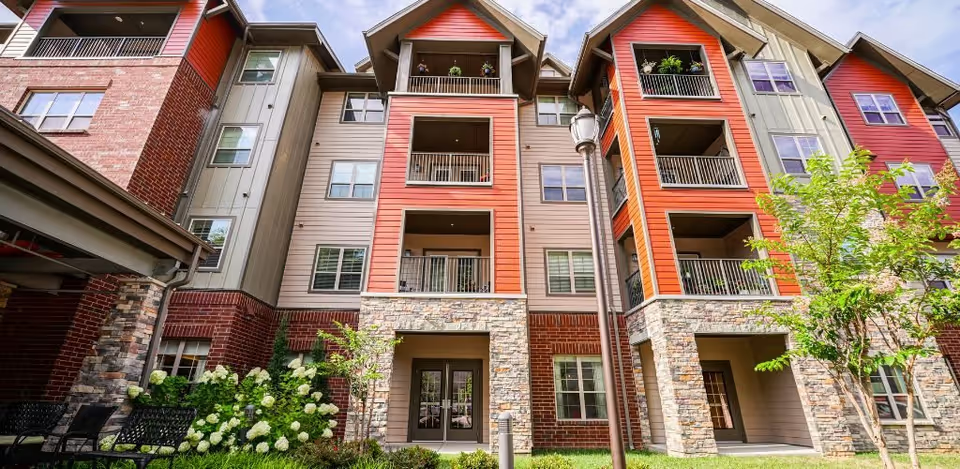
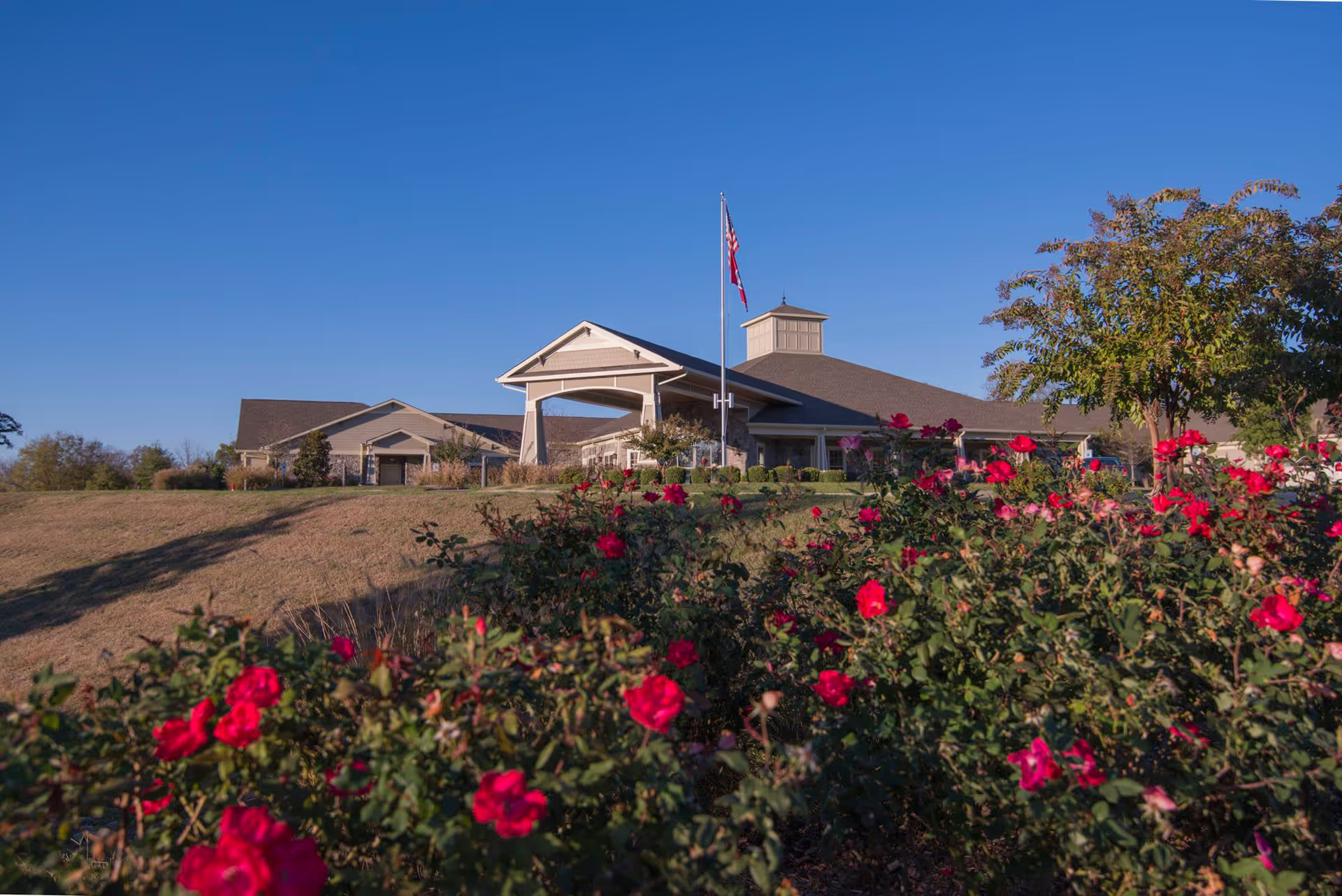
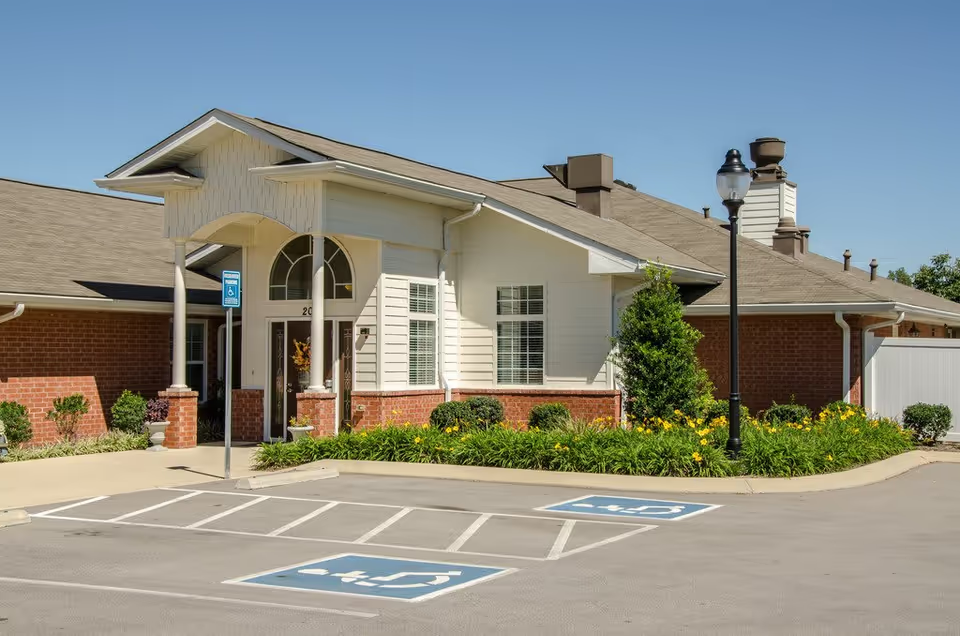
Dining, activities, and environment: The facility offers active programming, daily laundry, and social activities that many residents appreciate; diet staff are noted for accommodating individual preferences. However, dining quality appears inconsistent across stays, with some families expressing dissatisfaction with meals or kitchen responsiveness. Facility condition feedback is mixed as well — while many reviewers describe clean, home-like common areas, others flagged irregular cleanliness and odor control in particular areas and inconsistent enforcement of smoking and public‑area policies. Those contrasts suggest variability between units or shifts rather than a single uniform standard.
Management and patterns to probe: Leadership and administration receive both praise and critique. Some reviewers commend responsive administration and positive changes under new ownership; others describe rude front-desk interactions, slow responsiveness to concerns, and insufficient communication around care or billing issues. Taken together, the reviews indicate strengths in rehabilitation and several committed staff members, but recurring operational themes — medication systems, staffing consistency, cleanliness and odor management, safety practices, and billing/security controls — should be explored directly.
Practical recommendations: Prospective residents and families should tour the building at different times of day, ask for current staffing ratios and turnover data, review medication-administration and pharmacy procedures, observe dining service and common-area cleanliness, and request written policies on smoking, incident reporting, and property safeguards. Ask management for recent inspection reports and examples of corrective actions taken after incidents. These steps will help distinguish the facility’s strong rehabilitation resources and dedicated caregivers from the operational variability noted in other accounts.