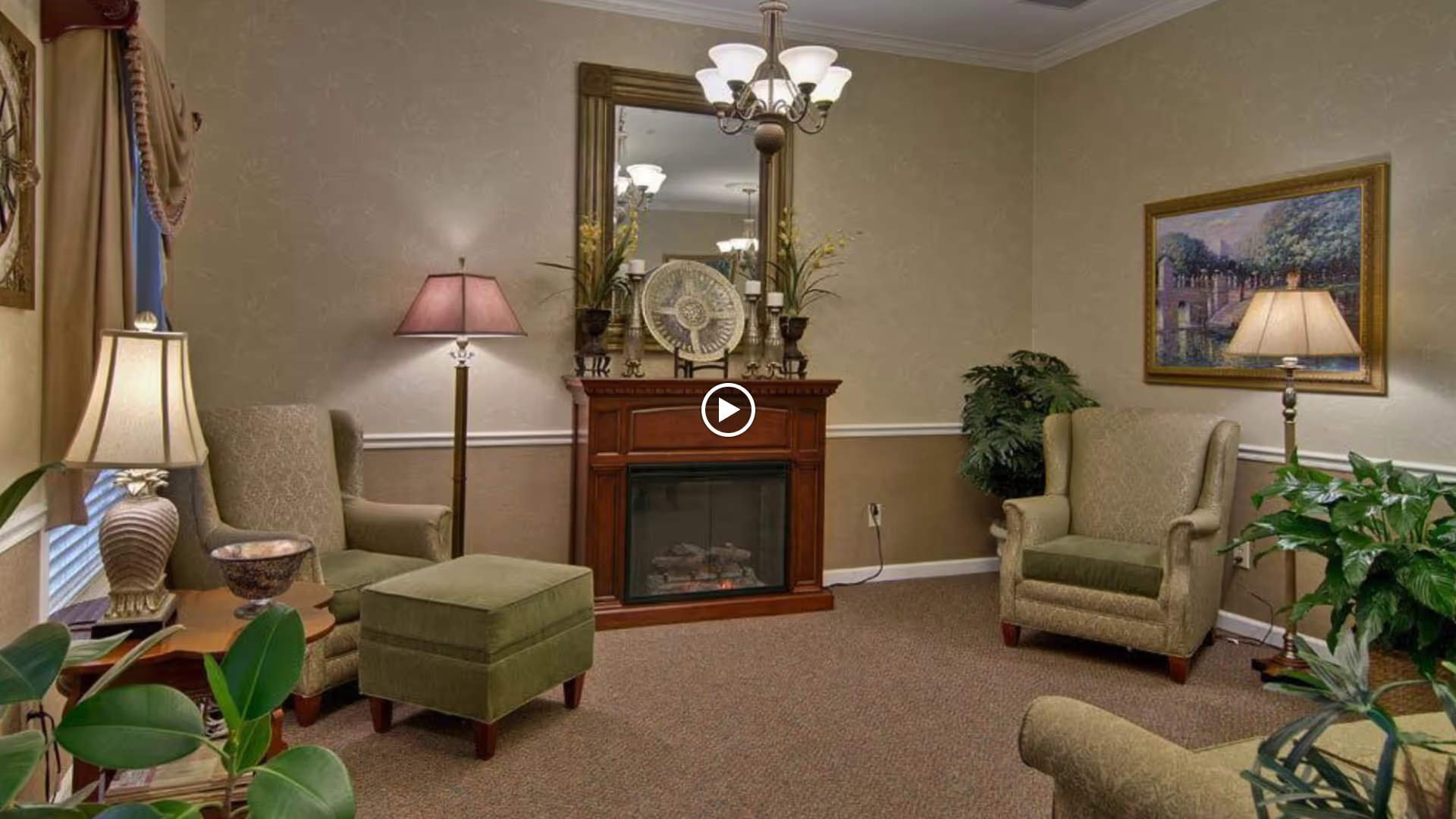
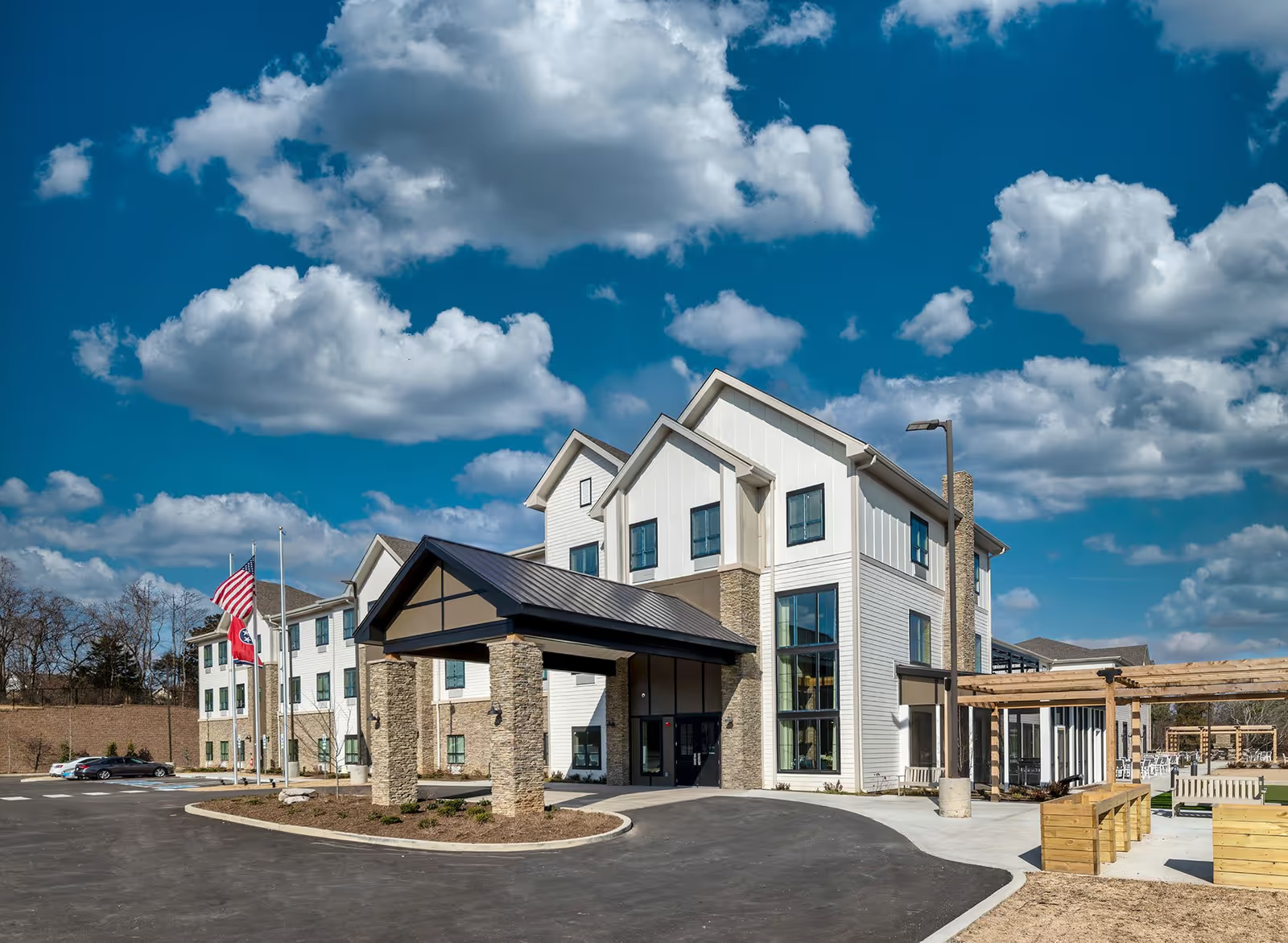
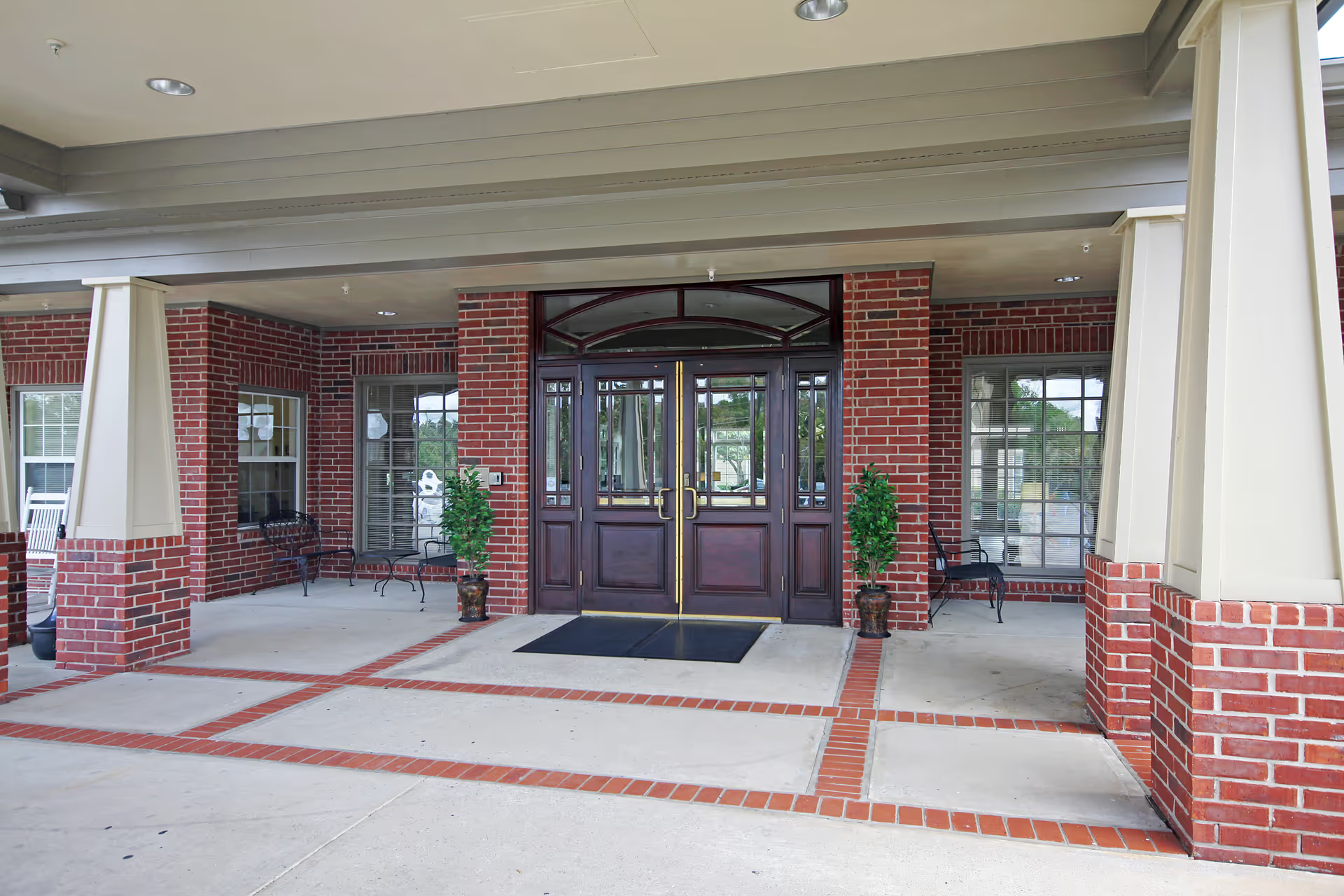
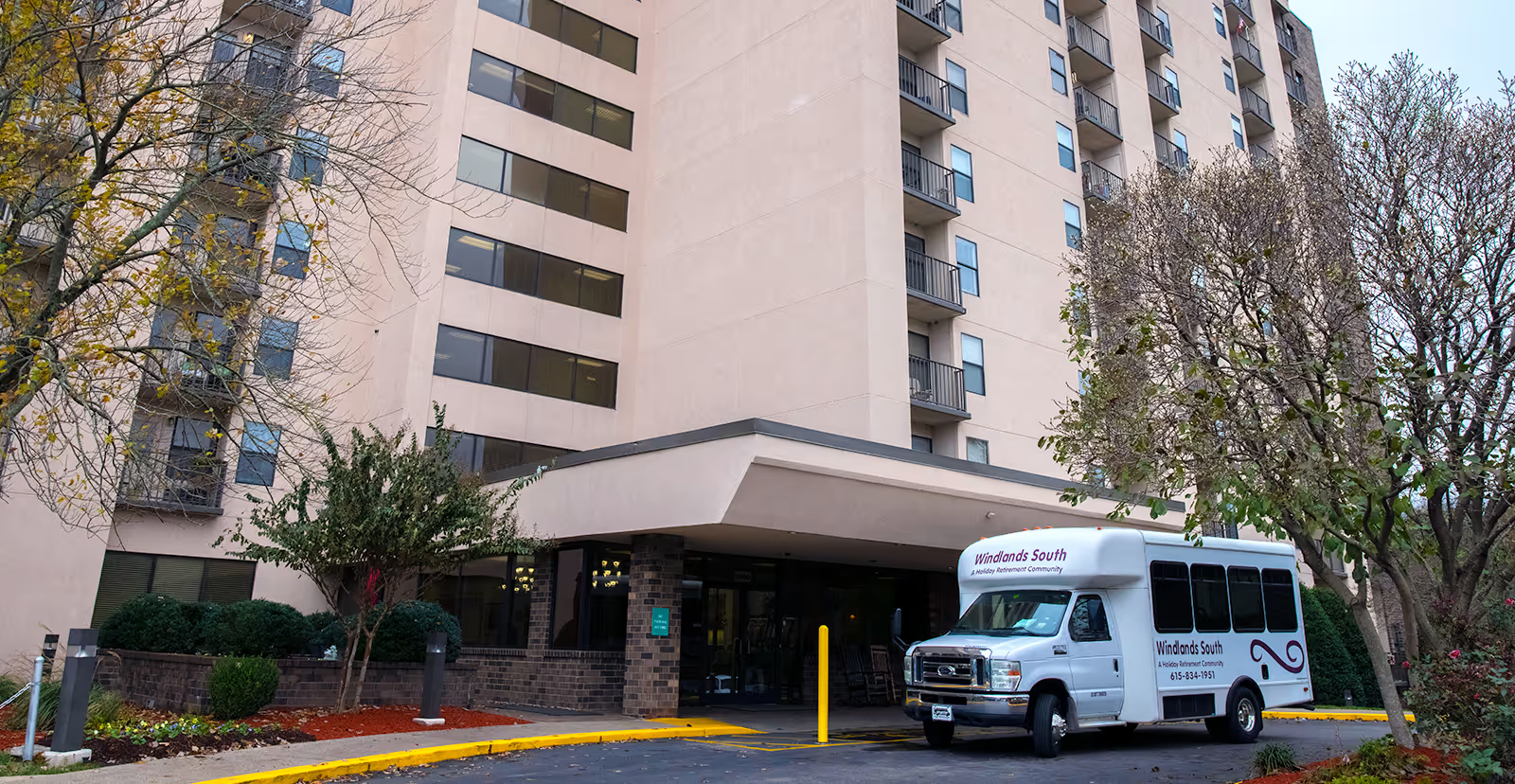
Overall impression Azalea Court presents as a small, home‑style assisted living community with a largely positive reputation for bedside caregiving and communal warmth. Many families described attentive, compassionate staff and a home-like atmosphere; several accounts highlight staff who went beyond routine duties and strong family involvement in care decisions. The physical environment is often described as clean and well-maintained, with private studio and one-room units, secured entry systems, outdoor gardens, and accessible transportation for outings.
Care and staff Clinical and personal-care quality is commonly cited as a strength: reviewers frequently praised caregivers and nursing staff for responsiveness, dignity, and individualized attention. That said, staff performance appears variable across time and units. Families reported both exemplary, continuity-focused caregiving and episodes where staff conduct or responsiveness raised concerns. High turnover and intermittent communication gaps were mentioned as factors that can reduce continuity. Several reviewers also commended the community’s pandemic-era efforts and instances where dietary or care staff went above and beyond.
Dining and activities Dining receives mixed feedback. Many residents and families found meals fresh, well-presented, and offered with choices; others described uneven food quality and questioned whether meal value matched cost. The activity program is a clear asset in many accounts: frequent social events, resident-led outings, board games, parades, and regular off‑premises lunches and sightseeing trips contribute to socialization. However, activity offerings appear inconsistent in frequency and cognitive appropriateness for memory-care residents in some descriptions, with occasional reports of limited programming on slower days.
Facilities and operations Facility upkeep of common areas and dining spaces is commonly praised, but operational weaknesses emerge. Reviewers noted supply-management lapses (missing paper products or linens), inconsistent housekeeping and trash removal, and maintenance delays such as slow replacement of bulbs and limited climate control in some rooms. The building layout is described as somewhat choppy with small rooms in places; private studios with en-suite baths are available but can be costly. Security features (alarms on doors) and pet-friendly outdoor spaces are positive practical attributes.
Management, pricing, and capacity Cost and capacity are recurring themes. Several families described the community as expensive and noted negotiation over rates; the facility also has limitations in higher-acuity care and will not accept residents requiring skilled nursing, which affects placement options. Concerns about administrative priorities surfaced in perceptions that management can be money-focused, and there were isolated mentions of missing personal items that point to gaps in asset management or documentation. Communication about medication management and responsiveness to medication-related concerns was highlighted as an area needing clearer protocols and more consistent family communication.
Notable patterns and decision guidance In sum, Azalea Court appears to offer strong person-centered care and a warm social environment for many residents, with clean facilities and active programming. The most consistent operational drawbacks are variability: in meal quality, housekeeping and supplies, maintenance response times, activity consistency (especially for cognitive needs), staff turnover, and management transparency on pricing and limits of care. Prospective residents and families should prioritize an in-person tour that verifies climate control and room size, ask for specifics about medication protocols and staffing continuity, clarify housekeeping and supply routines, and confirm the facility’s ability to meet any anticipated higher-acuity needs before committing.