Overall impression: Reviews present a mixed but mostly positive view of Maristone of Providence, with frequent praise for day-to-day caregiving, activities, and facility condition alongside recurring operational concerns. Many families describe clear strengths in the community’s social programming, personal-care offerings, and the physical environment. At the same time, there are repeated comments pointing to inconsistencies in staffing, supervision, and certain service areas that prospective families should clarify during a tour.
Care and staff: A substantial number of accounts describe caring, responsive staff who provide medication administration, bathing assistance, vital-signs monitoring, therapy, and individualized attention. Long-tenured department heads, team-based caregiving, and examples of staff going above and beyond are commonly cited. Conversely, reviews also indicate variability in staff conduct and responsiveness: some families experienced delayed call-button responses, frustrated interactions, and uneven performance on night shifts. There are specific concerns about supervision and clinical oversight in memory-care and overnight hours, and a pattern of staffing shortages that sometimes results in families filling care gaps.
Dining and activities: The community is frequently recognized for an active and engaged activities program, often led by a dedicated director, with a wide range of offerings (exercise, devotional visits, outings, holiday events). Dining is generally described as plentiful and well-presented, and some families highlighted adapted meals for chewing difficulties. However, there is variability in meal quality and menu flexibility; a number of reviewers noted limited dinner options, inconsistent accommodation of special requests, and occasional dissatisfaction with food service.
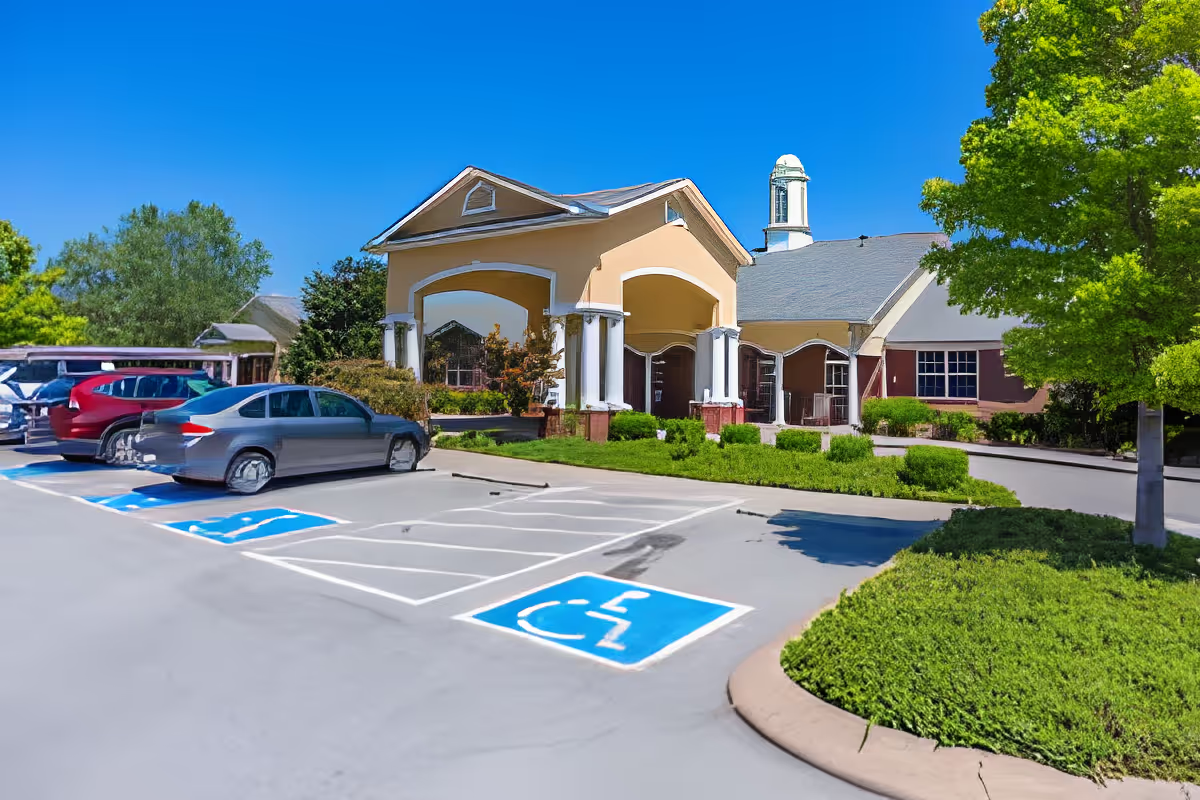
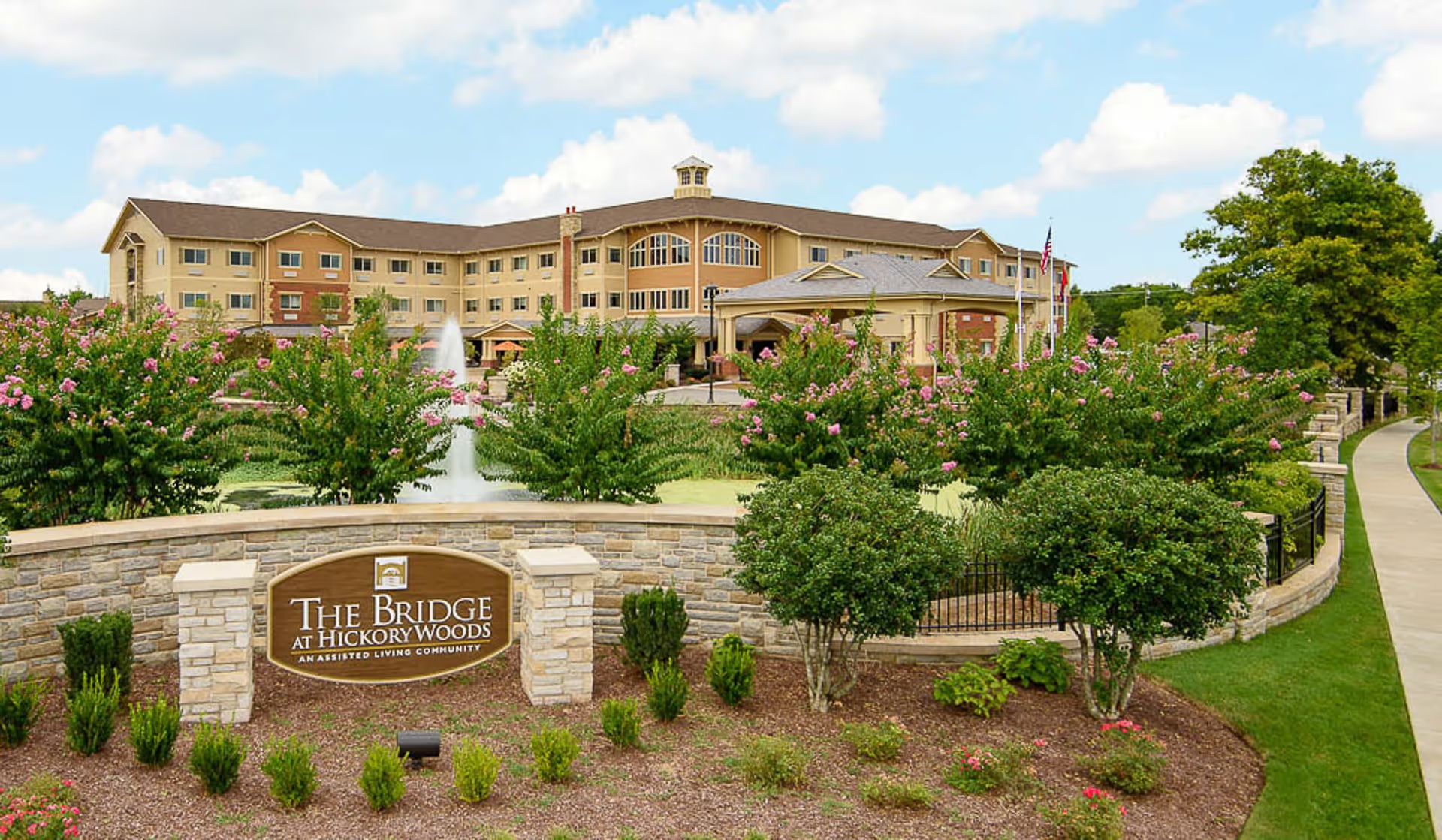
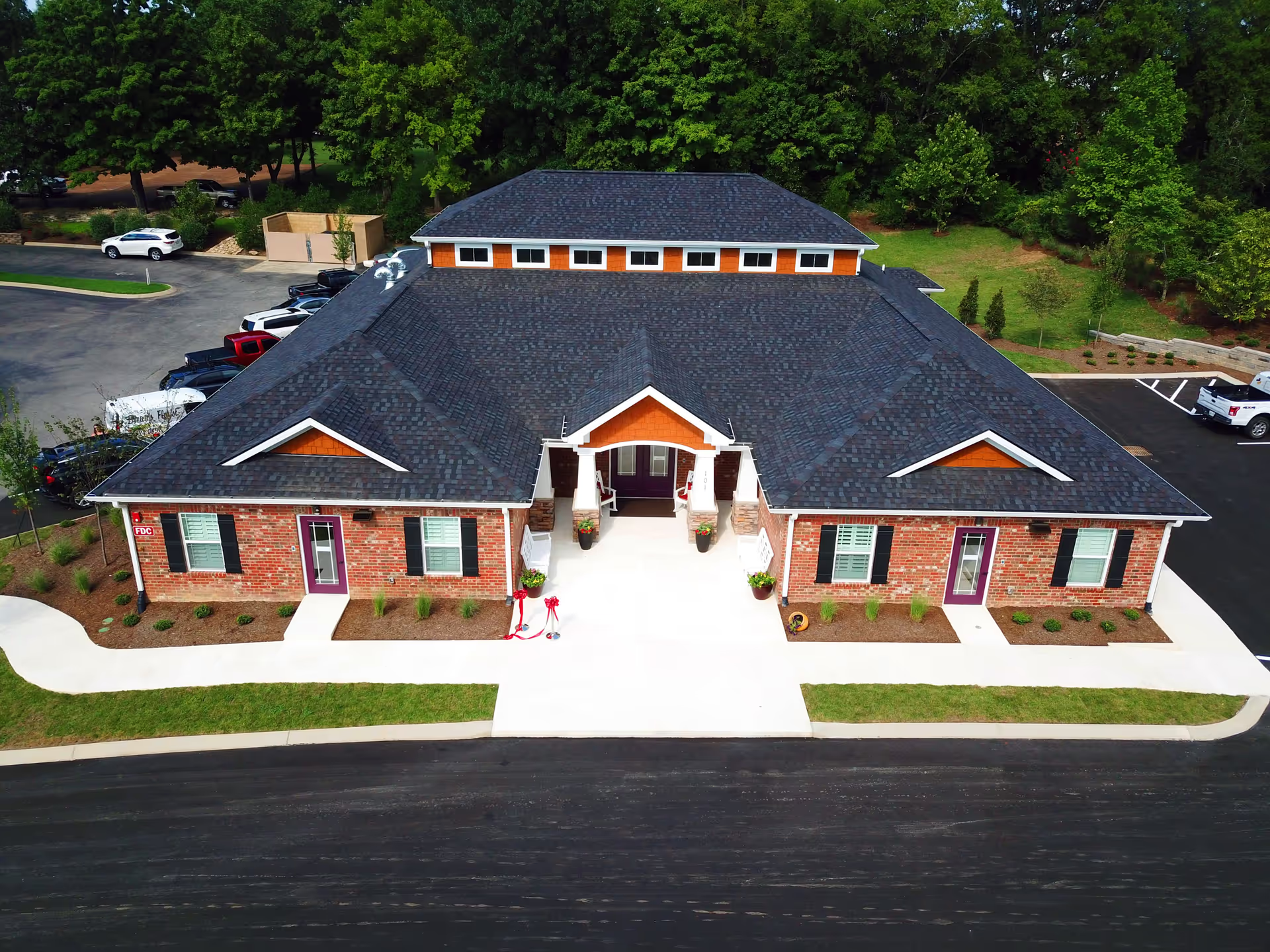
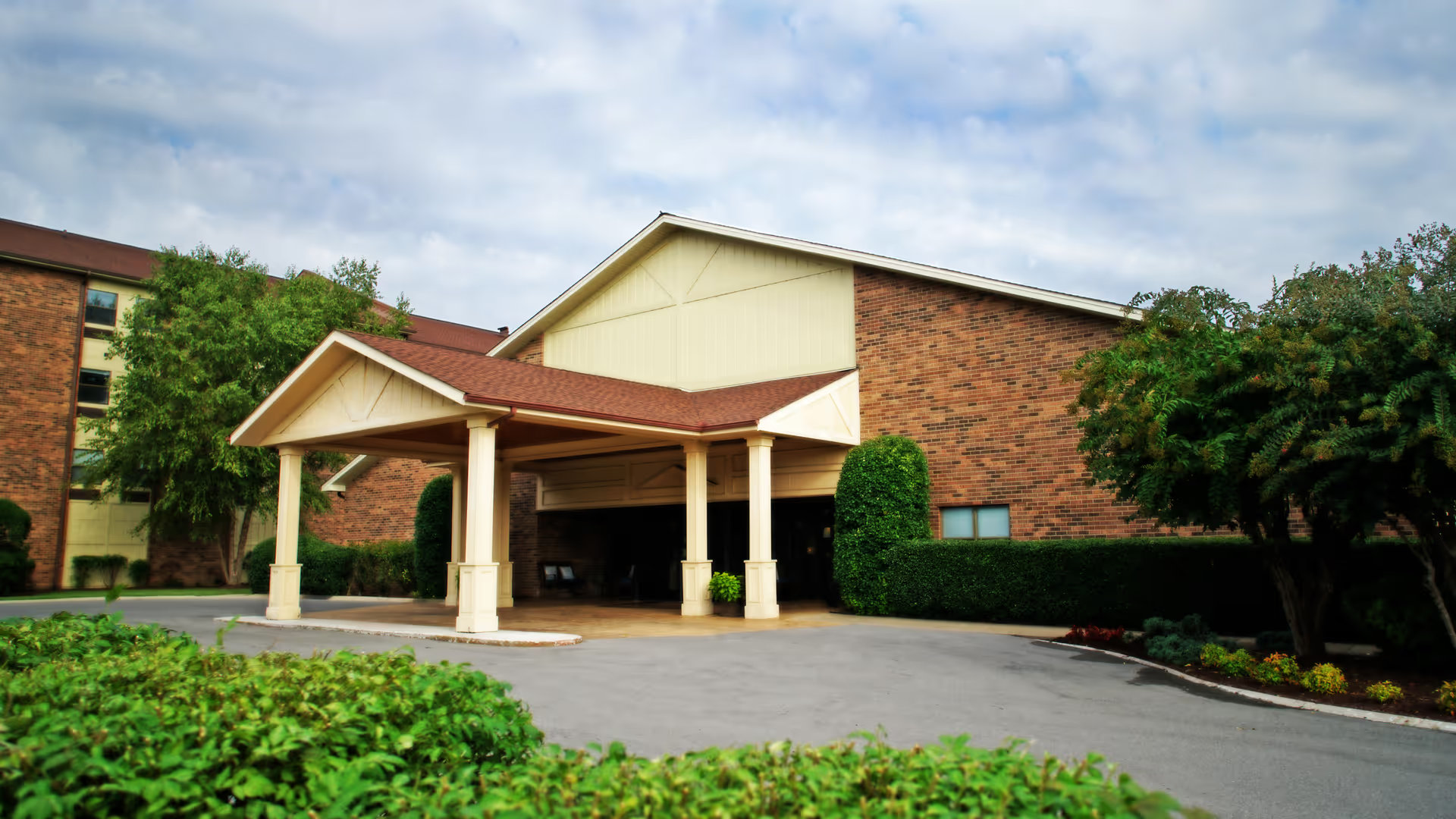
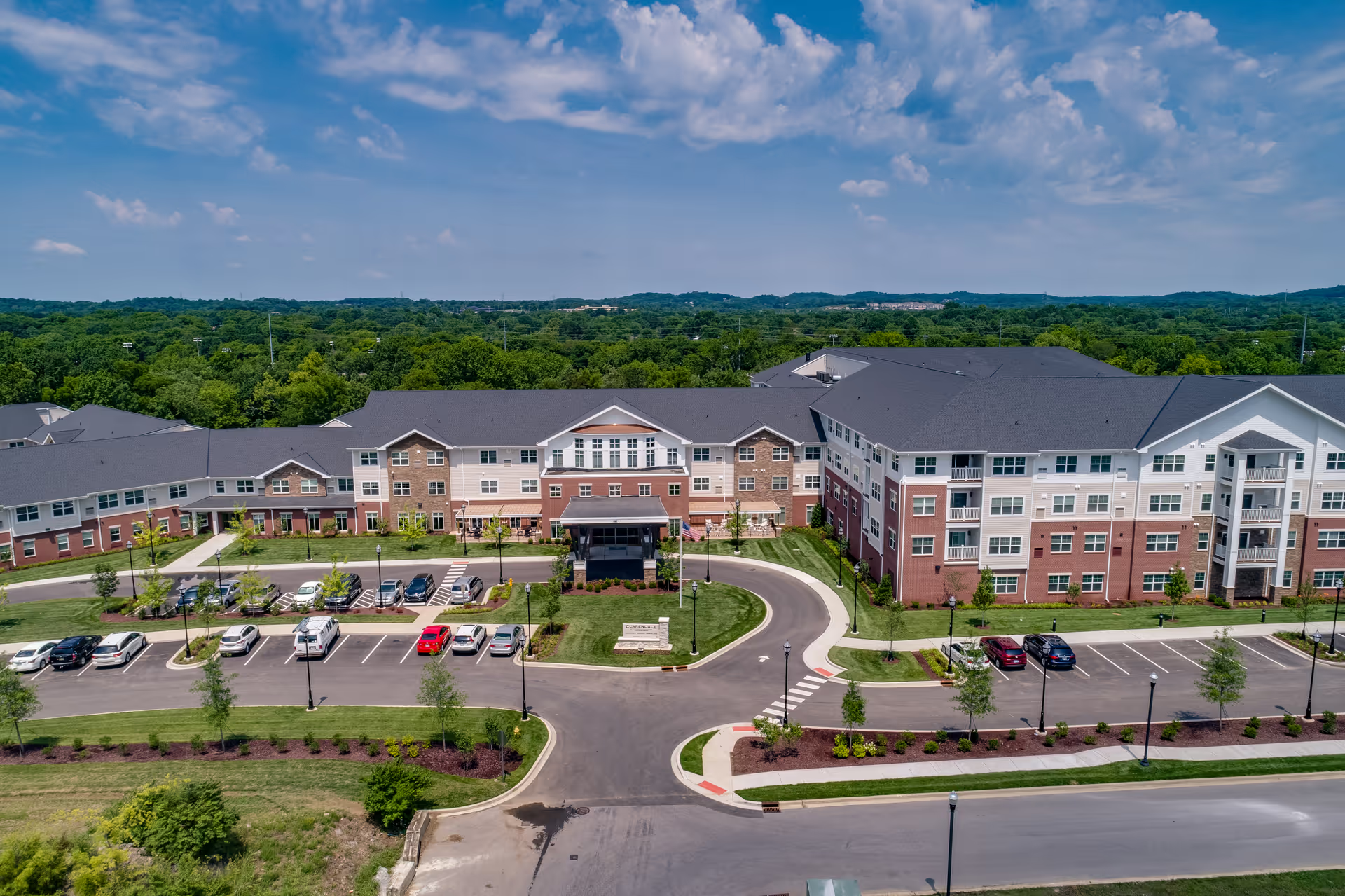
Facilities and services: The physical plant is often described as clean, modern, and well maintained, with renovated interiors, spacious apartment choices, accessible shared spaces, salon services, and on-site therapy. Housekeeping and laundry services are repeatedly praised. At the same time, a subset of comments raises sanitation and odor concerns in particular areas, and outdoor/grounds maintenance received mixed feedback. Limited availability of preferred unit sizes was noted as a practical constraint for new residents.
Management and operational patterns: Reviews describe variability in leadership and policies over time, with some families noting improved management and others referencing turnover and confusing changes. Operational weaknesses appearing across narratives include inconsistent staffing levels (especially overnight), slow clinical-response times, variability in memory-care programming and oversight, and additional fees for certain medication services. A few reviews referenced emergency-preparedness and evacuation-practice worries, which suggests visitors should ask about drill schedules and evacuation plans.
Notable patterns and recommendations for families: The data show a polarized pattern — many strong endorsements for daily care, activities, and the lived environment coexist with concentrated concerns about staffing consistency, nighttime coverage, and certain service processes. Prospective residents and families should tour the community, observe meal service and common areas, and ask specific operational questions: night-shift nurse coverage and average staff-to-resident ratios, call-button response times, memory-care staffing and programming, medication-administration protocols and associated fees, recent inspection or complaint history, and emergency-preparedness procedures. Verifying these operational details will help align expectations with the aspects of Maristone that reviewers most frequently praised and those they most often flagged as inconsistent.