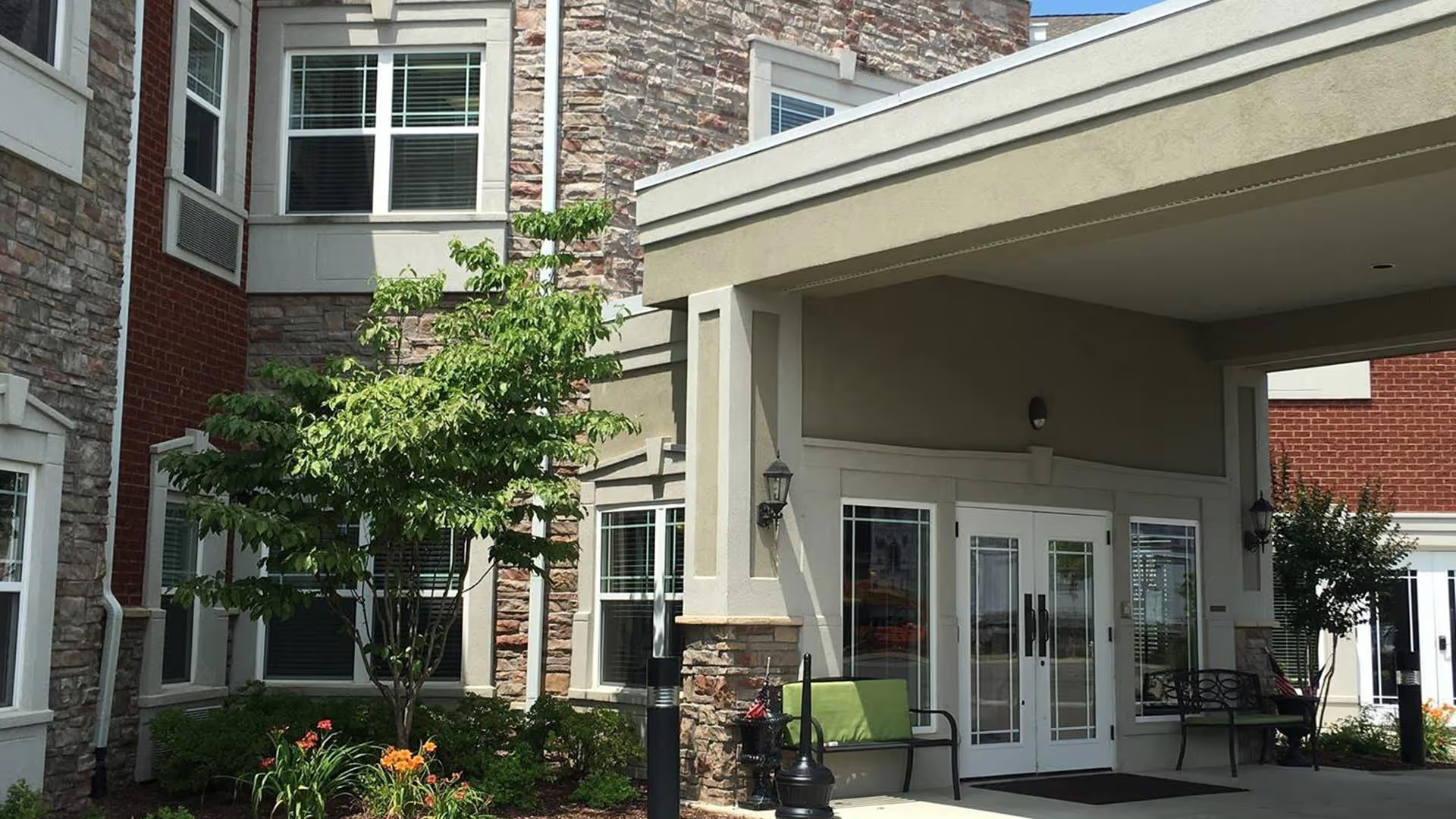
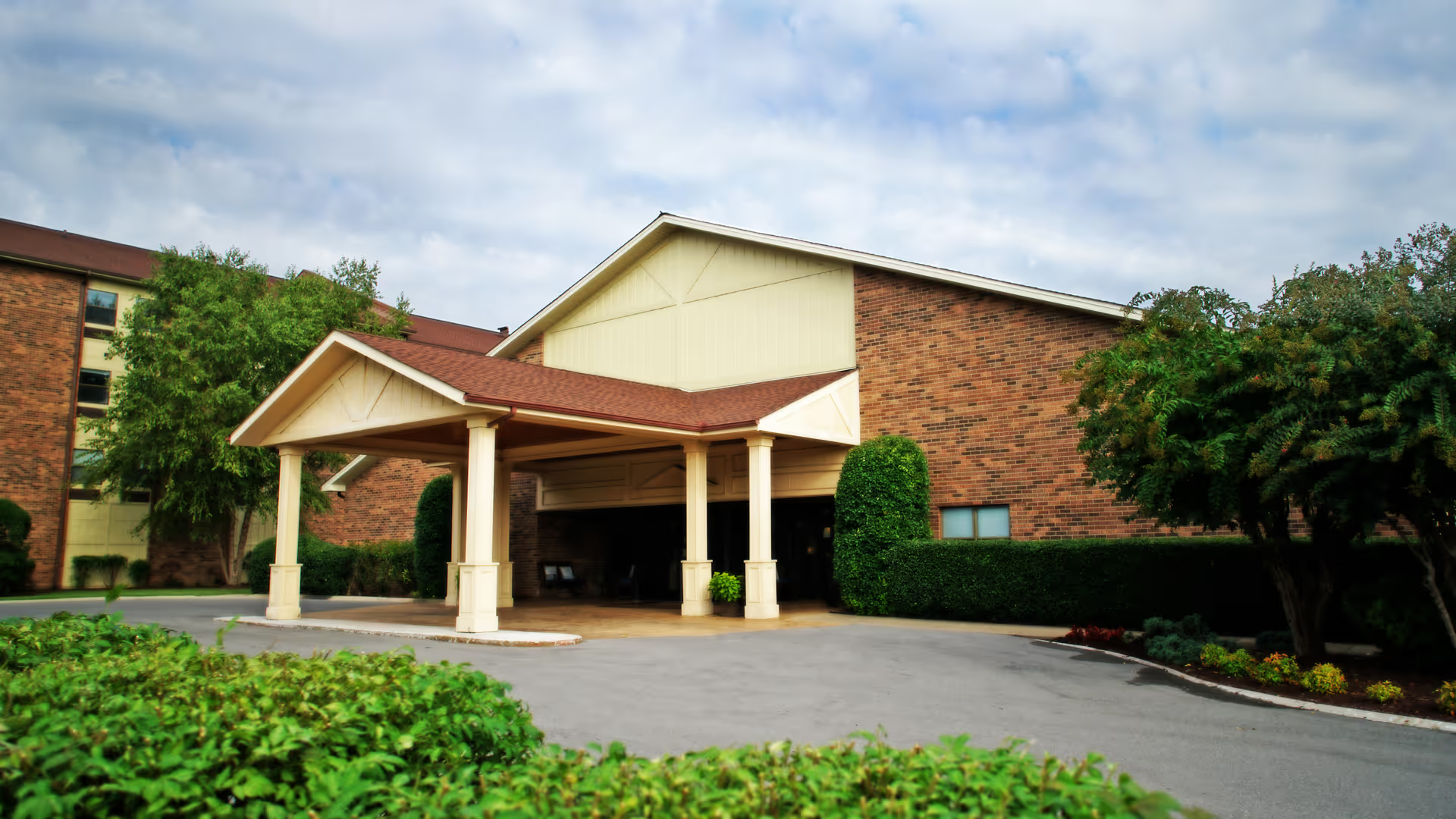
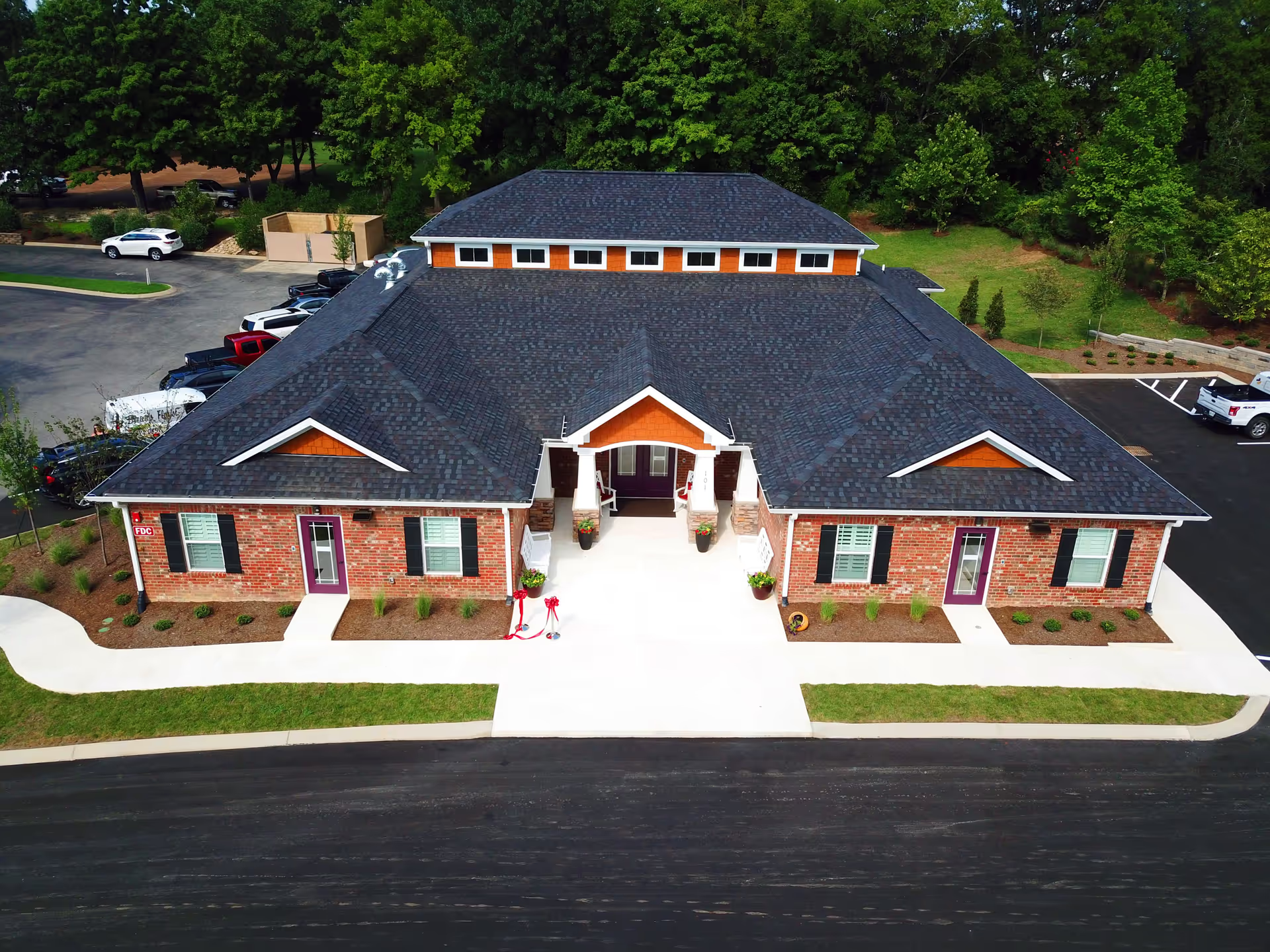
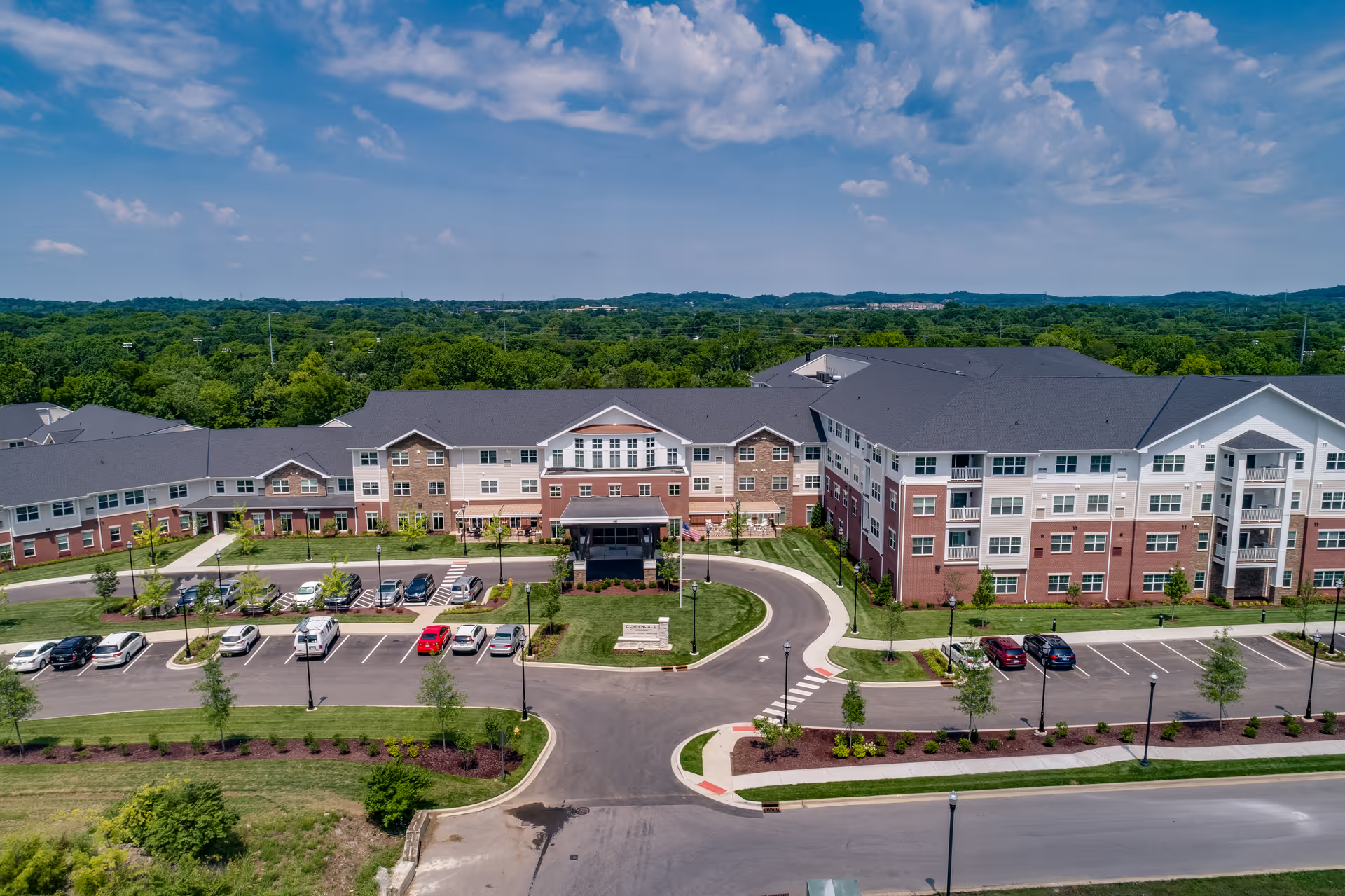
Charter Senior Living of Hermitage elicits a mixed but distinct set of themes. Many families describe a bright, well-kept campus with a small-community feel, private villa options, and walkable single-level layouts that support oversight and resident mobility. The community offers an active activities calendar, transportation for outings, an on-site salon and therapy services, and a centralized courtyard that reviewers found appealing. Several front-line staff members and named caregivers receive consistent praise for compassionate, family-oriented care and clear communication; those attributes are cited as core strengths that make the community feel welcoming for many residents.
Care quality and clinical oversight are the areas with the most variability in the reviews. Positive accounts highlight attentive caregiving, successful dementia programming, and effective family updates; however, other families described inconsistent clinical monitoring for residents with complex medical needs (notably diabetes and higher-acuity dementia cases). Reviews point to medication- and pharmacy-coordination gaps, occasional failures in clinical escalation, and instances that suggest weaknesses in incontinence-care processes and unit-level sanitation. These issues are presented as operational patterns rather than isolated praise or criticism — they indicate that outcomes can differ depending on staffing, shift, and leadership engagement.
Dining and nutrition present a similar mix. The facility has an on-site chef and an attractive dining room that some families enjoy, but numerous reviews note inconsistent meal quality, temperature issues, and a lack of reliably available therapeutic or diabetic menu choices. There are also comments about service delays and missed or irregular meal delivery at times, suggesting that meal-service continuity and special-diet accommodations are areas to verify during a tour.
Management, leadership, and operational consistency are recurring themes. Many reviewers praise individual managers and caregivers for hands-on responsiveness and excellent family communication; at the same time, there are repeated observations about leadership responsiveness lapses, insufficient pre-move-in assessments, pressured admissions experiences, and turnover in management or culinary leadership. A subset of reviews raises serious financial concerns and billing disputes; given the gravity of those claims, families should request clear documentation of billing practices and grievance procedures. Maintenance and cleanliness are generally noted as strengths in common areas, but a number of comments point to unit-level maintenance or cleanliness inconsistencies that merit inspection during a visit.
For prospective residents and families: Charter Hermitage offers several clear strengths — a small, engaging community, solid programming, and staff members who are highly valued by many families. At the same time, the facility appears to struggle with operational consistency around clinical oversight, medication coordination, therapeutic dining options, and leadership follow-through. Recommended next steps before making a placement include: asking for current staffing ratios and turnover data, reviewing clinical protocols for diabetes and dementia care, inspecting a selection of private units for maintenance and cleanliness, confirming meal plans and therapeutic-diet accommodations in writing, and clarifying financial and billing policies. These targeted questions will help families assess whether the facility’s strengths align with the specific clinical and lifestyle needs of their loved one.