Experiences at Red Cedar Glen are mixed, though positive accounts are common. Families frequently describe residents settling in, making friends, feeling safer, and receiving kind, individualized attention. Some praise staff for adapting to changing needs, supporting residents with memory or mobility challenges, and keeping families informed. Other accounts describe delays in getting help, staff turnover or limited coverage, and inconsistent follow-through from management. Reviews refer to different levels of care and, at times, different community names; current services and policies should be confirmed directly.
Dining is a notable area of variation. Some residents and visitors praise the meals, choice of dishes, and accommodating staff; others describe food as unappealing, cold, late, or limited in portions and variety. Dietary needs are not always reflected in meals, and a few families say they supplement meals independently. In-room meal delivery is described as a useful accommodation, but prospective residents may want to ask about current menus, dietary procedures, meal timing, and how concerns are handled.
Activities are often viewed as a strength. Reviews mention games, exercise, crafts, holiday events, social gatherings, religious services, and outings, along with transportation for errands, appointments, and scenic drives. Residents are often described as forming friendships and benefiting from a fuller social routine. Some accounts, however, report limited or postponed programming when staffing is unavailable.
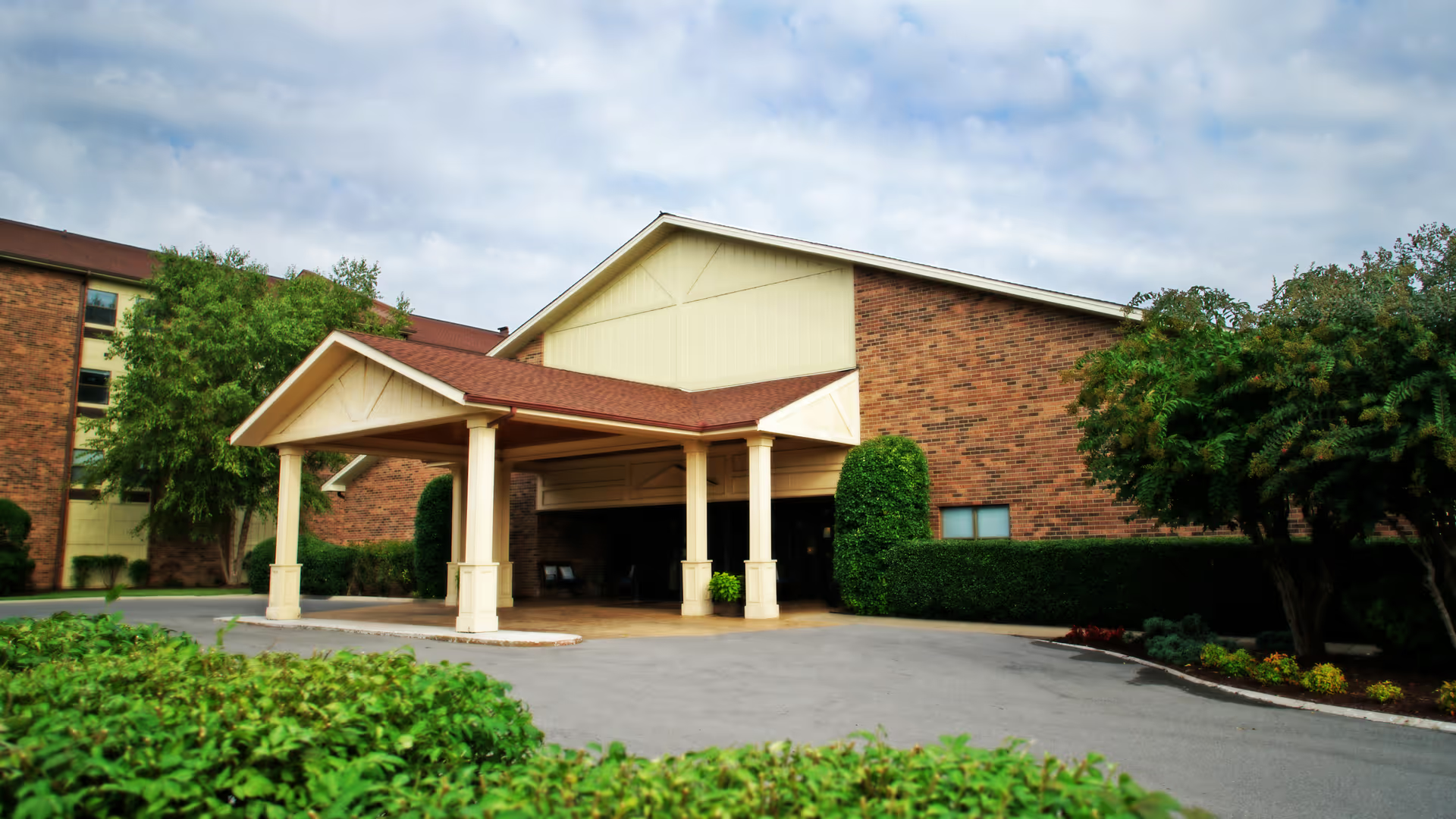
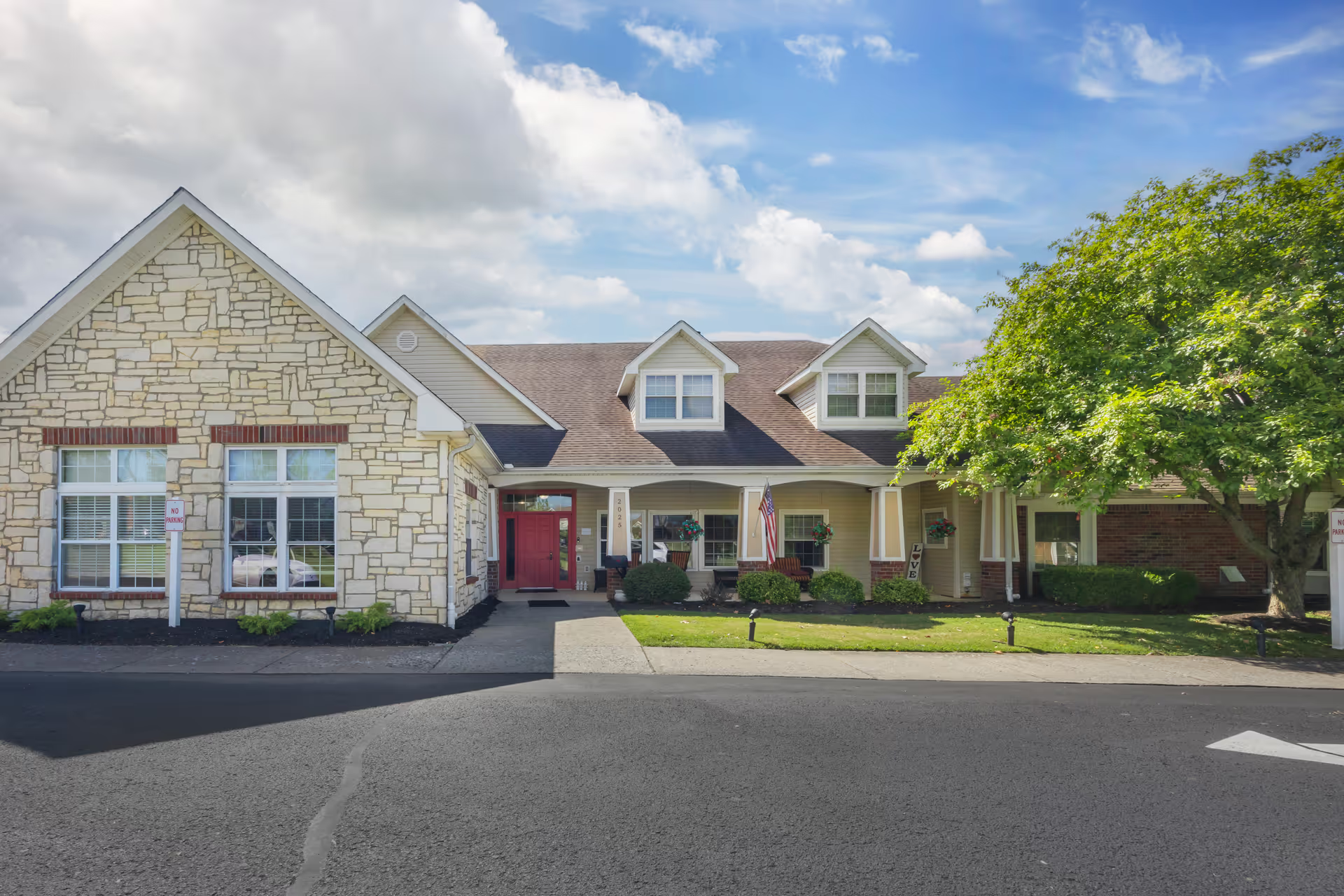
The physical setting is commonly described as clean, welcoming, and practical, with a single-level layout that some families value for accessibility and emergency egress. Residents may have patios, private bathrooms, small kitchen areas, or exterior entrances, depending on the unit. Other visitors characterize parts of the property as older or dated, with small apartments, shared bathrooms in some layouts, and maintenance or renovation concerns. Condition and room size appear to vary, so an in-person tour of the specific available unit is advisable.
Management and financial administration are recurring points to examine carefully. Families describe both smooth admissions and helpful tour staff, and difficulties with billing errors, unclear additional fees, delayed refunds, rent increases, and unanswered calls. A few accounts raise concerns about medication supply and timing, while others report responsive nursing or care teams. Before admission, families may wish to obtain written details on rates, included services, payment methods, refund terms, medication responsibilities, staffing and communication practices, and the criteria for remaining in or transitioning between care levels.
One review raises a serious, disputed animal-welfare episode based on a news account: cats discovered in a resident's room were later euthanized, rescue organizations questioned the decision, and authorities were reported to be investigating. The facility's account, as relayed in the review, was that a family member had kept staff from the room and that the situation was found during a pest-control inspection. This is an individual report rather than evidence of a broader pattern, but families who consider it relevant may wish to ask the facility about its animal-welfare and room-access procedures.