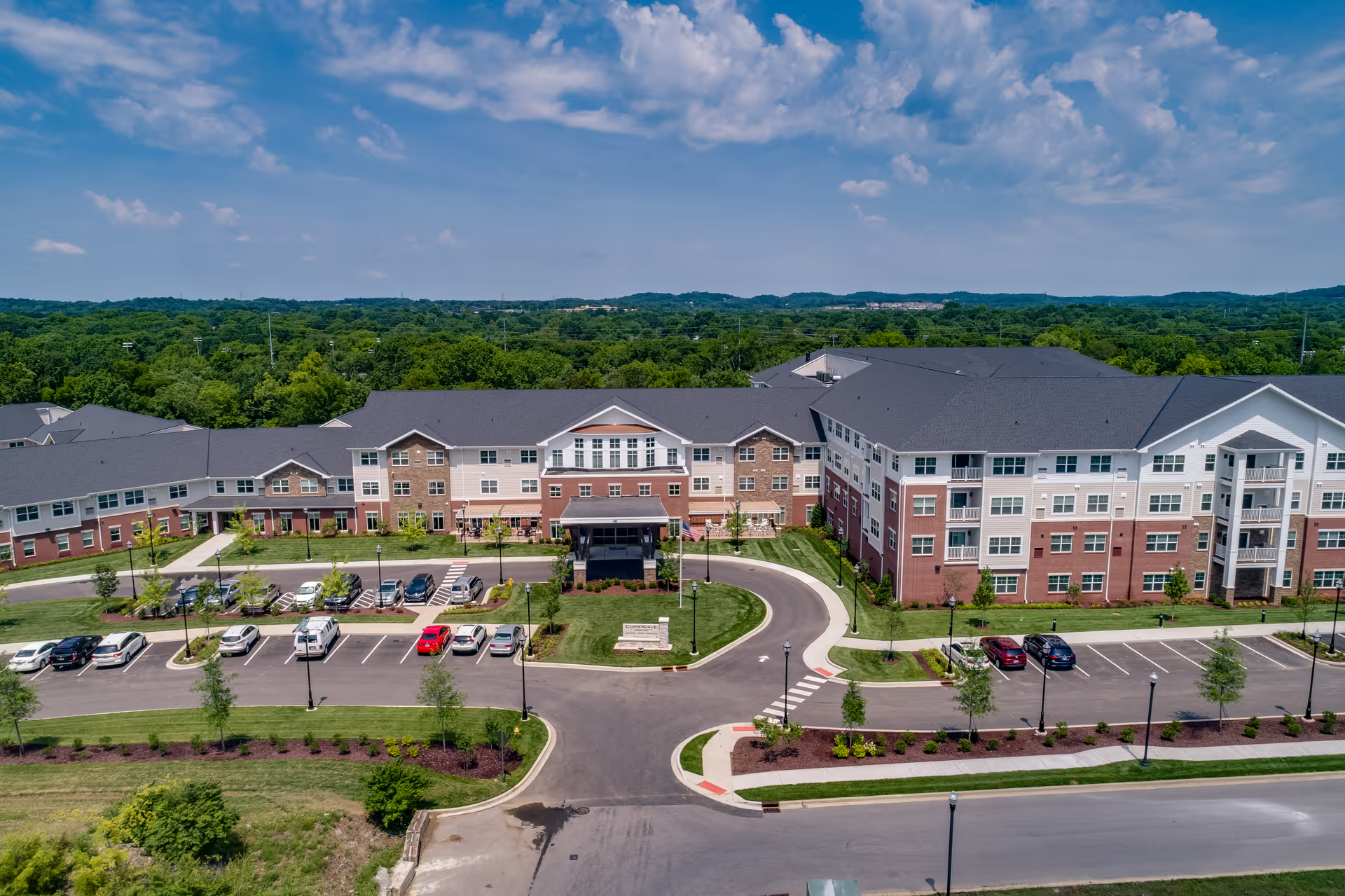
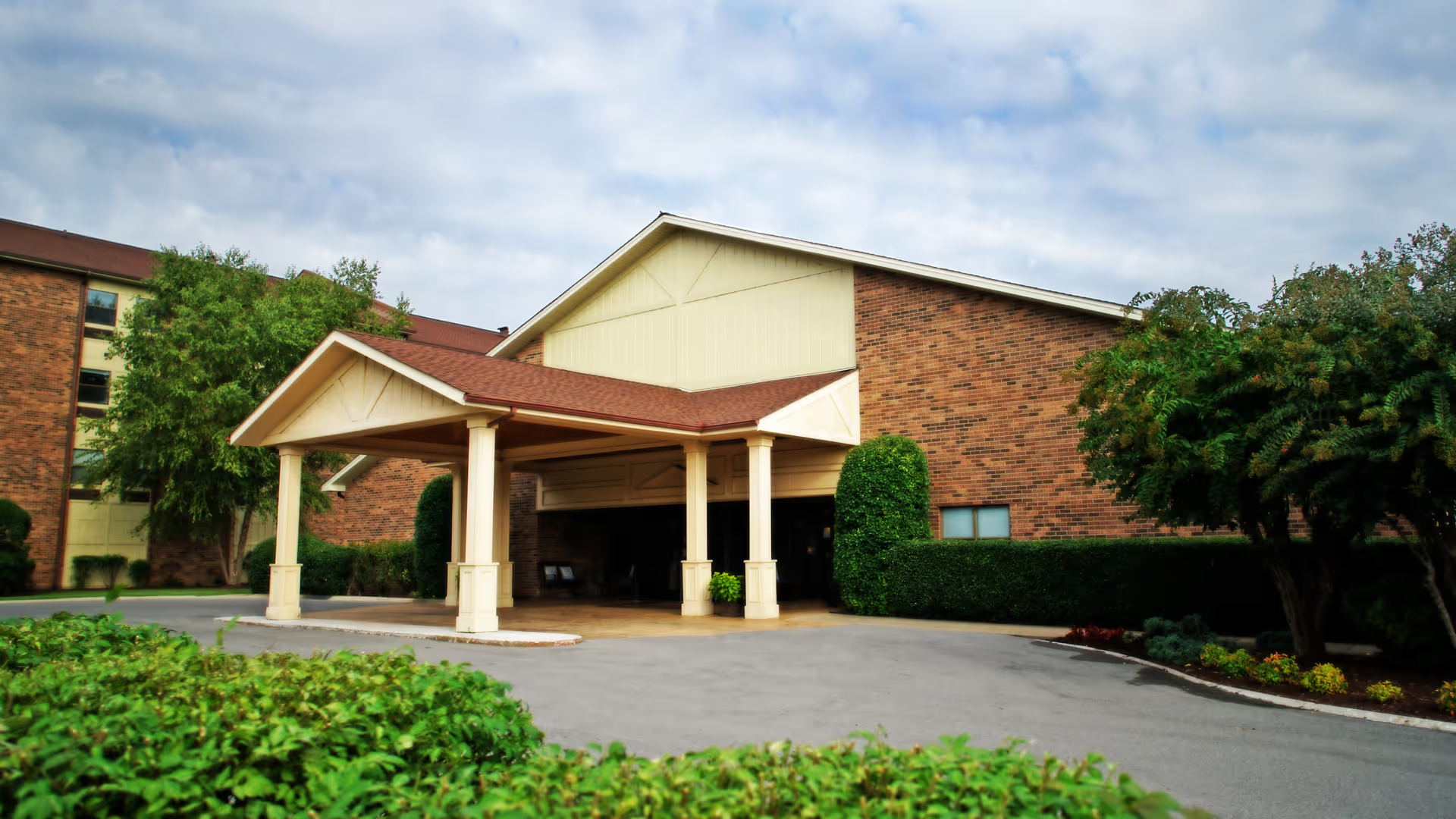
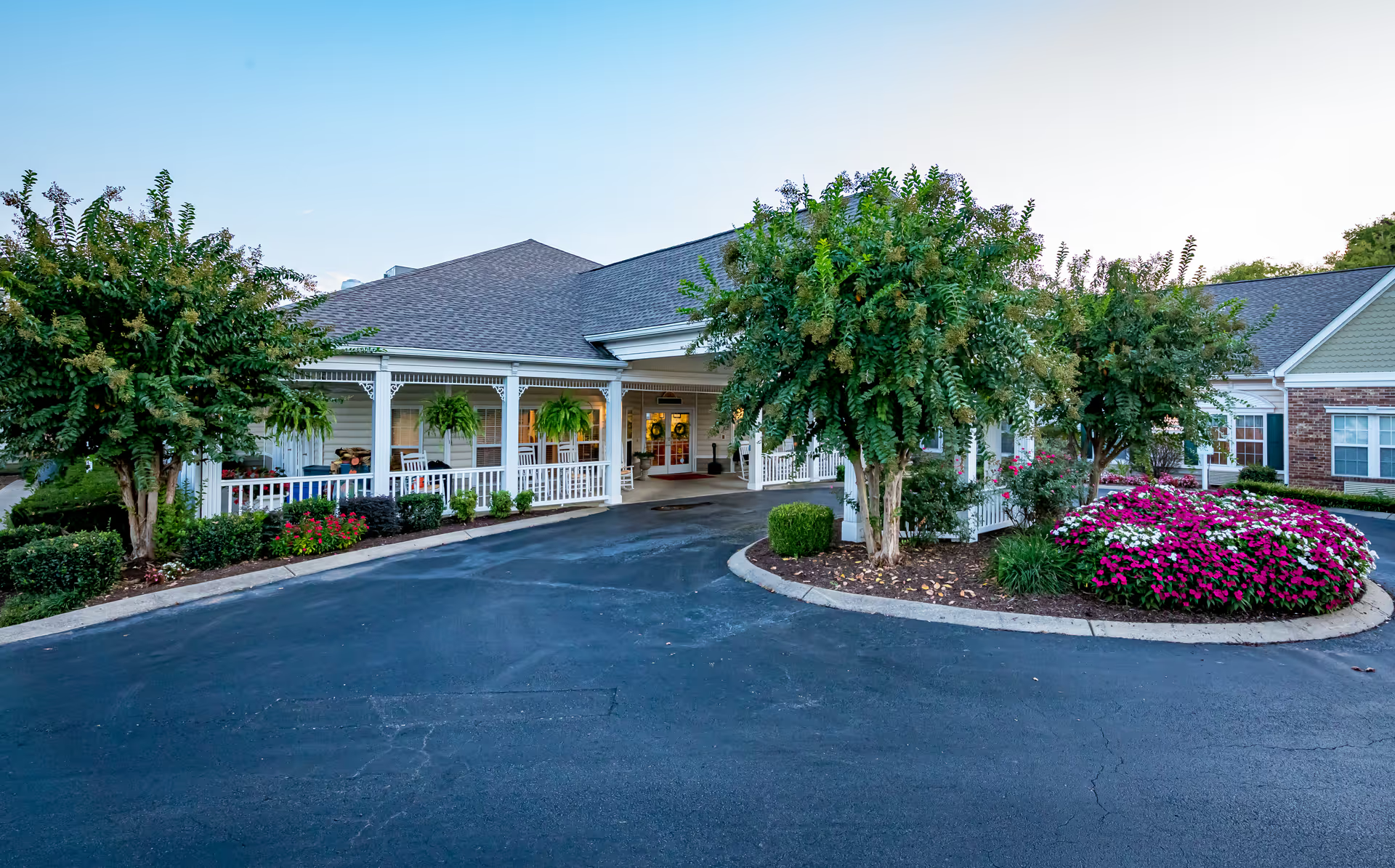
The Capstone at Station Camp presents as a recently built, well-appointed senior community with many hospitality-style amenities. Physical facilities and grounds earn consistent praise: spacious, bright apartments (many with large bathrooms and walk-in closets), clean hotel-like public areas, multiple indoor common rooms, attractive outdoor spaces and pergolas, and pet-friendly features such as a dog park. The community operates a restaurant-style dining program with a chef and an extended bistro offering, and several reviewers noted included services such as housekeeping, laundry, linen care, and meal service as part of fees. On-site clinical supports (physical/occupational/speech therapy, visiting physicians, on-site pharmacy and medication-management services) and routine offerings (salon, activities, devotional services) are also highlighted as strengths.
Care and staffing present a mixed picture. Many family accounts praise individual nurses and caregivers as attentive, compassionate, and familiar with residents by name, and several reviewers specifically referenced strong nursing leaders and engaged memory-care staff. At the same time, a recurring operational pattern emerges around staffing stability: reviewers describe high turnover, frequent use of agency staff, and times when staffing levels appear insufficient. These staffing patterns correlate with specific operational weaknesses cited by families — inconsistent responsiveness, delays in routine care tasks, and examples of medication-handling problems — which together indicate gaps in day-to-day clinical continuity for some residents. A small number of accounts describe serious clinical events and hospital transfers that raised broader questions about clinical oversight and end-of-life communication; these accounts contributed to concerns about family notification and coordination with the resident’s primary clinician.
Dining and activities are another area of mixed feedback. The facility’s restaurant-style approach, chef-led menus, and social dining rooms are appreciated and viewed as positive for resident engagement; many residents reportedly enjoy meals and the dining environment. However, other families cite inconsistent food quality, repetitive menus, and issues with meal temperature and appropriateness for older palates. Activity programming and therapy services are available (including exercise, games, church services, arts and crafts, and on-site therapy), and several reviewers praised the activity staff; yet some families experienced limited programming or a lack of visible weekly calendars during certain periods.
Operational management and service reliability show divergent experiences. The facility’s sales and hospitality functions often receive favorable comments for responsiveness and presentation. Conversely, several reviewers raised concerns about management instability (frequent leadership changes) and variability in housekeeping, laundry, and maintenance follow-through. Reports of pest-control concerns and occasional sanitation or housekeeping lapses appear in some accounts and suggest the need to verify current corrective actions. Families also described restrictive or unevenly applied visitation and transfer procedures in some situations.
What to watch and ask during a tour: prospective residents and family members should evaluate staffing patterns across shifts (including use of agency staff), ask for current staffing ratios in assisted and memory care, review medication-administration and incident-notification protocols, request recent inspection or quality reports, observe mealtimes and sample menus, and ask for a current activities calendar. For families considering memory care, request specifics on dementia-care training, behavioral-management approaches, and examples of how clinicians coordinate with outside physicians. Finally, confirm housekeeping and laundry service standards and pest-control policies.
Overall, The Capstone at Station Camp offers strong physical amenities and several substantive on-site clinical and social services. The dominant operational concerns center on staffing stability, consistency of day-to-day care practices (including medication administration and housekeeping), and management continuity. Those strengths and risks recommend an informed, shift-spanning visit and direct questions about current staffing, quality metrics, and clinical communication processes before placement.