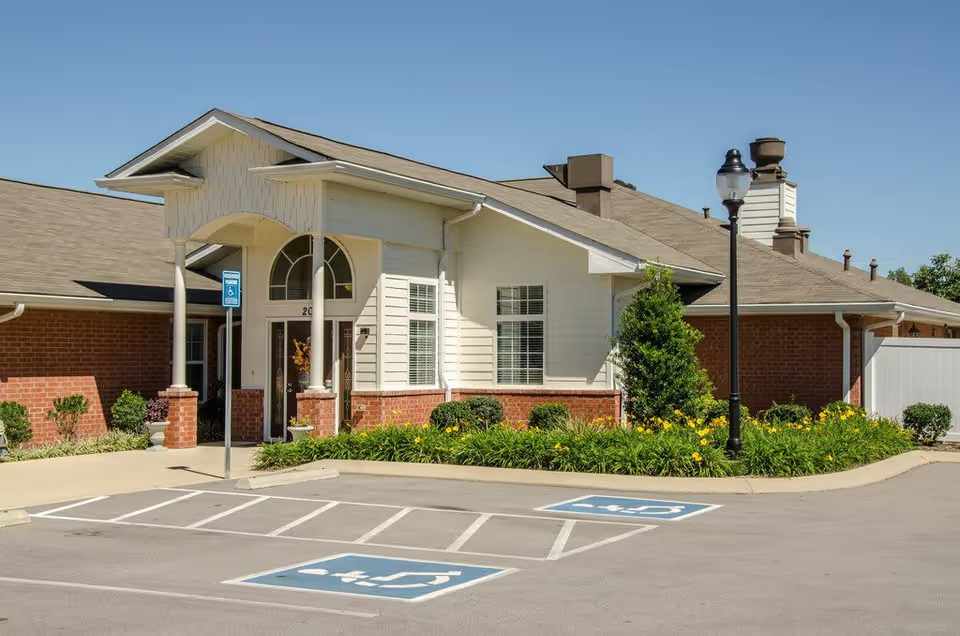
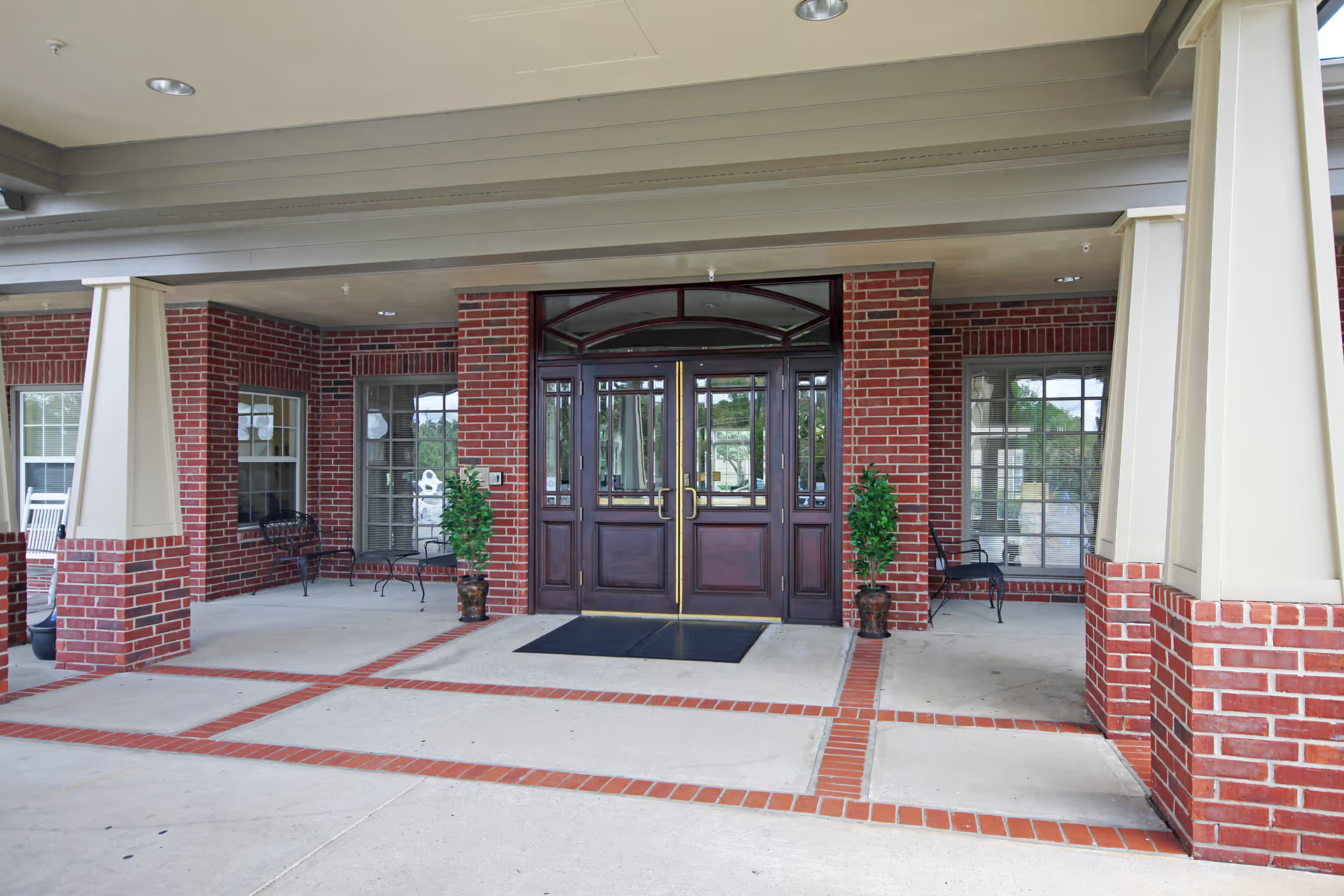
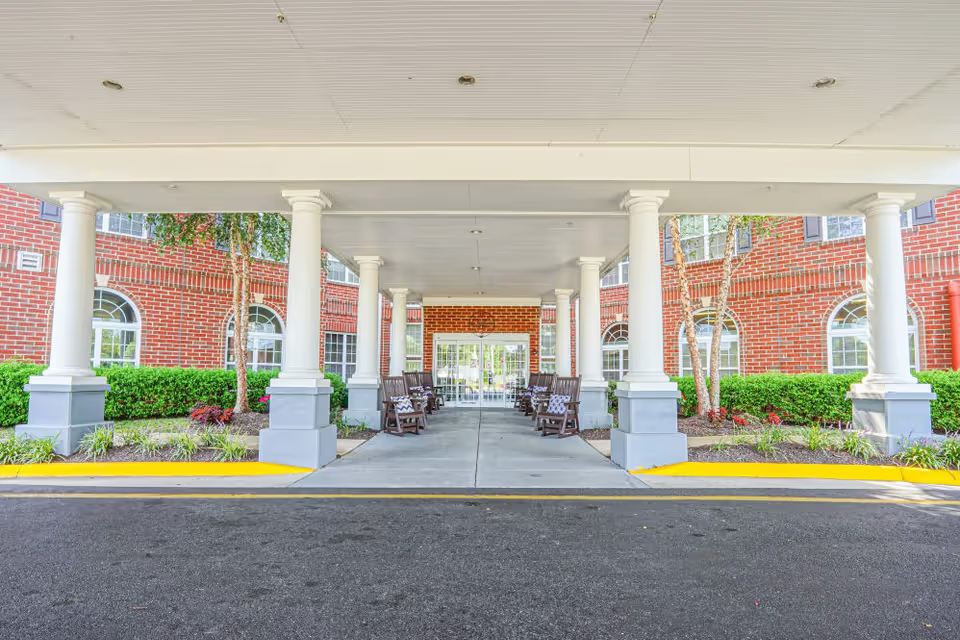
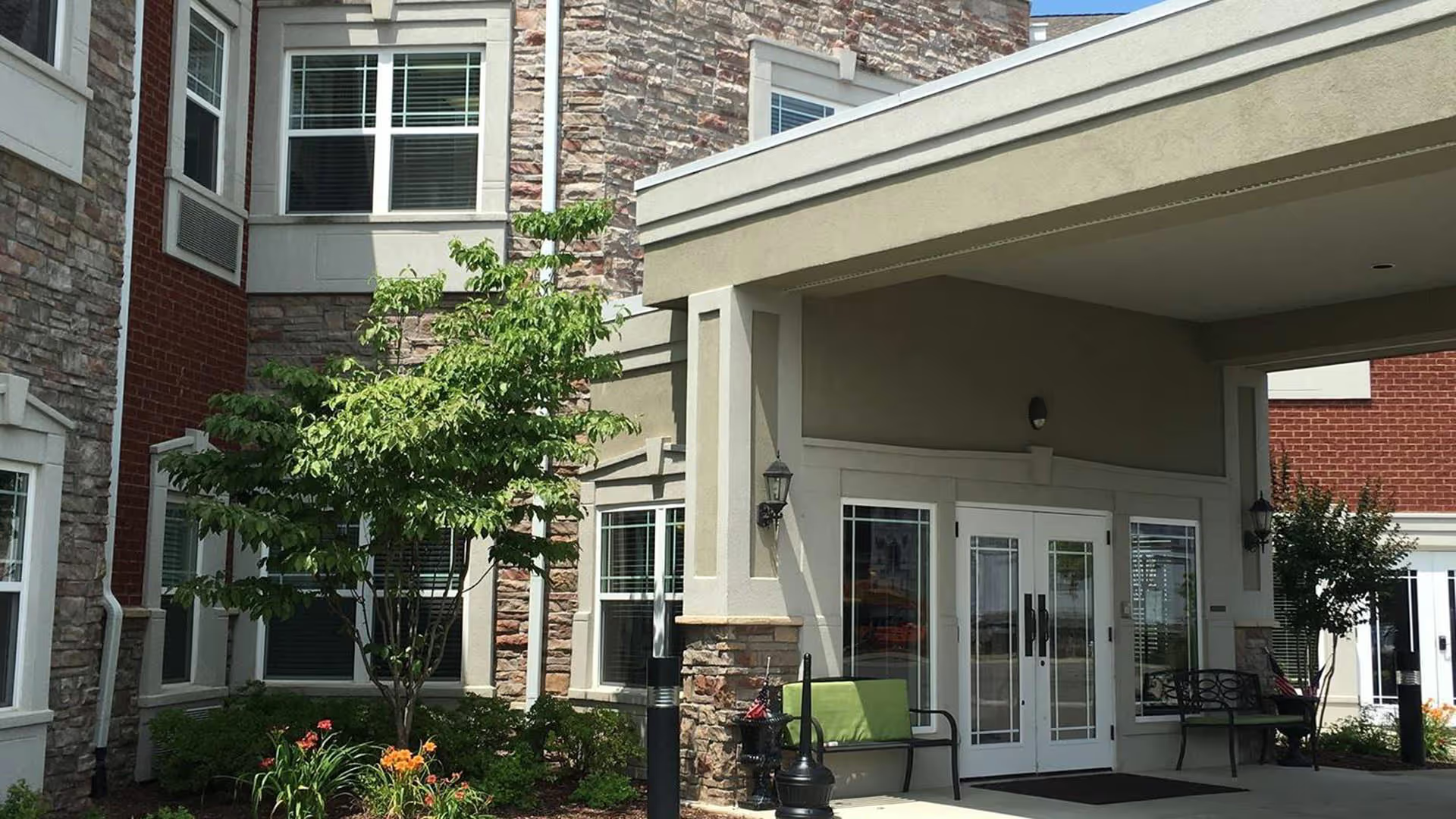
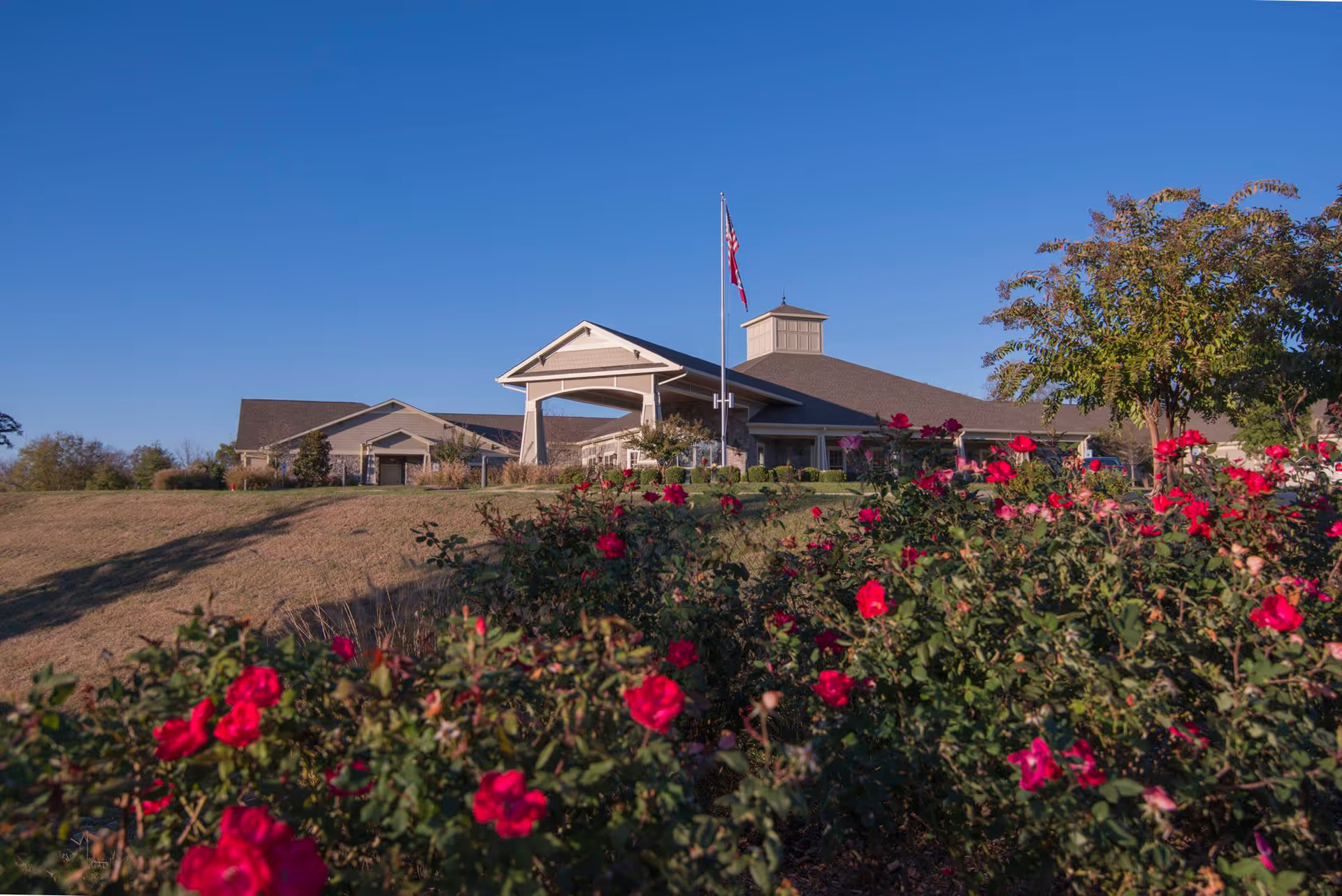
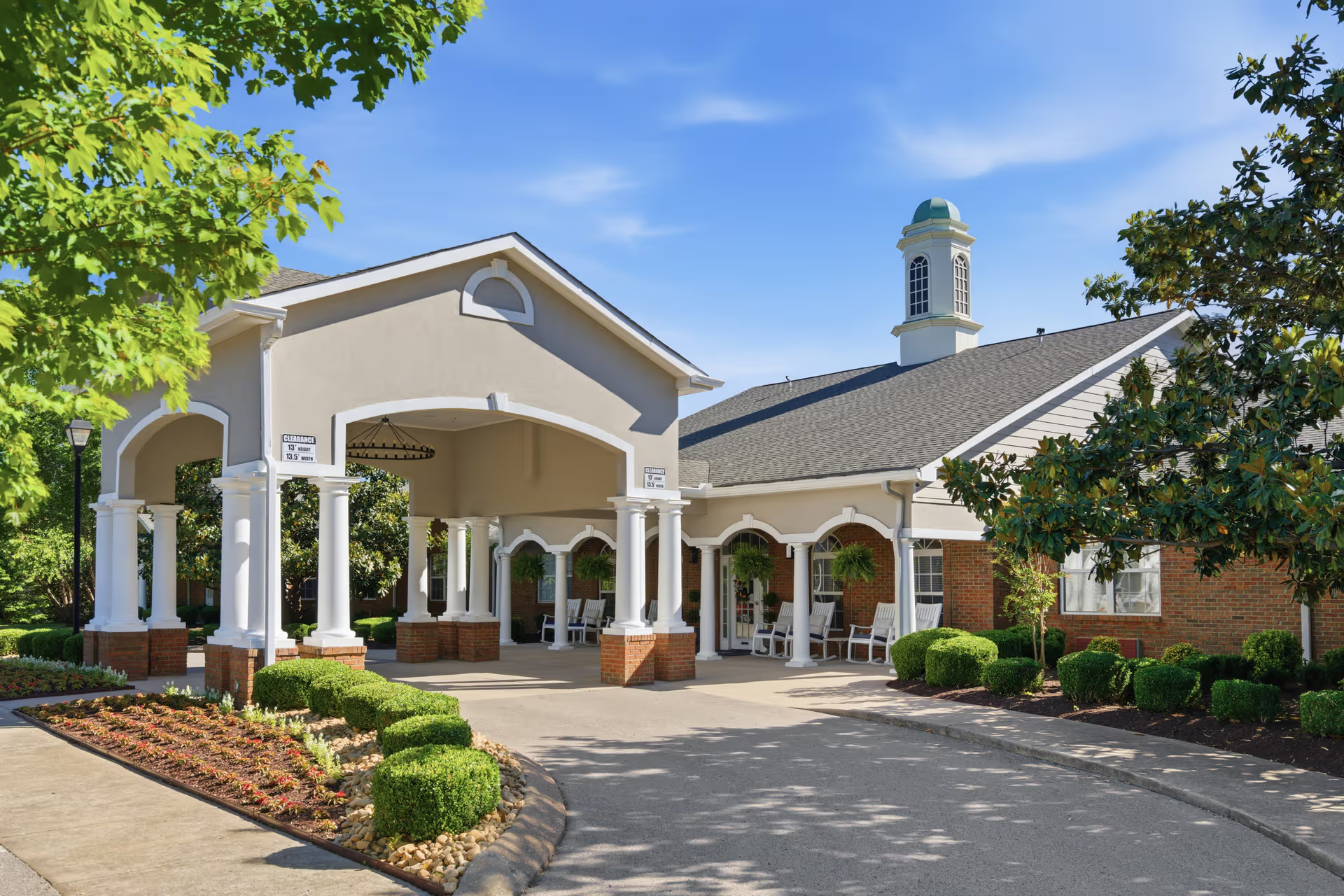
The Bridge at Hickory Woods presents as a modern, well-maintained senior living community with substantial strengths in facilities, programming, and social engagement. Multiple reviewers emphasize the building’s cleanliness, bright apartments, and resort-like common areas, including gardens, patios, a salon, exercise spaces, and game rooms. The community offers a broad activity calendar—daily games, Bingo, live music, religious services, outings, themed parties, and recurring ice cream socials and happy hours—which many families and residents identify as a central quality-of-life benefit.
Staffing and direct care receive mixed but notable attention. A substantial number of comments praise caring, compassionate staff members, attentive nursing, hands-on executive leadership, and strong responsiveness during events such as weather-related outages. At the same time, reviewers describe variability in caregiver skill and consistency: high turnover and staffing vacancies are linked to uneven assistance, occasional delays in attending to resident needs, and the perception that families sometimes must advocate actively to secure timely care. There are also reports of medication-delivery delays and concerns about clinical monitoring frequency for higher-acuity (Level 4) residents; prospective families should ask for specifics on staffing ratios, medication protocols, and monitoring schedules.
Dining and food service are polarizing. Many residents enjoy varied menus, nostalgic and well-executed meals, and special dining events; others describe menu execution problems—meals that are bland, heavy on simple carbohydrates, or not prepared to desirable texture—which suggests inconsistency between shifts or between advertised offerings and day-to-day service. Daily housekeeping and responsive maintenance are reported strengths, but reviewers recommend tasting a meal during a tour and reviewing menu change processes to set expectations.
Operational and management patterns are a mix of positives and areas for inquiry. Several reviewers commend the leadership team and admissions staff for clear communication, pandemic-related infection-control practices, and willingness to admit residents with dementia. Conversely, other families note communication breakdowns, unanswered calls, unmet promises, and billing/charge-calculation issues. There are also isolated, serious allegations concerning incident handling and belongings; prospective families should ask about the facility’s incident-reporting process and grievance resolution. Transportation is available but constrained to specific days and geographic limits, so rely on the community to detail routes and schedules prior to move-in.
Safety and security elements show both strengths and gaps. A secure entry and strict visitation policies have been praised in the context of infection control, yet some reviewers raise concerns about exit monitoring and access control that could pose a flight risk for higher-risk residents. Cost is frequently mentioned: the community is positioned at a higher price point than some local alternatives, and several reviewers consider value to be contingent on consistent staffing, dining quality, and follow-through on administrative commitments.
Overall, The Bridge at Hickory Woods offers many features associated with higher-end assisted living—clean, attractive facilities, a lively activity program, and staff members who provide compassionate care. However, variability in staffing stability, caregiving responsiveness, clinical monitoring for higher-acuity residents, and dining consistency are recurrent themes. Families touring this community should verify current staffing levels and turnover trends, observe care interactions during different shifts, sample meals, confirm transportation details, and ask about policies for incident reporting and family communication to ensure the community’s operational practices match their expectations.