Morning Pointe of Athens elicits a consistent pattern of strong praise for its care culture, staffing compassion, and social programming alongside recurring operational concerns. The dominant positive themes are a family-like caregiving atmosphere and proactive clinical oversight: nursing staff and leadership are frequently described as attentive, communicative, and willing to escalate medical issues. Families note improvements in chronic-condition management and examples of timely identification of acute issues, which point to generally competent clinical processes.
Staffing and responsiveness are a mixed picture. Many reviewers emphasize staff who go above and beyond, strong directors, and a responsive maintenance team. At the same time, understaffing is a recurring operational concern that reviewers link to longer waits for assistance and occasional delays in attending to resident needs. Relatedly, communication and scheduling have been praised in some instances but described as inconsistent in others, including variability in admissions/tour engagement and occasional lapses in family updates.
Dining and activities are central strengths with qualifications. The community offers an active life-enrichment program (bingo, scrabble, devotional time, mild exercise, outings) and multiple social spaces that contribute to positive resident engagement and improved quality of life for many. Dining receives polarized feedback: numerous accounts highlight varied menus, generous portions, alternate meal options, in-room service and apartment amenities (refrigerators/microwaves), while other accounts indicate inconsistent food quality and portioning that can leave residents unsatisfied. This suggests variability in meal-service execution rather than a uniform standard.
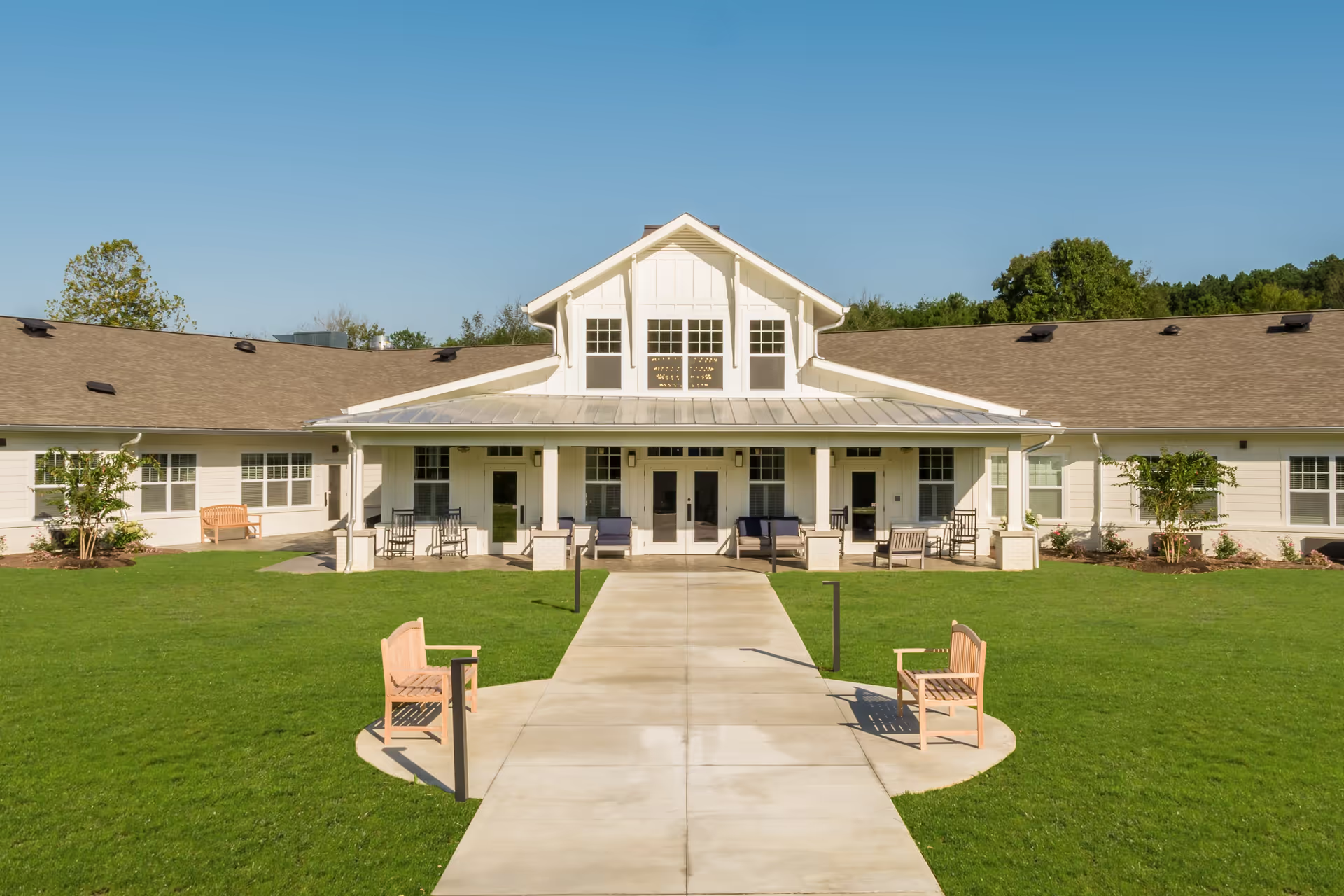
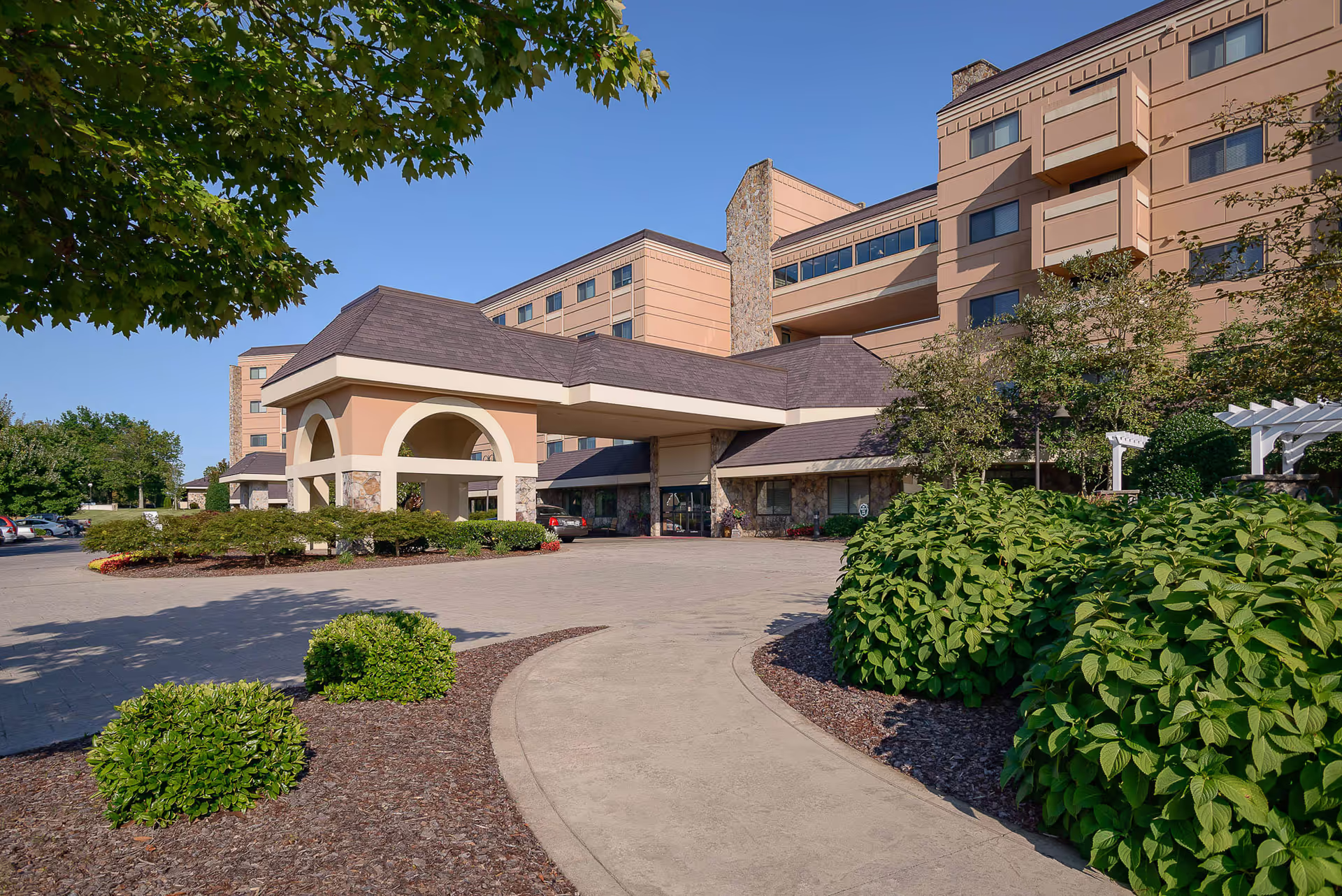
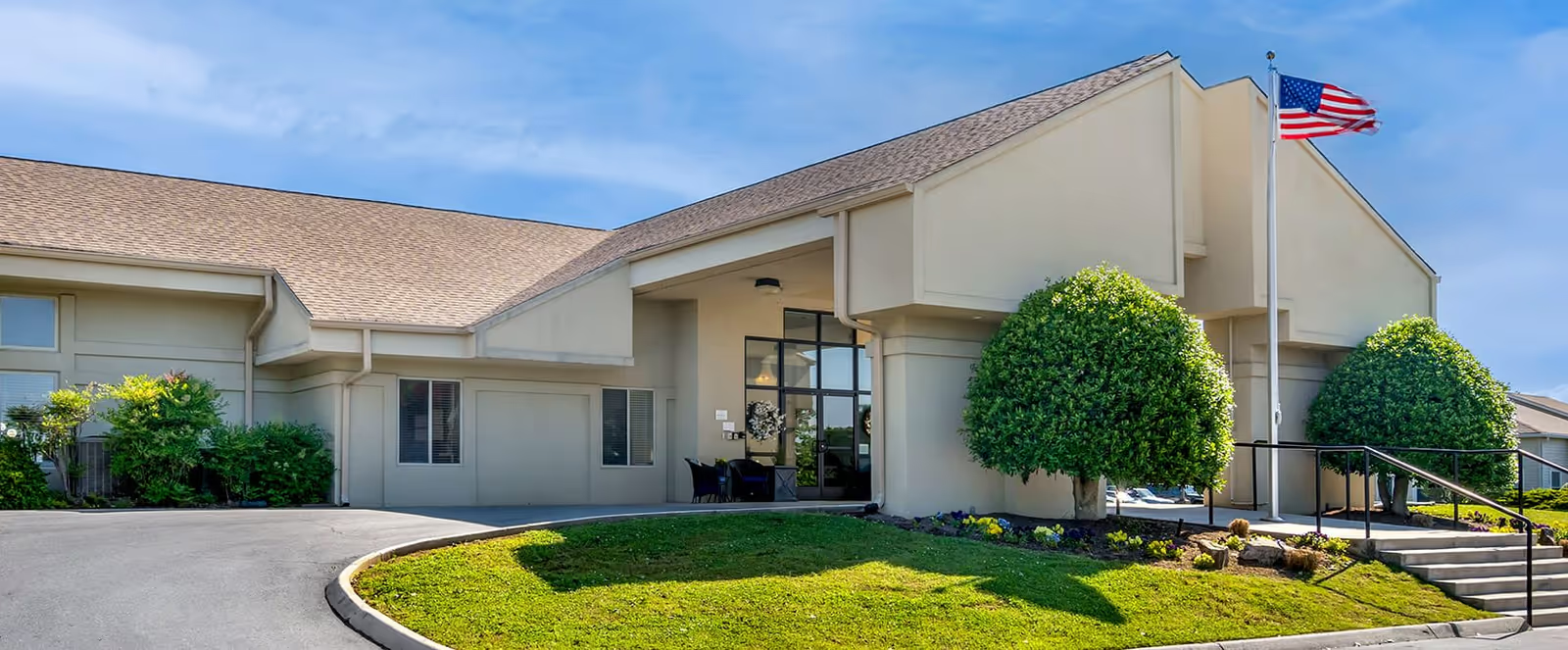
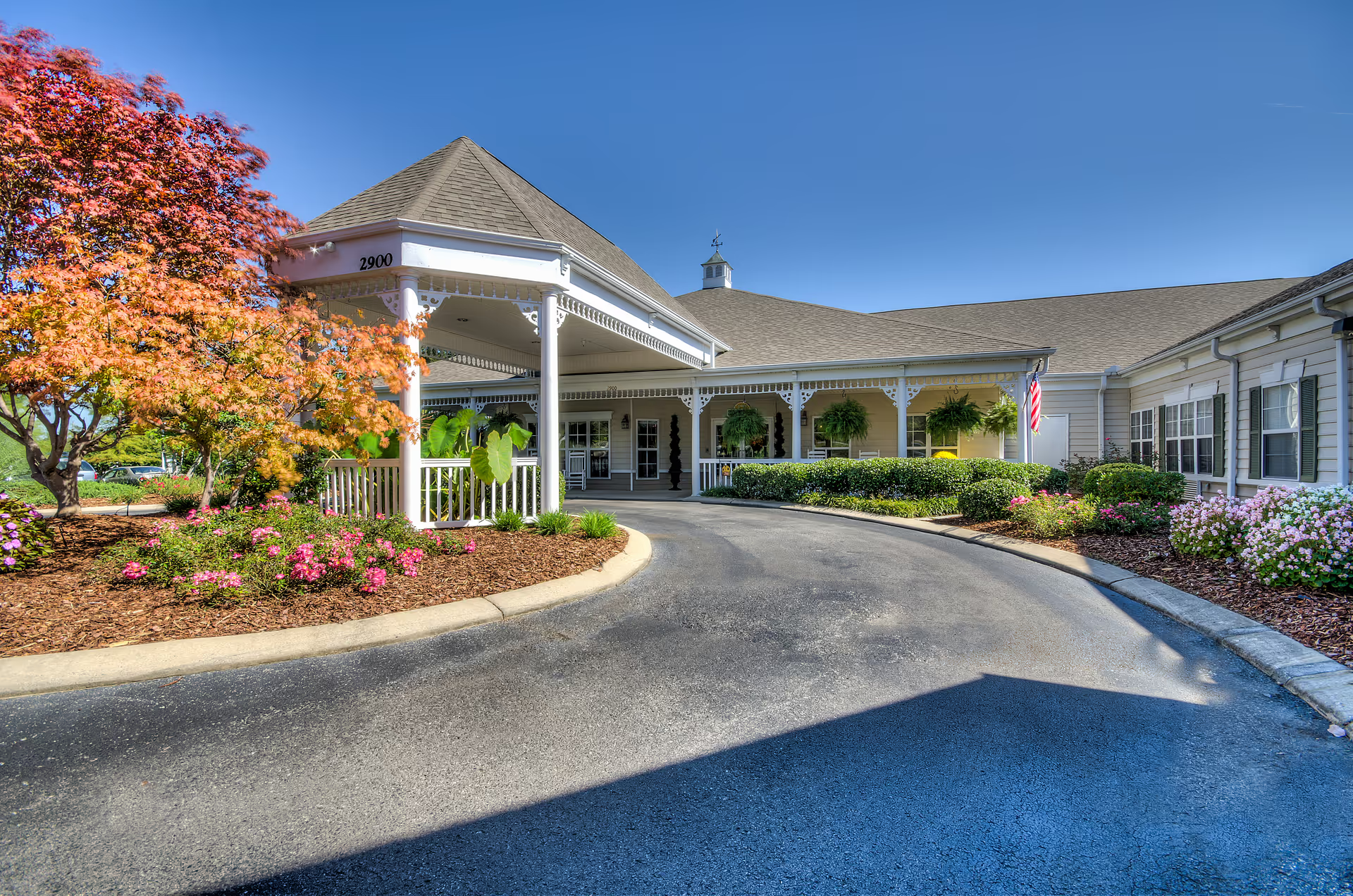
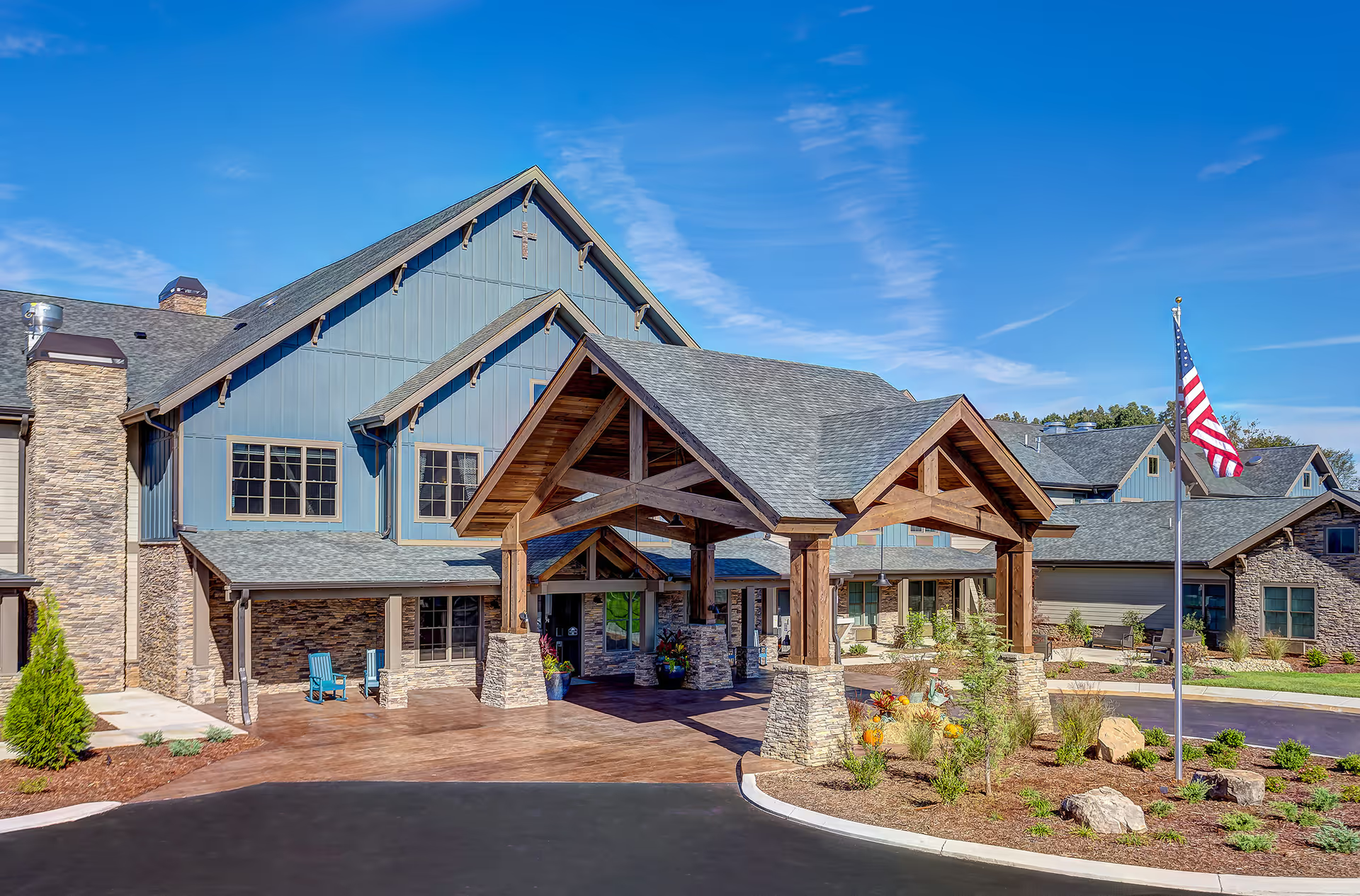
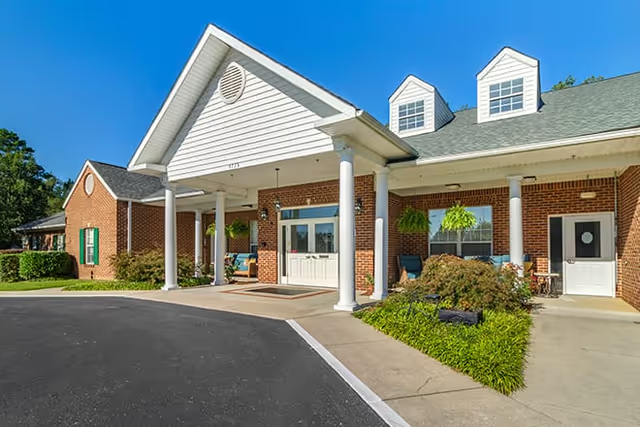
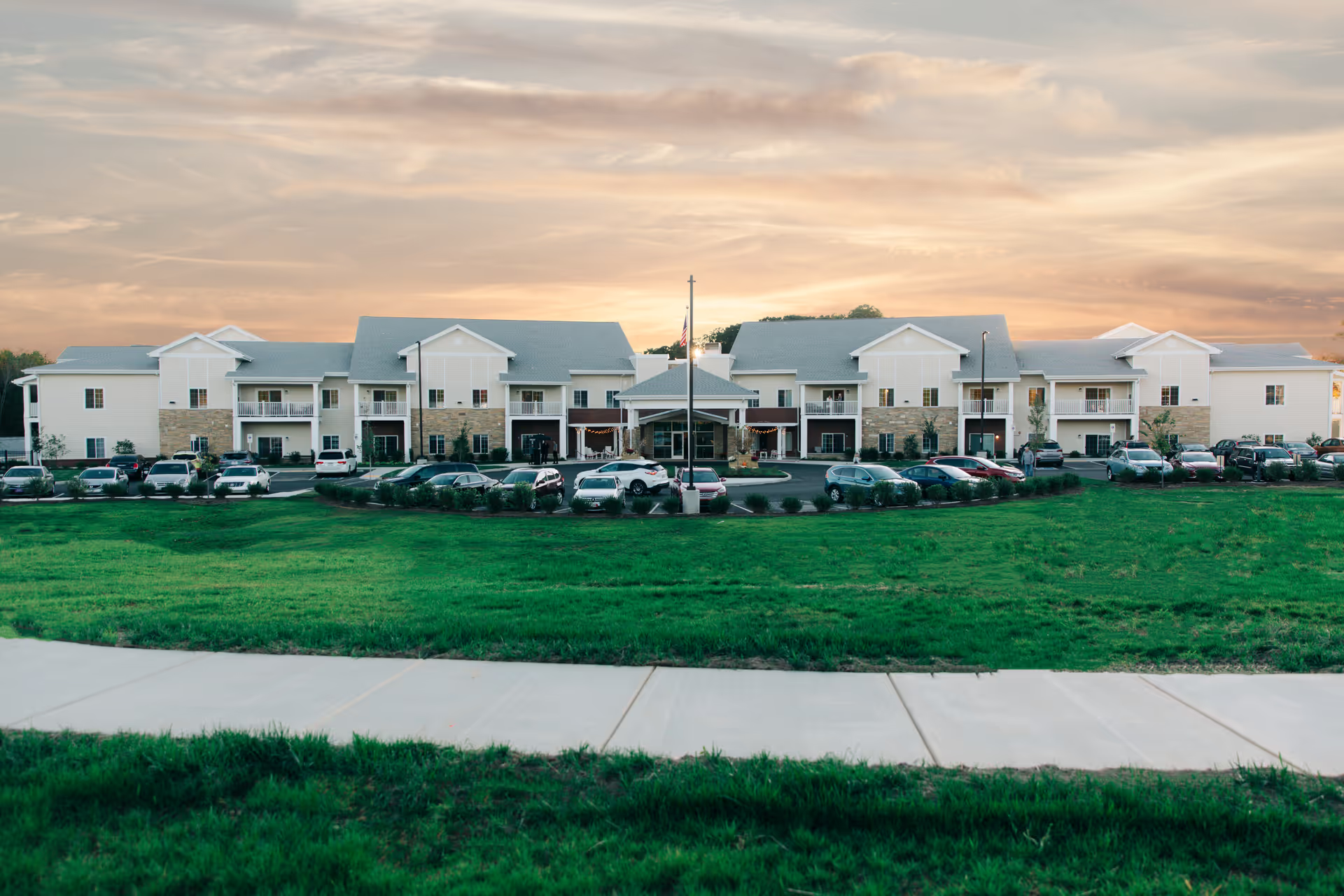
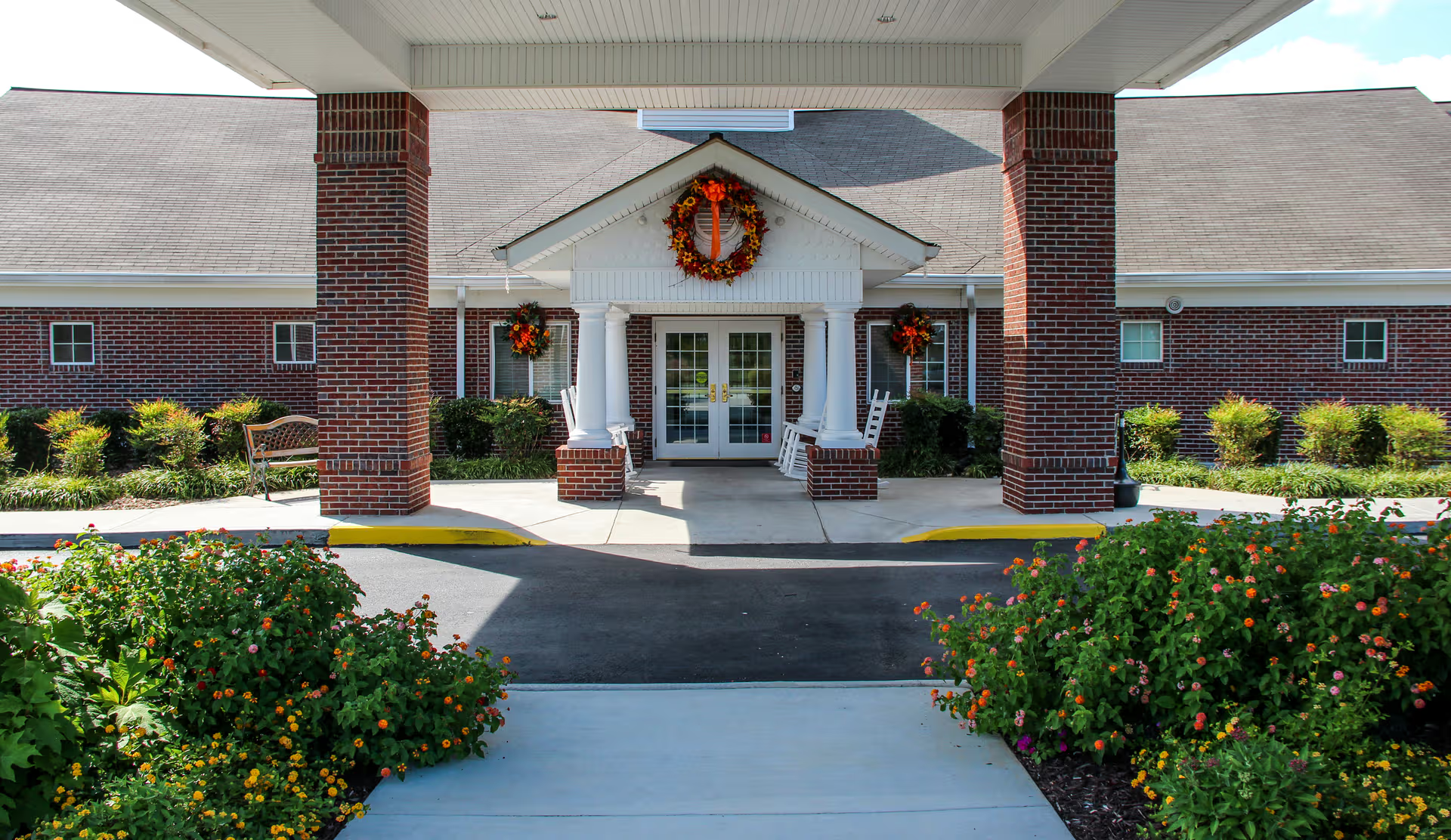
The physical environment is frequently described as attractive, well-decorated, and hotel-like, with clean common areas and multiple gathering spaces. Maintenance responsiveness is singled out positively in multiple notes. However, there are facility-level issues such as carpeting and certain housekeeping/cleaning inconsistencies, as well as outdoor accessibility concerns—sidewalks and approaches that are not fully wheelchair-friendly—creating potential safety and mobility limitations for some residents.
Families and prospective residents should weigh the strong caregiving culture, robust activities, and administrative engagement against operational drawbacks such as staffing variability, occasional dining inconsistencies, accessibility limitations, perceived cost/value mismatch, and scheduling constraints. Overall, the facility appears to deliver a warm, socially active environment with strong individual caregiver relationships and capable clinical staff, while operational improvements in staffing levels, dining consistency, maintenance follow-through, and emergency-response processes could address the primary criticisms raised by families.