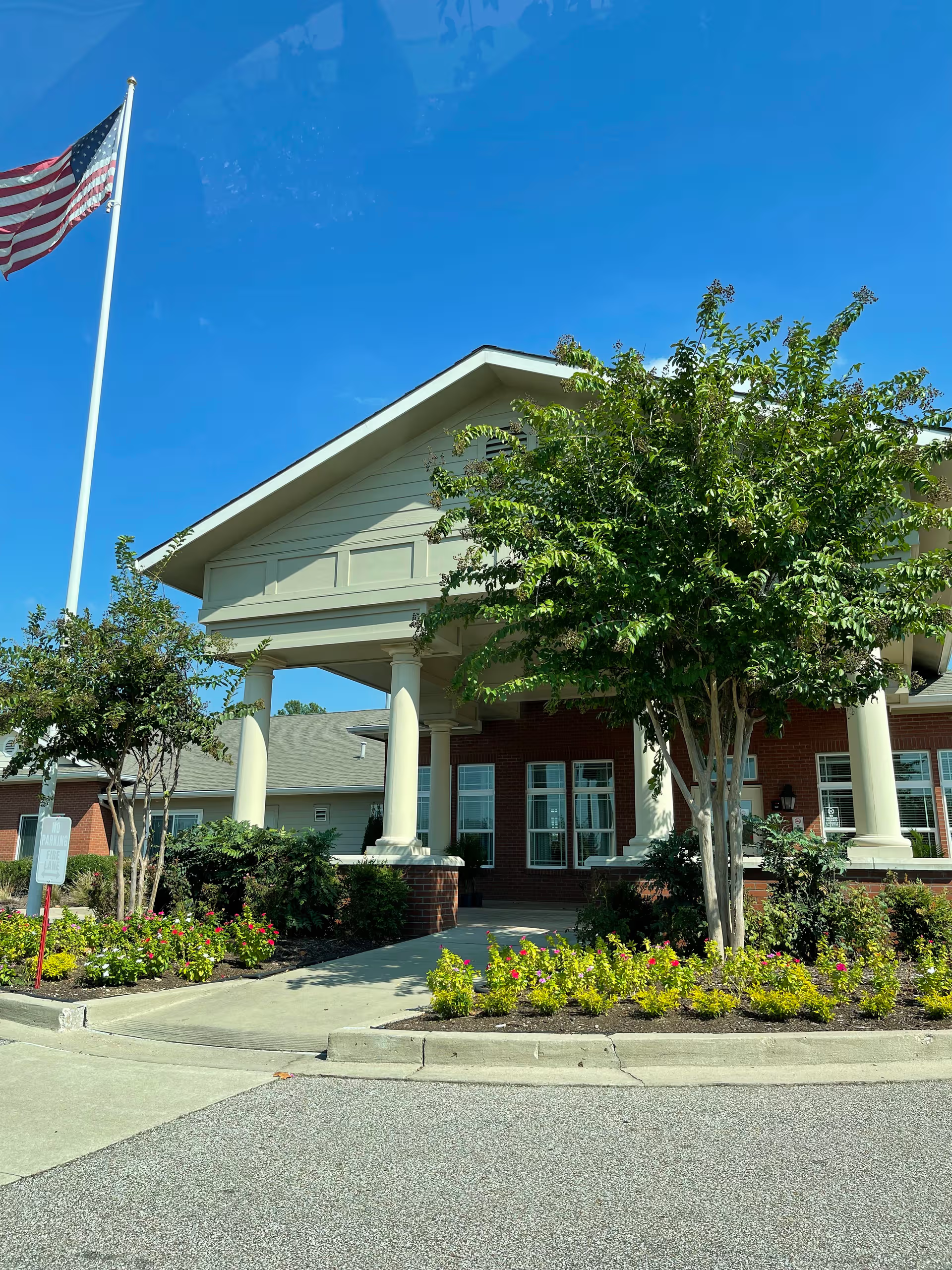
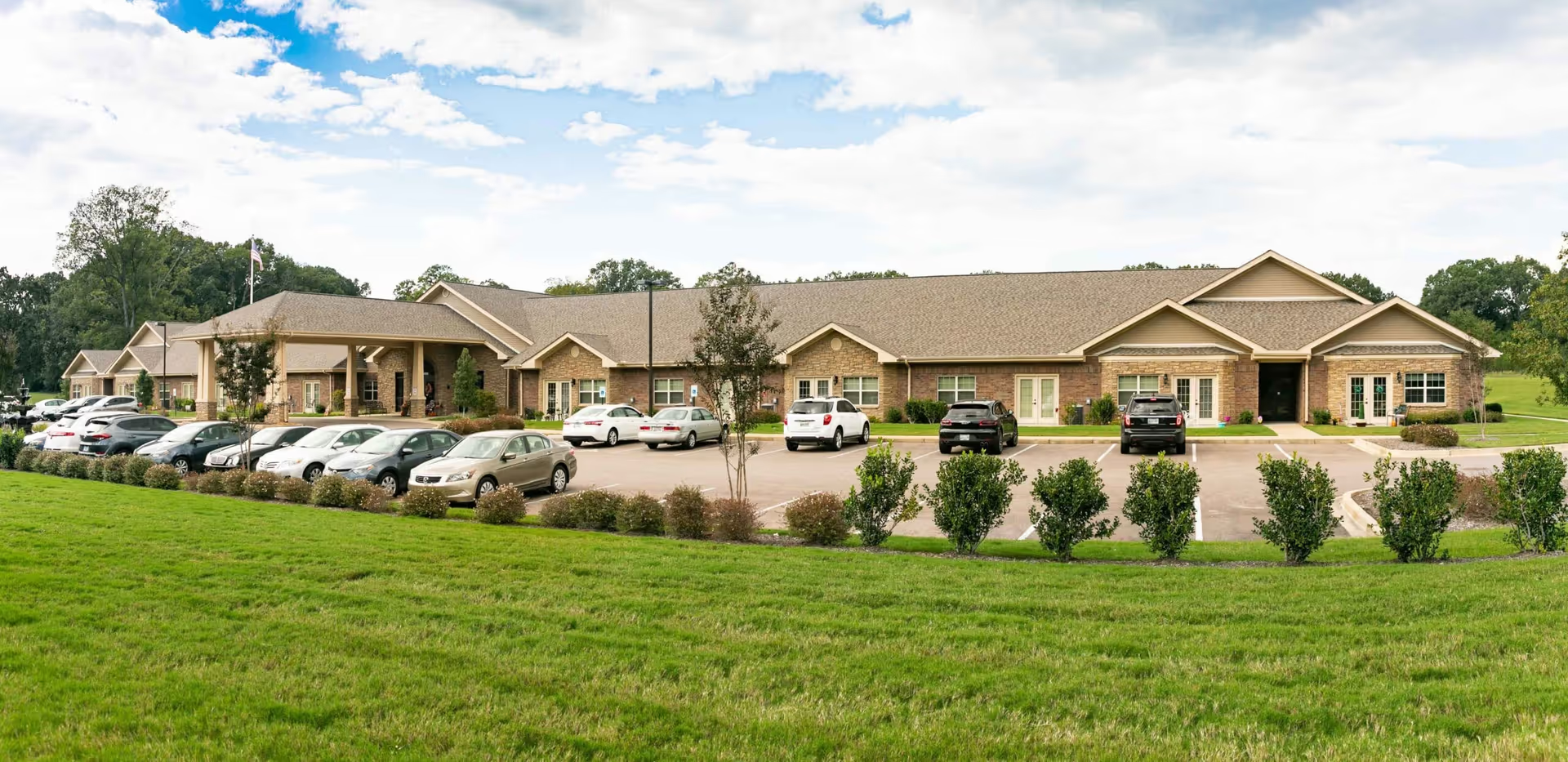
American House Bartlett elicits a broadly mixed but specific set of impressions. Strengths most often cited include a caring, personable staff that forms close relationships with residents; a broad schedule of activities (music, religious services, outings, arts and crafts, and family nights); and a range of apartment options with accessible features and on-site amenities such as a salon, shop, and library. Several accounts also highlight on-site clinical access, including periodic physician and therapy visits, which families found convenient. Public spaces and grounds are frequently described as well maintained, contributing to a family-like, homey atmosphere for many residents.
Care quality and staffing present a split picture. Numerous reviewers praise attentive, individualized care and staff who learn residents’ names and preferences; others describe operational inconsistencies: high turnover, reduced coverage on nights and weekends, delays responding to call buttons, and uneven follow-through on bathing or personal-care scheduling. Related clinical concerns include patterns suggesting weaknesses in medication-management processes—timing errors, missed doses, and handoff problems—which prospective families should clarify with the facility. On the positive side, some families report timely medication administration and prompt fall notifications.
Dining and nutrition receive mixed feedback. Many reviewers appreciate portioning, special family-meal events, and occasional high-quality dishes, while others describe repetitive menus, cold or salty servings, and limited flexibility in substitutions—constraints that reviewers attribute in part to corporate menu policies. There is consistent mention of mandatory dining policies and additional meal-delivery fees; cost structure and extra charges were a frequent source of dissatisfaction and warrant careful contract review.
Activities and social life are among the facility’s stronger features. The community offers frequent programmed activities, entertainment from local musicians and churches, outings, and intergenerational/family events. Activity staff are routinely praised for engagement and for encouraging participation, though a few comments call for wider variety or expanded off-site outings.
Facility condition and operations are variable. Many reviewers describe clean, modern units and well-kept grounds; others report sanitation concerns in specific rooms or common areas, odor issues in hallways, carpeting concerns, and inconsistent housekeeping. Maintenance responsiveness is sometimes noted as slow. Accessibility features and apartment layouts are generally well regarded, but hall length and long corridors can be a challenge for some mobility devices.
Management and administration generate both praise and concern. Admissions and certain leaders are frequently commended for professionalism, helpfulness, and warm communication during touring and move-in. Conversely, there are consistent themes of inconsistent communication after move-in, difficulty obtaining timely clinical information, billing disputes, perceived nickel-and-diming, and restrictive policies during infection-control periods or tours. Security and access-control lapses are described in a minority of accounts and should be queried directly.
Notable patterns: experiences appear polarized—many families report a highly positive, supportive environment that improved quality of life, while others report operational shortfalls that affected day-to-day care. This suggests that resident experience may depend substantially on current staffing levels, specific unit assignment, and administrative responsiveness at the time of placement. Prospective residents and families should prioritize in-person observation and targeted questions about night/weekend staffing ratios, medication administration protocols, housekeeping schedules, meal policy and fees, and mechanisms for family communication and incident reporting before making a decision.