Overall impression: Reviews reflect a mixed but distinct pattern. Many families and former residents describe genuinely compassionate caregiving, strong rehabilitation outcomes, and a comfortable, home-like environment based on the greenhouse or garden-home model. At the same time, a set of operational and staffing issues recurs in multiple accounts, producing variability in daily experience and family confidence.
Care quality: Several reviewers praised the clinical care and rehabilitation services, citing measurable improvements after skilled nursing or therapy stays and seamless transitions at admission and discharge. These positive accounts emphasize attentive, reassuring clinical teams and improved resident mood and function. Conversely, other reviewers describe a decline or inconsistency in personal-care quality over time. Specific operational concerns raised include incontinence-care and hygiene management problems, inconsistent bathing or toileting practices, and uneven attention to individual personal-care needs. These descriptions suggest variability in day-to-day caregiving reliability rather than a uniformly consistent standard.
Staff and culture: Staff are frequently characterized as warm, respectful, and long-tenured; many reviewers singled out individual caregivers and activity staff as strengths. That said, there are repeated notes about understaffing, extended 12-hour shifts, and a subset of staff exhibiting poor communication tone or rudeness. Those staffing pressures were described as contributing to delayed responses and reduced consistency of interactions. Prospective families may want to ask about current staffing ratios, shift patterns, and staff turnover to understand how these factors are being managed.
Dining and activities: The facility’s family-style dining and chapel access are commonly mentioned positively, and the activity program — including a named activity director in some accounts — is described as engaging and resident-centered. However, several reviewers noted inconsistent meal quality and long waits during meal service, indicating that food-service timing and consistency may vary by unit or time of day.
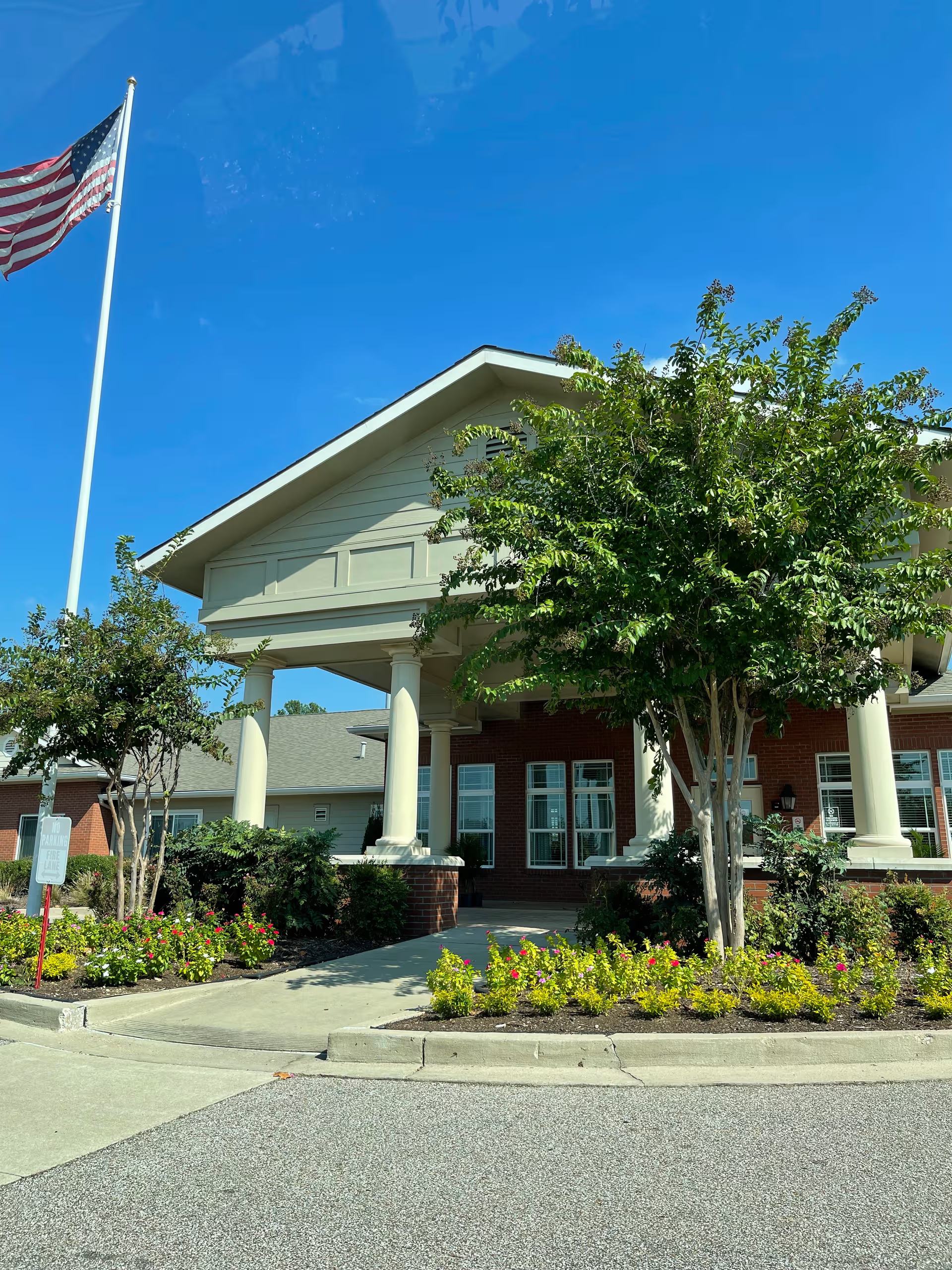
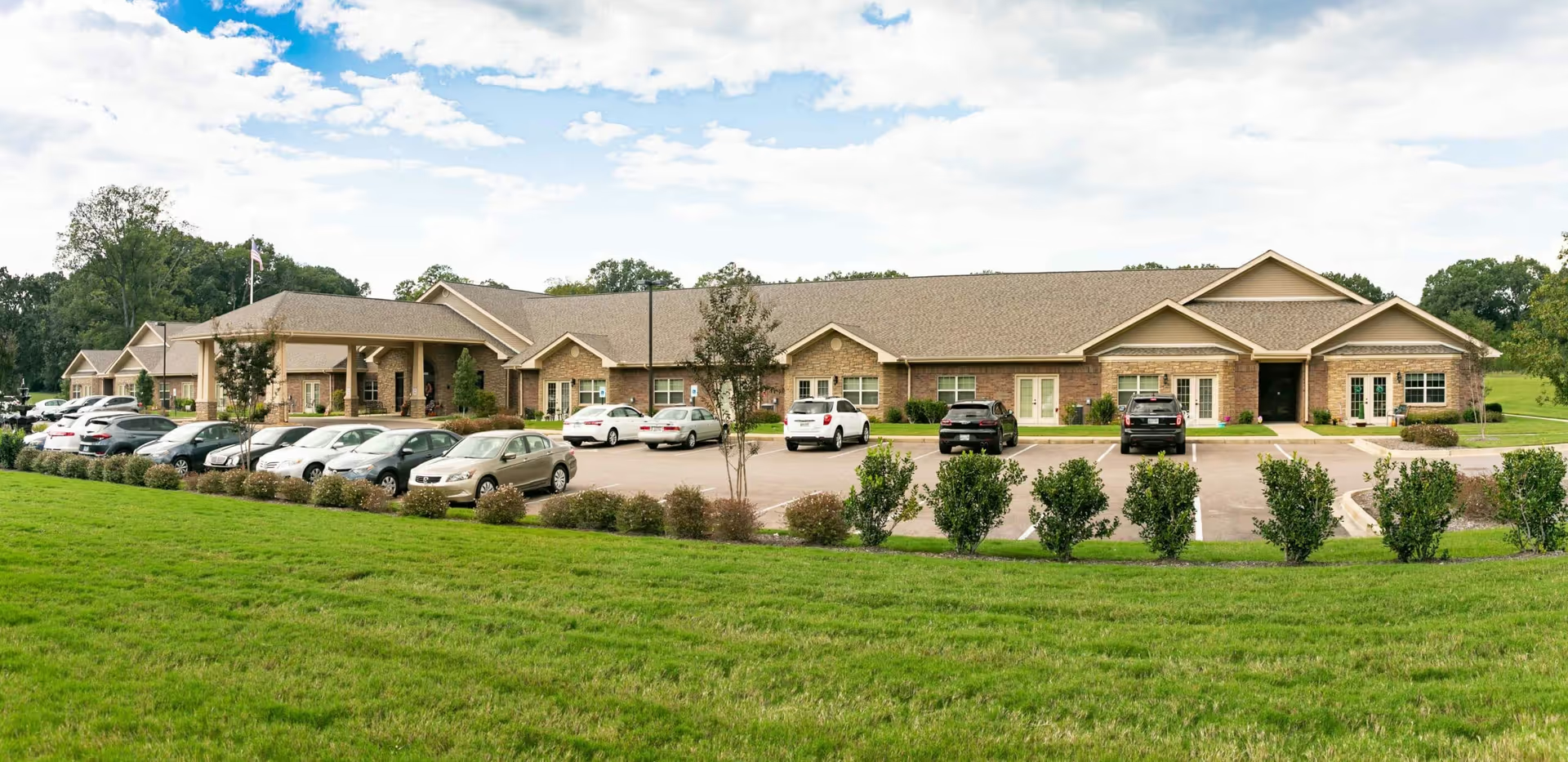
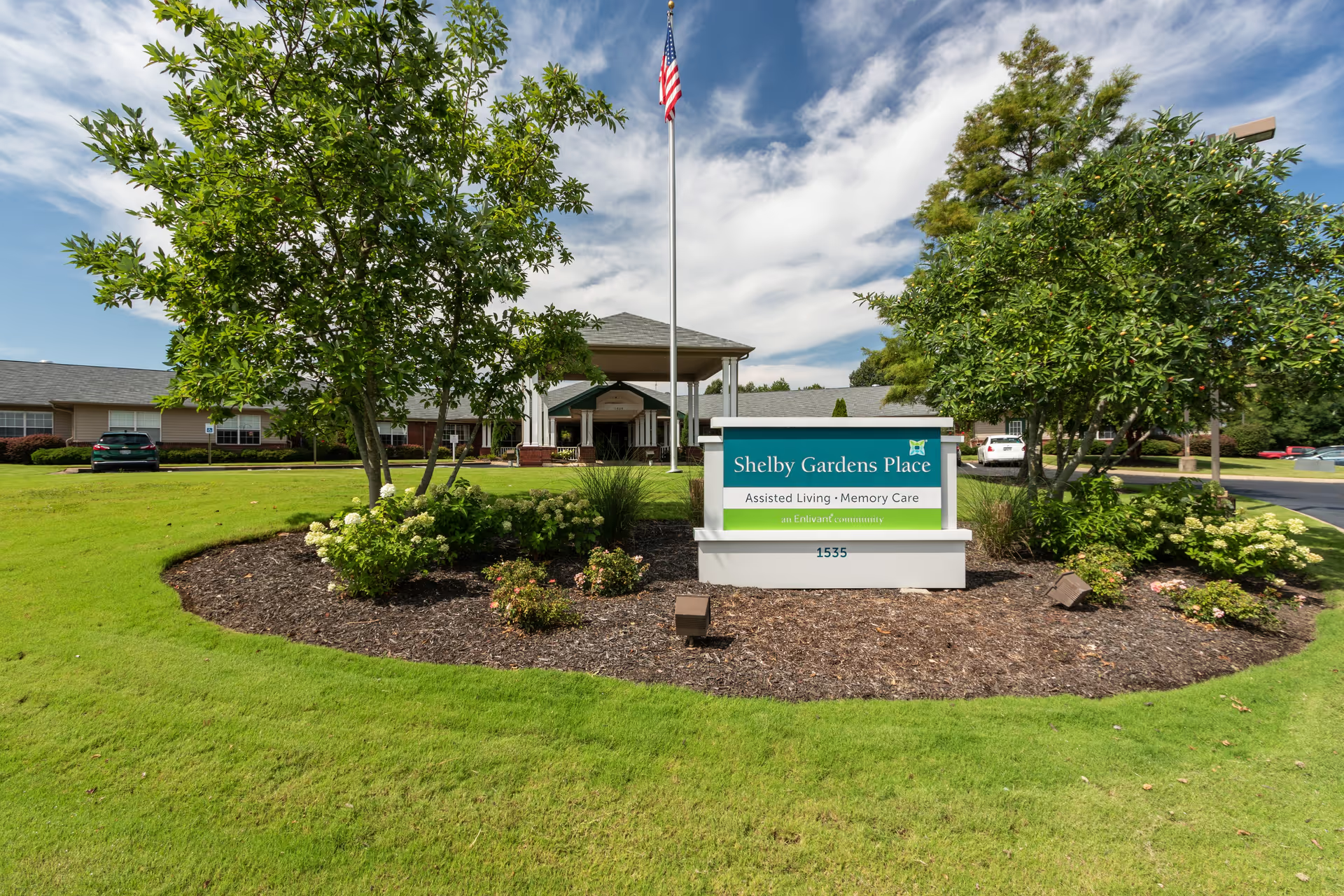
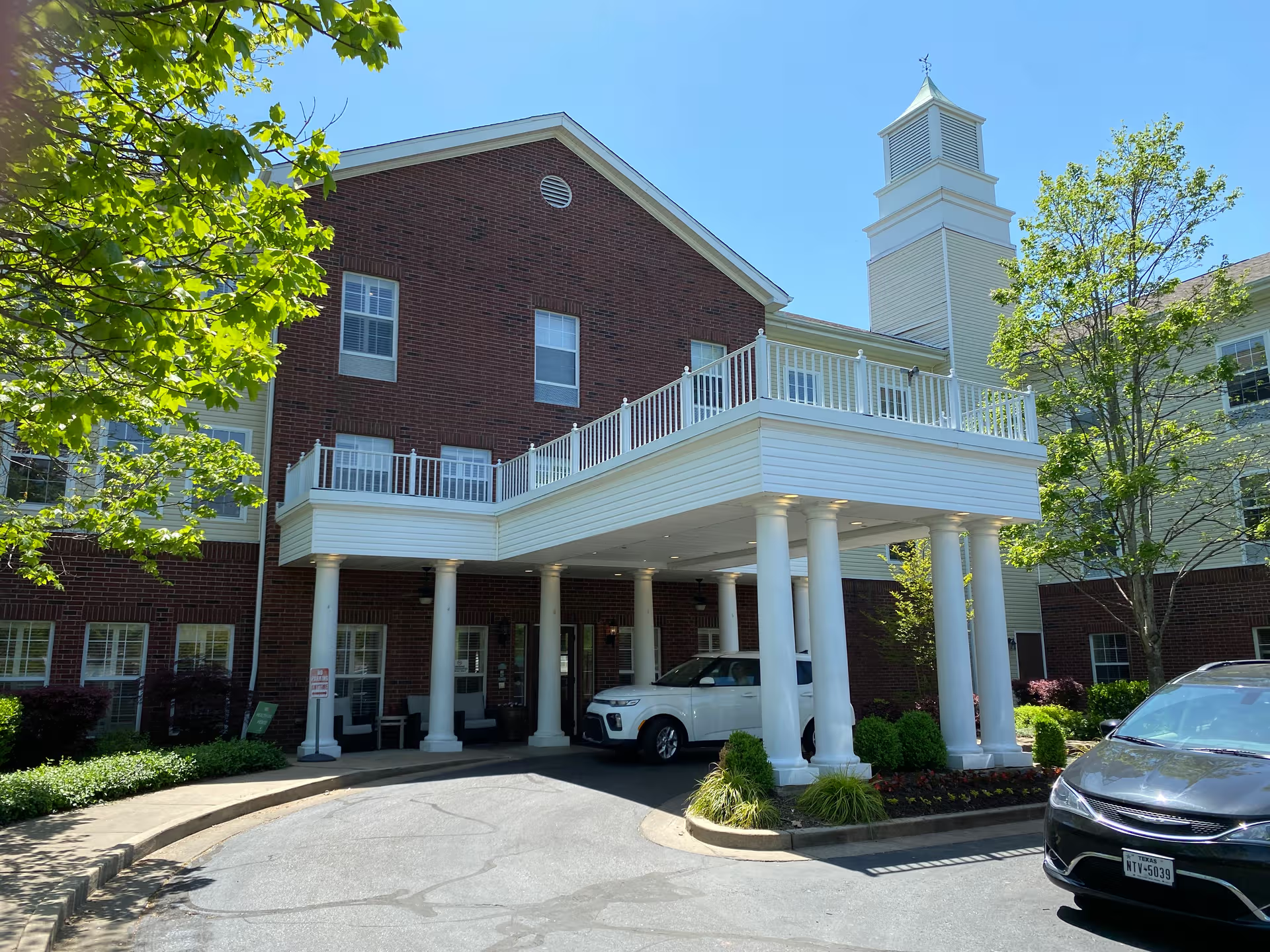
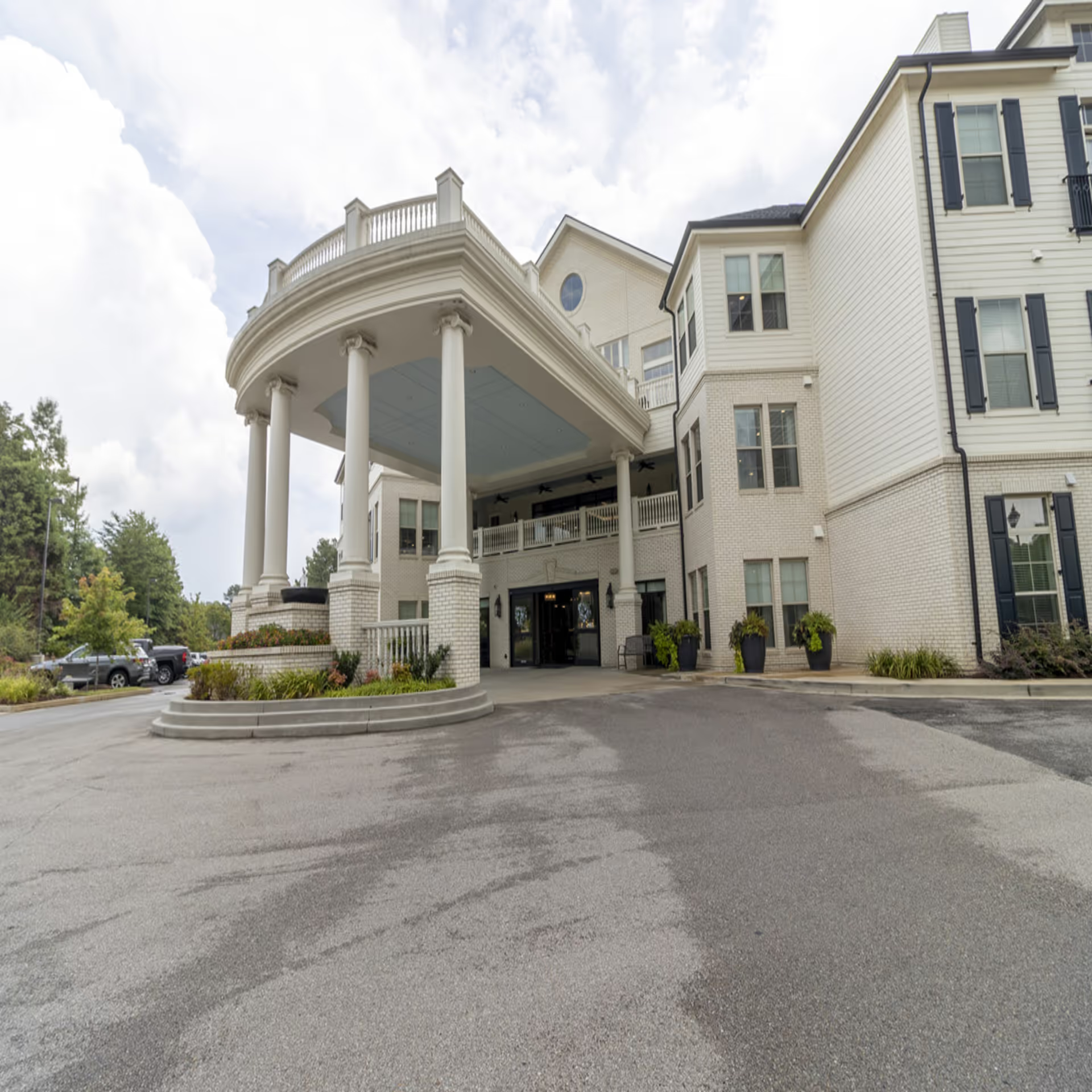
Facilities and operations: The greenhouse/garden-home design, private rooms, and ability to personalize living spaces are clear strengths, and the campus is described as clean and pleasant. Operationally, reviewers raised issues with linen and laundry management, missing sheets and bedding at times, mattress maintenance (e.g., deflation), and occasional loss or misplacement of resident clothing and belongings. These items point to gaps in routine maintenance and property management rather than structural facility problems.
Management and communication: Opinions of management are mixed. Some families found managers compassionate and communicative, while others perceived an emphasis on cost-containment that may influence staffing and operational decisions. Several reviewers also reported difficulty reaching staff by phone or obtaining timely family communication. For families considering the community, it would be prudent to discuss complaint-resolution procedures, family communication protocols, and how management addresses staffing shortages.
Notable patterns and recommendations: The dominant positive themes are caring staff, effective rehab, and a comfortable, home-like campus. The dominant negatives are operational: inconsistent staffing, variable personal-care reliability, laundry/linen and maintenance lapses, meal-service inconsistencies, and communication barriers. Prospective residents and families should observe meal service and care interactions during a visit, ask for up-to-date staffing ratios and turnover data, review laundry and personal-property procedures, and clarify how management handles staffing shortages and family communications. These steps will help determine whether the facility’s strong elements align with a family’s priorities and whether the operational concerns are being actively addressed.