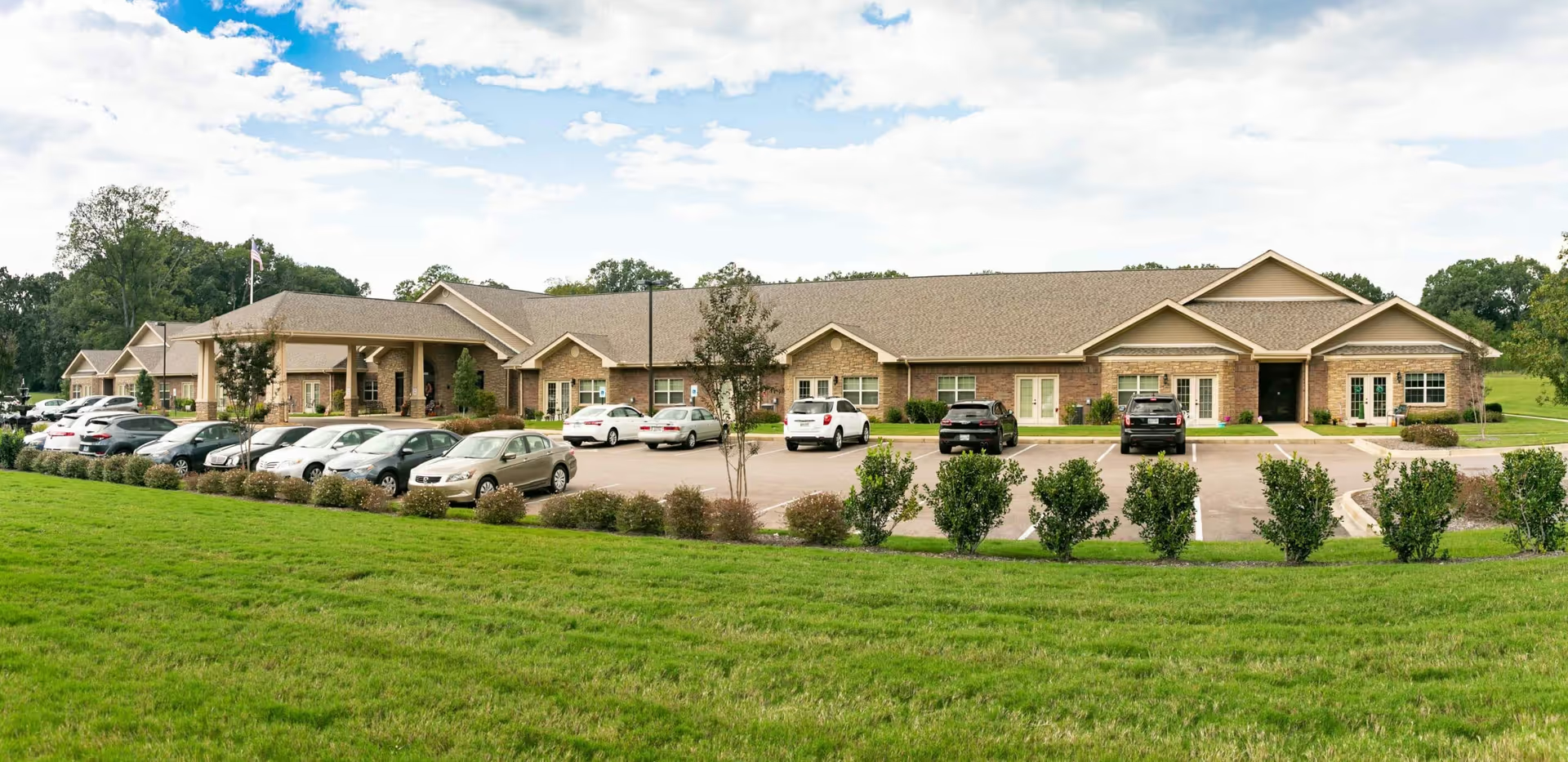
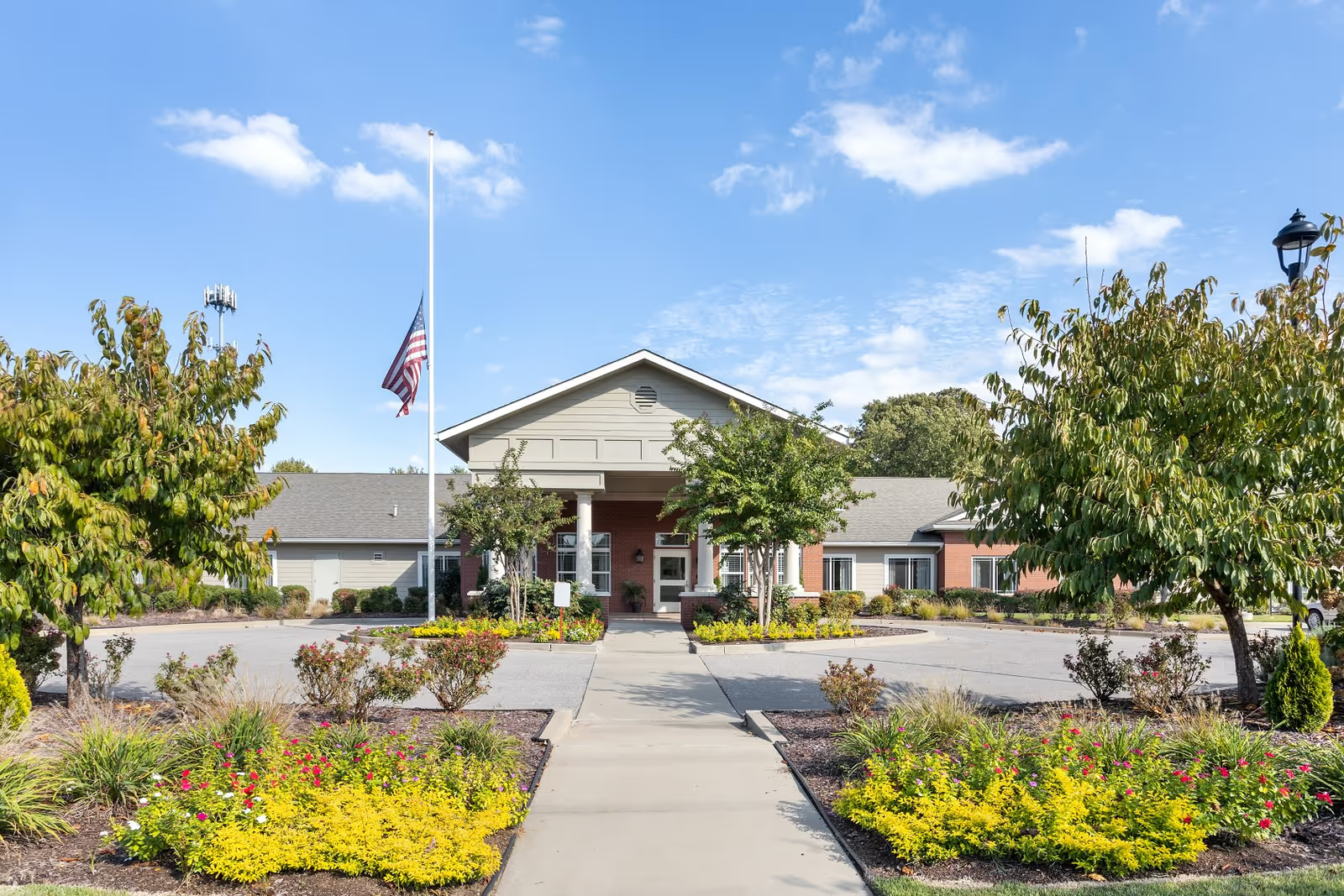
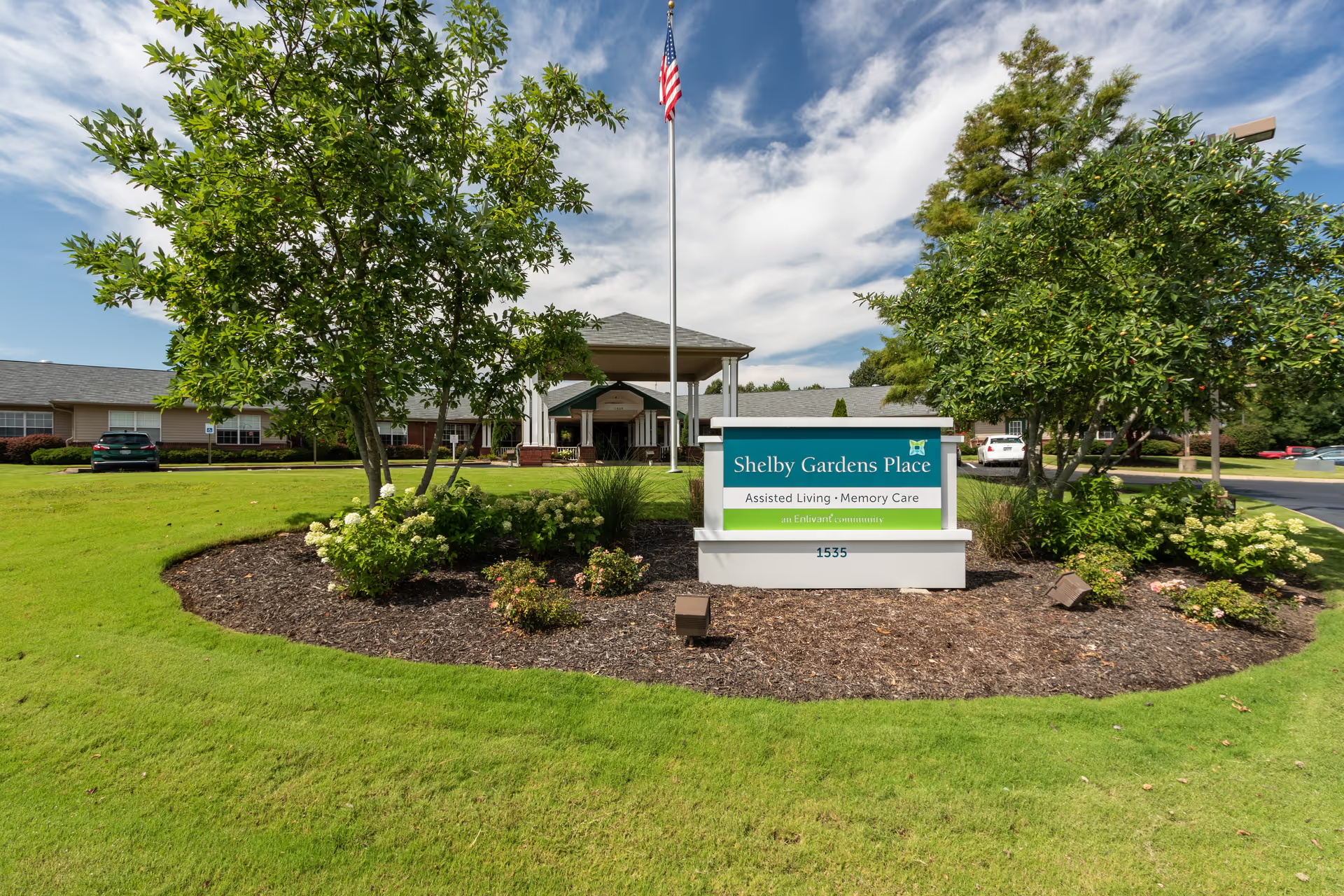
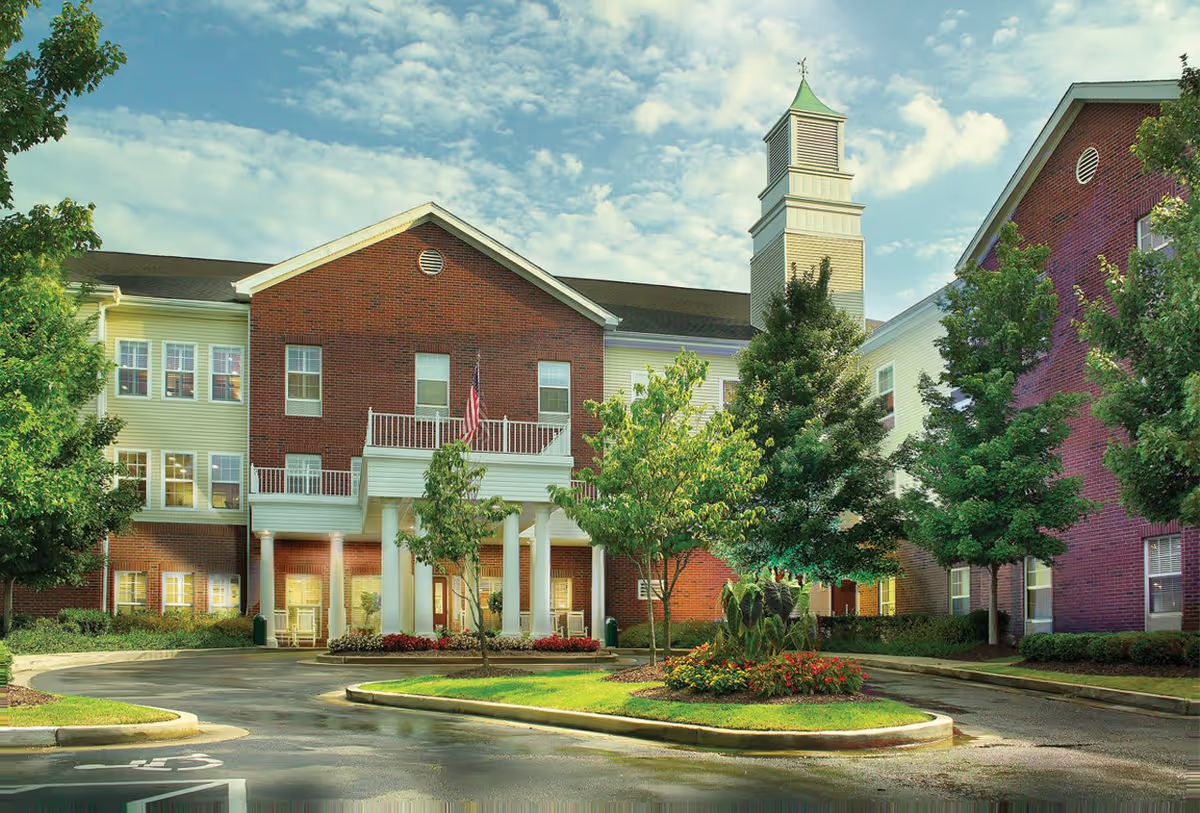
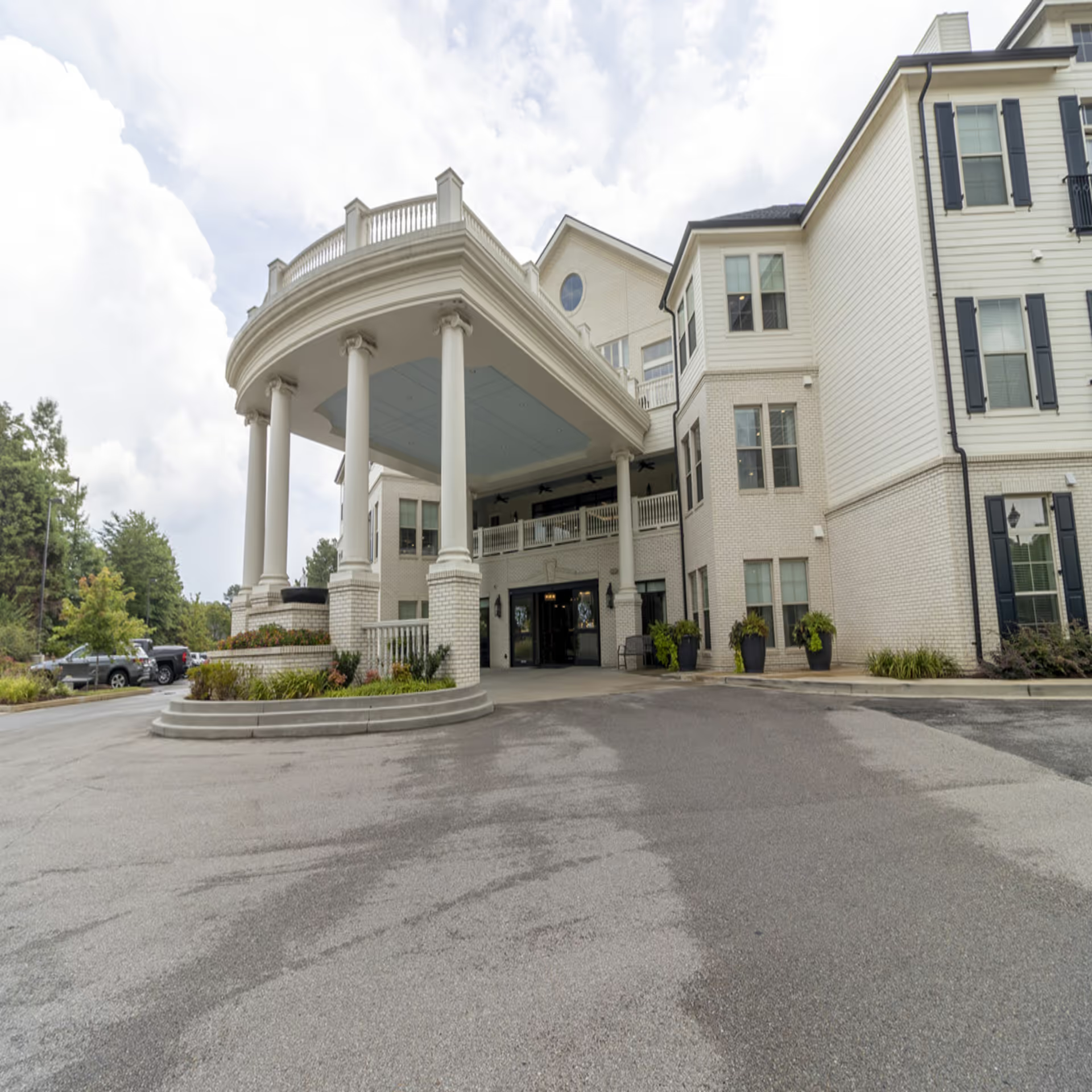
The reviews present a facility with clear strengths in rehabilitation, therapy, and certain aspects of hospitality, alongside recurring operational weaknesses. Many families and visitors highlight positive experiences with physical, occupational, and speech therapy teams; specific clinicians (wound-care nurses, nurse practitioners) and case managers receive repeated praise for attentiveness and effectiveness. The site and grounds are frequently described as attractive, with private rooms and comfortable common areas. The activities program and front-desk reception are often cited as welcoming and engaging, contributing to a positive social environment for many residents.
Clinical-care assessments are mixed. Positive accounts emphasize timely therapy, effective discharge planning, and strong hands-on care from some CNAs and nurses. However, a substantial number of reviews describe inconsistent clinical oversight across shifts and units. Patterns cited include missed or improperly managed medications, delays in urgent clinical response, and variability in repositioning and wound-prevention practices. A few reviews raised concerns following a resident's death and questioned end-of-life care and post-incident communication; these account-level concerns underscore the facility’s inconsistent reliability in higher-acuity situations.
Staffing and responsiveness emerge as a central operational issue. Multiple reports point to understaffing at night and on weekends, long waits for call-light responses, and uneven performance between daytime and nighttime teams. There are also repeated concerns about the tone of staff–family communication and instances where families felt care instructions were not followed or were dismissed. Conversely, other reviewers describe compassionate, professional interactions and single-shift teams that work well together — reinforcing the theme that quality appears variable by unit, shift, and personnel.
Dining and daily living services show variability as well. Several reviewers praise meal service and describe good food and hospitality, while others note inadequate accommodation for special diets, cold or poorly prepared meals, and problems obtaining basic supplies. Laundry and personal-belonging management are reported as inconsistent, with a number of families reporting missing clothing or mixed-up labeling. There are also reports of supply-access problems (equipment locked away or unavailable after hours) and some pest-control and sanitation concerns in particular areas that indicate lapses in environmental services and inventory procedures.
Management and administrative practices receive mixed commentary. Some reviewers commend proactive administrators and unit managers who engage with families and improve operations; others report poor follow-up, unclear billing or co-pay policies, and difficulty reaching social work or administrative staff outside business hours. Safety-practice variability is another recurring pattern: cited issues include lapses in dementia-specific programming and wandering prevention, equipment and transfer-safety concerns, and sporadic security lapses. Taken together, the pattern suggests the facility can provide high-quality, rehabilitative, and hospice-capable care when staffing, supervision, and administrative communication align, but there are notable and repeated operational vulnerabilities that prospective residents and families should evaluate closely.
Recommendation: Families should assess the facility at the unit and shift level — ask about weekend/night staffing ratios, medication-administration protocols, dementia-care programming, infection-control and pest-management records, and procedures for equipment access and lost belongings. Confirm who will serve as the primary point of contact, request recent deficiency surveys and corrective actions, and, if possible, observe mealtime and therapy sessions to verify consistency with the positive reports of therapy and activities.