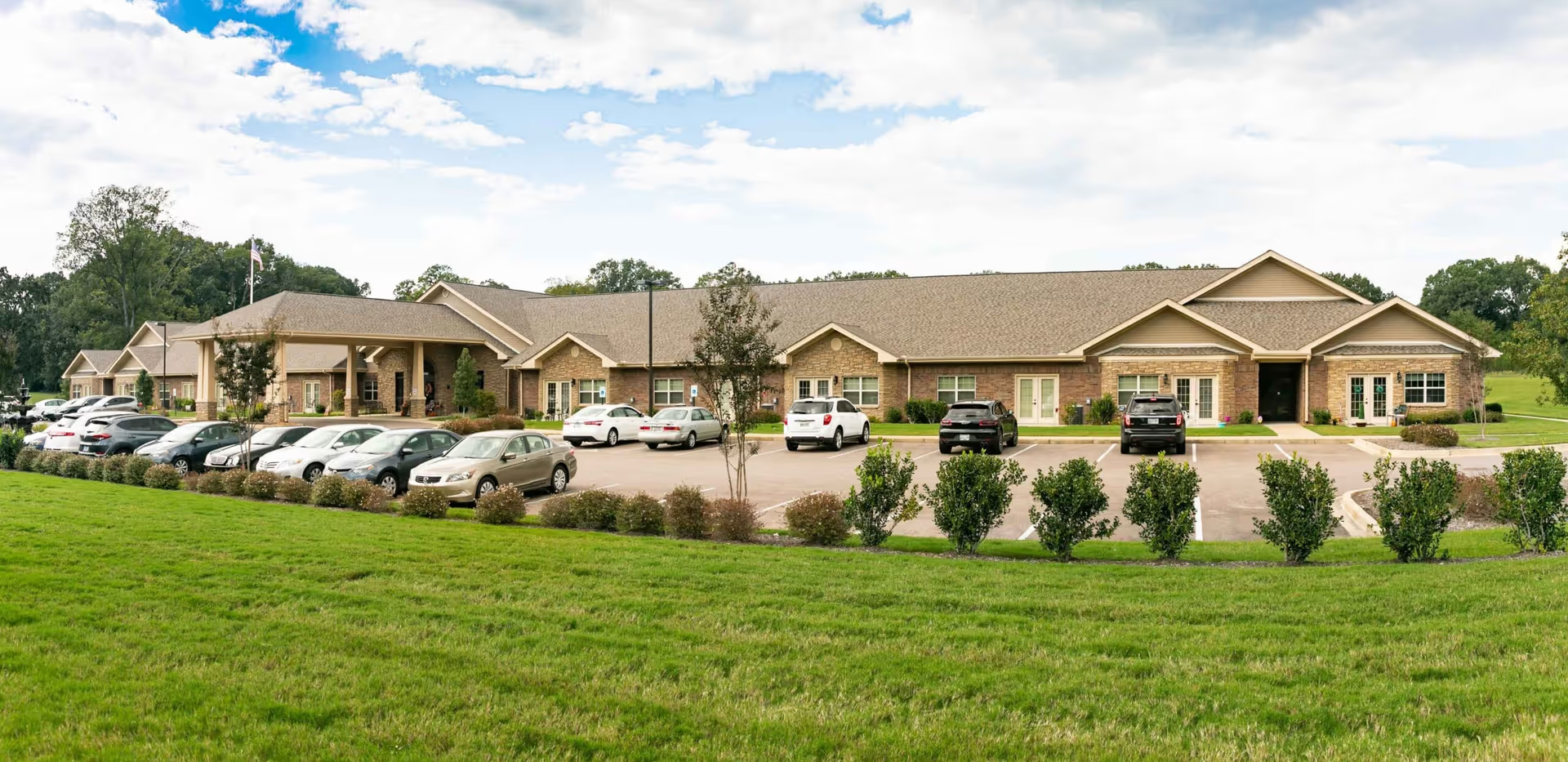
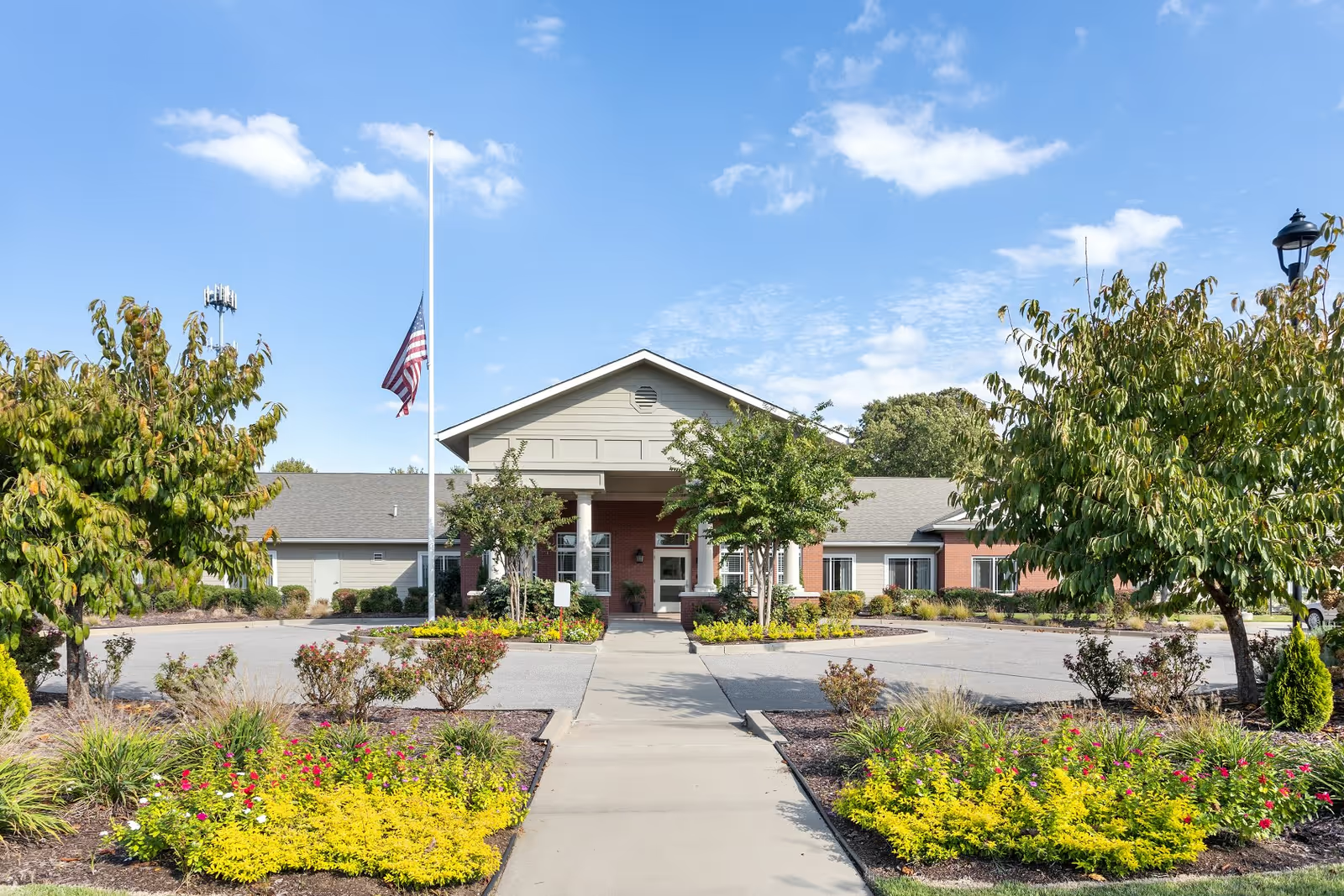
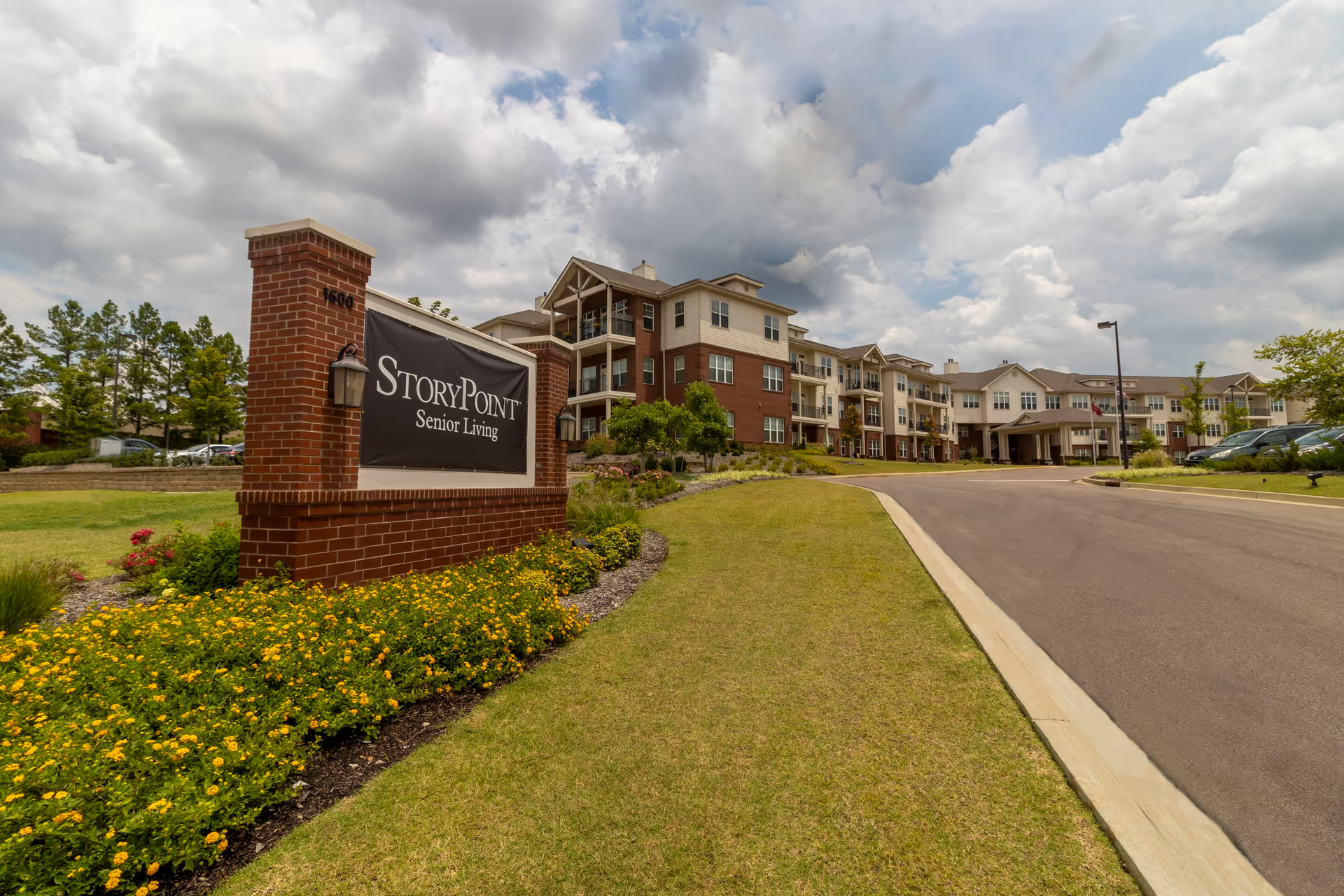
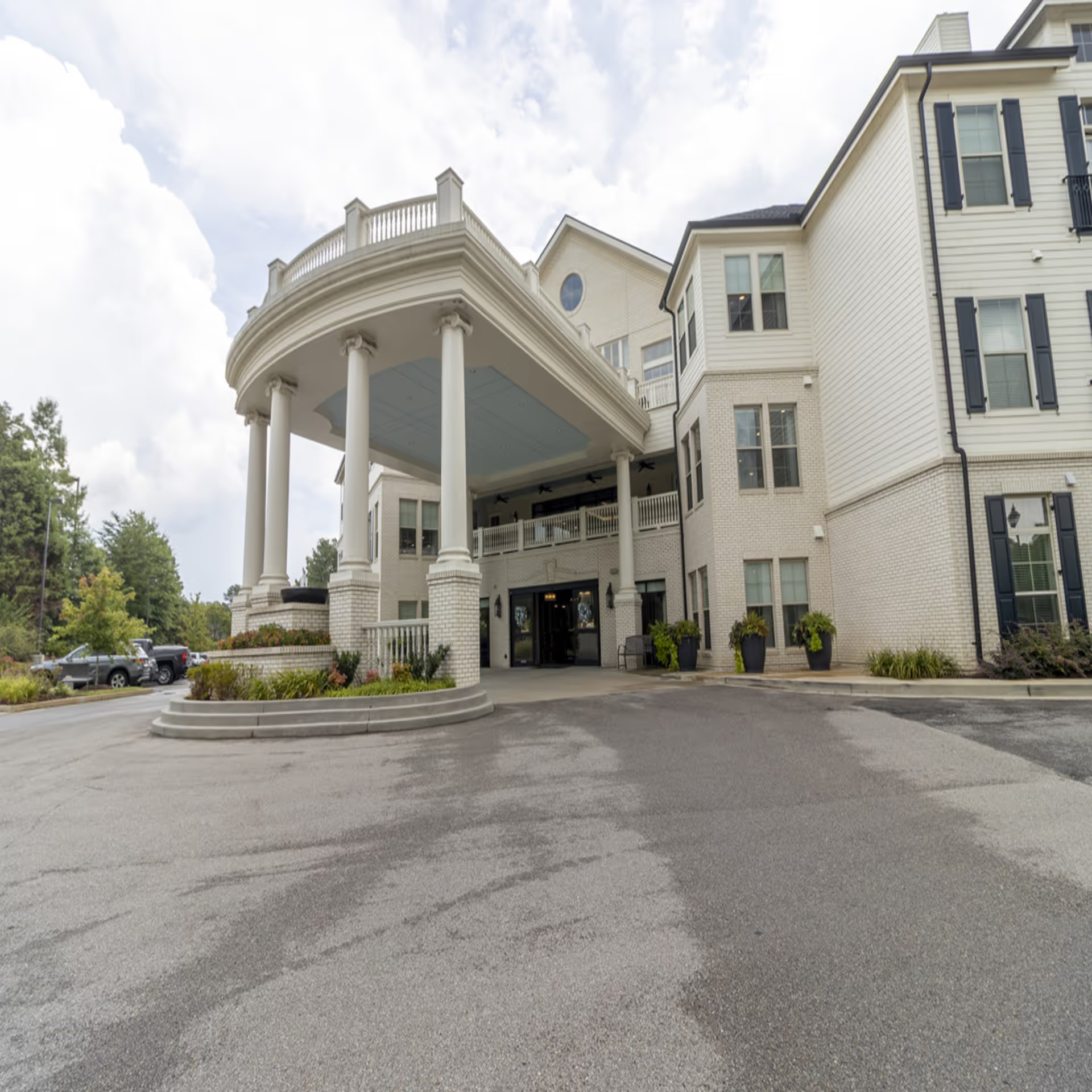
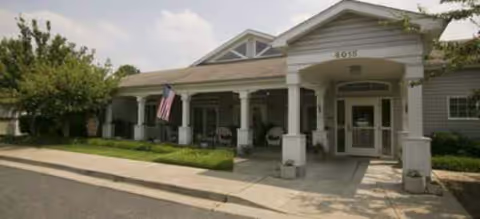
The King's Daughters & Sons Home elicits strongly mixed impressions. Many families and visitors describe a warm, welcoming environment with caregivers who are attentive, compassionate, and skilled in rehabilitation — particularly for stroke recovery and short-term rehab needs. The facility is frequently described as clean, airy, and well-kept, with pleasant outdoor spaces and options for private rooms. Several accounts emphasize efficient admissions, secure entry, and staff who know residents by name, which contribute to a reassuring day‑to‑day experience for many residents and their families.
At the same time, a pattern of inconsistency emerges across reviews. While some families praise frequent updates and responsive nursing, others report variability in staff tone and responsiveness, especially by phone and during evening shifts. Concerns were raised about medication administration and monitoring practices, including disagreements over dosing and timing; these suggest the need for clearer medication protocols and family communication around pharmacologic decisions. A subset of families also described uneven personal-care practices and wound-care follow-through, which indicate variability in how basic care tasks are scheduled and documented.
Management and communication are another mixed area. Positive reports note staff who proactively keep families informed and who coordinate well during transfers. Conversely, other families experienced defensive or unresponsive interactions at reception and with some managers, and expressed frustration over difficulty getting timely information. Infection-control and outbreak communication also surfaced as a point of concern in several comments, with requests for greater transparency and consistent messaging during such events.
The facility’s activity program and physical environment are recurring strengths: reviewers mention engaging daily activities, bingo and social programming, attractive outdoor gazebos, and a generally clean interior. Noise control at night and shared-room configurations were identified as practical limitations for some residents, and a few reviewers described the building exterior or grounds as less attractive, indicating variability in aesthetics across the campus.
For prospective residents and families: consider touring during daytime and evening hours to assess nighttime staffing and noise levels; ask for the facility’s medication‑management protocols, wound‑care and bathing schedules, and infection‑control procedures; clarify how the facility communicates clinical changes to families and who the point people are for escalation; and confirm room types and privacy options. The facility demonstrates clear strengths in rehabilitation, compassionate caregiving, and activities, but the documented variability in communication, clinical monitoring, and personal‑care routines suggests it is important to verify current practices and recent improvements directly with management before placing a loved one.