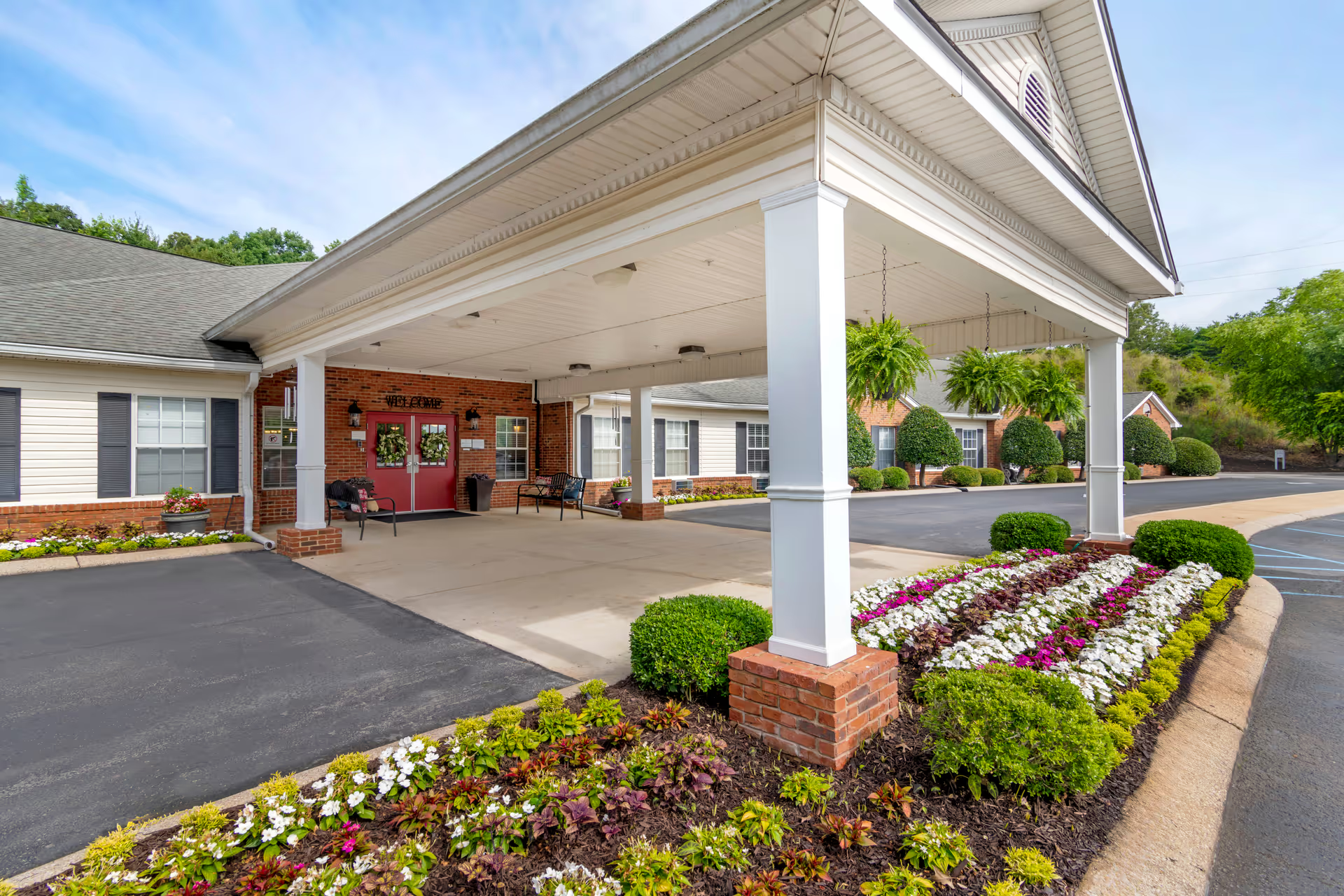
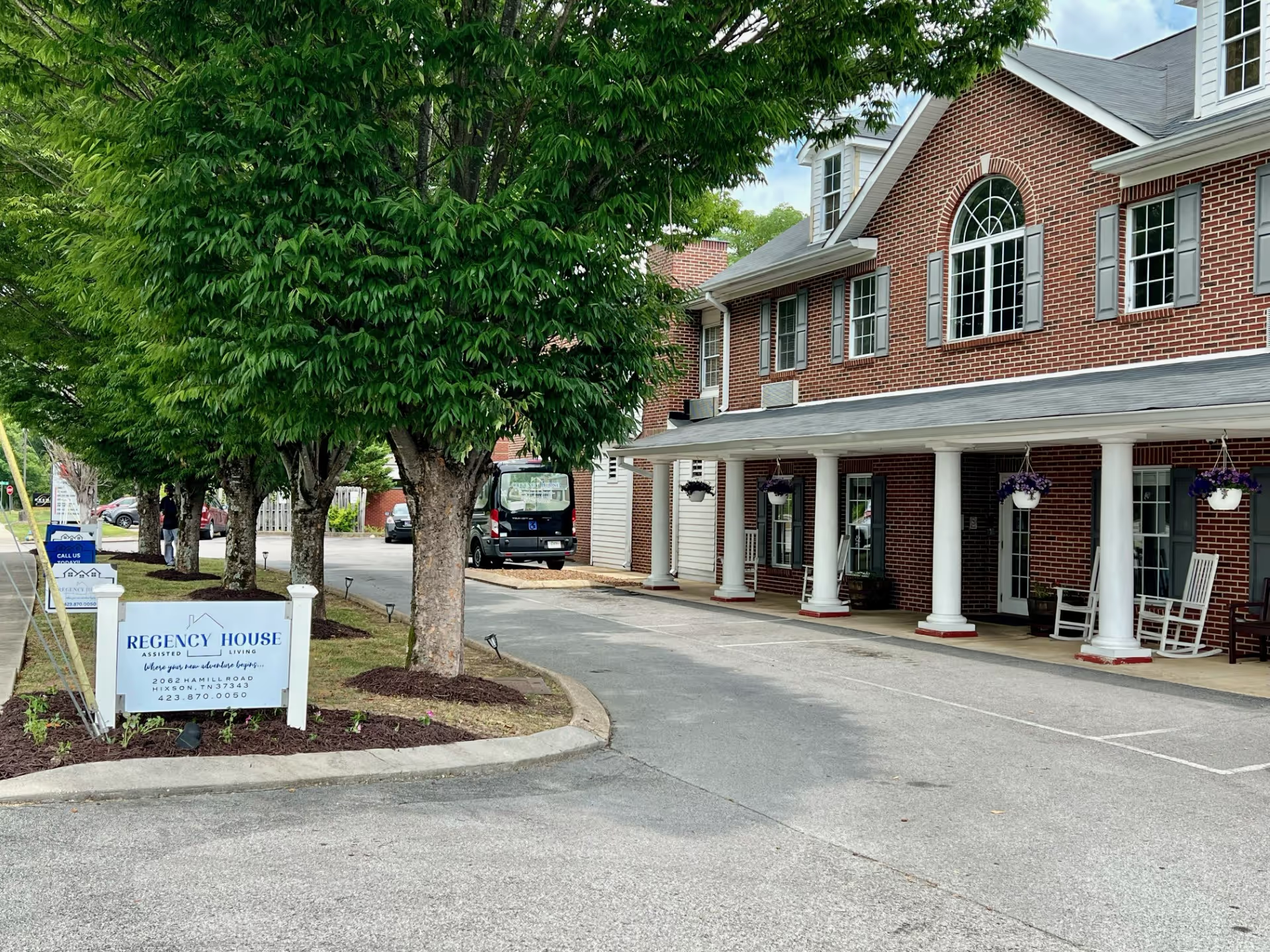
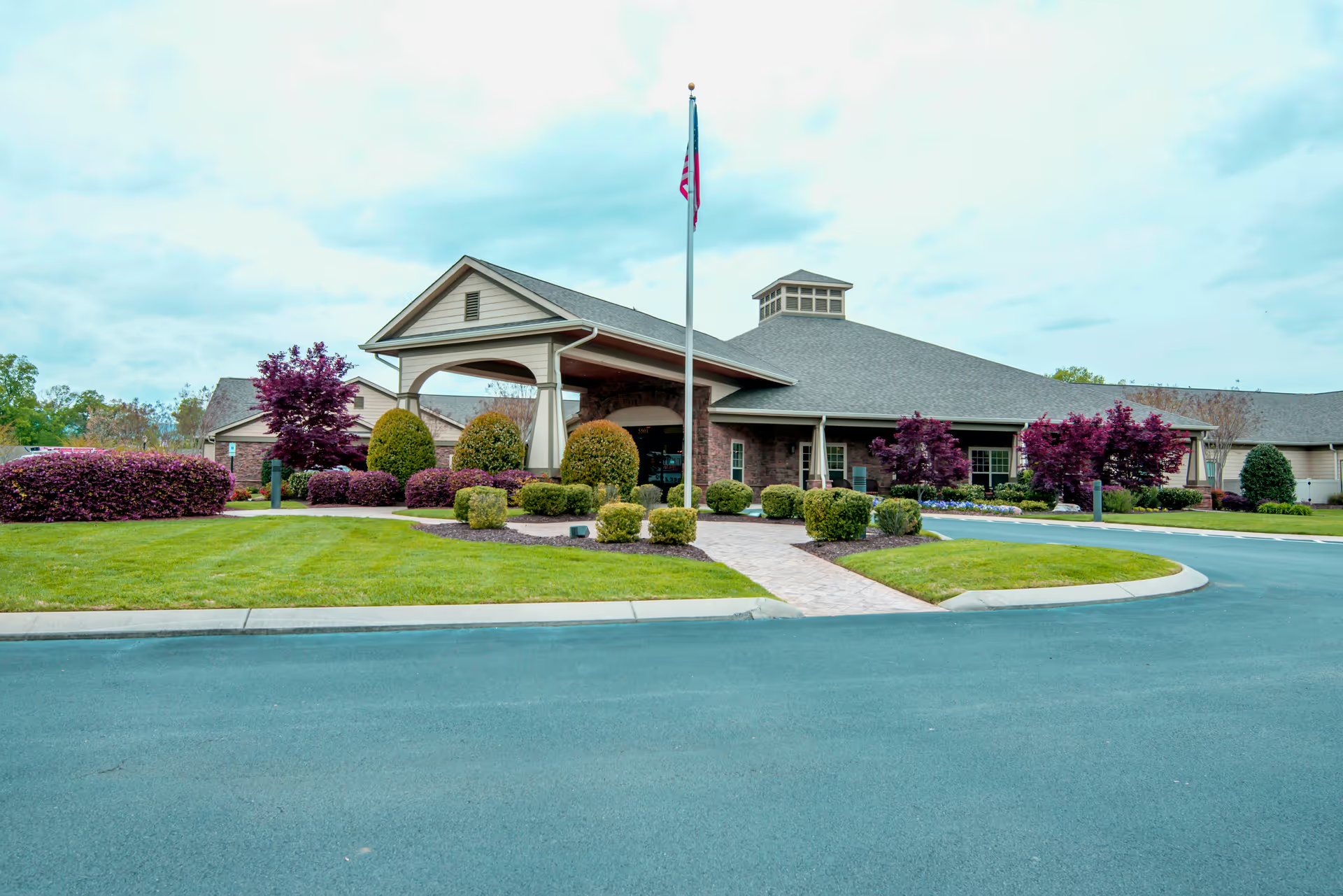
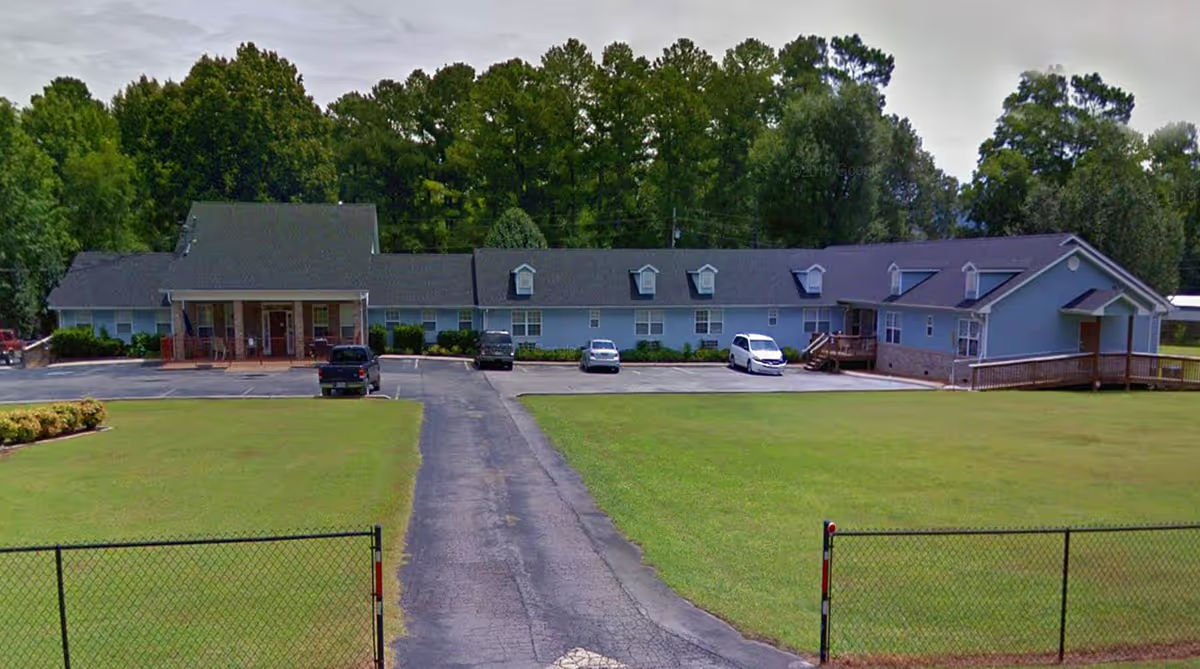
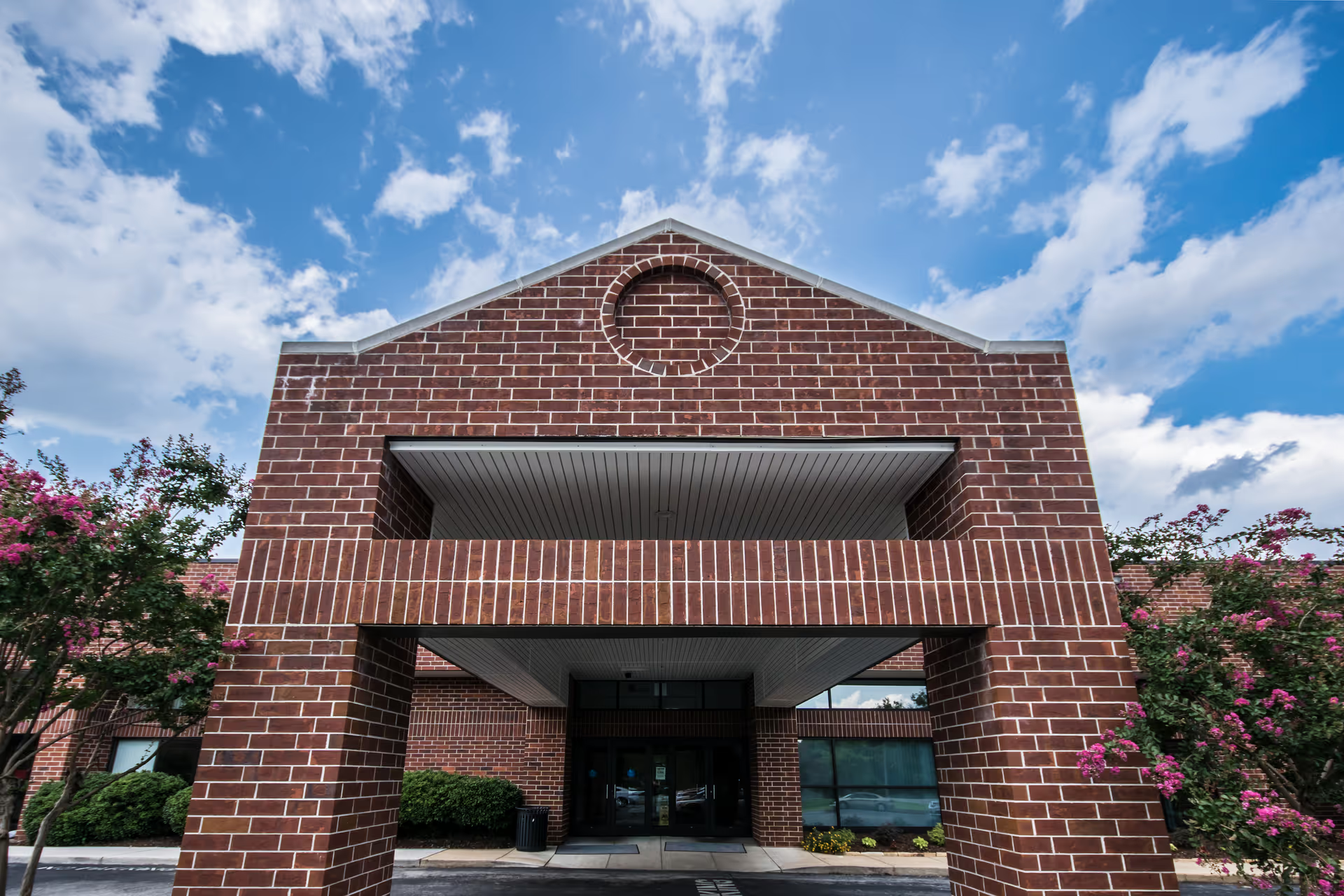
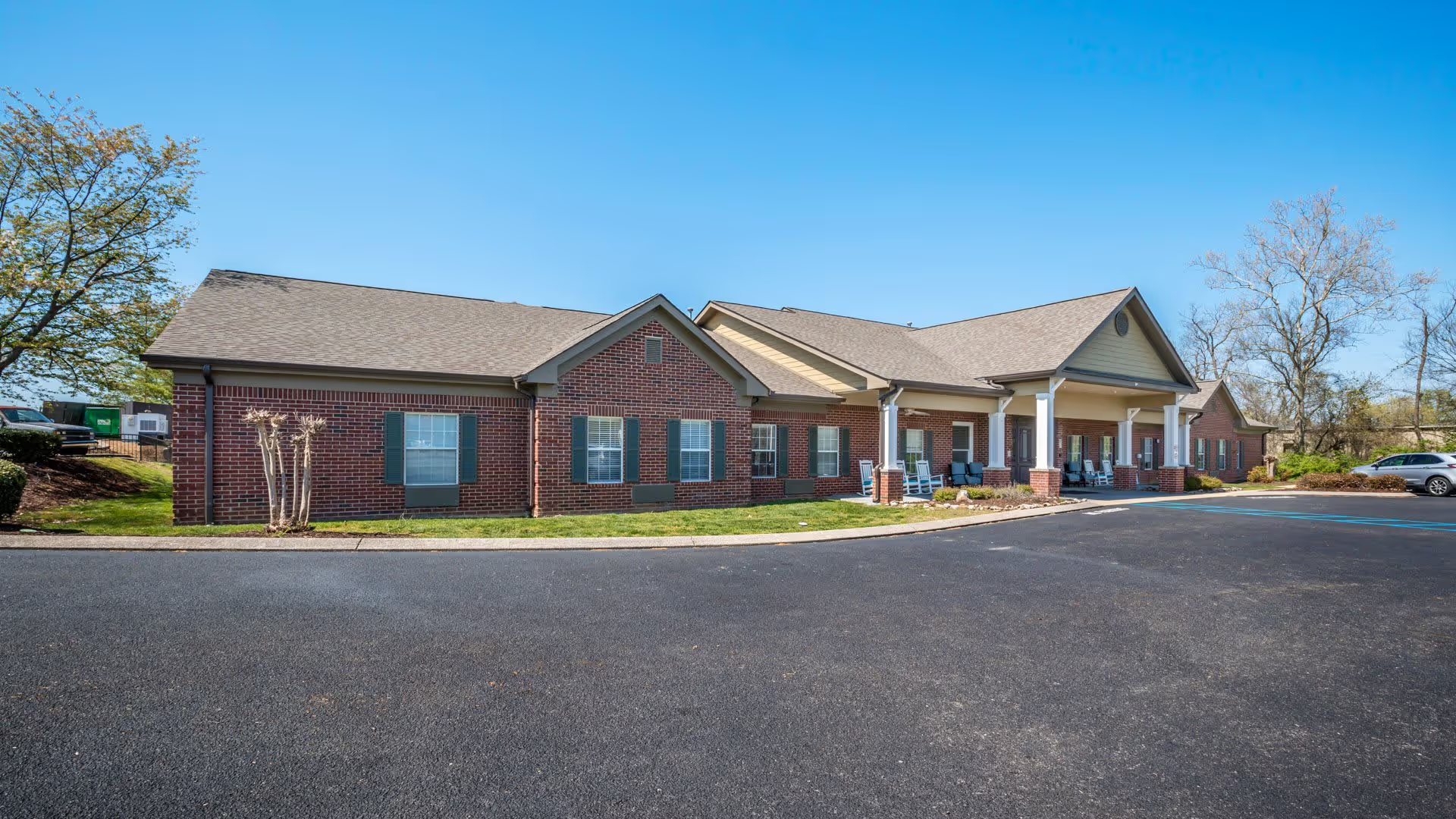
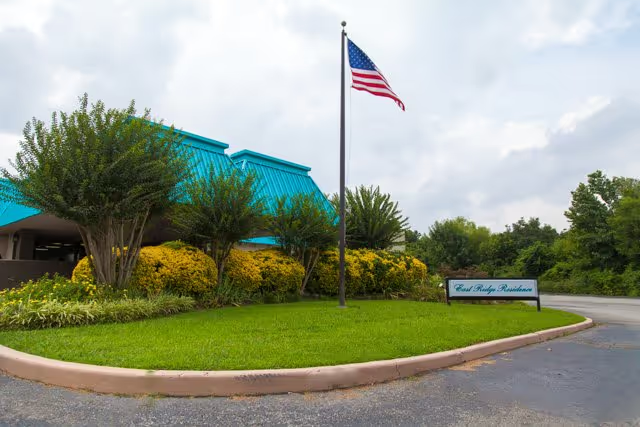
Reviewers describe a community with many strengths alongside notable operational inconsistencies. Strengths frequently cited include attentive, compassionate direct-care staff, a long-tenured administrative presence, and a personalized approach where caregivers learn resident preferences and names. The community’s life-enrichment offerings are a clear positive: residents have access to varied daily programming, frequent outings, transportation, and social events that families describe as restoring social engagement and improving quality of life. Physical attributes that draw praise include recent renovations, bright apartment layouts with kitchenettes, well-kept courtyards and grounds, and an overall home-like atmosphere in much of the facility.
Care and staffing present a mixed picture. Numerous comments highlight warm, patient staff and strong moments of individualized care, including attentive memory-care programming for some residents. At the same time, there are repeated operational themes: intermittent understaffing, reliance on agency personnel, turnover in nursing leadership, and gaps in clinical oversight. Reviewers raised concerns about medication-management processes and handoffs, and a subset described delays in personal-care attention. These items suggest variability in day-to-day clinical reliability rather than consistently delivered practice.
Dining and activity programming are generally strong features. Many reviewers praise the chef-driven menus, event-based food offerings, and the availability of room service or individualized meals. However, others report inconsistent food quality over time and service interruptions; the dining room was also described as constrained in capacity during busy periods. The activities team and outings are often cited as a major benefit, with music, games, exercise, and community events regularly available.
Facility upkeep and housekeeping receive both positive and critical notes. The property is commonly described as clean, recently updated, and pleasant, but there are recurring sanitation and odor concerns in certain halls and memory-care areas and an uneven housekeeping cadence for some apartments. Memory-care accommodations are functional and secure, yet several reviewers noted small room sizes and a degree of isolation for residents on smaller floors; accessibility details such as bathroom fixtures were called out as needing attention in some units.
Management and communication show variability across reviews. Many families commend an open-door administrative approach, responsive admissions staff, and hands-on leadership that addresses concerns. Conversely, other families describe lapses in communication, unexpected changes to care arrangements or billing, and instances where management responsiveness was delayed. There are references to regulatory scrutiny and personnel changes in response to incidents; while these indicate that issues have been surfaced and acted on, they also underscore the importance of verifying current compliance and improvement actions.
For prospective residents and families: the facility offers a strong social program, appealing physical environment, and many caring staff members, making it a good fit for people prioritizing activities and a home-like setting. At the same time, prospective families should evaluate operational reliability by asking specific questions about staffing ratios (including weekend coverage), agency staff usage, medication administration protocols, housekeeping schedules, memory-care room layouts, dining-service consistency, and an itemized fee structure. Reviewing recent state inspection and corrective-action records and arranging multiple visits (including meal observations and memory-care tours) will help determine whether recent improvements have addressed the operational concerns noted in some reviews.