Reviews for AHC Applingwood are strongly polarized: while many families describe compassionate caregivers, an active activities program, and successful short-term rehabilitation outcomes, a substantial number of accounts identify persistent operational and clinical concerns. The balance of feedback indicates that resident experience at this facility can vary widely by unit, shift, and individual staff assignment.
Care quality: Positive reports describe attentive, caring nursing staff who supported rehabilitation goals and helped residents regain independence. Conversely, multiple accounts identify inconsistencies in clinical oversight — examples include uneven medication administration, delays in recognizing and addressing changes in condition, and concerns about wound and pressure-area management. These clinical gaps are connected in some reports with transfers to higher-acuity care. The pattern suggests variability in clinical protocols and their consistent implementation.
Staffing and responsiveness: A recurring theme is inconsistent staffing levels and long staff shifts, which reviewers link to slower response times to call buttons, delayed assistance, and variable personal-care routines. Several reviews distinguish day-shift staff as generally more pleasant and engaged, while night-shift staffing and conduct are described as less professional and less responsive. Families also raised concerns about phone hold times and difficulties reaching nurses or receiving timely callbacks.
Dining and activities: The facility offers an active and varied activities program — arts and crafts, games, themed parties, religious services, and offsite outings are frequently cited as strengths. On-site salon services and social events were appreciated by many residents. Dining experiences, however, appear inconsistent: some reviewers praised the meals, while others reported cold or low-quality food and limited dietary adherence for individuals on therapeutic diets.
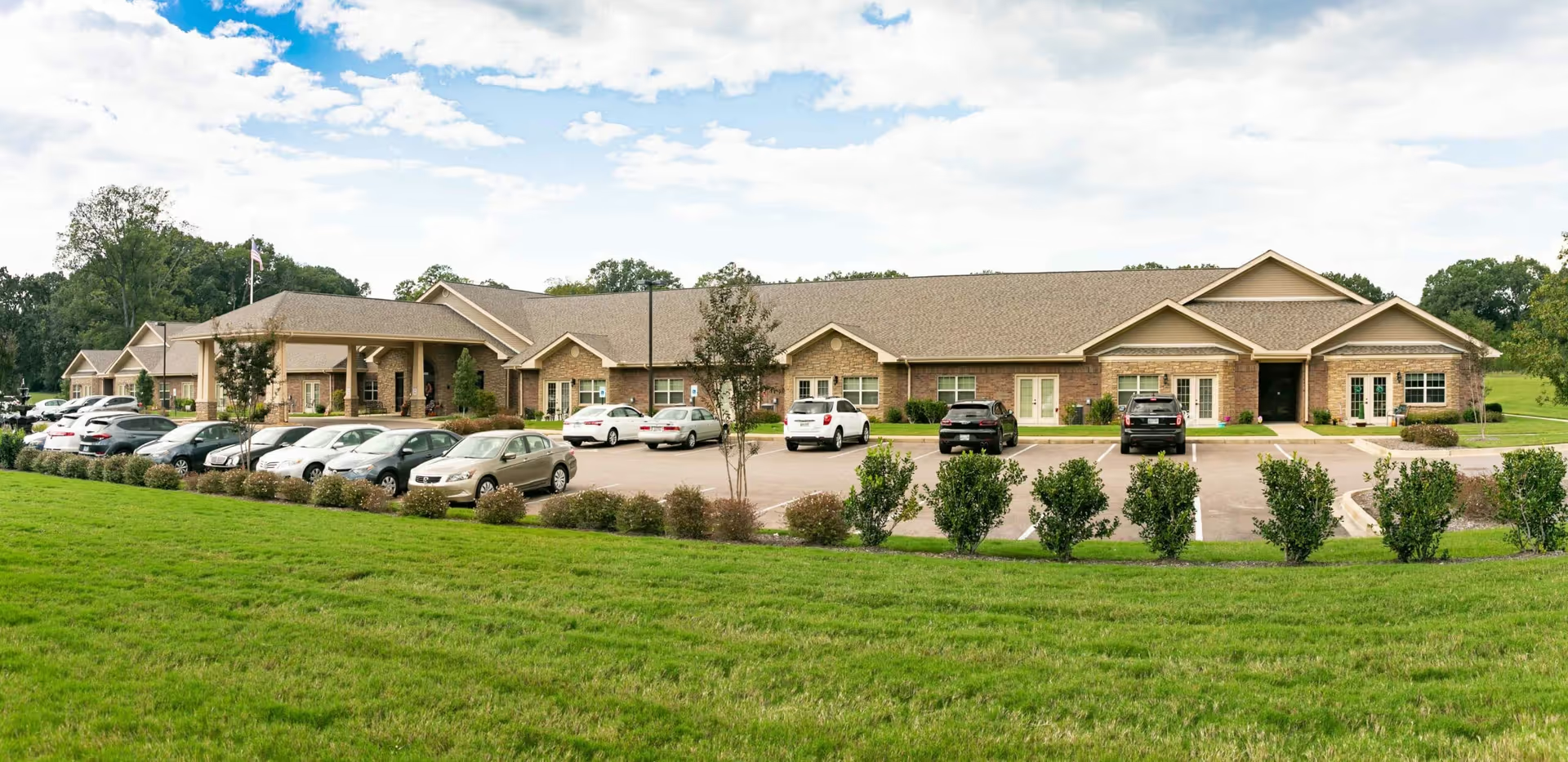
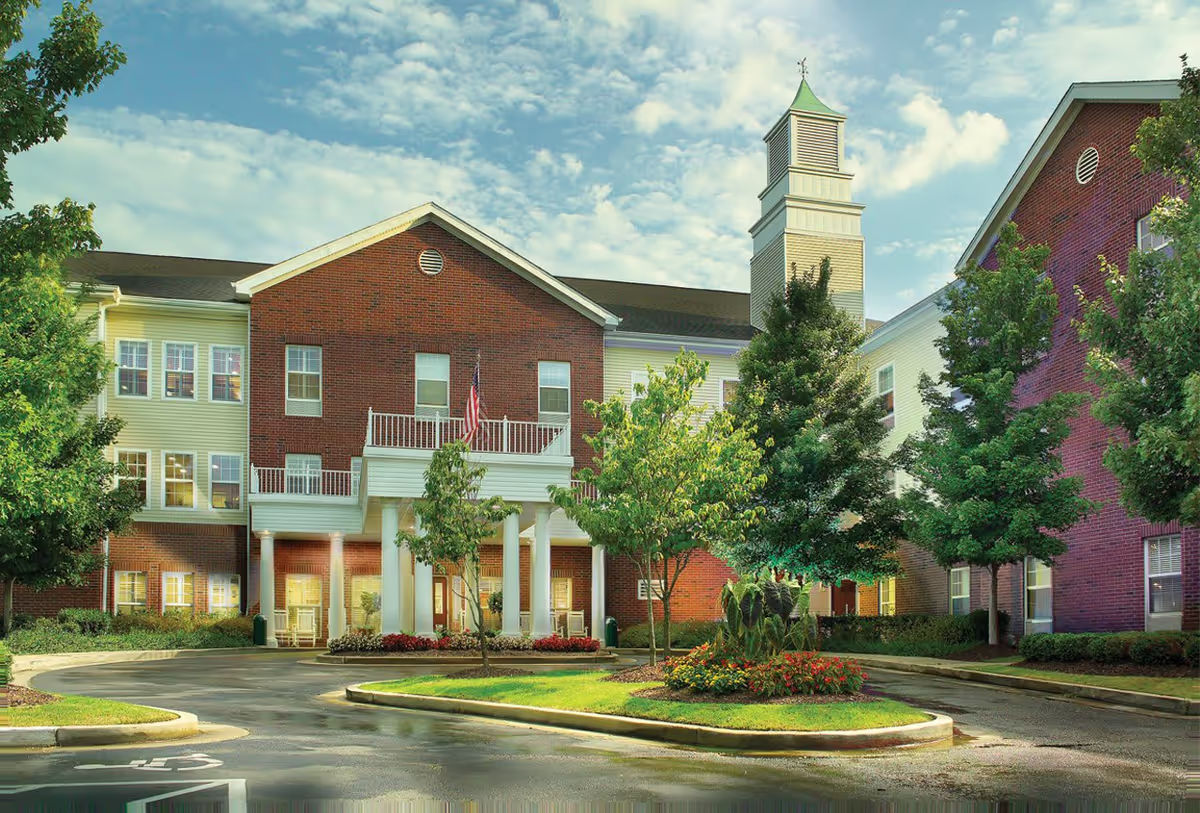
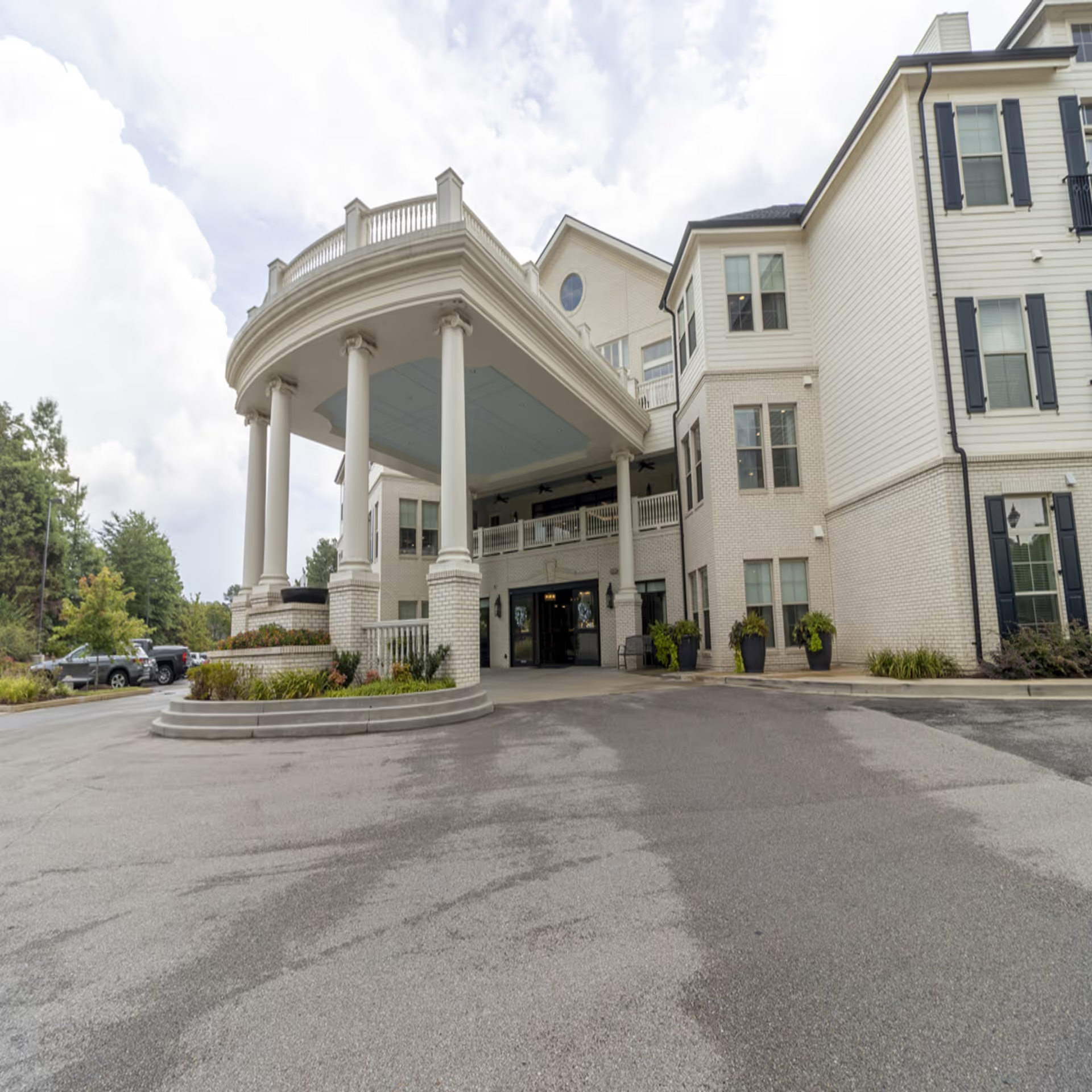
Facilities and housekeeping: The campus layout, room size, and some well-maintained areas receive positive comments, and the facility presents as home-like and easy to navigate. At the same time, there are repeated sanitation and housekeeping inconsistencies noted, including linen and room-cleaning lapses, odor concerns in certain areas, and issues with laundry handling and personal belongings. These indicate variability in environmental services and monitoring.
Management and administration: Several reviews point to administrative weaknesses such as billing and discharge process problems, poor follow-through on concerns, and perceptions of inconsistent accountability or favoritism among long-tenured staff. Communication breakdowns between families and leadership, including abrupt phone interactions and unresolved complaints, were highlighted. A few accounts referenced serious outcomes and concerns following a resident's death; those reports underscore the importance of verifying clinical oversight and escalation procedures.
Notable patterns and guidance for families: The dominant patterns are variability by shift and unit, and operational inconsistencies that affect clinical care, housekeeping, and family communication. For prospective residents and families considering this facility, an in-person visit at different times of day (including evenings and weekends) is advisable. Ask about staffing ratios by shift, medication administration protocols, wound-care and repositioning policies, how the facility documents and communicates clinical changes to families, laundry and belongings procedures, and recent state inspection/complaint history. Given the mixed experiences, verify assurances with written policies and recent inspection records before making placement decisions.