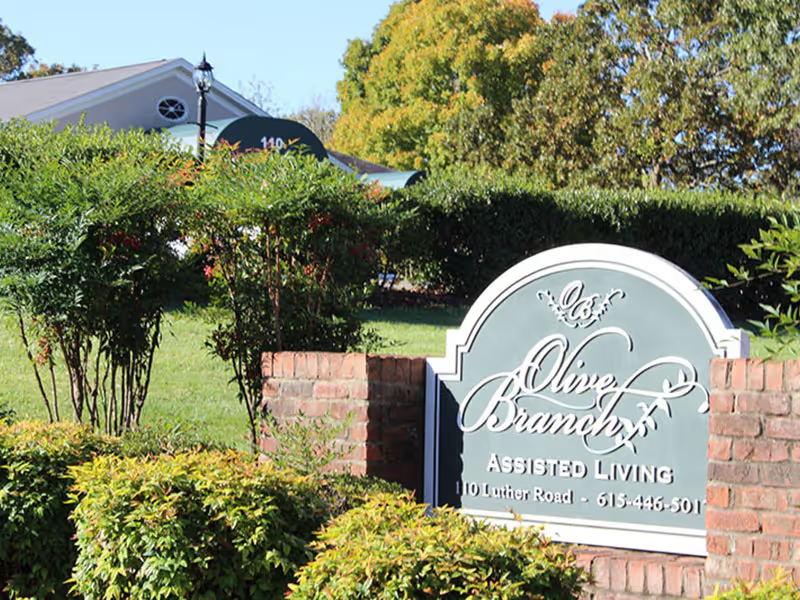
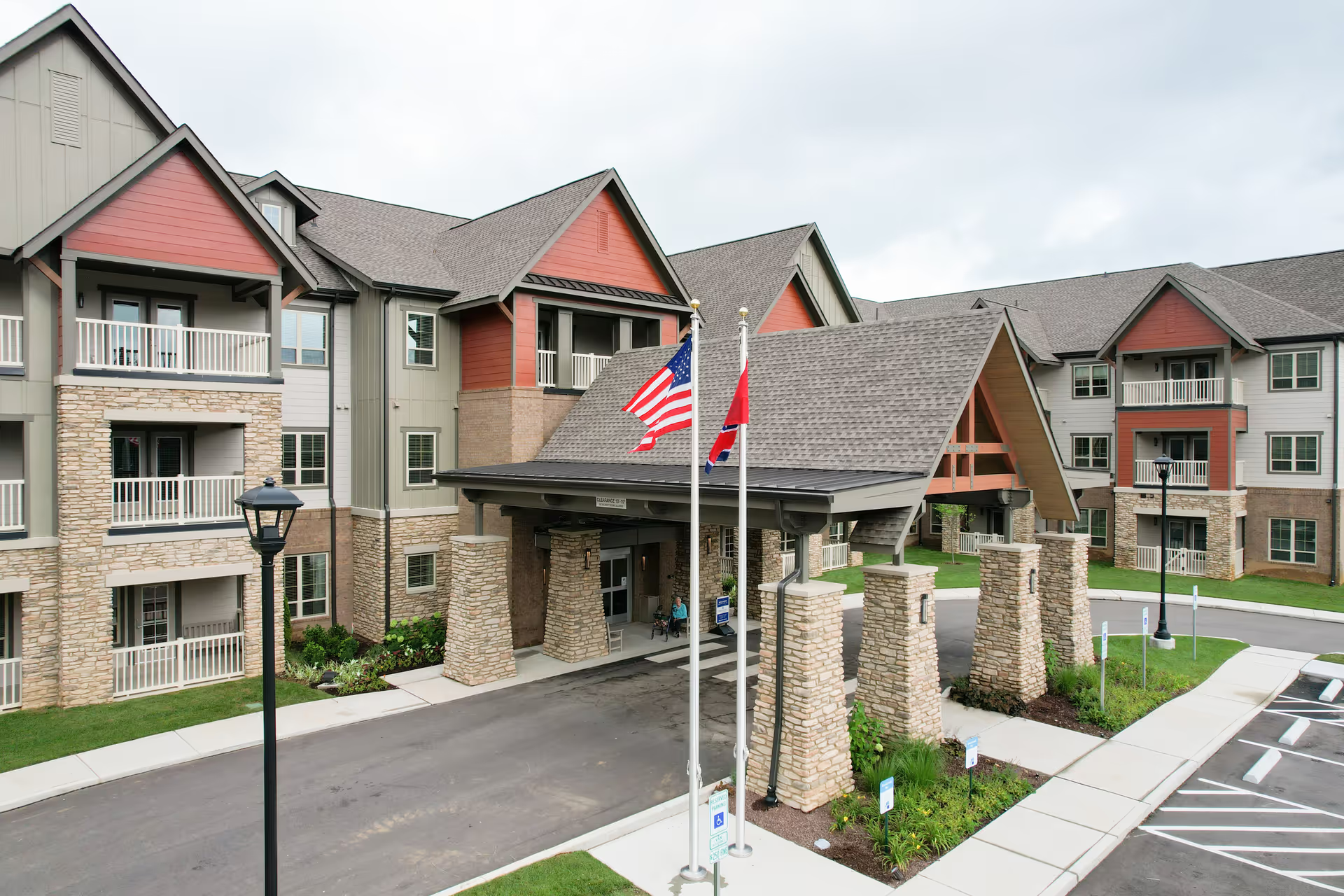
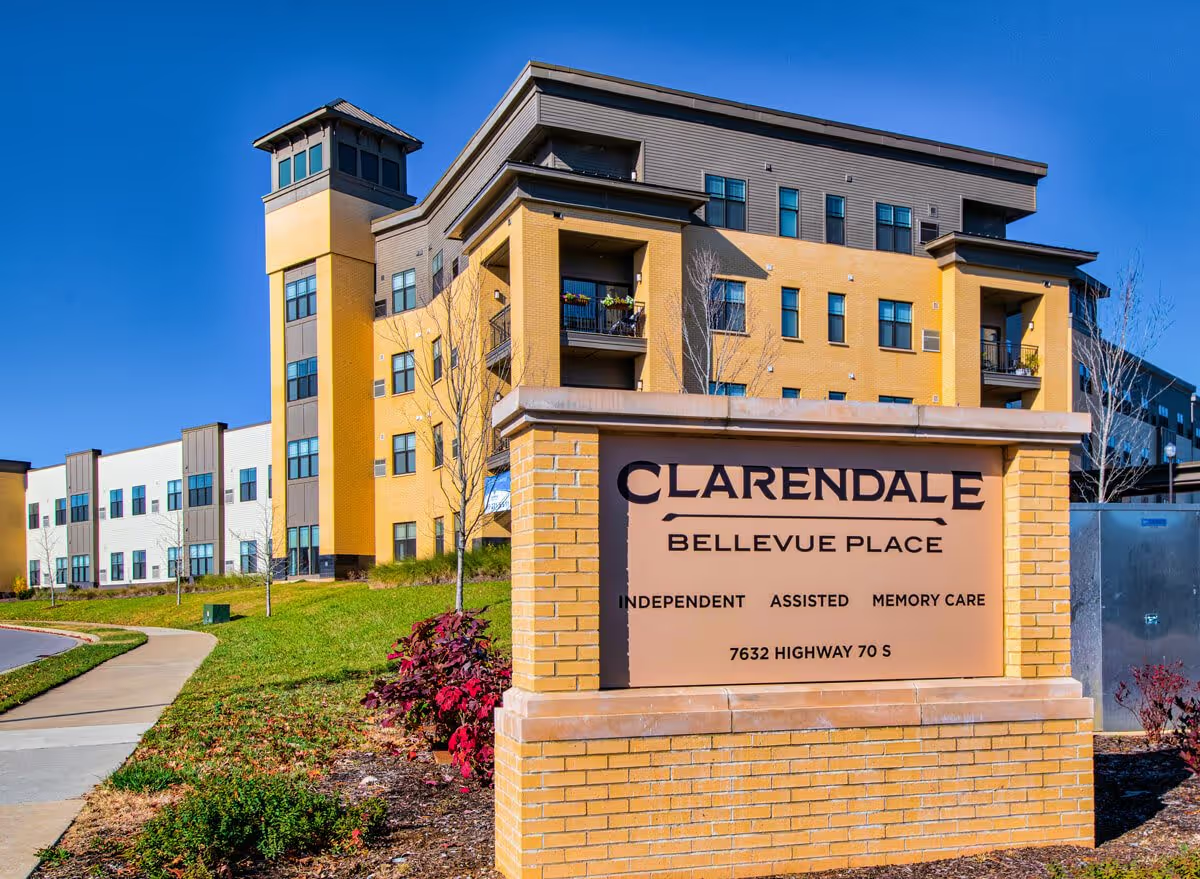
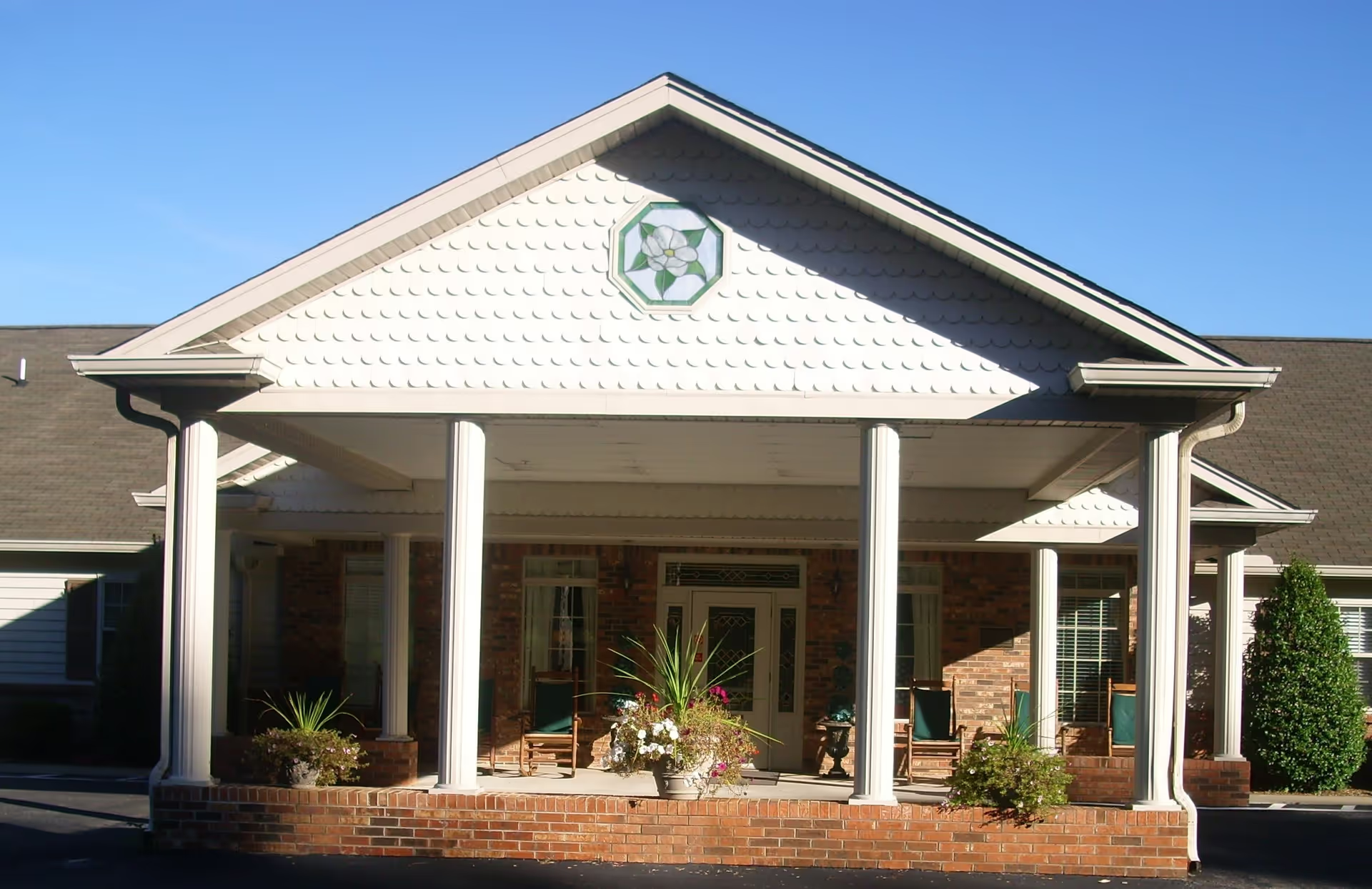
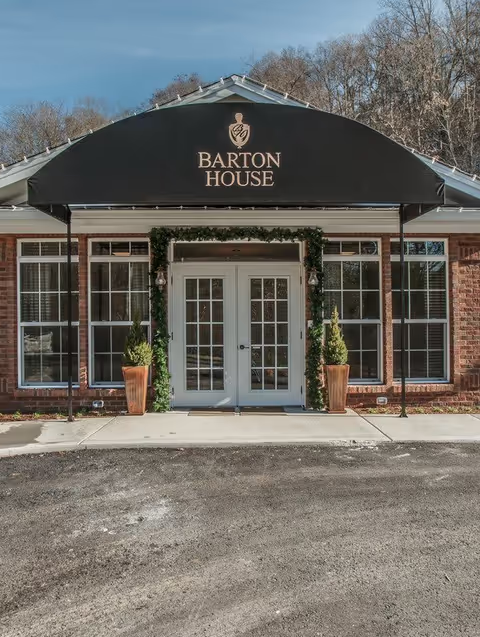
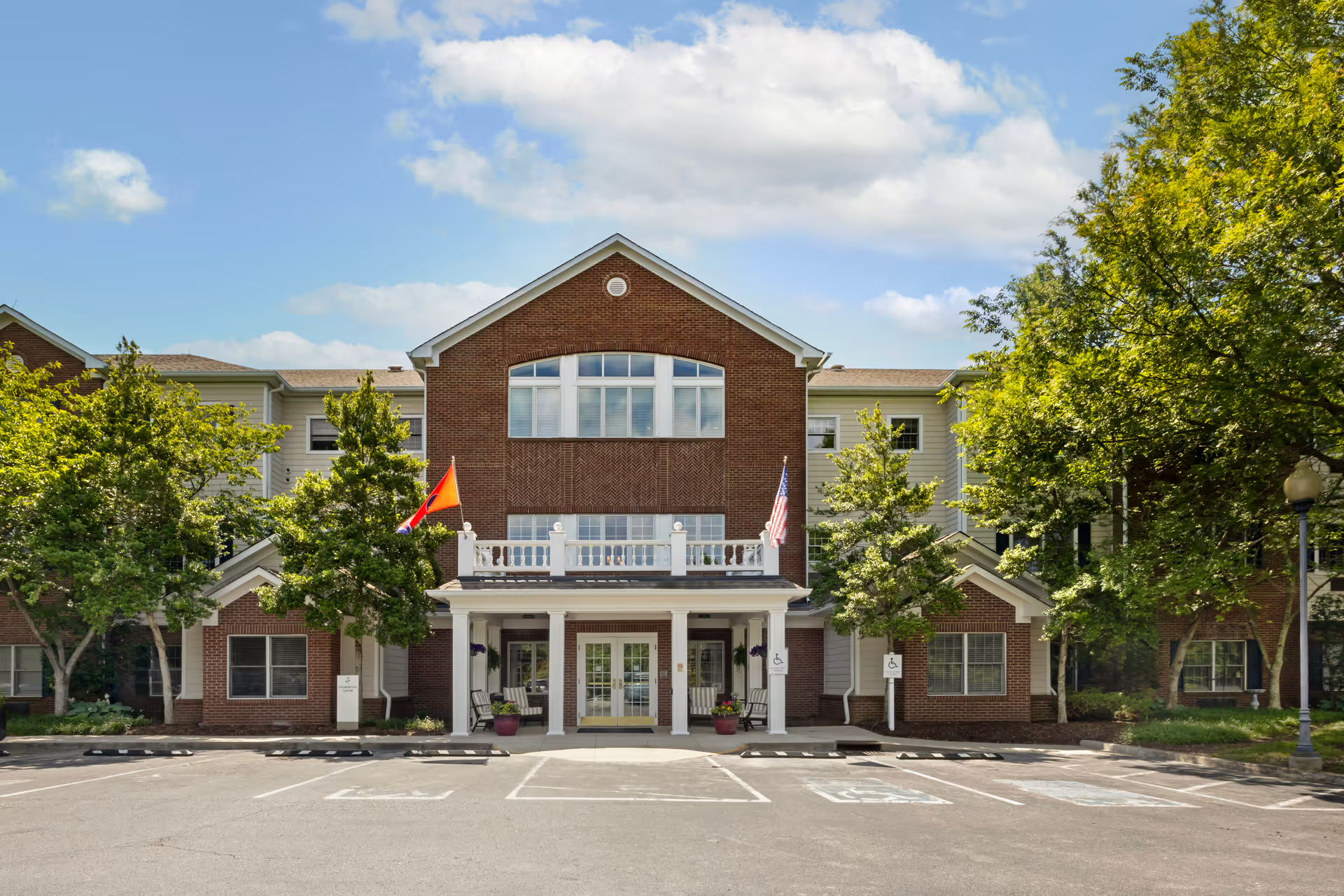
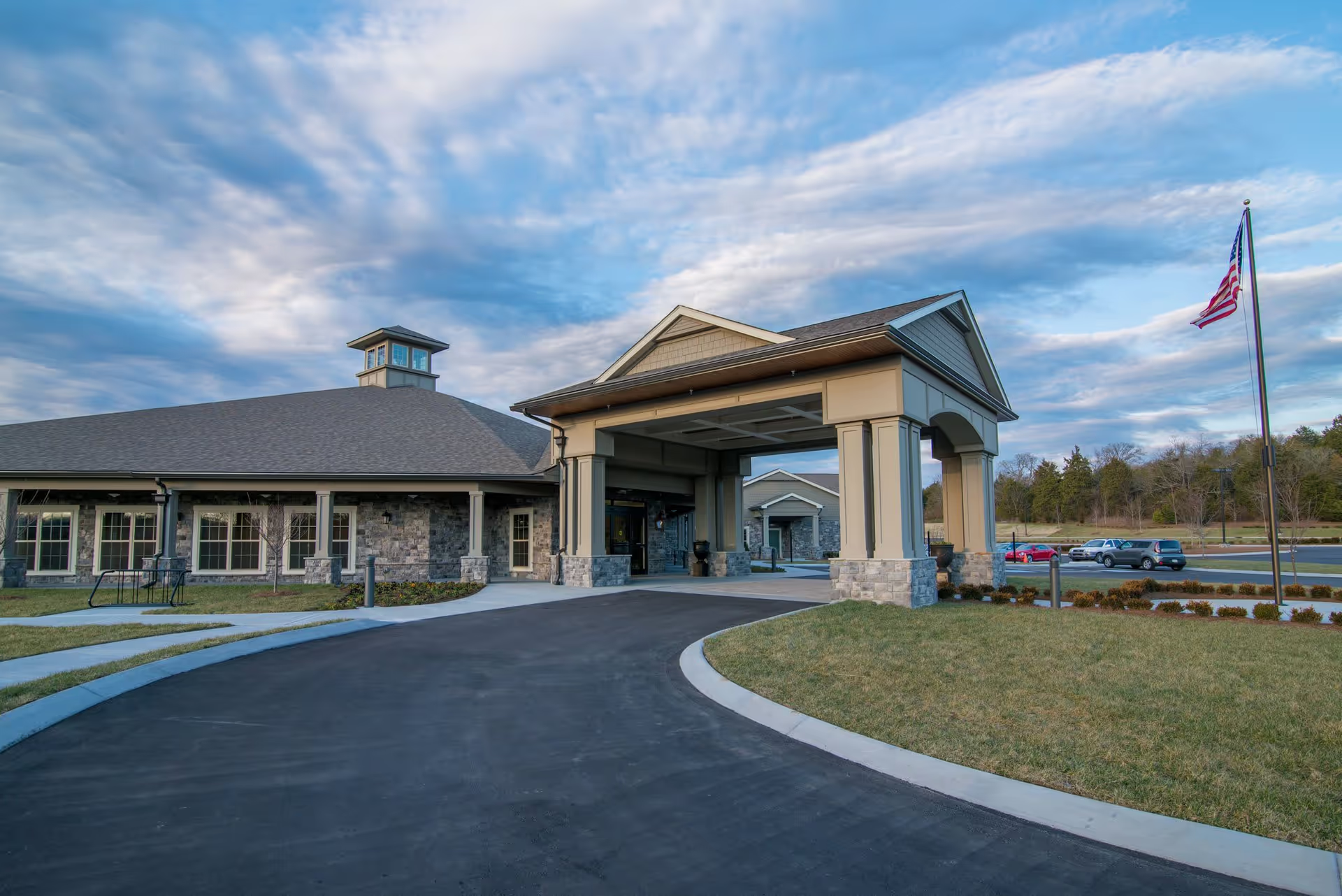
The reviews present a mixed picture of care and operations at the facility. Positive feedback centers on staff compassion, therapy outcomes, and the activities program: families and visitors frequently describe nurses, CNAs, therapists, and social work staff as kind, invested, and effective. The rehabilitation/therapy teams receive consistent praise for restoring mobility and confidence, and the activities staff organize a range of events and outings (cookouts, fishing trips, county fair participation) that many residents enjoy. Common-area cleanliness, exterior landscaping, an on-site worship space, and a pet-friendly environment contribute to a homelike feel for some families.
At the same time, a number of operational and clinical concerns recur across reviews. Several families described delays in clinical response and in medication administration, including delays addressing acute pain and other time-sensitive needs; reviewers also raised concerns about oversight of equipment and oxygen supplies. Short staffing and uneven weekend coverage are frequently cited as underlying factors that affect timely care, staff availability, and continuity of services.
Dining and direct-care assistance show variability. While some reviewers praise the kitchen and special events, others note inconsistent meal quality, missed meal delivery, and problems with feeding assistance that create aspiration risk for vulnerable residents. Relatedly, sanitation and incontinence-care processes were identified as problem areas by multiple families, indicating a need for more reliable routines and oversight in personal-care tasks.
Communication and administration are additional themes. Families described inconsistencies in room assignments, difficulty reaching clinical or administrative staff by phone (including limited in-room phone access), and challenges arranging post‑mortem or discharge logistics. A subset of reviewers reported concerns about staff conduct and boundary management; another subset raised grievances about billing practices and financial-authority pressure. These administrative and communication gaps amplify family stress when clinical issues arise.
For prospective residents and families: the facility demonstrates clear strengths in therapy, relational caregiving, and social programming, and it maintains a welcoming physical environment for many. However, persistent weaknesses in staffing consistency, clinical responsiveness, feeding and incontinence care, equipment oversight, and administrative communication suggest areas to probe during a tour. Recommended questions include specifics about current staffing ratios and weekend coverage, medication‑administration protocols and escalation procedures, feeding-assistance training, sanitation monitoring, in-room communication options, and billing/financial authorization policies. These targeted inquiries can help families weigh the facility's strengths against the operational risks identified in family feedback.