Gallatin Center for Rehabilitation and Healing elicits strongly polarized impressions. Many families and visitors praise the facility’s hands-on caregiving: attentive CNAs and nursing assistants, an effective therapy department (physical, occupational and speech), and a busy activities program that contributes to rehabilitation and quality of life. Multiple accounts highlight successful post-stroke and post-surgical recoveries, well-organized events (holiday and themed meals), secure visitor check-in, and pleasant outdoor/garden spaces. Administrative and front-desk personnel are frequently described as welcoming and helpful, and when staffing is adequate the clinical follow-up, wound care, and therapy coordination are noted as prompt and effective.
At the same time, reviews reveal consistent operational weaknesses that correlate with negative experiences. Staffing instability — including frequent use of agency staff and high turnover — is a recurrent theme and appears linked to lapses in basic care processes: missed or delayed medication administration, delays in attending to resident needs, inconsistent bathing and dressing schedules, and occasional missed meal delivery. These shortcomings are described as shift-dependent, producing variability in care quality from day to day. Several families also described deficiencies in laundry and property management and problems with meal consistency and timely delivery.
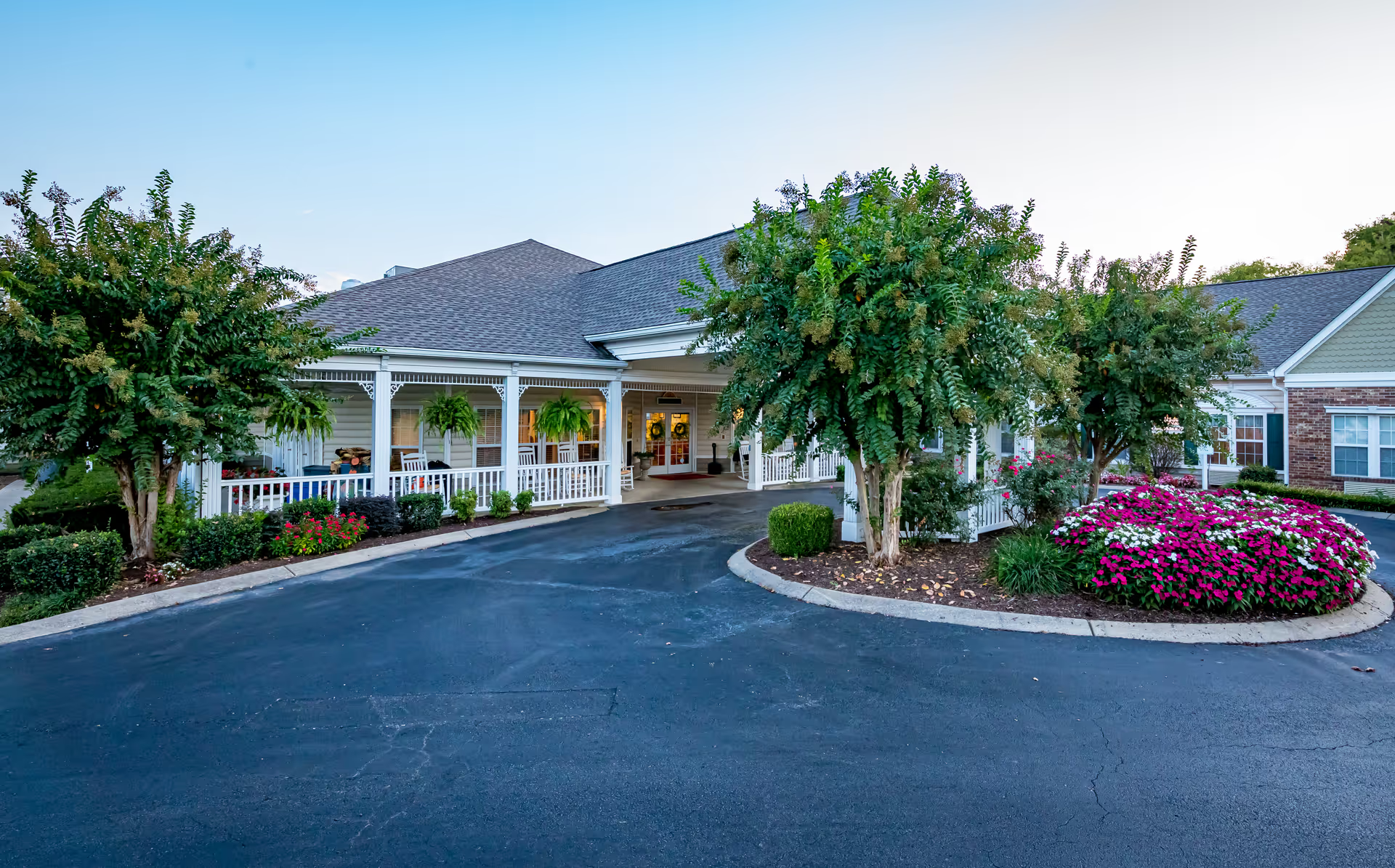
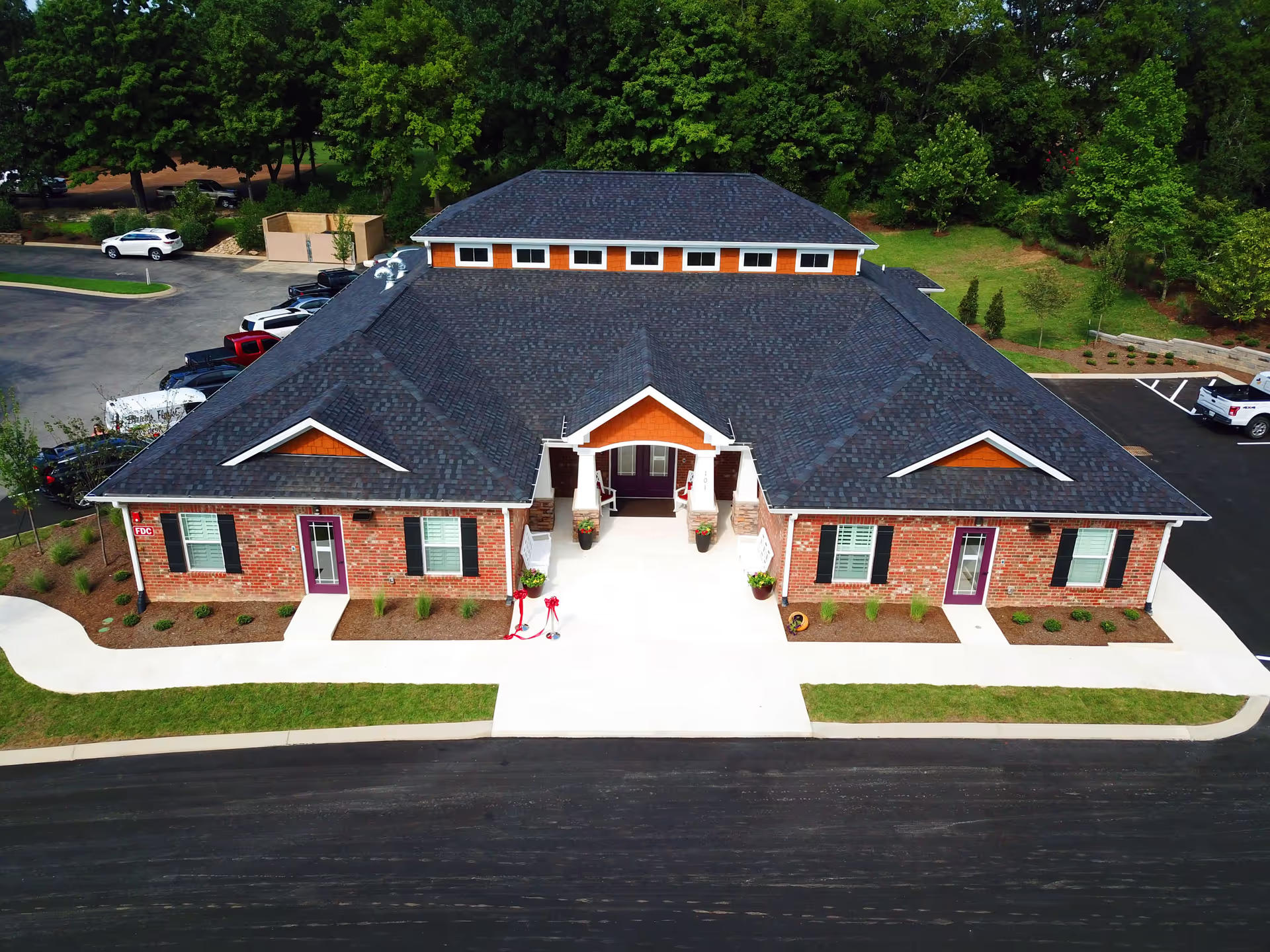
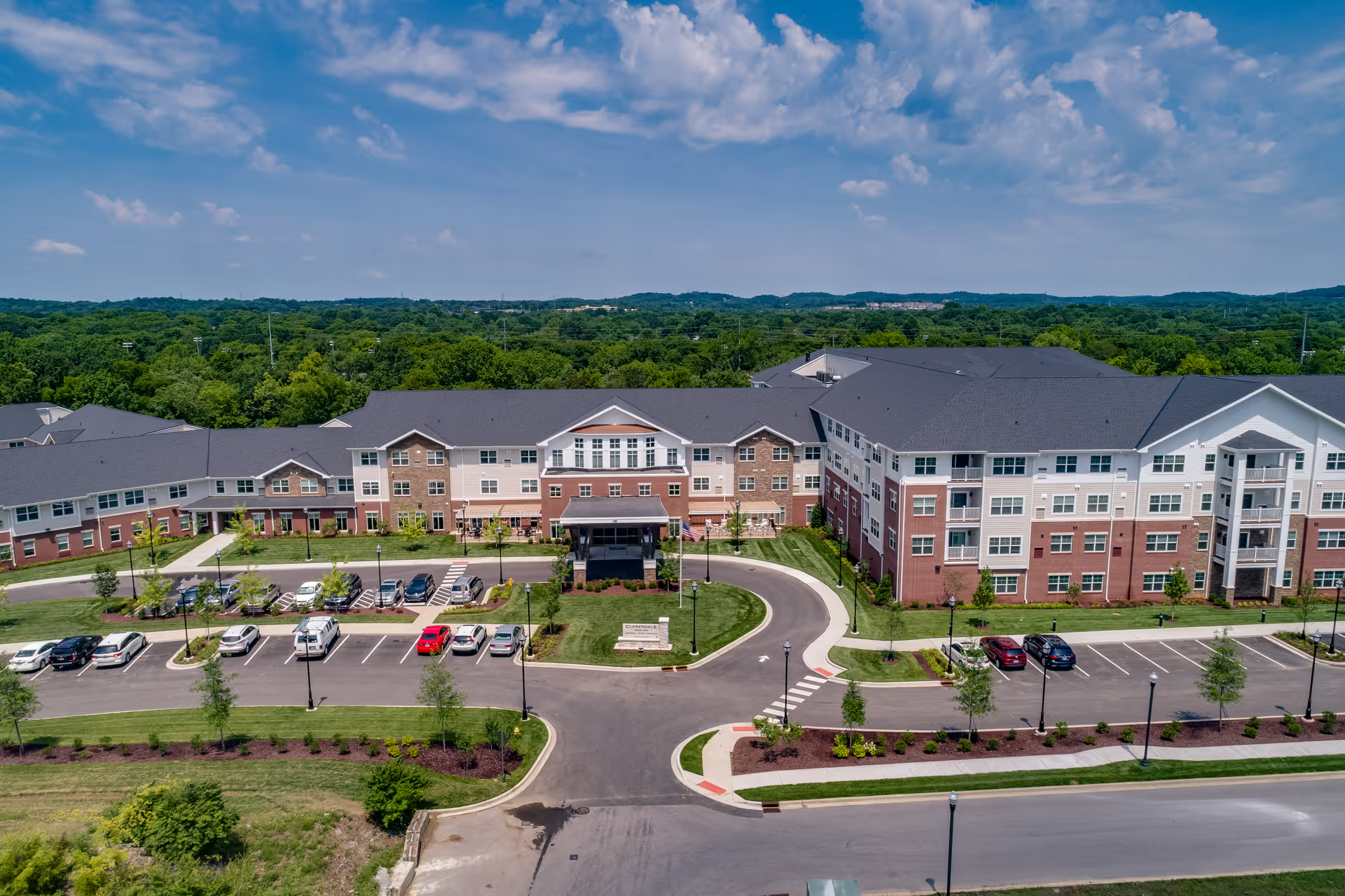
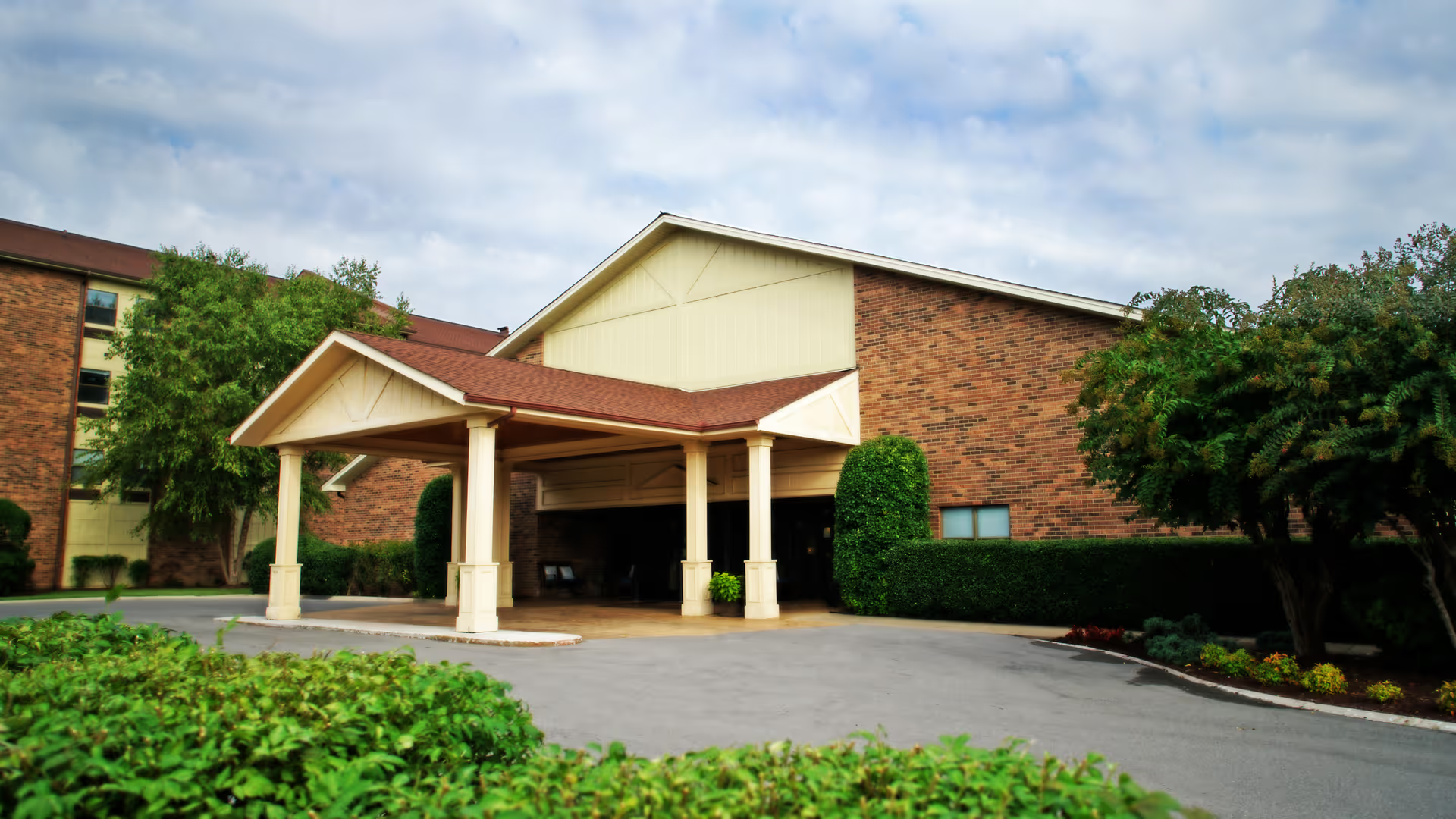
Facility condition feedback is mixed. Many visitors report clean, well-maintained common areas, attractive dining presentation, and expansive therapy spaces; others describe older, less-updated sections with odor concerns and maintenance issues. Security and visitation practices are generally seen as controlled and organized, though there are instances where families experienced restricted or inconsistent visitation and difficulty with building access.
Communication and management processes show similar variability. Some relatives report clear, timely communication from nurses, therapists, and administrators and effective problem resolution. Others experienced slow or unresponsive communication about discharge planning, insurance coordination, or clinical transfers, and noted delays in arranging outside care such as ambulance transfers or specialty imaging. There are also serious allegations in the record, including claims of criminal conduct and regulatory scrutiny; those items should be investigated directly with regulators and the provider to understand current status and outcomes.
In sum, Gallatin Center demonstrates real strengths in rehabilitation, therapy programming, activities, and many front-line staff who provide compassionate care. The most important risk factors for prospective residents are operational: staffing stability, medication and clinical-process controls, laundry/property management, and consistent family communication. When evaluating this facility, families should ask specific, current questions about staffing ratios and turnover, medication-administration protocols, incident escalation and transfer procedures, laundry/property handling practices, visitation policies, and the facility’s most recent regulatory inspections or investigations to judge how persistent operational issues are being addressed.