The reviews present a polarized picture of NHC Place Sumner: many families and patients describe genuinely high-quality elements, particularly around rehabilitation, nursing, dining, and the physical environment, while others describe operational and conduct-related shortcomings that affected their confidence in care.
Care quality and clinical services: The facility receives consistent praise for its rehabilitation program (OT/PT/ST), knowledgeable therapists, and strong therapy outcomes for many residents. Several reviewers cited 24-hour nursing coverage and an on-call physician as reassuring features. At the same time, there are recurring concerns about medication administration and pharmacy coordination, delayed responses to care requests, and variability in how staff handle transfers and mobility assistance. These operational gaps have led to heightened family vigilance, with some families feeling the need for additional private sitters or more frequent follow-up.
Staff and professionalism: A sizable portion of feedback highlights compassionate, attentive nurses, CNAs, and techs who provide reassuring, family-like care; named staff and specific units received strong endorsement. However, other comments indicate inconsistent staff conduct and communication tone, long waits for assistance, and variability between different halls/units. High staff turnover, occasional supply shortages, and stress on employees were noted as contributors to uneven service. There are also isolated but serious allegations concerning training-course conduct and consent-process lapses; these merit administrative review and, where appropriate, formal investigation.
Dining and nutrition: Dining is frequently cited as a strength—many reviewers praise a varied menu, accommodating kitchen staff, and quality meals. Conversely, others described problems with meal-service reliability, items served cold, missing or incorrect menu items, and occasional issues with meal consistency relative to dietary prescriptions. These contrasting experiences suggest that the kitchen generally performs well but has occasional lapses in service continuity and quality control.
Activities and social programming: Activity offerings are a notable positive. The facility supports a range of programs including theater, games, chair yoga and balance classes, Bible study, movie screenings, and gardening. These programs, plus communal spaces such as a theater and a baby grand piano, contribute to resident engagement and social connection for many families.
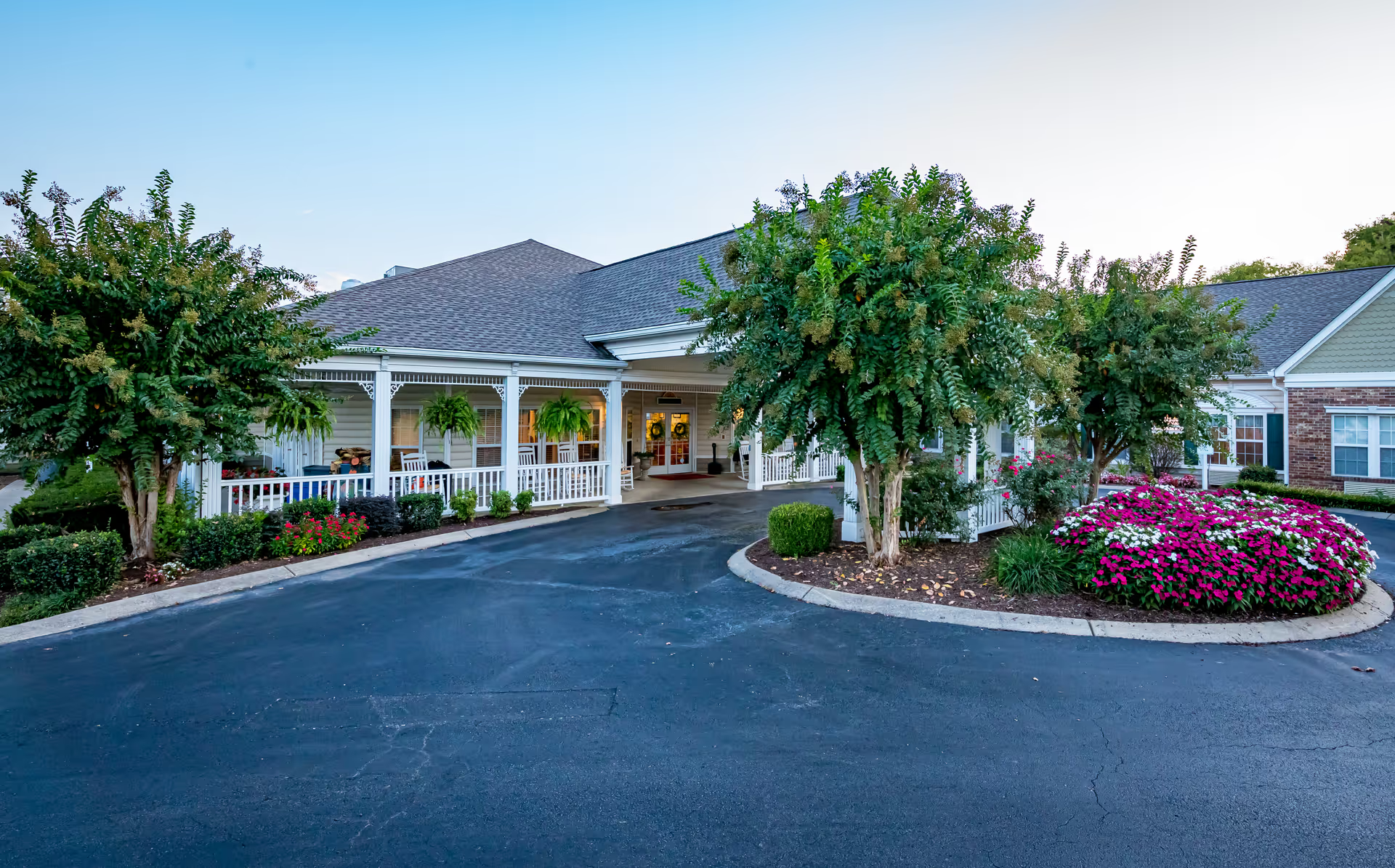
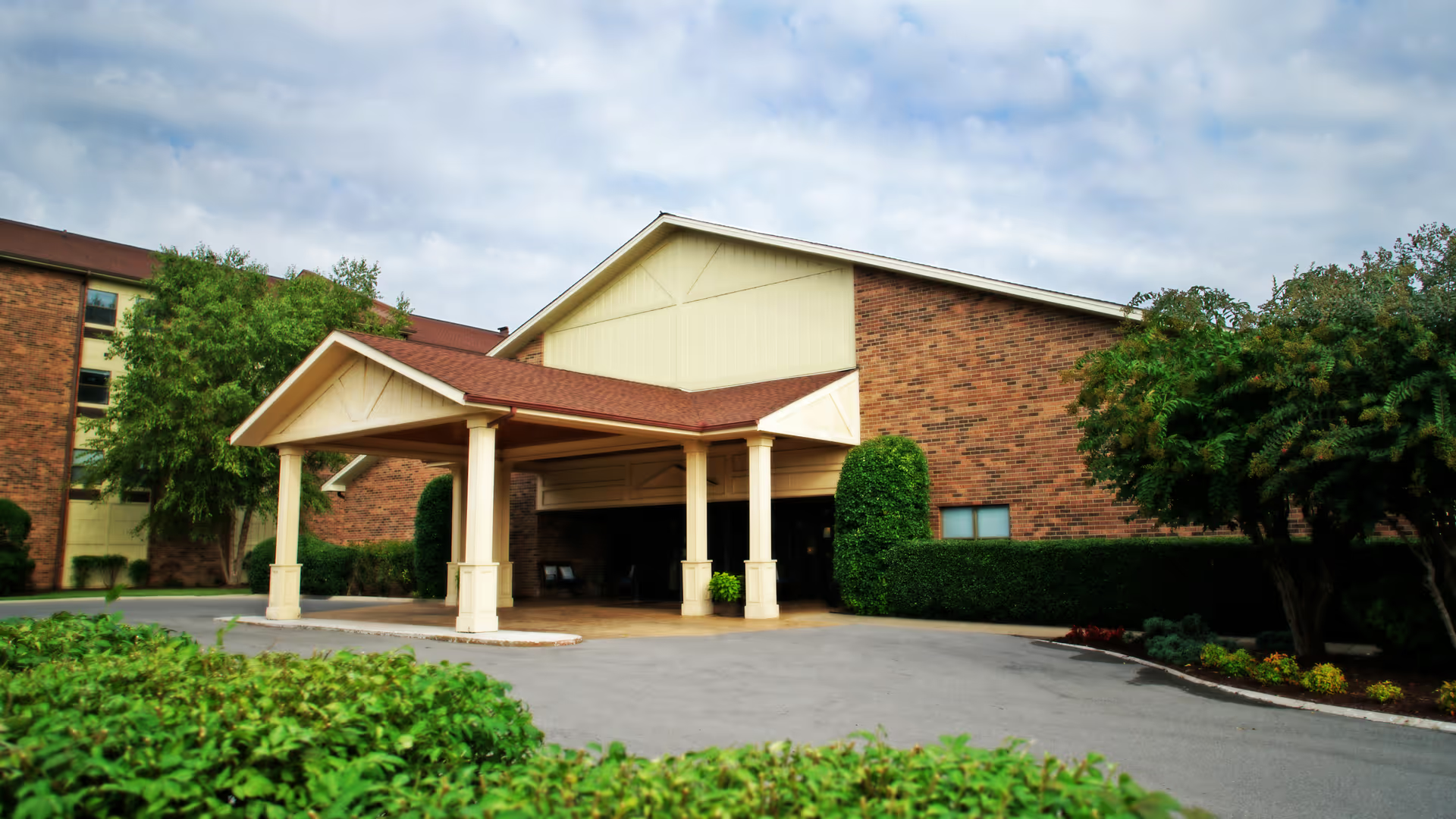
Facilities and environment: The physical plant draws frequent praise for cleanliness, attractive common areas, and updated rehab spaces. Some reviewers described newer, larger rooms and good air circulation; others noted aging rooms in parts of the building and an institutional feel in certain areas. Multiple outdoor areas and a courtyard are valued for resident access to outdoor space.
Management and patterns: Recurrent themes point to inconsistency at the management and operational level—staffing variability between units, supply and pharmacy coordination problems, inconsistent administrative responsiveness to complaints, and occasional lapses in privacy or consent processes. Where unit-level leadership and staffing are strong, families report positive experiences and peace of mind; where leadership or staffing is thin, families describe longer waits, communication gaps, and safety concerns. The overall pattern suggests the facility has many strong structural elements (therapy, dining, environment) but needs consistent operational oversight to ensure those strengths are reliably delivered across all units.
Recommendation for prospective families: NHC Place Sumner offers robust rehab services, many engaged staff members, active programming, and a well-maintained facility—attributes that may suit residents seeking intensive therapy and social engagement. Prospective families should ask specific questions about staffing levels on the intended unit, medication administration protocols, incident and complaint resolution procedures, and recent quality-improvement actions. Visiting the specific unit where a prospective resident would live and meeting nursing leadership and therapy staff can help assess whether the unit-level operations align with the overall strengths described by many reviewers.