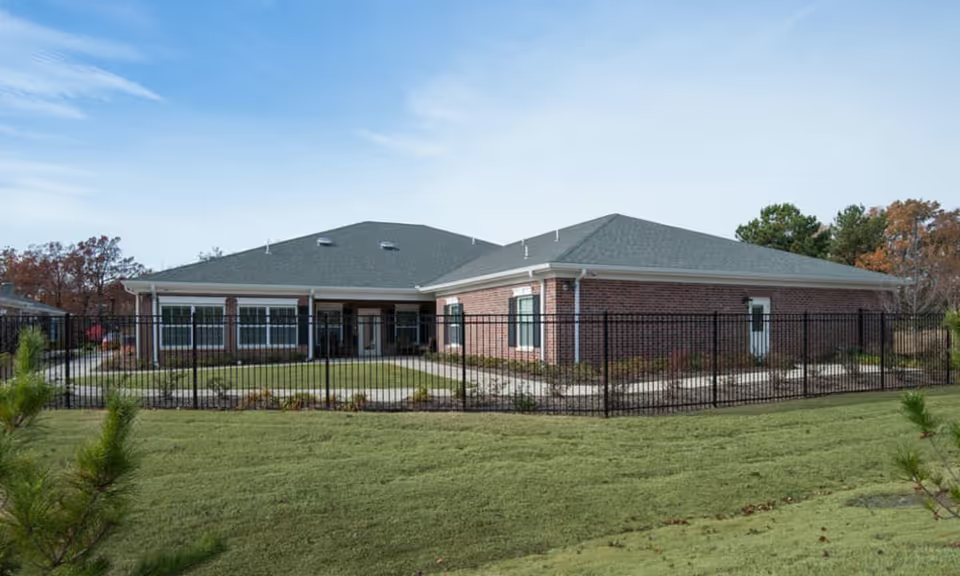
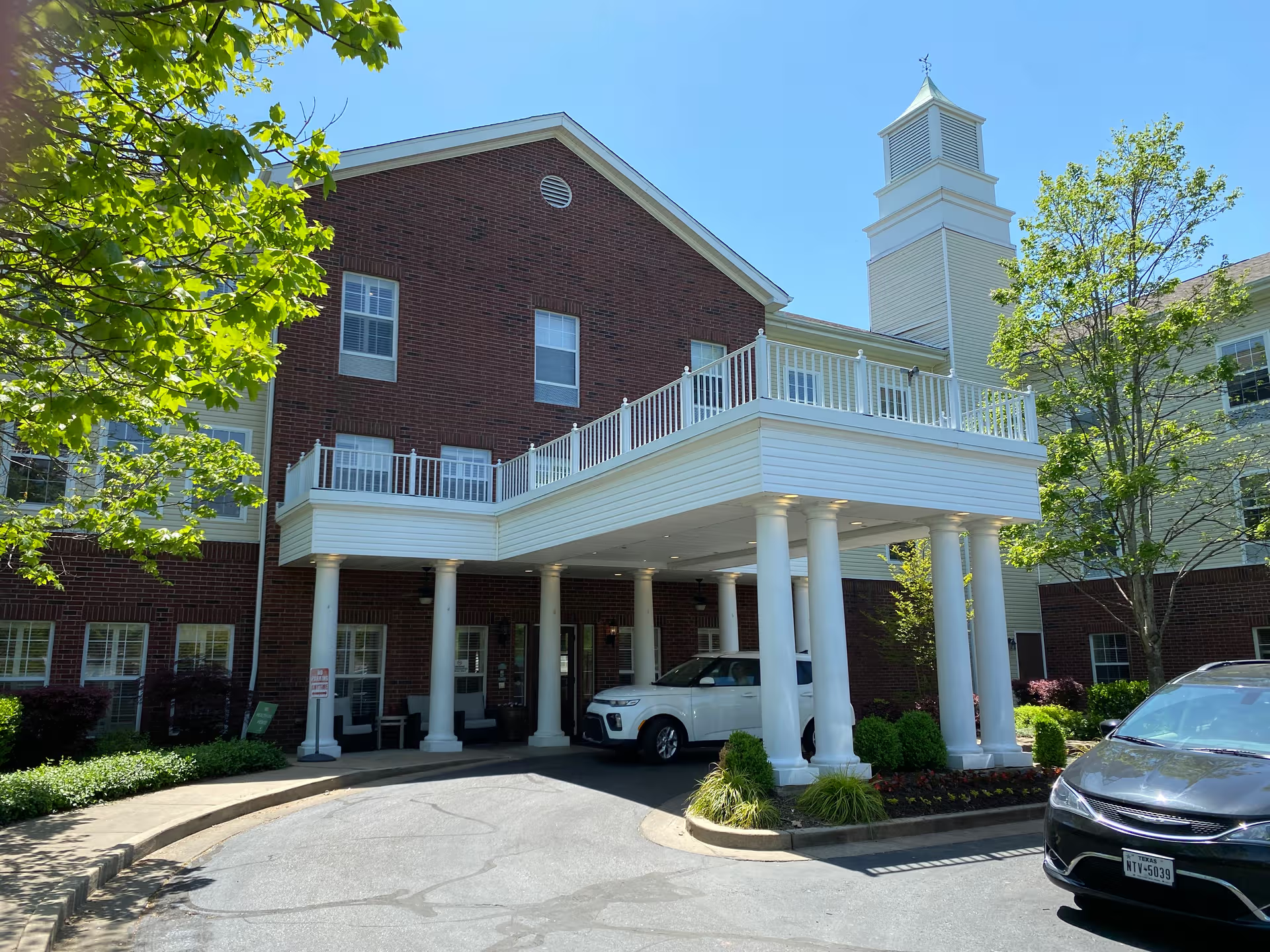
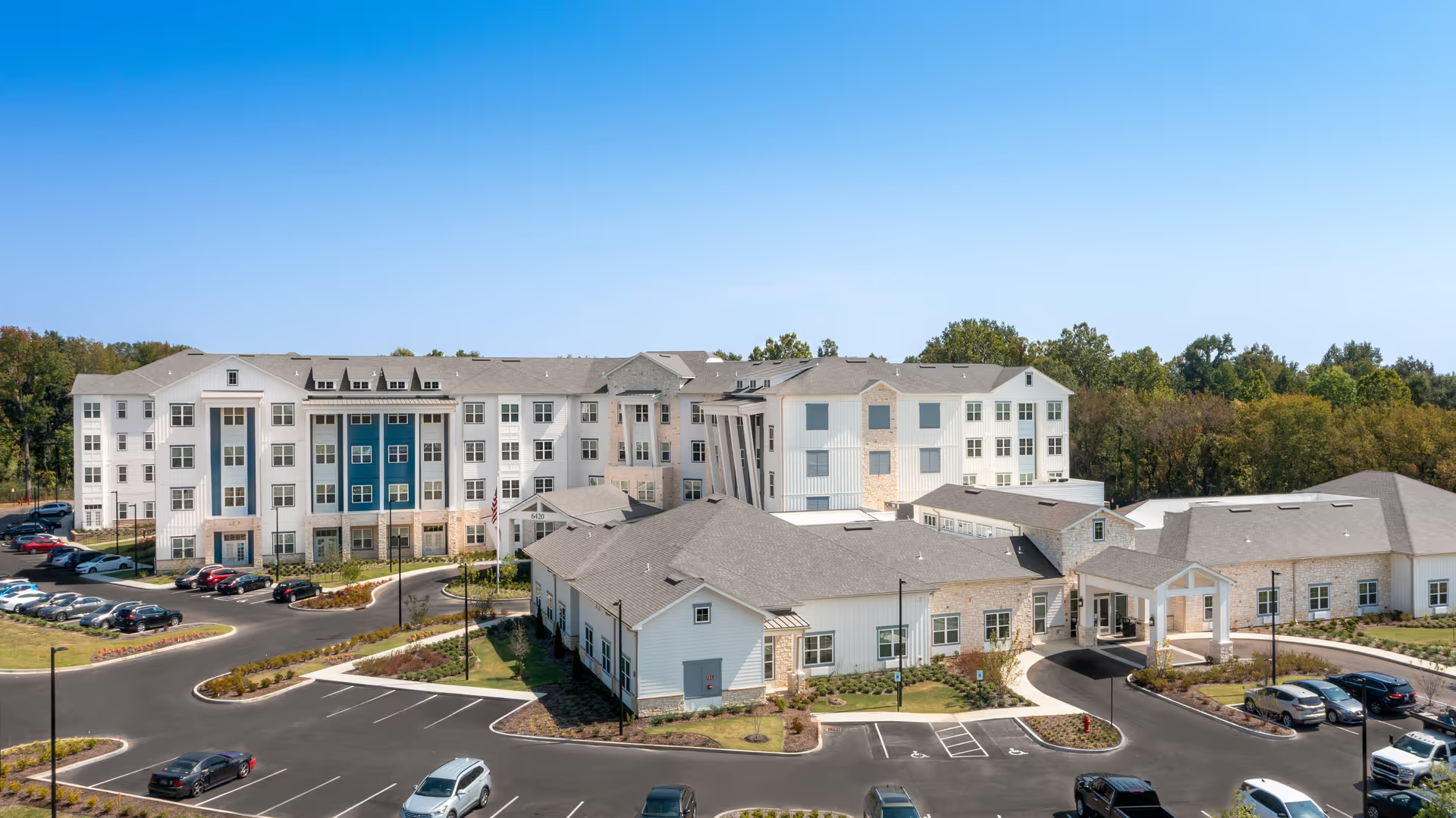
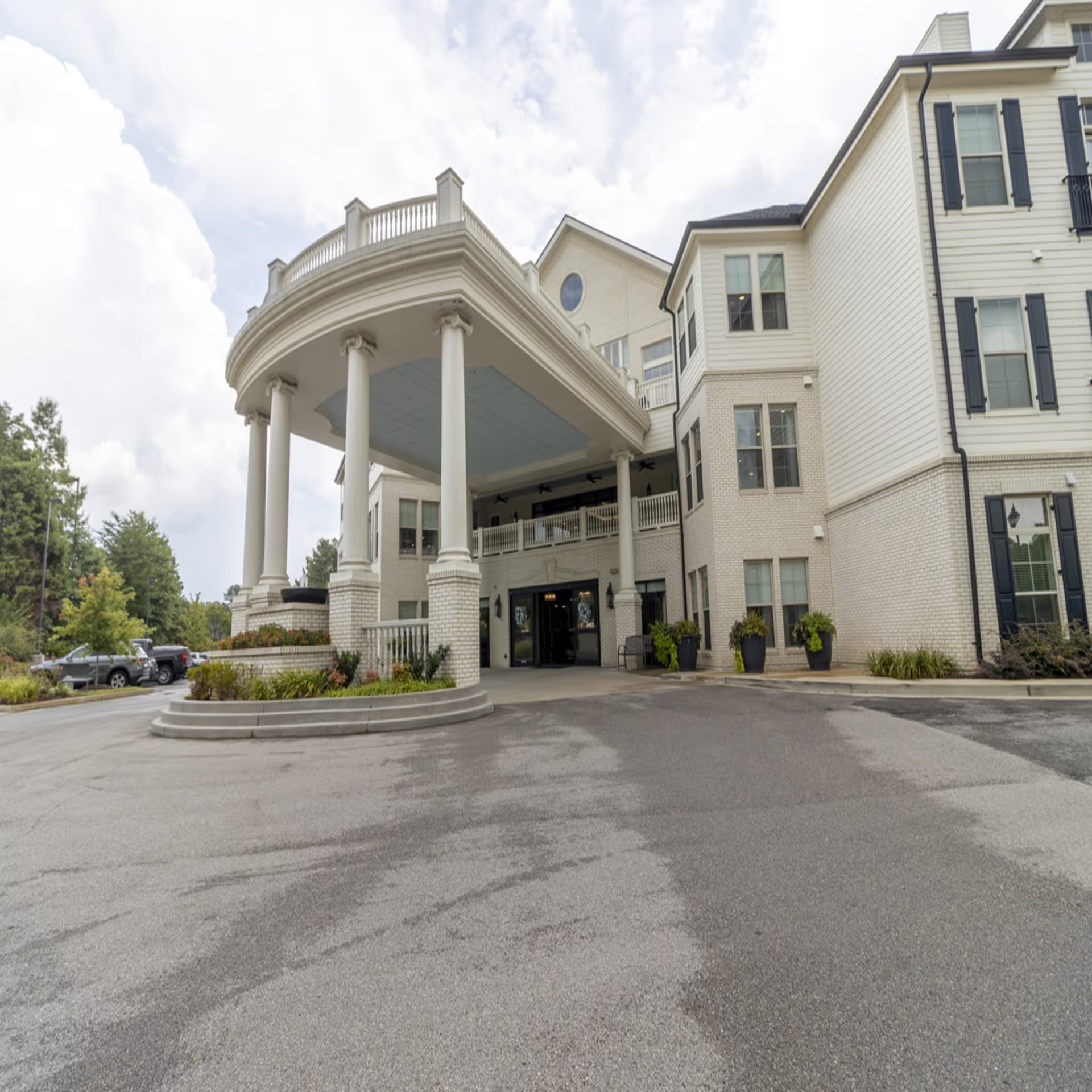
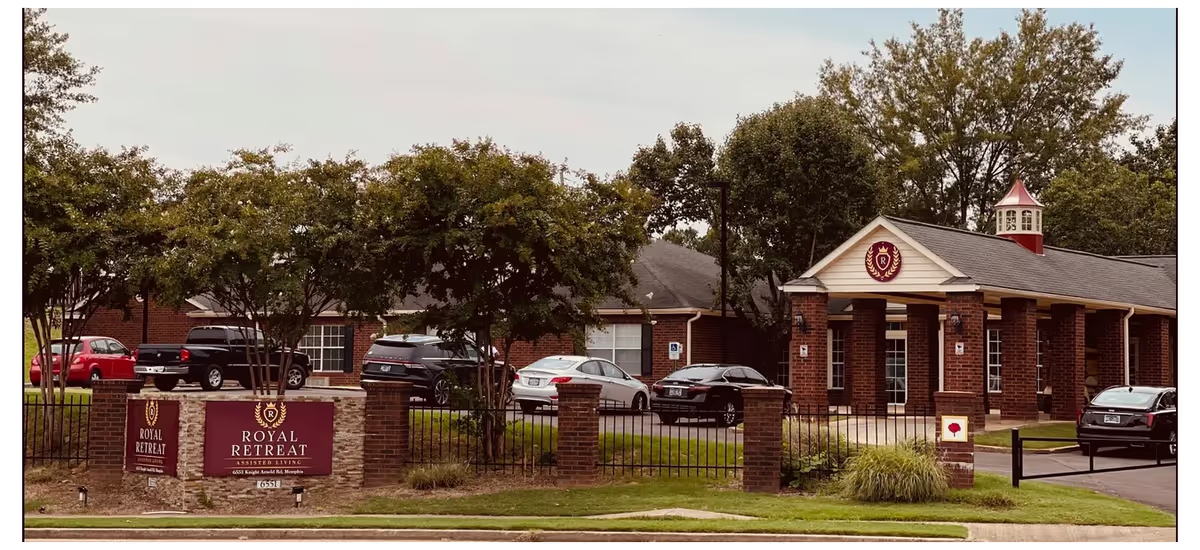
Brookdale Germantown presents a mixed but informative profile for prospective residents and families. Strengths commonly noted include a compassionate, family-oriented staff presence, on-site clinical resources (including physician access and nursing coverage), comprehensive rehabilitation services, and a robust activity program with regular outings. Physical amenities such as a salon, spa, barbershop, transportation options, and a secure courtyard contribute to a comfortable environment for many residents. Several reviewers praised clean, fresh-smelling common areas, a range of apartment sizes with ensuite bathrooms, and hospice or end-of-life support when needed.
Care and staffing are areas of pronounced variability. Many accounts describe attentive and engaged nurses and PCAs, strong teamwork, and staff who go above and beyond; these strengths are most evident during tours, admissions, and when individual staff members are longstanding. At the same time, recurrent operational themes include staffing shortages, turnover, and inconsistent staffing ratios that can affect assistance with mobility, feeding, and timely responses. There are also reports that indicate gaps in clinical-incident response and in monitoring nutrition for higher-acuity residents — concerns that merit direct discussion with management during a visit.
Dining, housekeeping, and day-to-day operations show a mixture of positive offerings and operational instability. The community offers nutritious meals and has been praised for skilled chefs and special culinary events; however, reviewers also describe inconsistent meal quality, slow service, substitutions, and occasional cold or incomplete trays. Housekeeping and sanitation practices are similarly mixed: many communal spaces and rooms are well maintained, but other accounts cite missed cleaning schedules, dirty floors or countertops, and pest-control concerns in some areas. These patterns appear linked in part to staffing availability and to transitions in kitchen or housekeeping leadership.
Activities and social programming are widely cited as strengths. The community runs a variety of cognitively engaging programs, music and arts activities, holiday celebrations, and opportunities for socializing that contribute to a welcoming atmosphere for residents who are ambulatory and socially engaged. The facility's smaller-house or neighborhood-style segments were described as particularly friendly and family-oriented. That said, families seeking specialized memory care or higher-acuity nursing support may find the community's capacity limited; several reviewers indicated that residents requiring significant hands-on assistance did not thrive there.
Management and admissions practices show notable patterns. Many reviewers had positive initial tour and admissions experiences with attentive marketing and admissions staff; conversely, there are repeated notes about sales-driven admissions, insufficient post-admission follow-through, communication lapses with families, and operational promises that were not always sustained. Financial and billing concerns, including significant price increases and disputes about charges, were raised by some families. A limited number of reviews contained serious allegations regarding clinical response and billing that families should investigate directly with facility leadership and regulators as appropriate.
Overall, Brookdale Germantown may be a very good fit for residents who value a welcoming social environment, access to on-site therapies, and amenity-rich living with strong hospice and outpatient supports. Prospective residents and families should prioritize an in-person tour, ask targeted questions about recent staff turnover, current staffing ratios for the unit being considered, meal-service processes and substitutions, housekeeping schedules, pest-control actions, memory-care capacity, clinical incident protocols, and billing practices. Reviewing recent inspection records and requesting references from current families can help clarify whether the community's operational challenges have been addressed.