Overall impression: Reviews portray Sycamore Trace as a small, well‑kept assisted living community with many strengths in caregiving, dining, and social programming. Most comments emphasize a clean, comfortable setting and a warm, home‑like culture in which staff know residents by name. The facility’s size and layout are repeatedly described as enabling personalized attention and frequent staff–resident interaction.
Care and staff: The dominant theme is that caregiving staff are compassionate, attentive, and familiar; many families cite consistent CNAs and long‑tenured employees who help with ADLs, showering, dressing, and emotional support. Multiple accounts describe staff who remember preferences, tailor meals, and assist with adjustment after move‑in. That said, there are recurring operational concerns about inconsistent staff performance and occasional leadership instability. A minority of reviewers raised significant concerns about staff responsiveness and executive management; prospective families should ask about current staffing ratios, leadership tenure, and turnover during tours.
Dining: Dining is one of the community’s strongest features. Reviewers frequently praise an accomplished chef, scratch cooking, frequent special items (desserts, monthly snacks), and the ability to customize meals to resident preferences. Meals are served three times daily with options and family‑style dining experiences. Contrasting comments note occasional menu repetition, comfort‑food focus that may not suit all nutritional needs, and intermittent lapses in meal delivery or variety. Prospective residents should review sample menus and ask about accommodations for specific dietary or health requirements.
Activities and social life: The activity program is described as active and resident‑focused, with daily offerings that include games, puzzles, exercise, trivia, music, bingo, and frequent off‑site outings (shopping, ball games, parks, museums). An attentive activities director and willingness to accept resident suggestions are recurring positives. A few reviewers felt the schedule could be denser or that programming was uneven at times; inquire about a current monthly calendar and examples of recent outings.
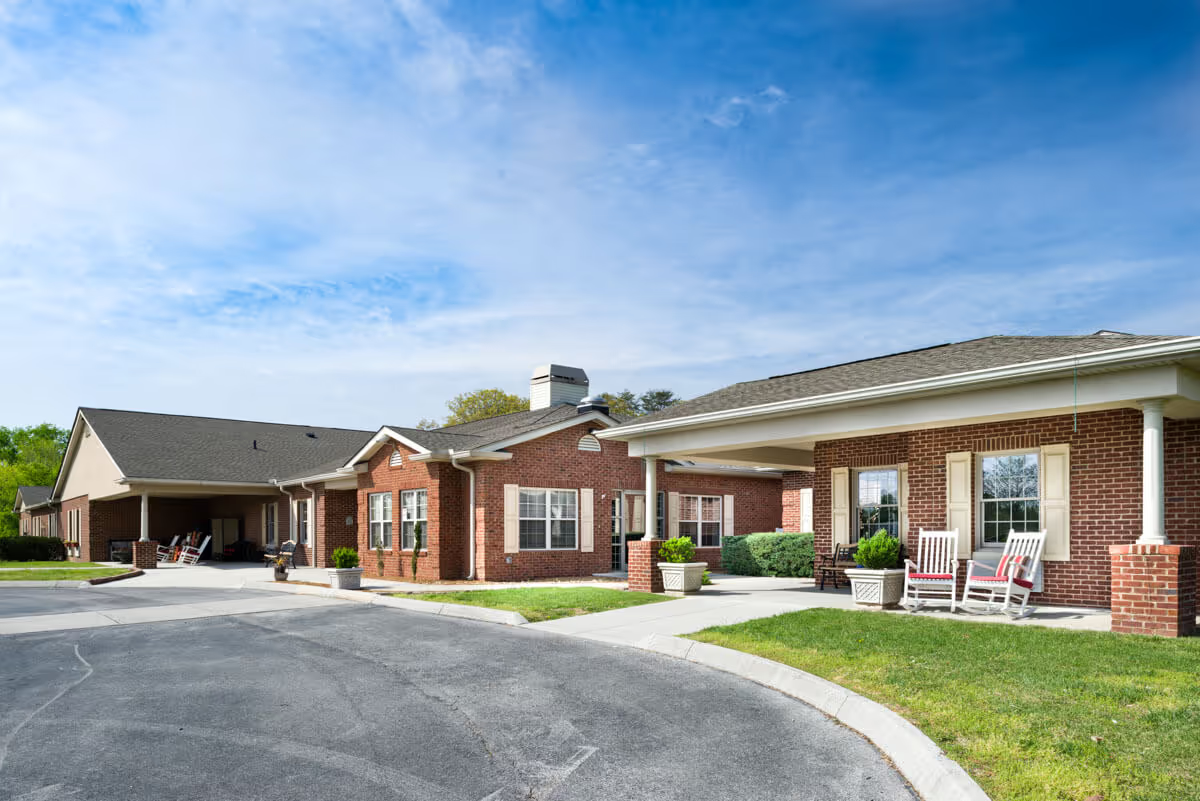
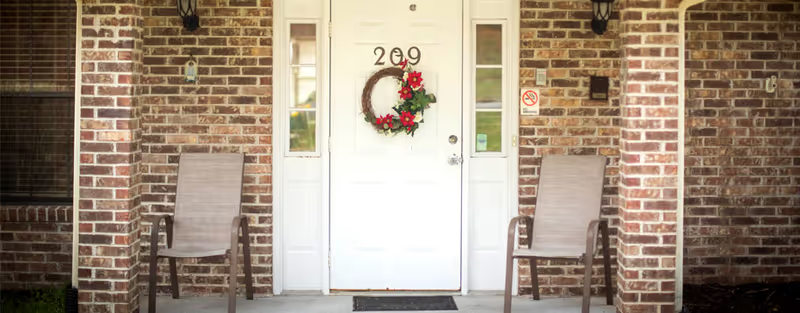
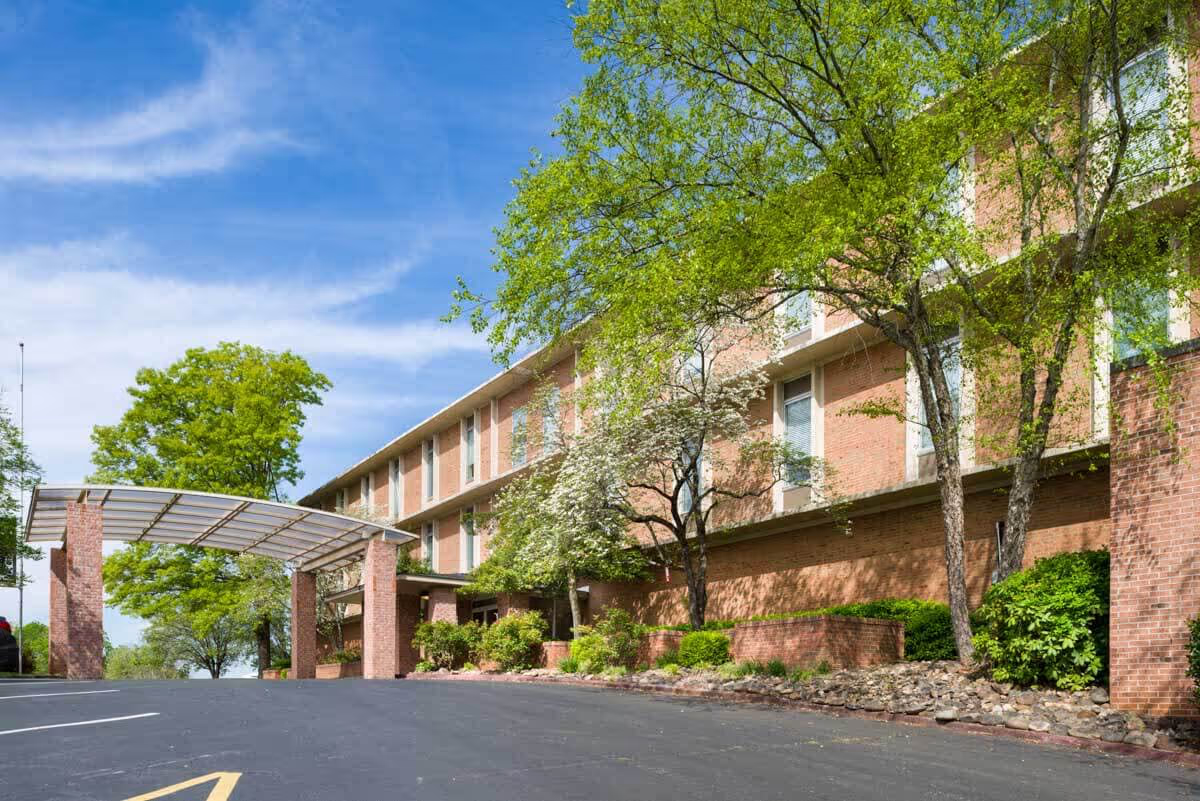
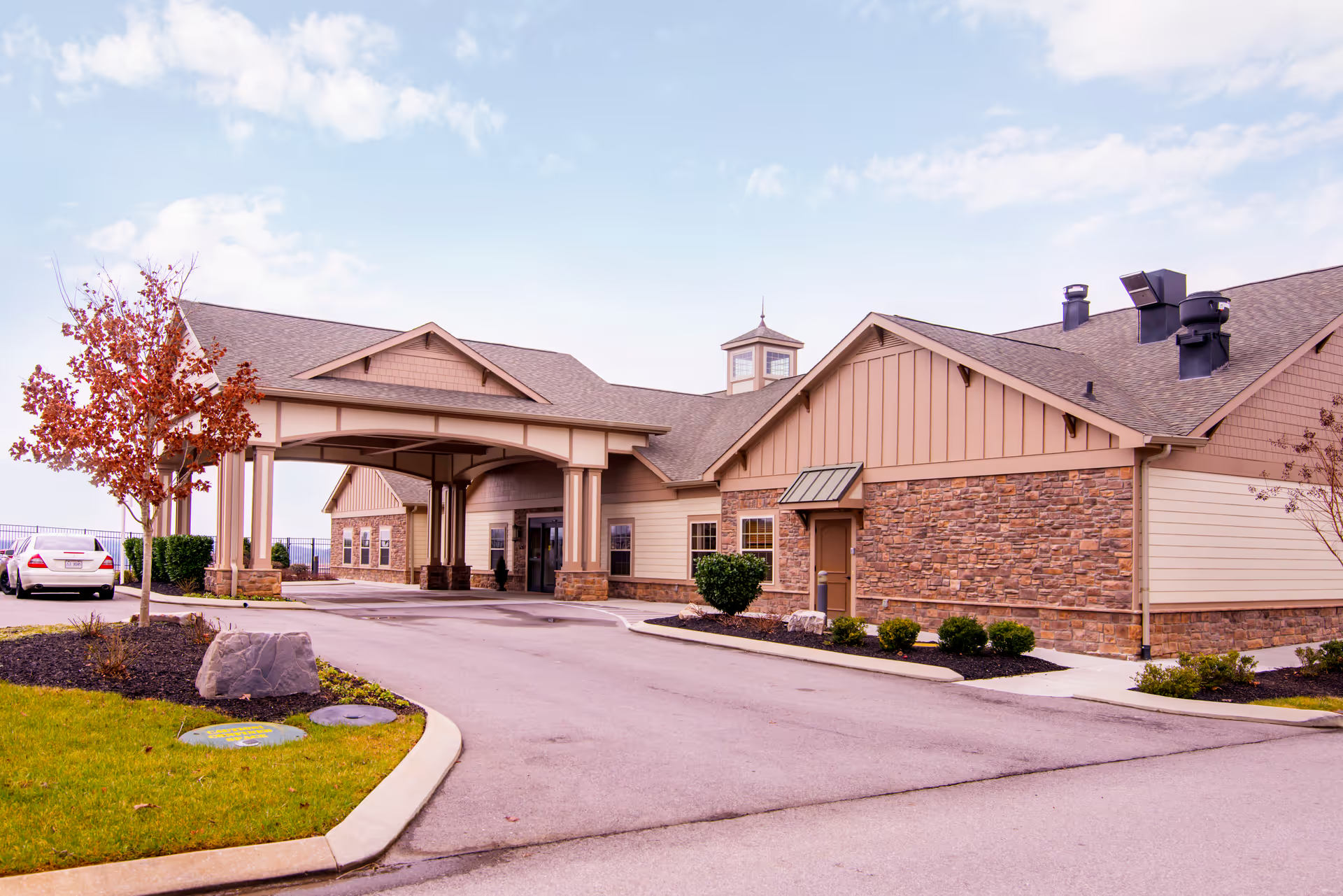
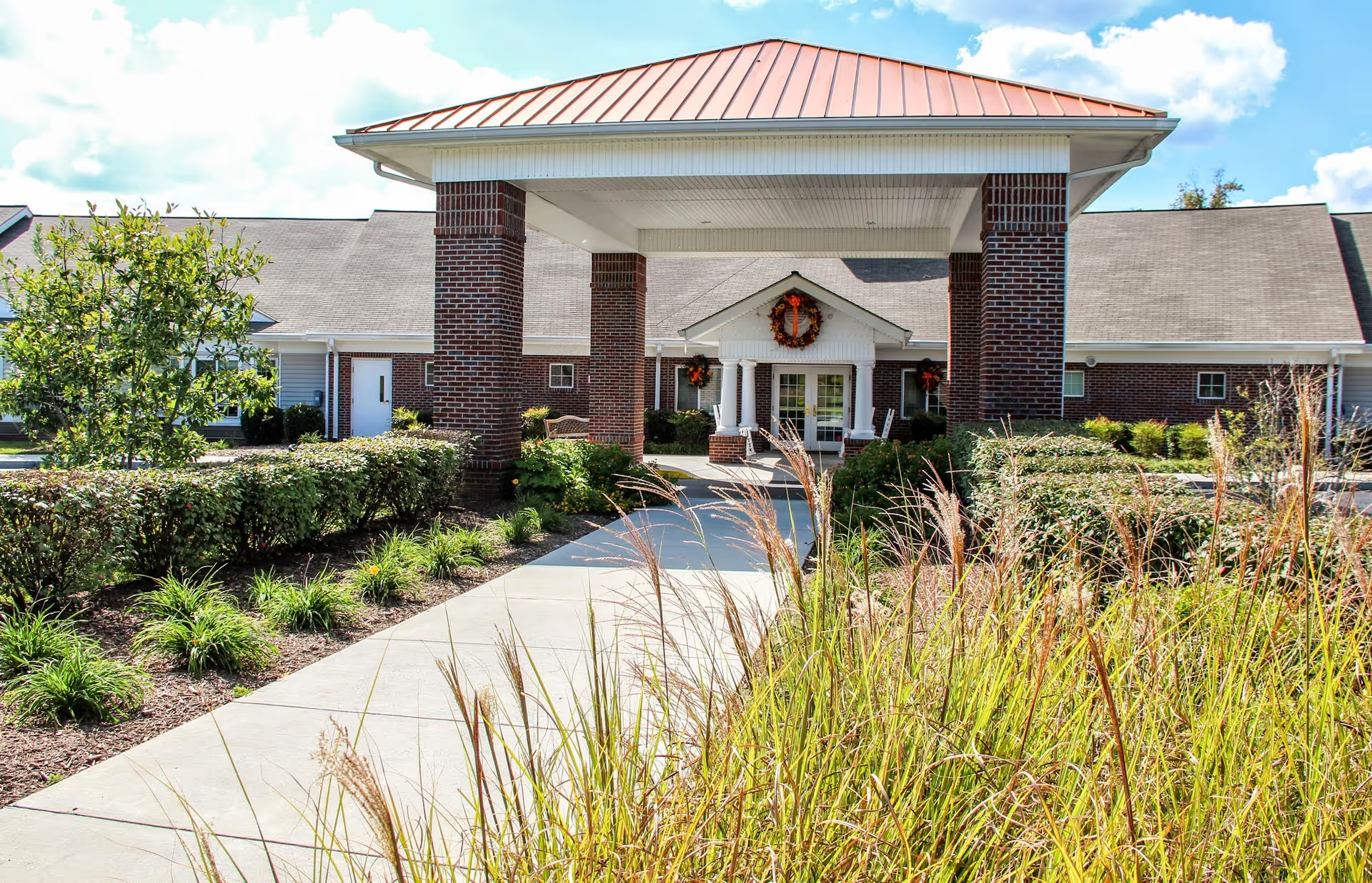
Facilities and safety: The facility is characterized as clean, attractively decorated, and well maintained, with pleasant outdoor spaces, gardens, and a secure button‑access entry. Common areas such as the dining room and lounges are highlighted as bright and welcoming. Room size descriptions vary; some residents have large apartments with private baths, while others note compact rooms and limited private space. There are mixed messages about memory care: some reviewers reference experienced Alzheimer’s care and a secure environment for residents with dementia, while others state the community is not equipped for higher‑level memory care. Families should clarify the clinical scope and any memory‑care programming before placement.
Management and notable patterns: Admissions and office staff receive many positive comments for simplifying move‑ins and for follow‑up communication. However, there are intermittent reports of communication gaps and a perception by some that the culture can feel overly corporate. Staffing turnover and leadership changes were noted as contributing to variability in service. Given these patterns, it is advisable for prospective families to ask about current leadership, staff tenure, turnover rates, and contingency plans for staffing shortages.
Bottom line: Sycamore Trace offers strong, chef‑driven dining, a clean and homey environment, and a robust array of social activities that support resident engagement and quality of life. The community’s small size and long‑standing staff are assets for personalized care. Key areas to verify during a tour are current staffing stability, the facility’s formal memory‑care capabilities, room size options, and consistency of meal variety and activity programming to ensure they match an individual resident’s clinical and lifestyle needs.