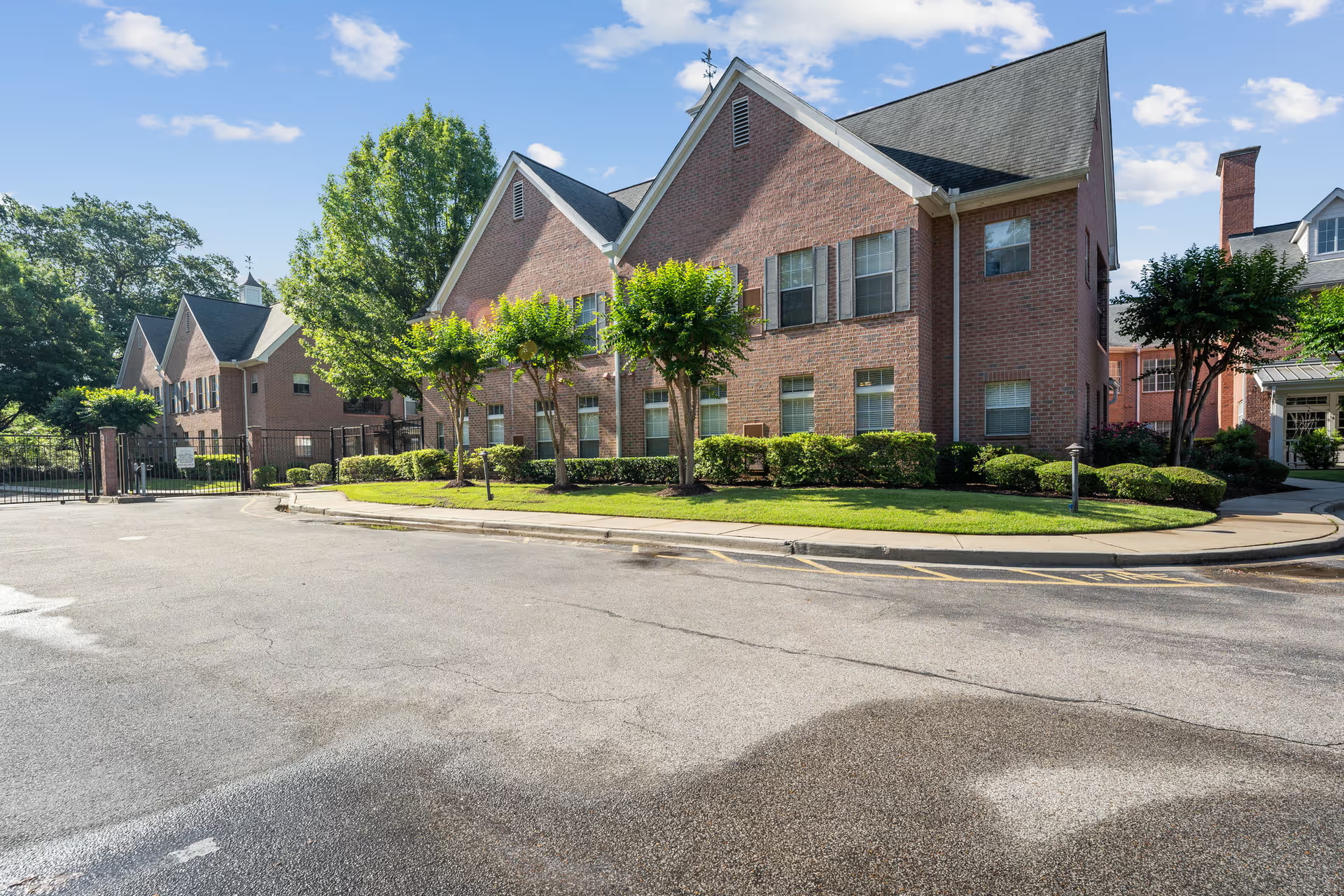
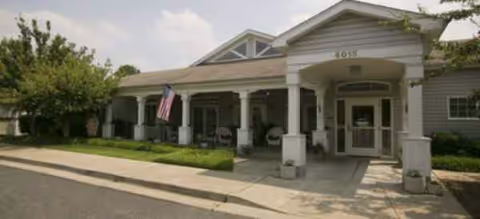
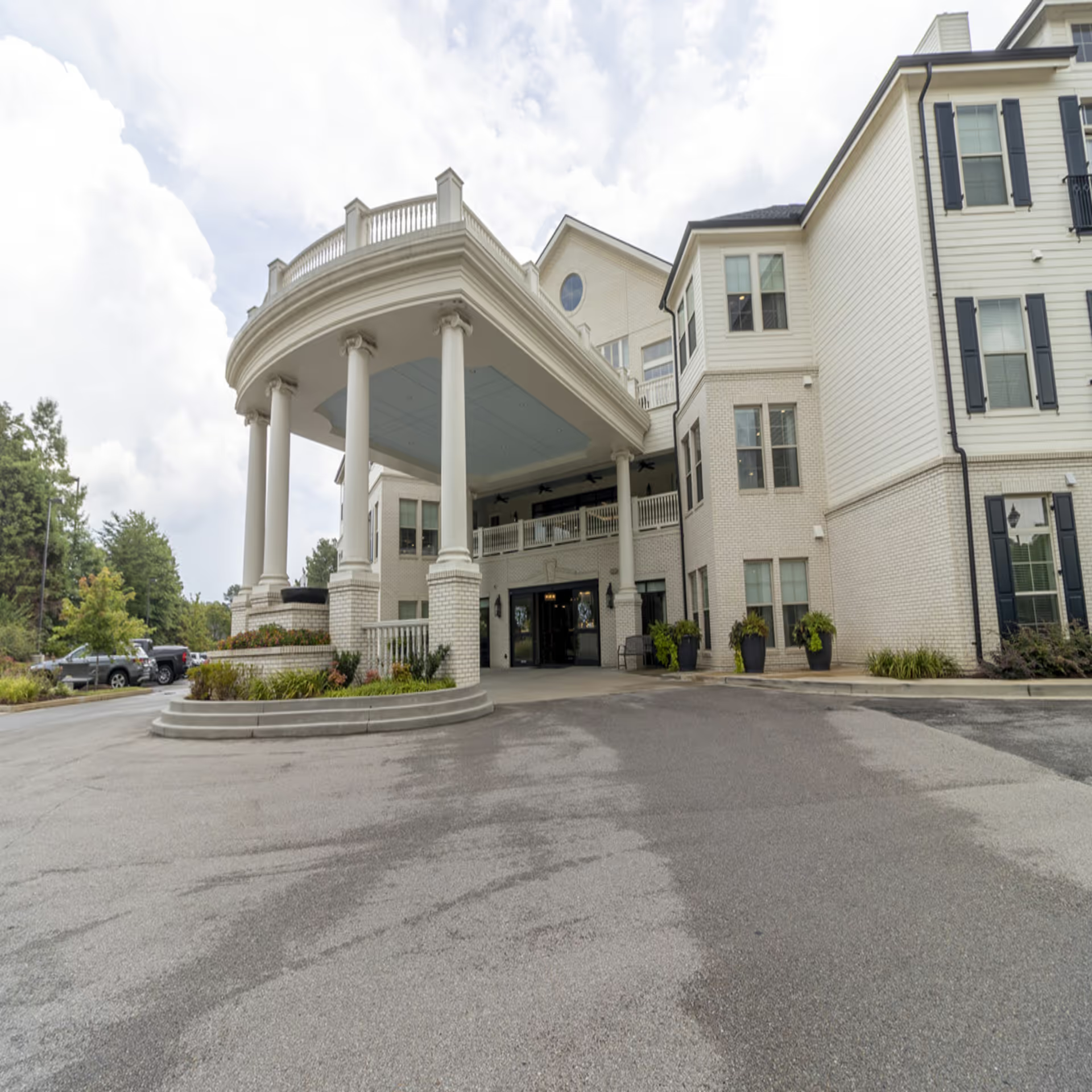
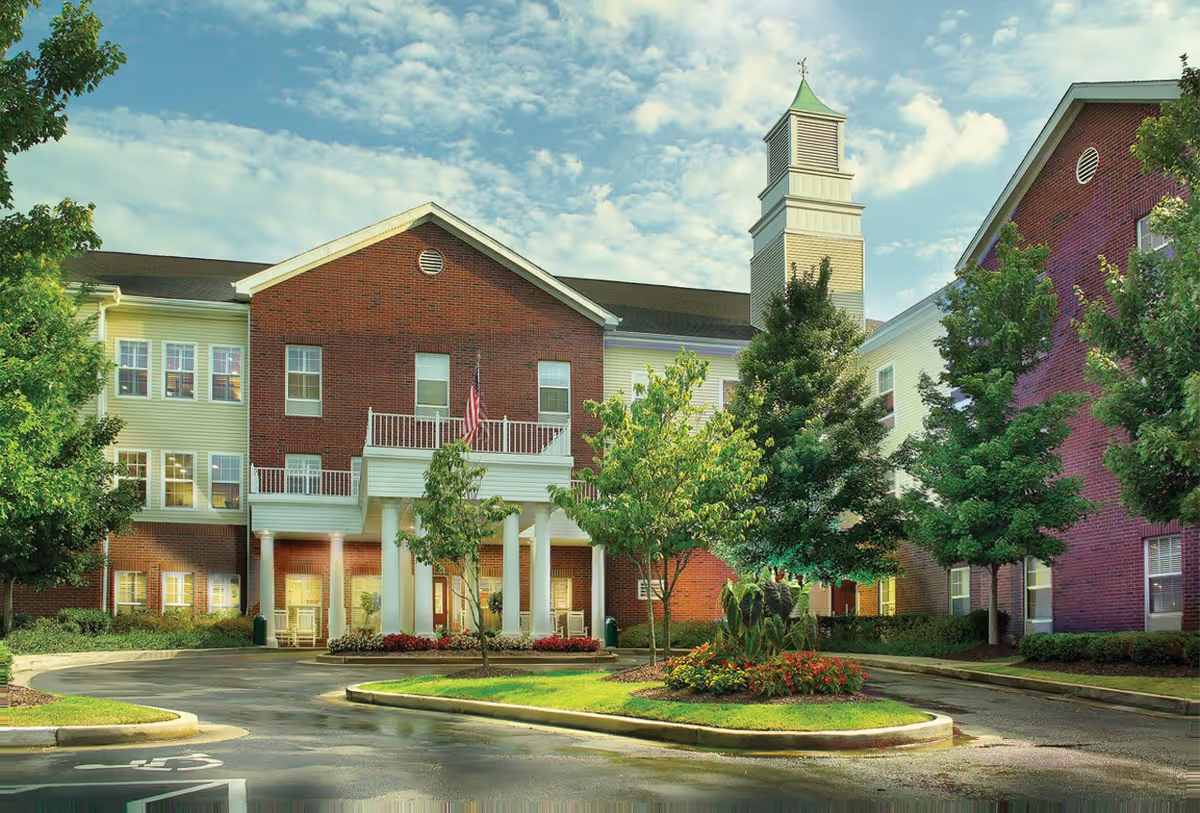
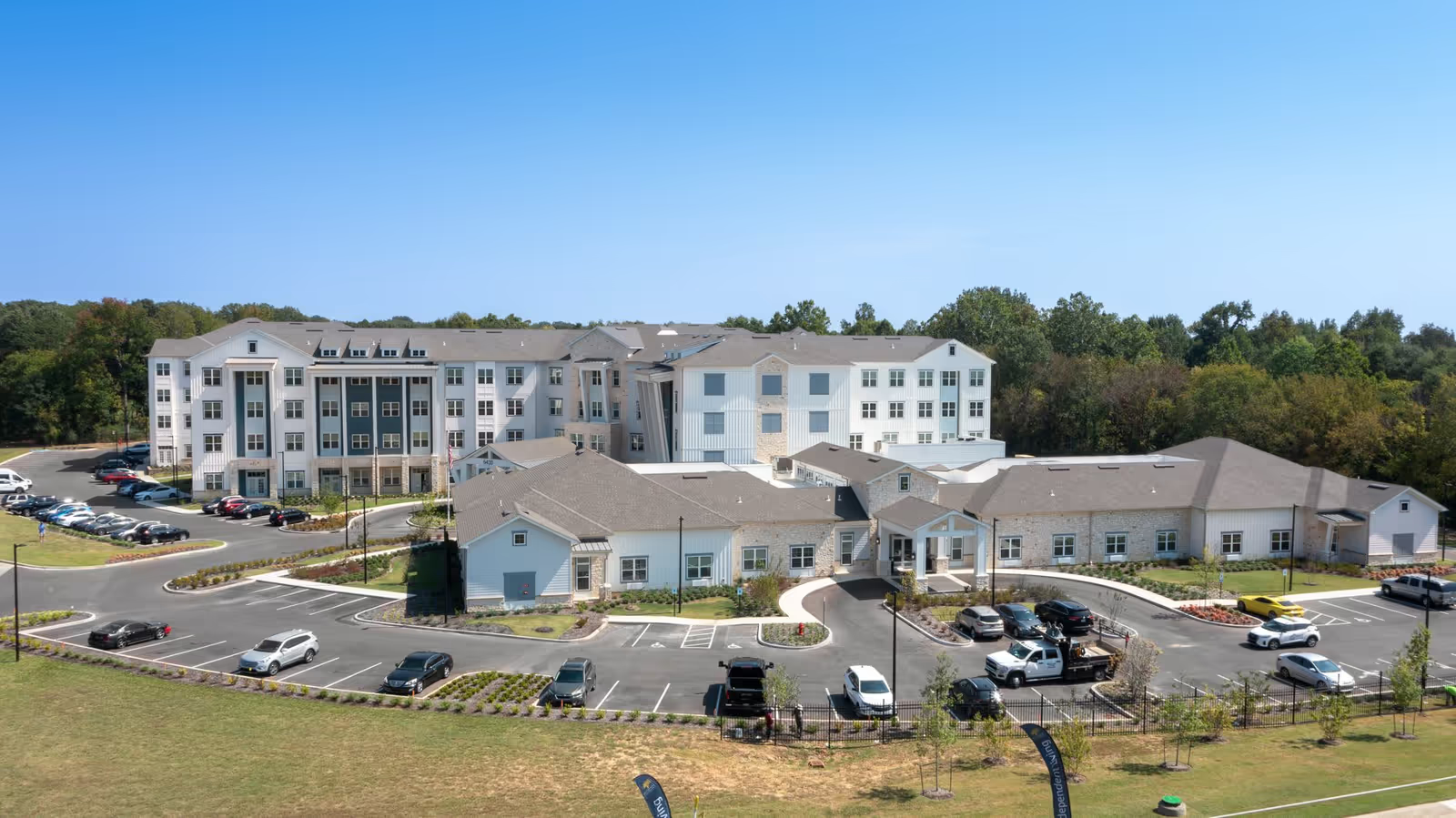
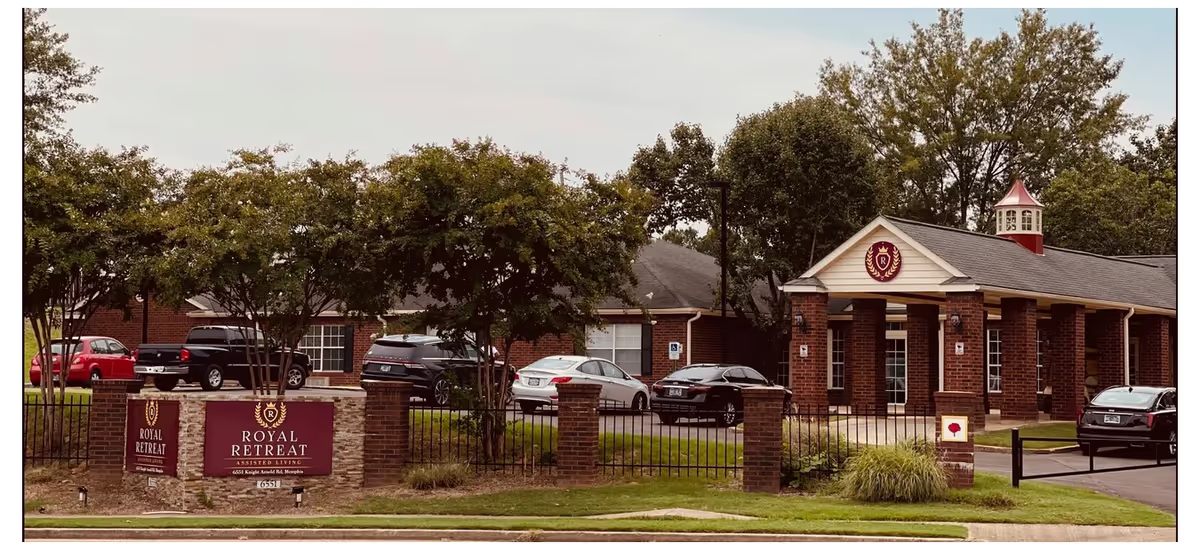
The reviews present a mixed picture of AHC Bright Glade, with some families describing positive, attentive care and a clean environment while others report significant operational and communication concerns. Several reviewers praised aides and frontline staff for respectful interactions, tenderness in direct care, and visible dedication during challenging periods. Multiple comments also indicate that portions of the facility are tidy and odor-free, and that some residents experienced successful rehabilitation outcomes.
Care quality and rehabilitation services show variability in family experience. Positive accounts emphasize effective therapy and measurable improvement for certain residents. Contrasting accounts cite gaps between the rehabilitation level marketed at admission and the services actually delivered, including unmet expectations for intensity of therapy and concerns about early discharge or inadequate transition planning. These contrasts suggest inconsistent implementation of individualized therapy programs and discharge coordination.
Staffing and responsiveness are recurring themes. Reviewers described delays in responding to call signals, slow pain-relief response, and periods when residents were left in rooms for extended times; these concerns, combined with explicit mentions of understaffing, point to workforce-coverage and responsiveness problems. Several reviewers also raised issues about the tone and professionalism of some staff and management interactions, indicating uneven staff conduct across shifts or teams.
Dining and facility environment are noted in mixed terms. While cleanliness, tidiness, and absence of unpleasant odors were highlighted positively, other comments characterise the dining area as institutional or cafeteria-like. That contrast indicates the physical environment may be acceptable from a sanitation perspective but lacks a homelike dining atmosphere for some guests.
Management, communication, and administrative processes emerged as significant liabilities. Families reported difficulty reaching the facility by phone, long hold times, canceled or unheld care-planning meetings, and poor follow-through from social-work or administrative staff. These issues contribute to family frustration and diminish trust in care coordination. A small number of reviewers raised serious concerns following a resident-related incident, which prospective families may wish to investigate further with the provider.
Notable patterns across the reviews are the polarization of experiences and repeated operational themes: consistent praise for certain direct-care staff and cleanliness, alongside persistent complaints about staffing levels, responsiveness, communication, and the fidelity of rehabilitation services to what was marketed. Prospective residents and families should consider on-site observation, detailed questions about therapy frequency and staffing ratios, clear expectations for discharge planning, and direct verification of communication protocols with the facility before making placement decisions.