Feedback for AHC Harbor View is highly polarized: many accounts highlight a clean, attractive facility with strong short-term rehabilitation, private rooms, an active events program and caring frontline caregivers, while a significant number of accounts describe recurring operational failures that affect basic daily care and family confidence.
Care quality shows a split pattern. Positive accounts emphasize effective physical and occupational therapy, attentive CNAs, and some instances of strong nursing support. Contrasting accounts repeatedly describe staffing shortages, slow responses to call lights, delays in personal care and incontinence-care provision, and concerns about medication administration and vital-sign monitoring. There are also references to unintended weight loss and infection- and fall-related events that families linked to these care-process gaps. Overall, clinical reliability appears inconsistent: the facility can deliver hospital-level rehab for some residents, but sustaining that level across long stays is described as a challenge.
Staffing and staff conduct are another mixed area. Many reviews praise warm, helpful front-desk employees, certain CNAs, and individual therapy staff. At the same time, reviewers describe uneven staff training, variability in hygiene protocol adherence, and instances of apathetic or unresponsive behavior—particularly when staffing levels are low or during night shifts. Several accounts advise that successful outcomes often depend on persistent family advocacy and close monitoring.
Dining and activities receive divergent comments. The facility offers a large dining room, a private dining option, and a varied activities calendar that includes live music, parties, church services and theater programming. Conversely, other accounts point to inconsistent meal quality, limited menu choices, cold or unappealing food presentations, and surly dining staff in some cases. Activity participation is strong when programs are staffed and promoted, but reviewers also reported times when residents were idle or under-engaged.
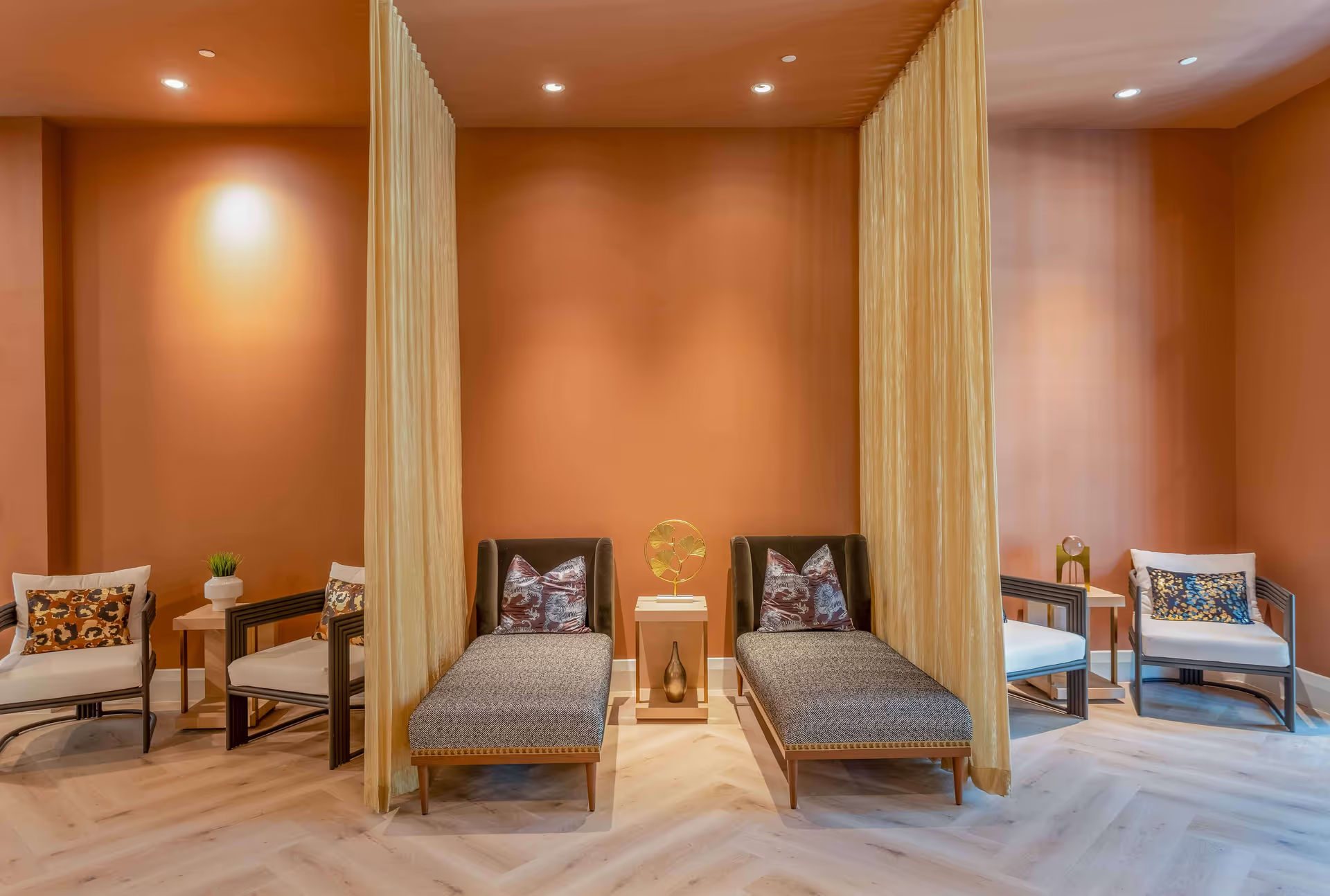
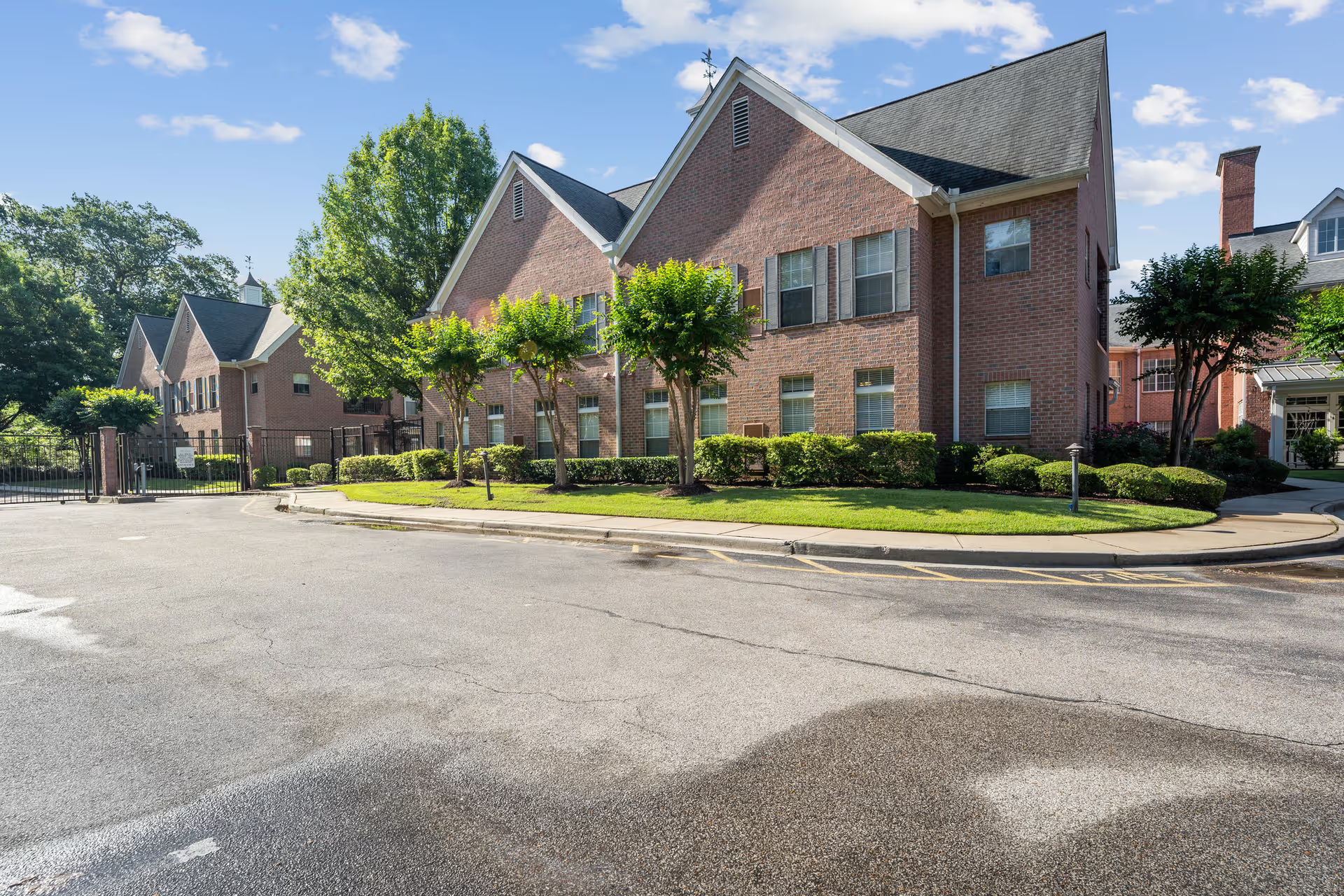
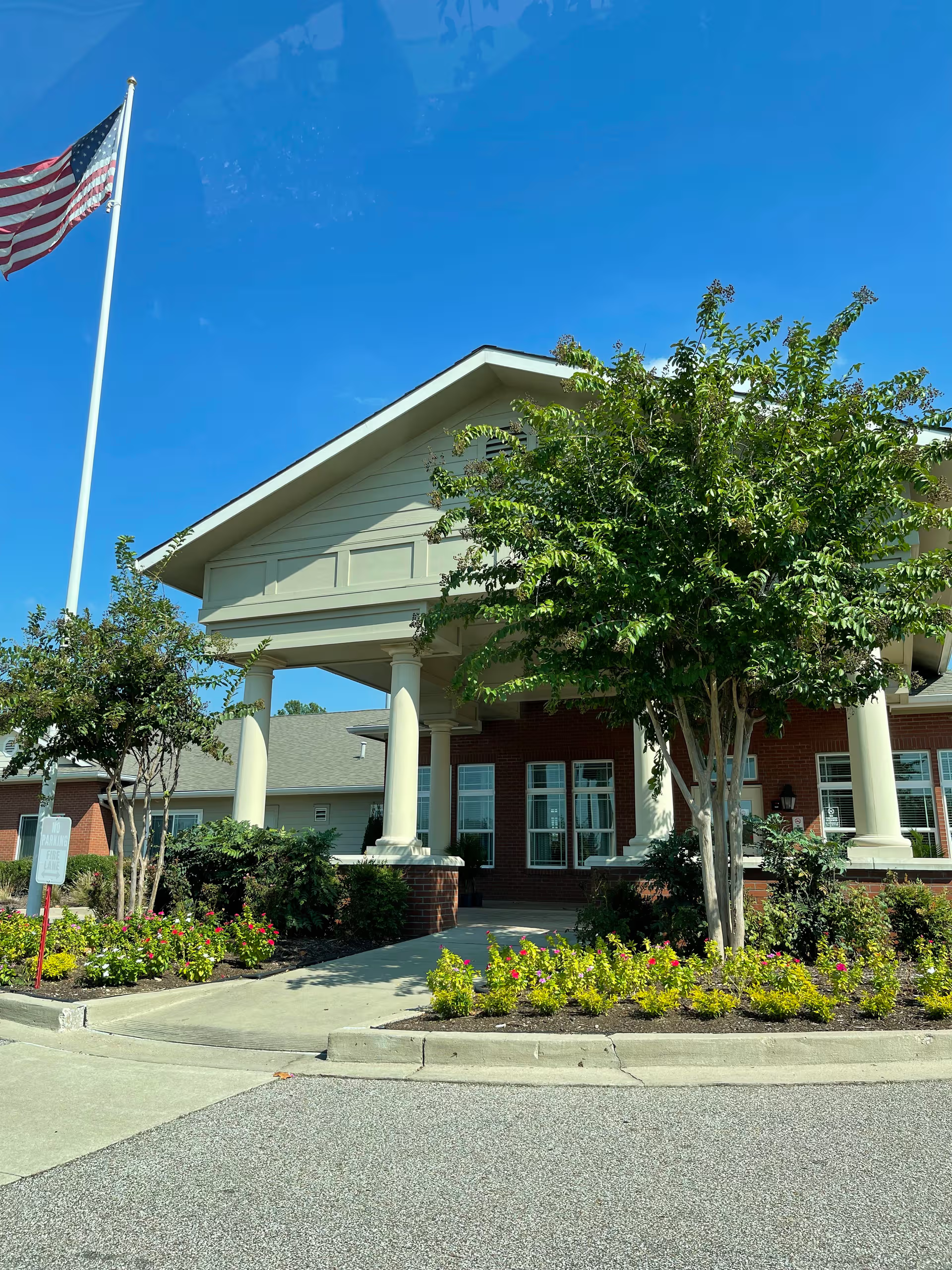
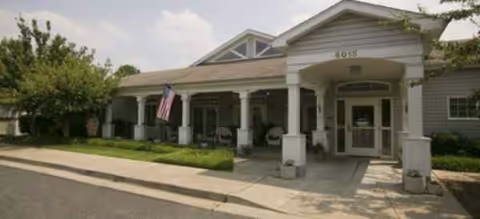
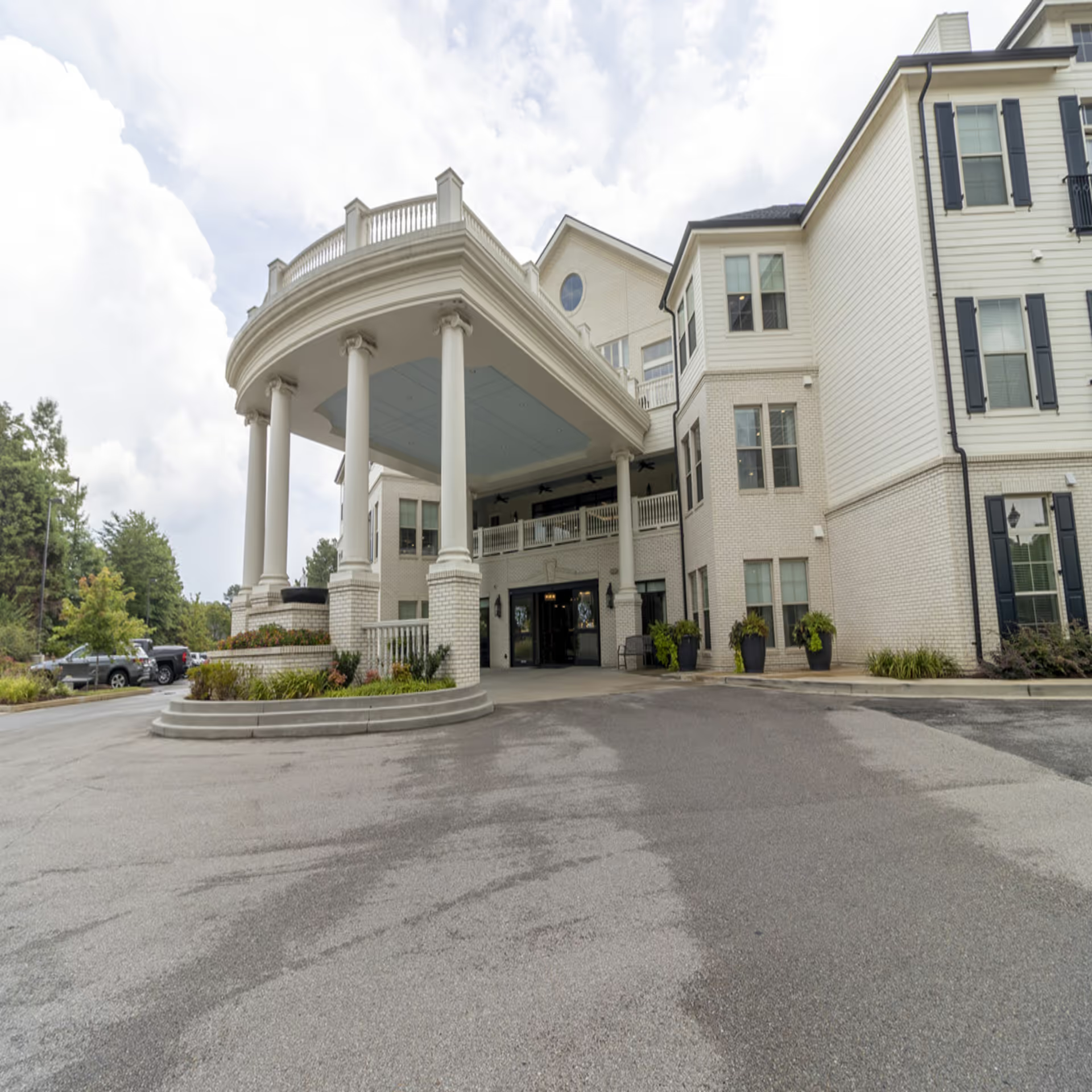
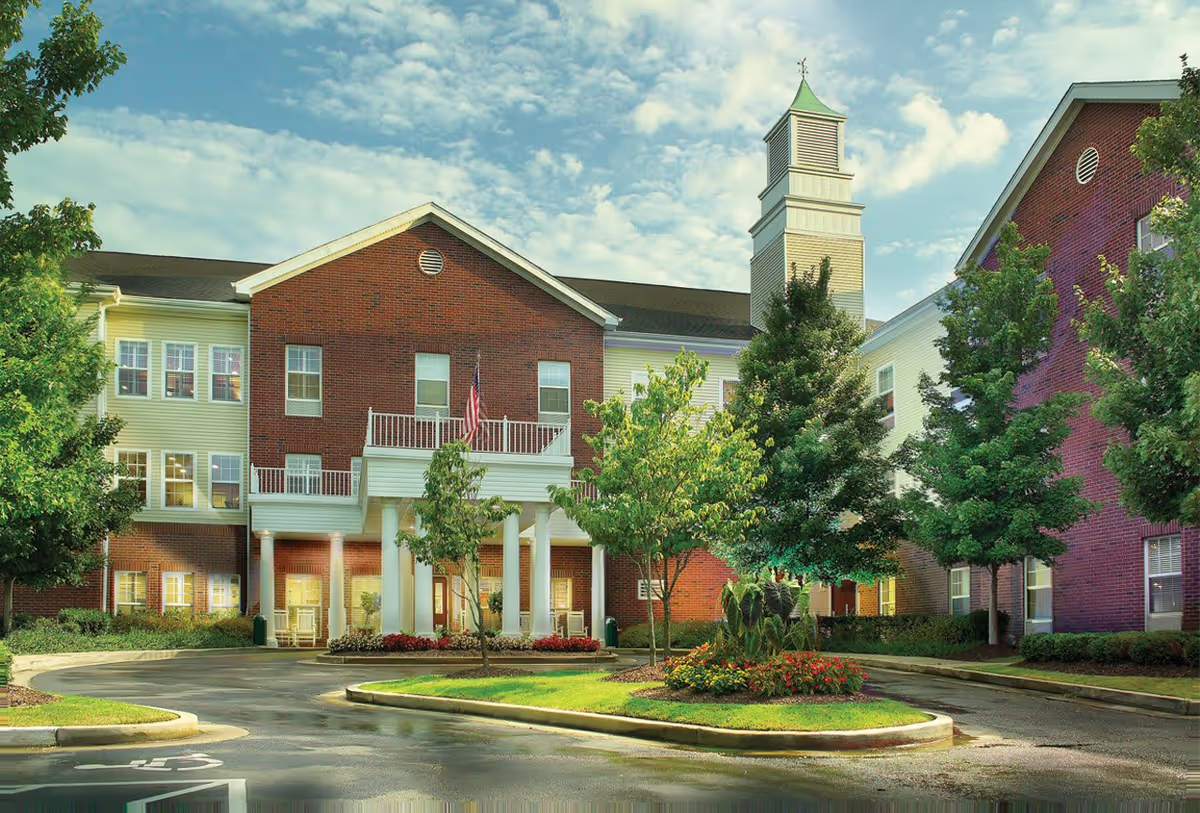
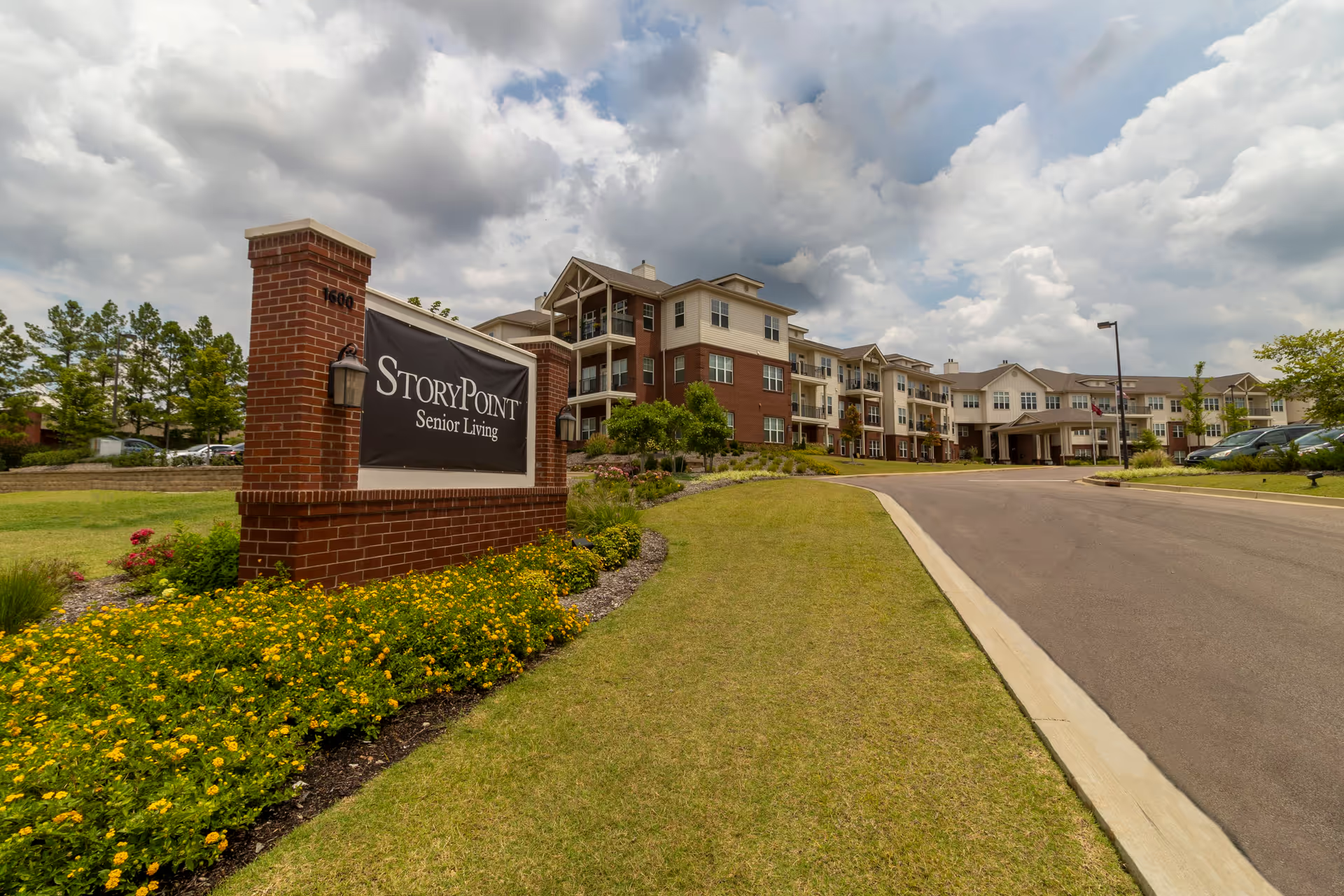
The physical plant and amenities receive consistent praise. Multiple reviews note an attractive entrance, well-kept grounds, private rooms, theater, salon/barber services, and accessible common areas. Housekeeping and general cleanliness are frequently commended. However, there are isolated sanitation concerns, pest-control concerns, and odor issues mentioned in some areas, indicating that environmental oversight may be uneven across the campus.
Management, communication and administrative processes are the most common sources of concern. Reviewers describe difficulty reaching leadership, limited case-management follow-up, and confusing or opaque discharge and transfer communications—occasionally escalating to regulatory attention or family complaints. Several accounts characterize leadership decisions as prioritizing fiscal considerations over clinical oversight, and families report variability in how grievances are handled. Allegations of missing personal belongings and inconsistent documentation on discharge/transfer have been raised and contribute to diminished family trust.
In summary, AHC Harbor View presents as a well-appointed facility with notable strengths in rehab services, amenities, and pockets of attentive caregiving. However, persistent themes of understaffing, inconsistent clinical processes, uneven dining and activity delivery, and problematic administrative communication create a variable experience. Prospective residents and families should weigh the facility’s physical and therapeutic strengths against these operational risks, and consider direct discussion with leadership about staffing patterns, care protocols, medication and vital-sign monitoring, infection-control practices, and discharge/transfer procedures before placement.