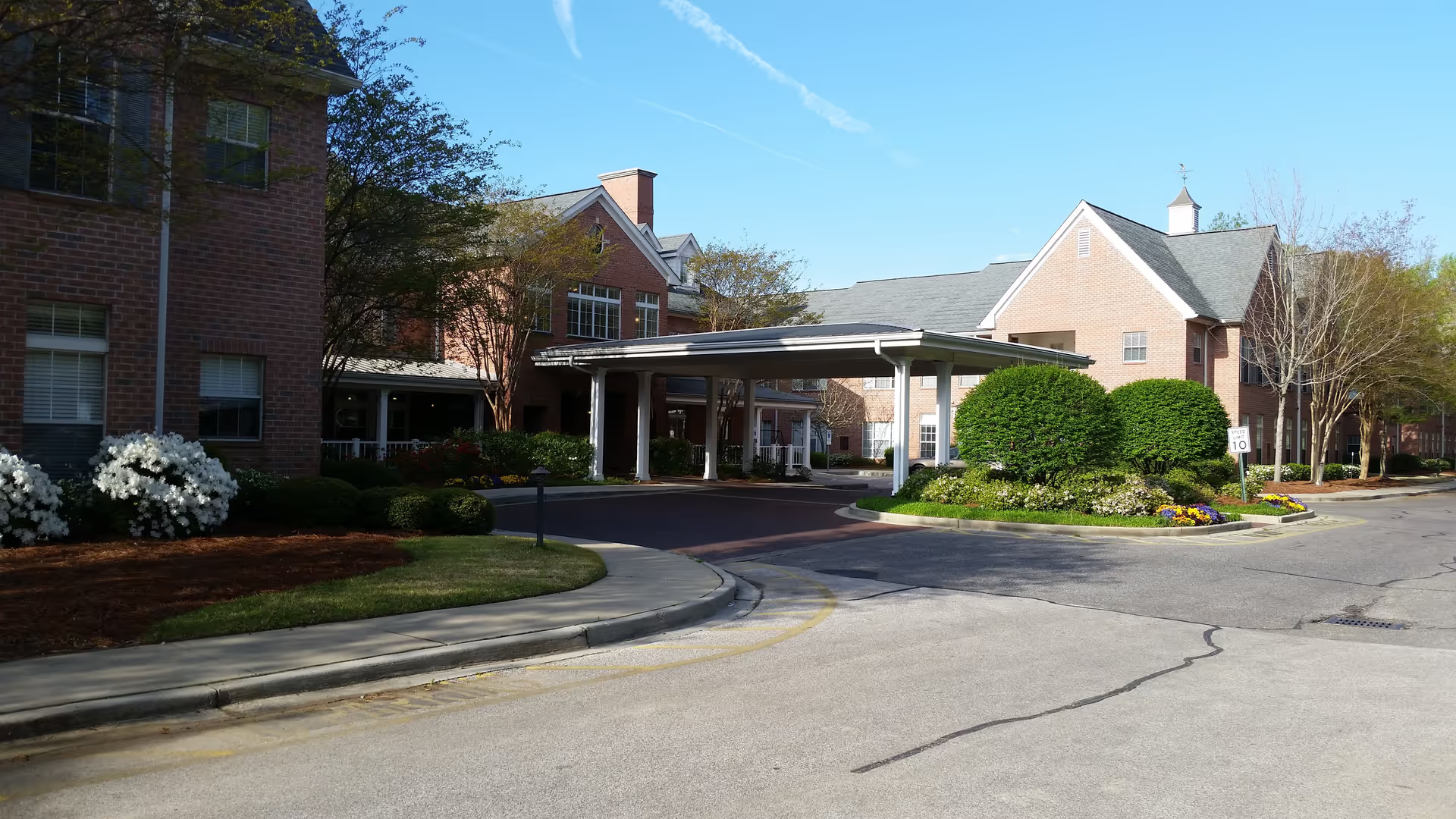
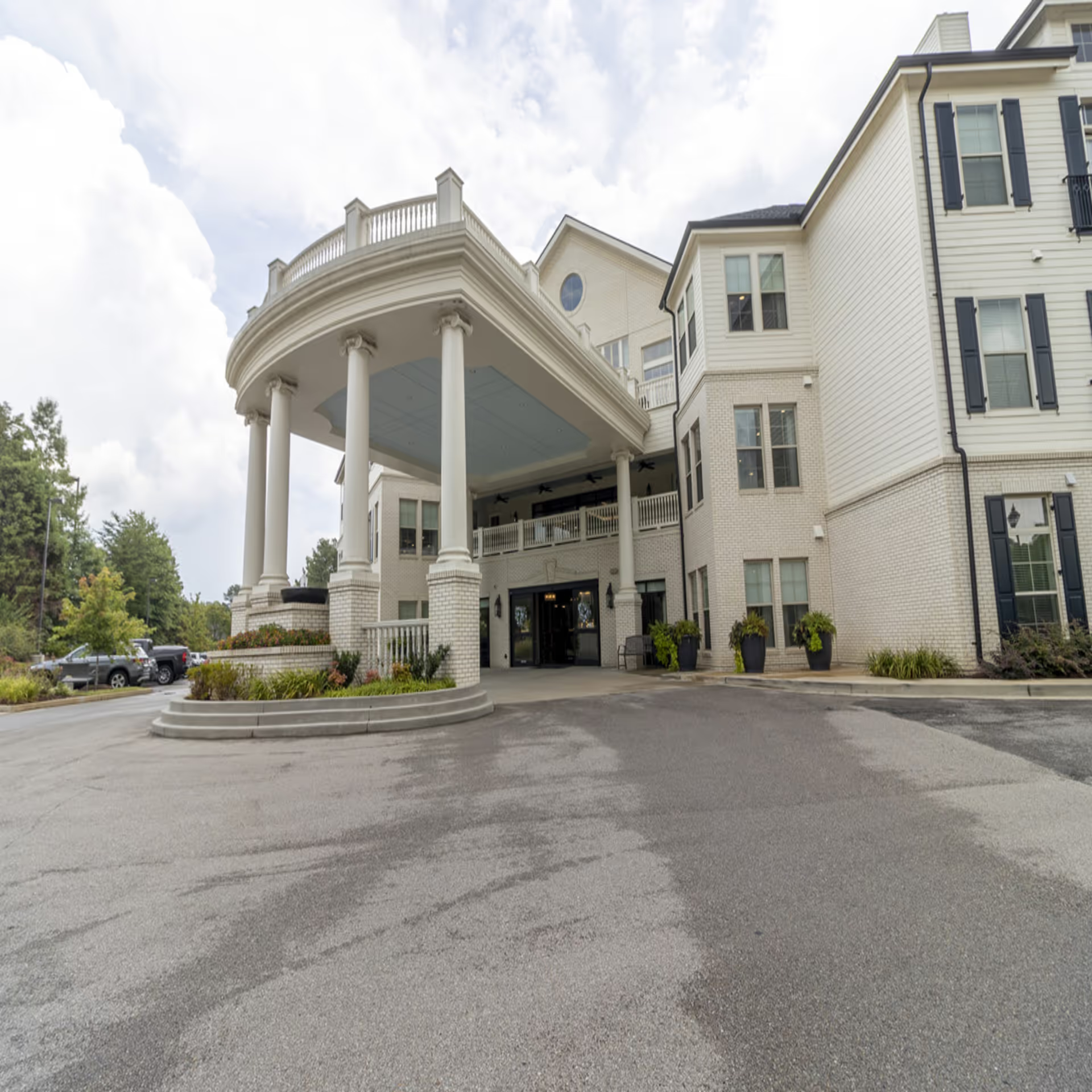
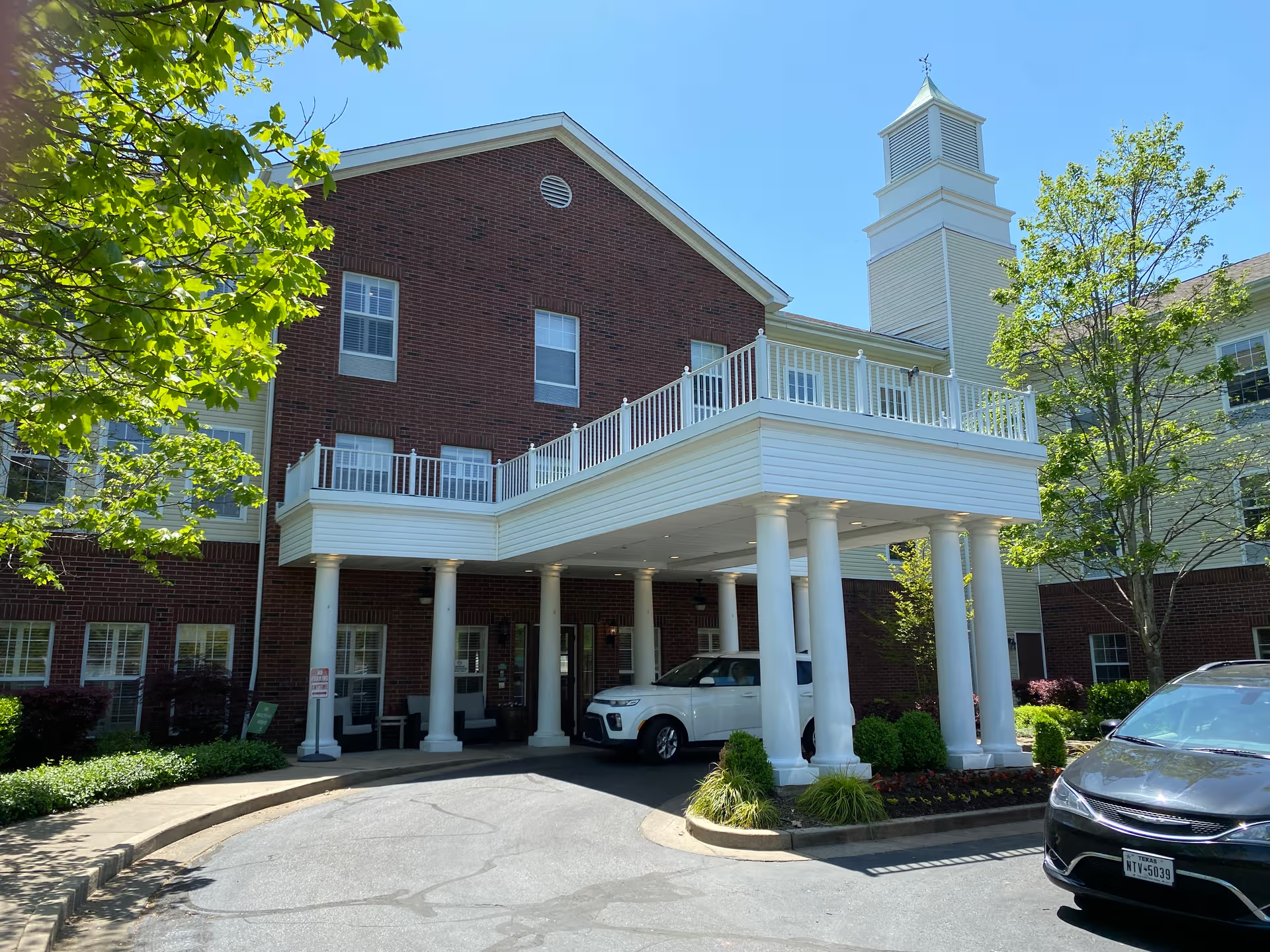
The reviews for Parkway H & R present a mixed picture with distinct positive patterns alongside notable operational concerns. Many families describe a smooth, professional admissions experience: an approachable admissions director, clear communication during intake, and staff who facilitate quick placement for short‑term recovery. The facility’s public spaces and many units are frequently described as clean, welcoming, and well maintained, and several reviewers highlighted security measures and an overall atmosphere that supported rehabilitation and family reassurance.
Care and frontline staffing draw both praise and criticism. Positive comments emphasize compassionate, engaged caregivers who are easy to talk to, provide attentive care, and respond well during crisis situations. Conversely, other reports indicate inconsistent responsiveness to resident calls, infrequent routine checks, and variable staff conduct and communication tone. These patterns suggest staff performance and monitoring may be uneven between shifts or units rather than uniformly meeting expectations.
Clinical operations and care continuity show important areas for improvement. There are repeated concerns about medication and discharge coordination, including delayed or missing medications at release and difficult pharmacy handoffs. Reviewers also raised incontinence‑care delays and instances of missed meal assistance or interruptions to meal continuity, indicating care-assistance workflows may be unreliable at times. A small number of reviews raised more serious safety and post‑event questions, including concerns following a resident’s death and an allegation of a cover‑up; these indicate potential weaknesses in incident response and family communication that merit investigation by prospective families and regulators.
Facilities and environment are generally seen as strengths: many reviewers praised a clean, inviting interior and caring atmosphere. However, some noted sanitation and odor concerns in common areas and inconsistent cleanliness in places, which points to variability in housekeeping or infection‑control practices. Activities and dining received less detailed feedback overall; the main dining‑related pattern in negative comments is interruptions to meal service or delays in providing feeding assistance.
Management and communication show contrasting feedback. Admissions staff and some leaders receive high marks for professionalism, follow‑up, and support during crises. At the same time, recurring critiques around discharge logistics, medication handoffs, and post‑incident communication suggest systemic process gaps. Prospective families should verify discharge and medication‑transfer procedures, ask about staffing ratios and routine check protocols, and request documentation of incident‑response practices.
In summary, Parkway H & R has demonstrable strengths in admissions, some caregiving teams, facility upkeep, and crisis responsiveness as reported by several families. However, multiple reviewers identified operational weaknesses in responsiveness, incontinence care, medication/discharge coordination, and certain cleanliness and safety‑monitoring practices. These mixed signals recommend a careful, targeted tour and specific questions about monitoring schedules, medication transfer procedures, housekeeping oversight, and how management handles clinical incidents before making a placement decision.