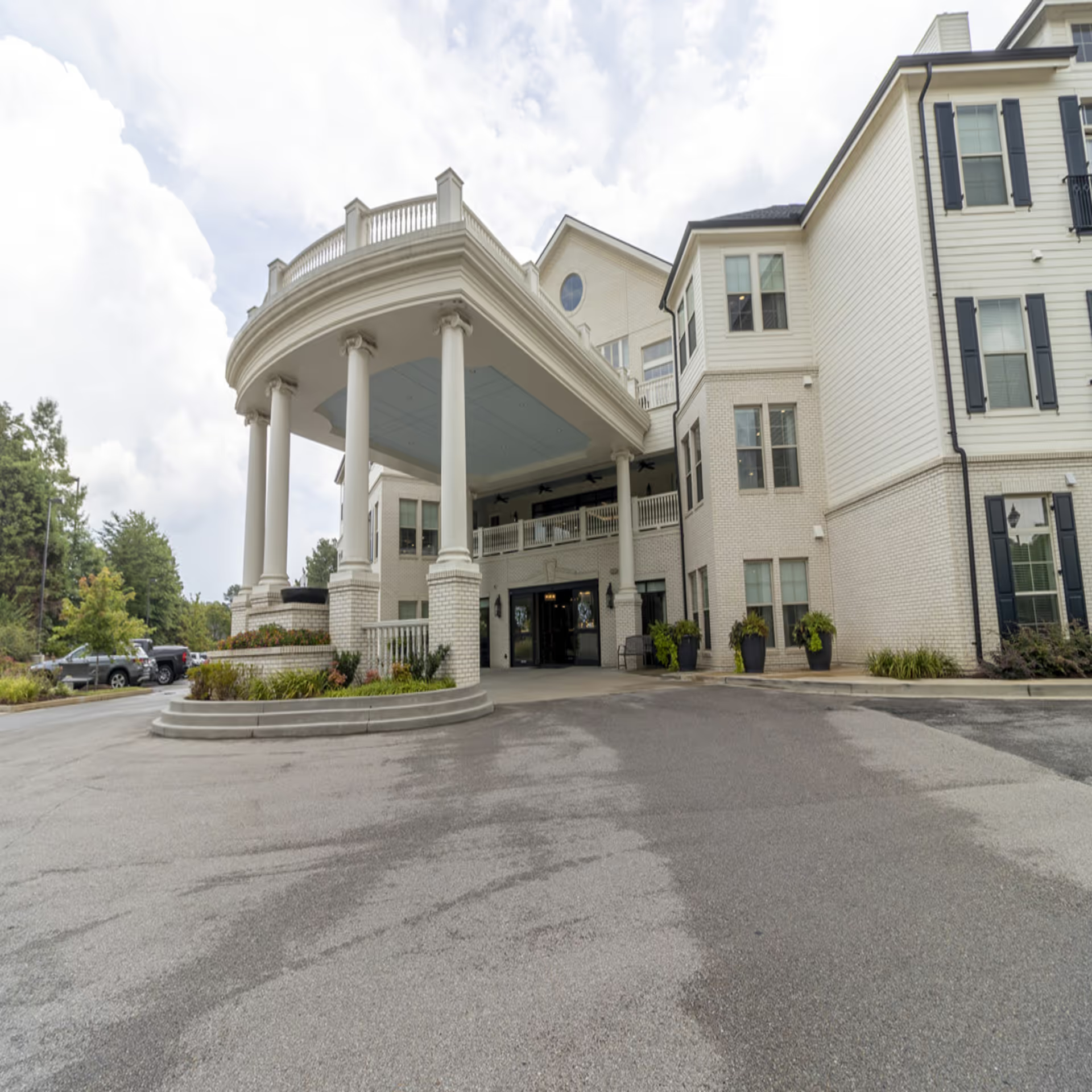
Spring Gate Rehabilitation and Health Care Center elicits strongly mixed impressions. Several reviewers praised the facility’s rehabilitative capabilities — notably an experienced respiratory team (with ventilator and tracheostomy support), in-house hemodialysis, and consistent physical and occupational therapy — and highlighted an active activities program that includes games, karaoke and movie nights. Admissions, front-desk staff, and individual clinicians were frequently singled out as helpful, and some wings were described as clean, odor-free and well maintained. Patient advocates and specific LPNs and nurses received positive mentions for communication and individualized attention.
Despite those strengths, a substantial number of comments identify operational and clinical patterns that families should weigh carefully. Staffing consistency emerged as a recurrent concern: reviewers described thinner coverage overnight and on weekends, long waits for assistance, and variability in responsiveness to call lights. Those staffing patterns were linked to delays in routine care tasks (turning schedules, bathing, incontinence care) and, in some accounts, inconsistent clinical follow-up such as wound care or suctioning.
Sanitation and maintenance issues were another prominent theme. Multiple reviewers described odor concerns in common and dining areas, pest-control concerns, and uneven housekeeping standards across units. Maintenance and equipment reliability also drew critique — examples included nonfunctional beds, air-conditioning problems, and inconsistent oxygen/equipment readiness — which reviewers connected to compromised comfort and, in some cases, safety risks.
Clinical oversight and communication were noted as variable. Families referenced gaps in nurse–physician coordination, inconsistent documentation or follow-up for specialty care (for example, gastroenterology involvement), and uneven responsiveness to clinical changes that warranted escalation. Infection-control practices were also questioned in a few accounts. Billing and financial transparency concerns were raised by several families, as were perceptions of management prioritization and supervisory absence during critical periods.
Dining and food-service quality were described inconsistently: some reviewers found the meals acceptable, while others cited long waits, limited portions, and unappetizing offerings. By contrast, the activities program and rehabilitation-focused spaces were frequently seen as assets for restorative stays.
Overall, the pattern in these reviews is polarized: certain units, teams, and individual staff members receive clear praise for compassionate, competent care and strong rehab services, while systemic weaknesses in staffing reliability, sanitation and maintenance, clinical follow-up, and management oversight recur across many accounts. Prospective residents and families should consider visiting multiple units, asking for recent staffing and infection-control metrics, reviewing the facility’s wound-care and emergency escalation protocols, and confirming financial/billing policies before placement.