Richland Place presents a mixed profile: many reviewers describe an upscale, well-appointed campus with strong amenities and robust rehabilitation services, while others report operational gaps that affect clinical care and family confidence.
Care quality: The facility receives consistent praise for its on-site rehabilitation and physical therapy programs, with several accounts of effective therapy and positive functional outcomes. At the same time, reviewers describe inconsistent clinical-care delivery in other areas — examples include missed medication administration, delays in attending to resident needs, and uneven pain management. These accounts indicate variability in clinical processes rather than a uniform standard of care.
Staff: Staff interactions are a prominent strength and a source of concern. Numerous comments highlight professional, caring, and helpful employees and positive customer-service experiences. However, there are also reports of brusque or unhelpful staff behavior and variability in responsiveness. Staffing shortages and instances of delayed assistance were cited as factors contributing to uneven resident experience and communication breakdowns with families.
Dining and activities: Dining is frequently noted as a positive feature — meals are described as appealing and varied, and food-service programming (including tastings and social dining) is a recurring highlight. The activity program appears broad and active, with live concerts, clubs, exercise classes, water activities, and organized social events contributing to resident engagement. Some residents prefer fewer activities or expressed a desire for more independence; activity participation may vary by unit and individual interest.
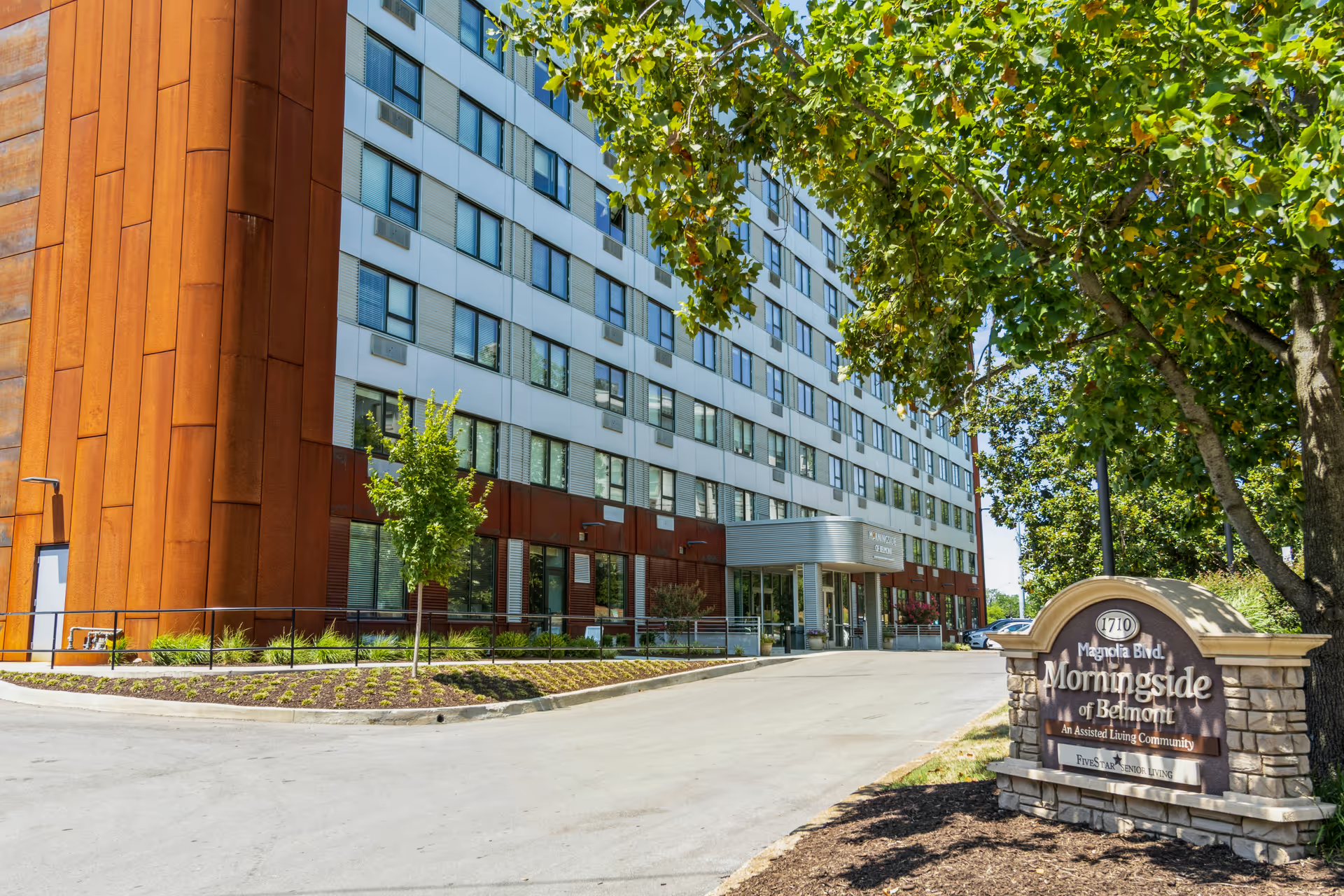
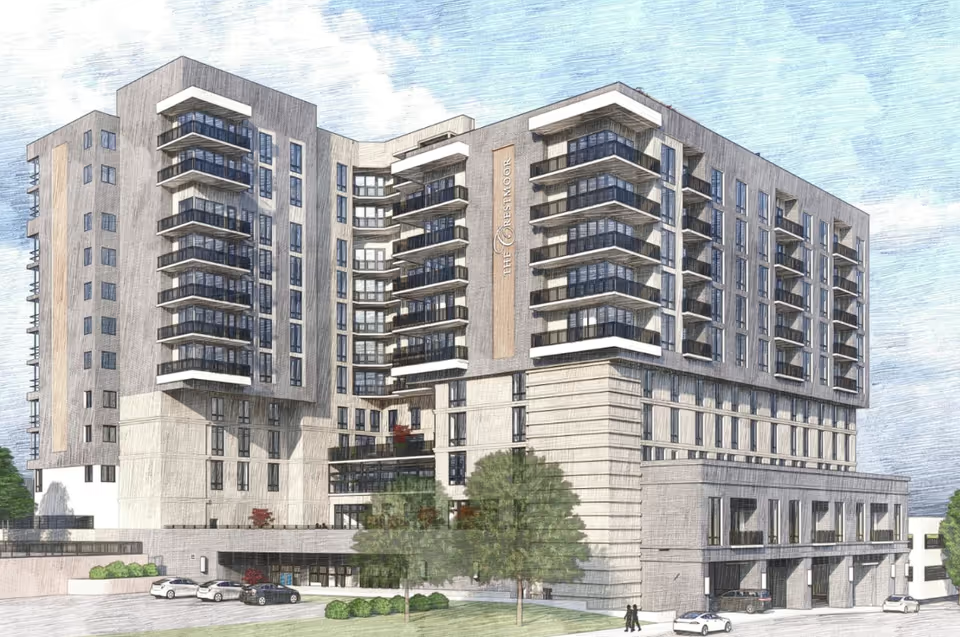
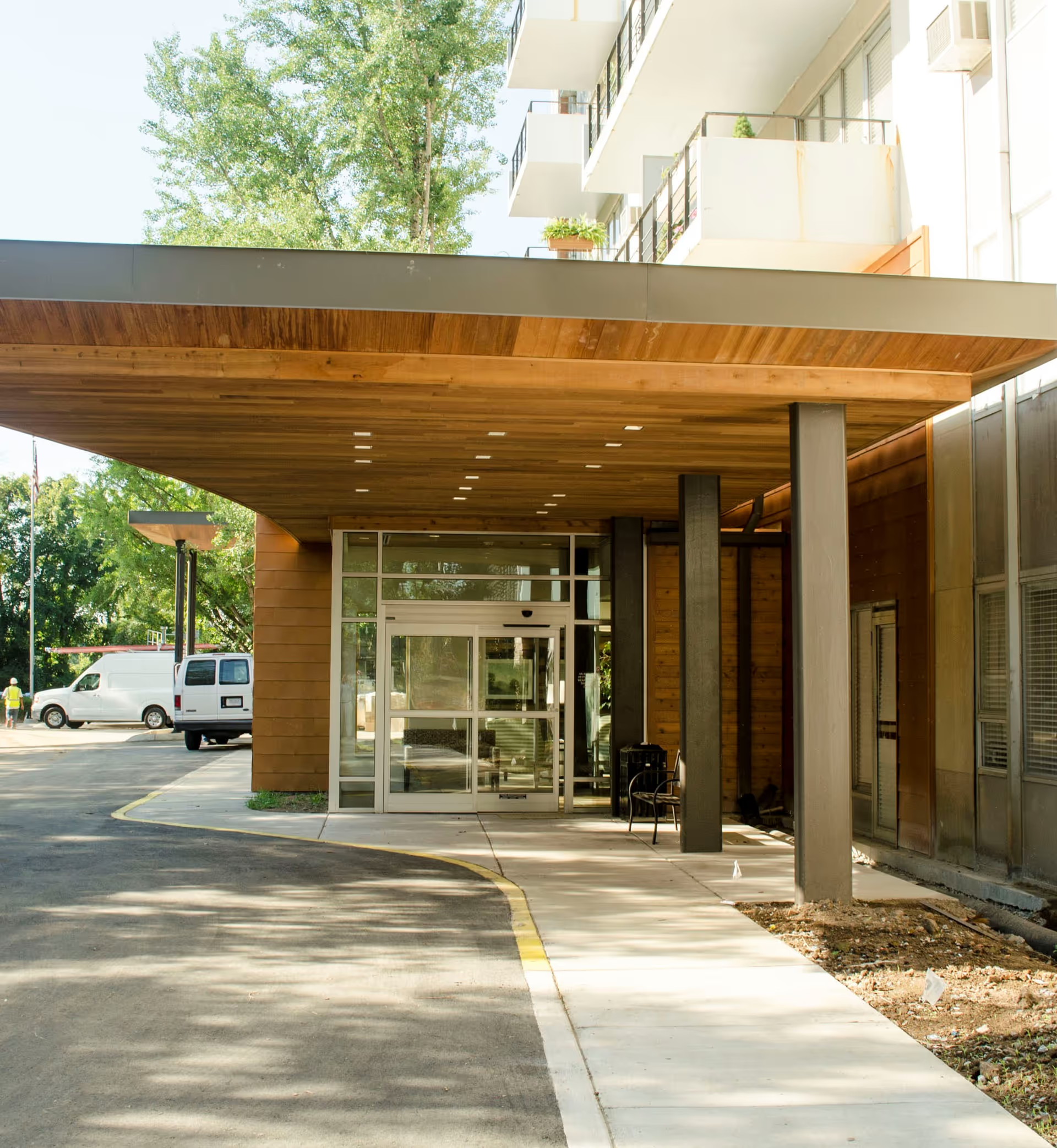
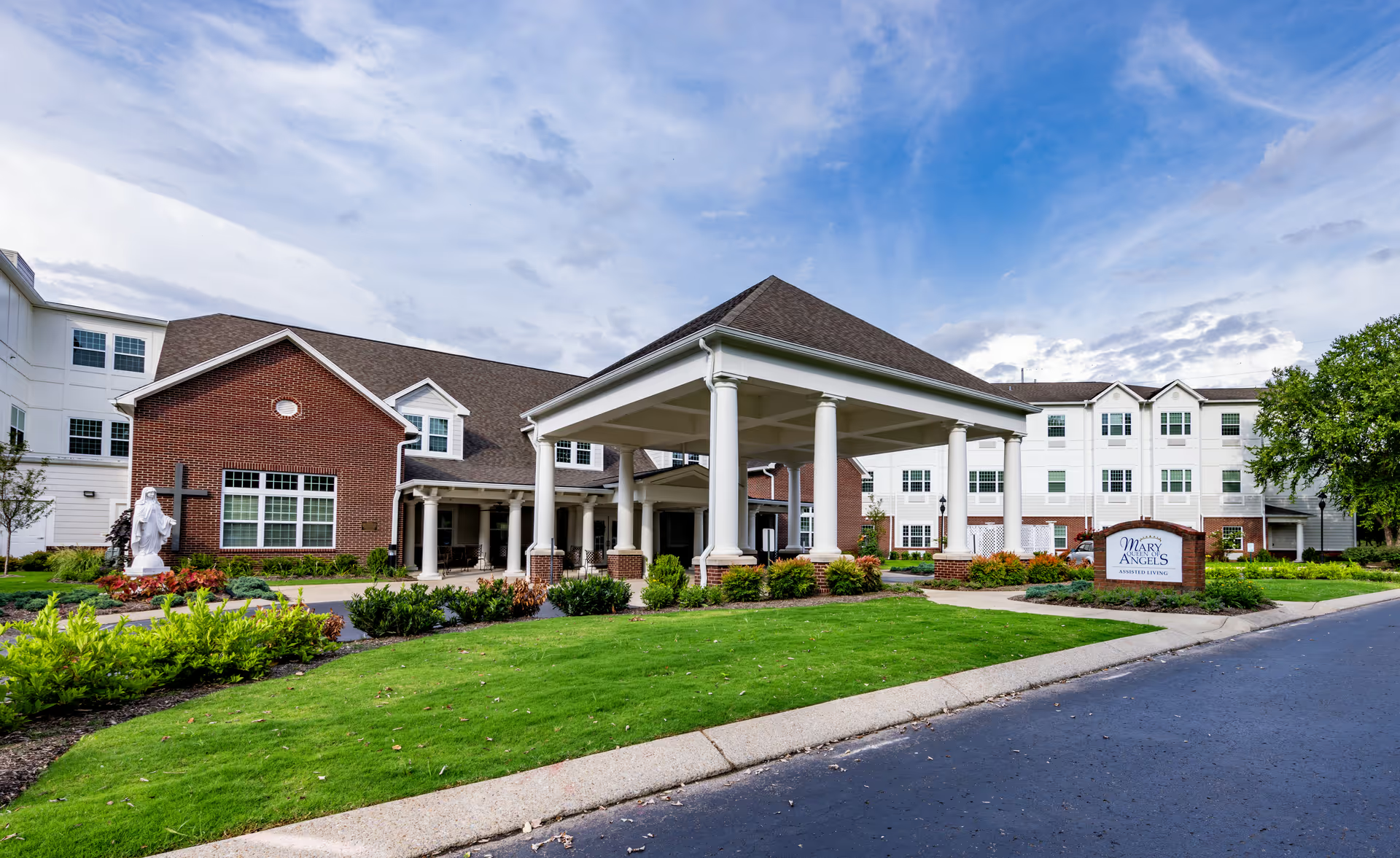
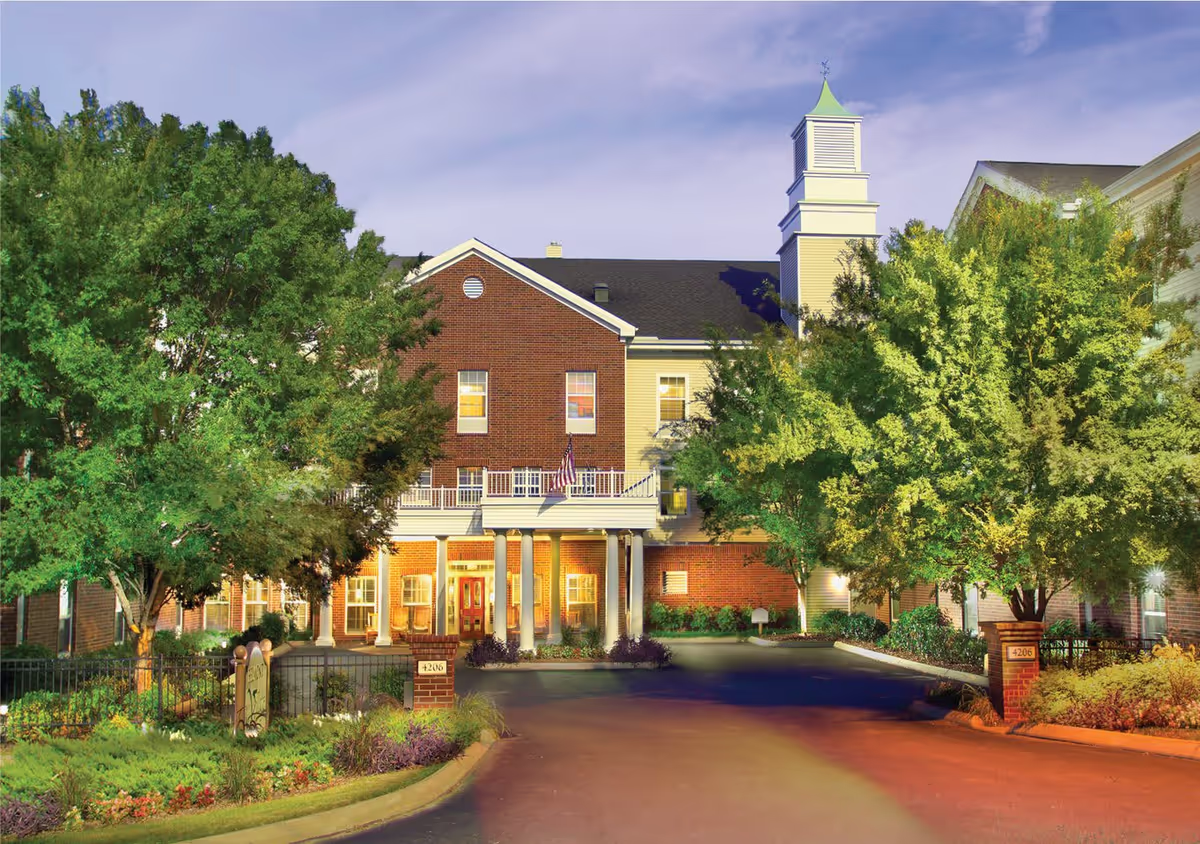
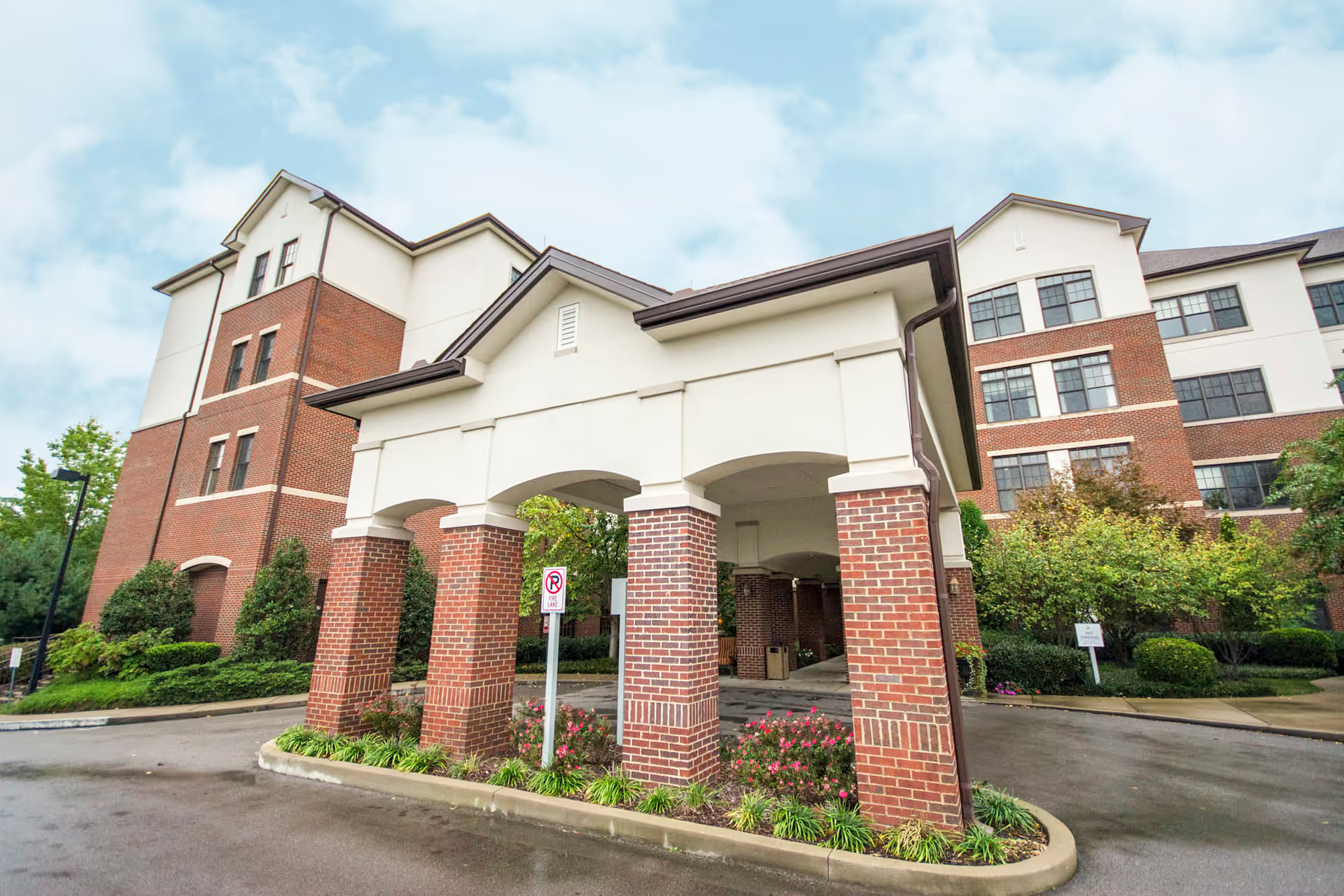
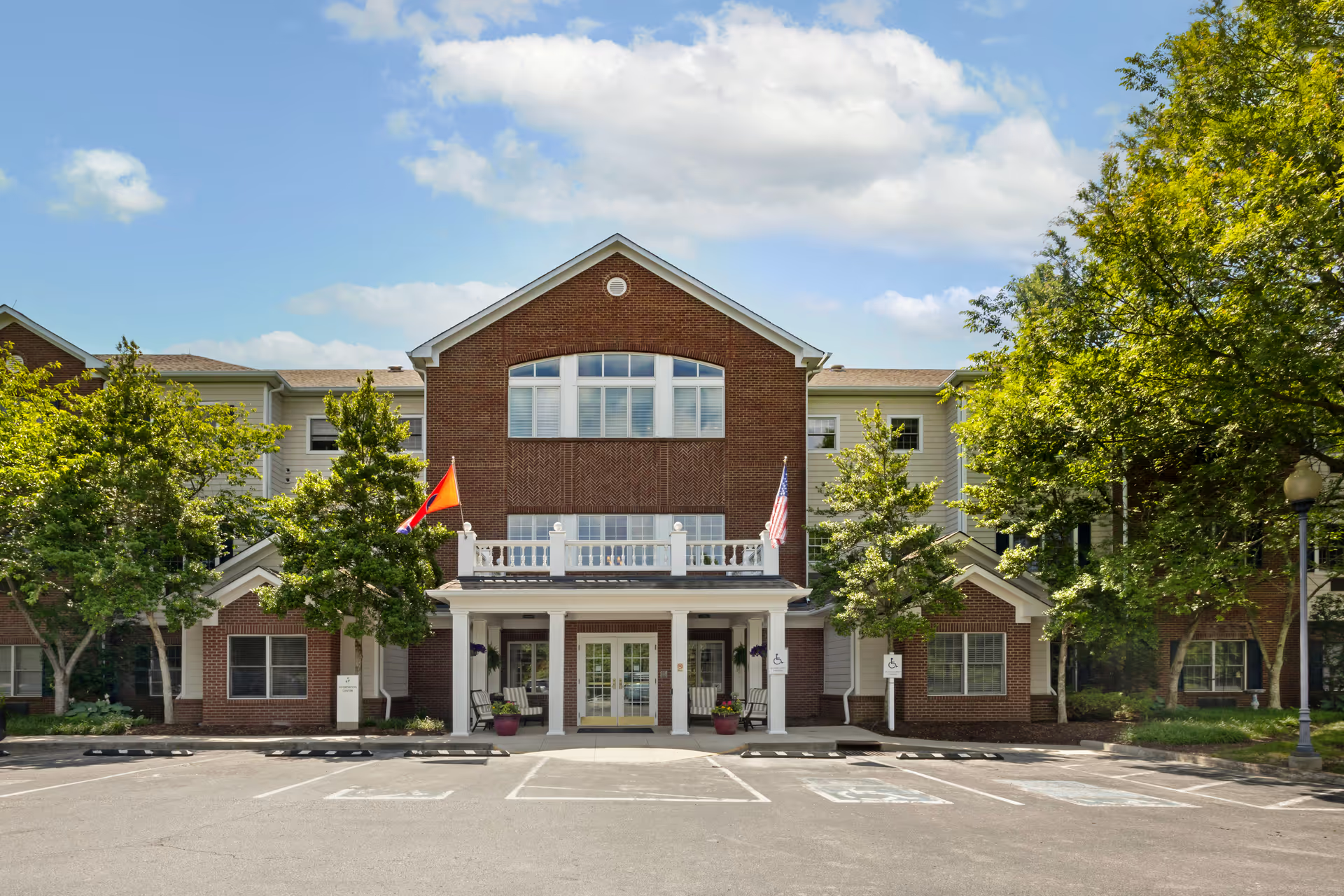
Facilities and amenities: The campus and interiors are commonly described as elegant and well maintained, with attractive common areas, a grand piano, and pleasant landscaping. Fitness and aquatic facilities are available and well received. Conversely, some units — particularly shared rooms or certain long-term care areas — were described as small or lacking natural light. There were also isolated sanitation and housekeeping concerns, including failures to complete promised cleanups after incontinence-related incidents, which signal gaps in housekeeping responsiveness and follow-through.
Management and administration: Recurring themes include inconsistent communication with families, challenges during admissions and placement transitions, and issues around billing and payment transparency. Specific complaints include large upfront payment requests and billing disputes, as well as perceived discrepancies in how certain payer types are handled. These administrative issues have affected trust for some families and warrant direct inquiry during tours and move-in planning.
Notable patterns and guidance: Overall, Richland Place offers many of the features expected of an upscale continuing-care campus — quality dining, therapy services, varied activities, and attractive facilities. However, there is variability in daily-care execution, staffing responsiveness, sanitation follow-through, and financial/placement practices. Prospective residents and families should verify current staffing levels, medication-administration protocols, housekeeping procedures, room configurations (private vs. shared), and billing terms before committing. Asking for recent outcome measures, a tour of both residential and skilled-nursing areas, and references from current residents can help clarify whether the facility’s strengths align with a specific resident’s needs.