Overall impression: Reviews for The Village at Bellevue | Nashville Assisted Living are strongly mixed but consistently vivid: many families and residents praise the facility as a small, home-like community with compassionate caregivers and good nursing, while a significant minority report serious operational, staffing, and leadership problems that materially affect care and workplace culture. The strongest recurring positives are staff devotion, individualized support, cleanliness and recent upgrades, a family atmosphere, useful safety features, and an active social calendar for parts of the community. The most serious recurring negatives are high turnover, understaffing (notably in memory care and overnight), management and confidentiality complaints, inconsistent food quality, and limitations in transportation and programming.
Care quality and staff: A large number of reviews highlight genuinely excellent caregiving and nursing: staff are described as kind, attentive, professional, and responsive; many families credit staff with successful recoveries, medical responsiveness, and attentive end-of-life support. Several reviewers single out long-tenured or exceptional staff and administrators by name, and many say staff felt like family. Conversely, other reviewers describe abrupt declines in care quality tied to staff turnover and leadership changes — including allegations of unsafe staffing levels (only one nurse overnight), night/weekend gaps, and minimal help with showers or higher-dependency tasks. Memory-care families especially report inconsistent care, understaffing, and unit-specific problems. This produces a pattern where care quality can depend heavily on the household, current shift, or recent management changes.
Management, culture, and leadership: Management experiences are very polarized. Some reviewers praise a professional, receptive administration and credit new leadership with measurable improvements. Others describe toxic management practices: discrimination, confidentiality breaches, threats to employees, accusations of stolen bonuses, and a workplace atmosphere that harmed morale and retention. Several accounts claim corporate unresponsiveness and a perceived prioritization of cost-cutting. Multiple reviews document leadership turnover, which families associate with inconsistent policies and service delivery. These reports suggest that prospective families should ask about current leadership stability, staff retention metrics, and how past problems have been addressed.
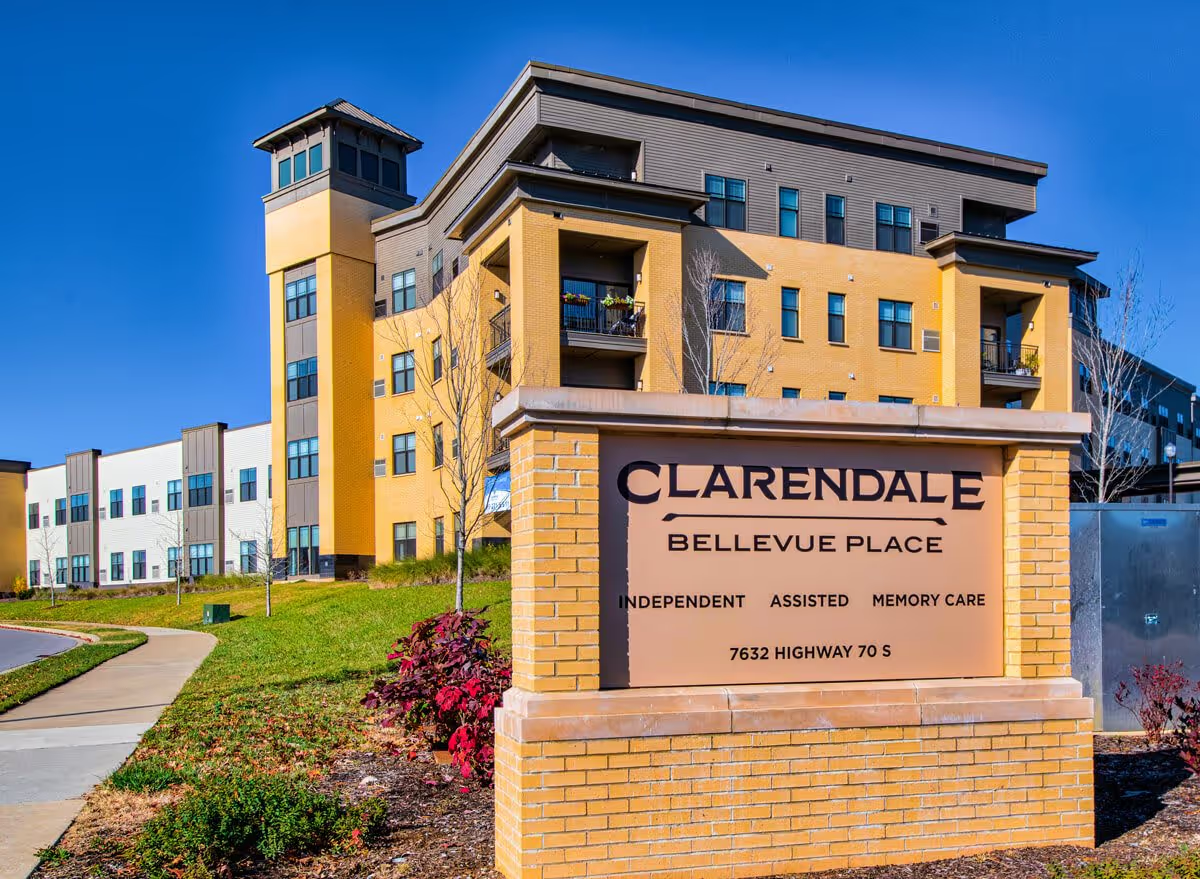
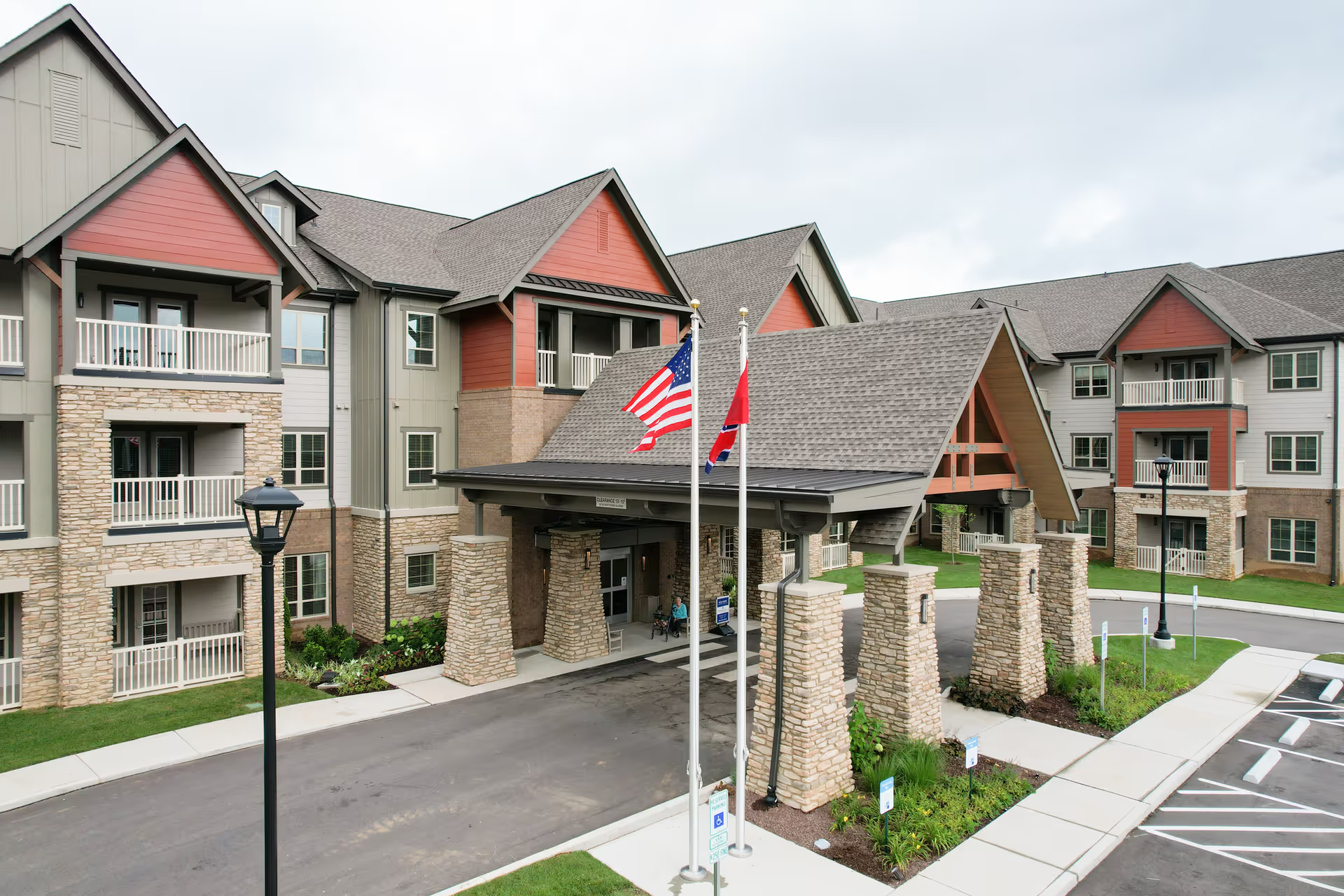
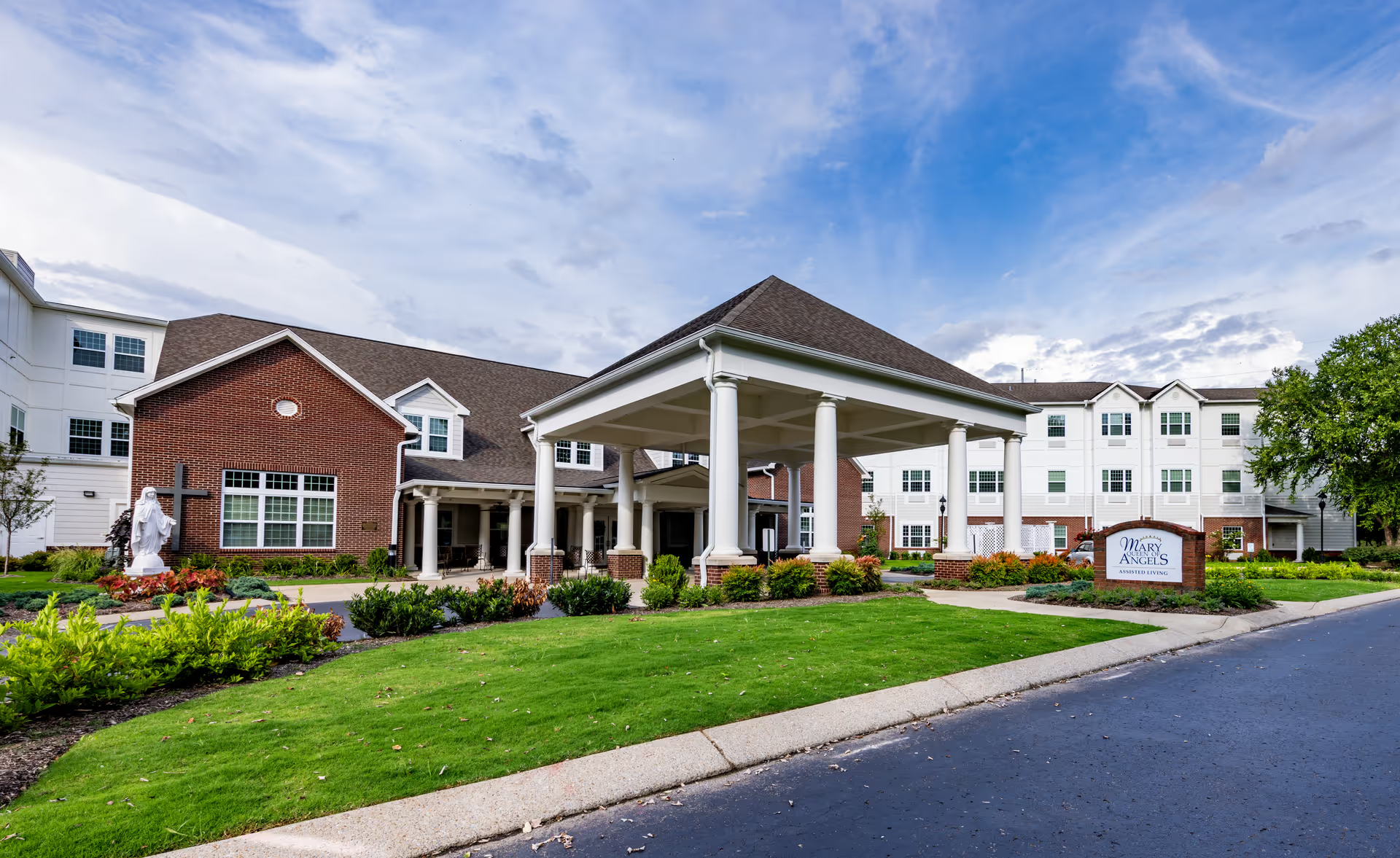
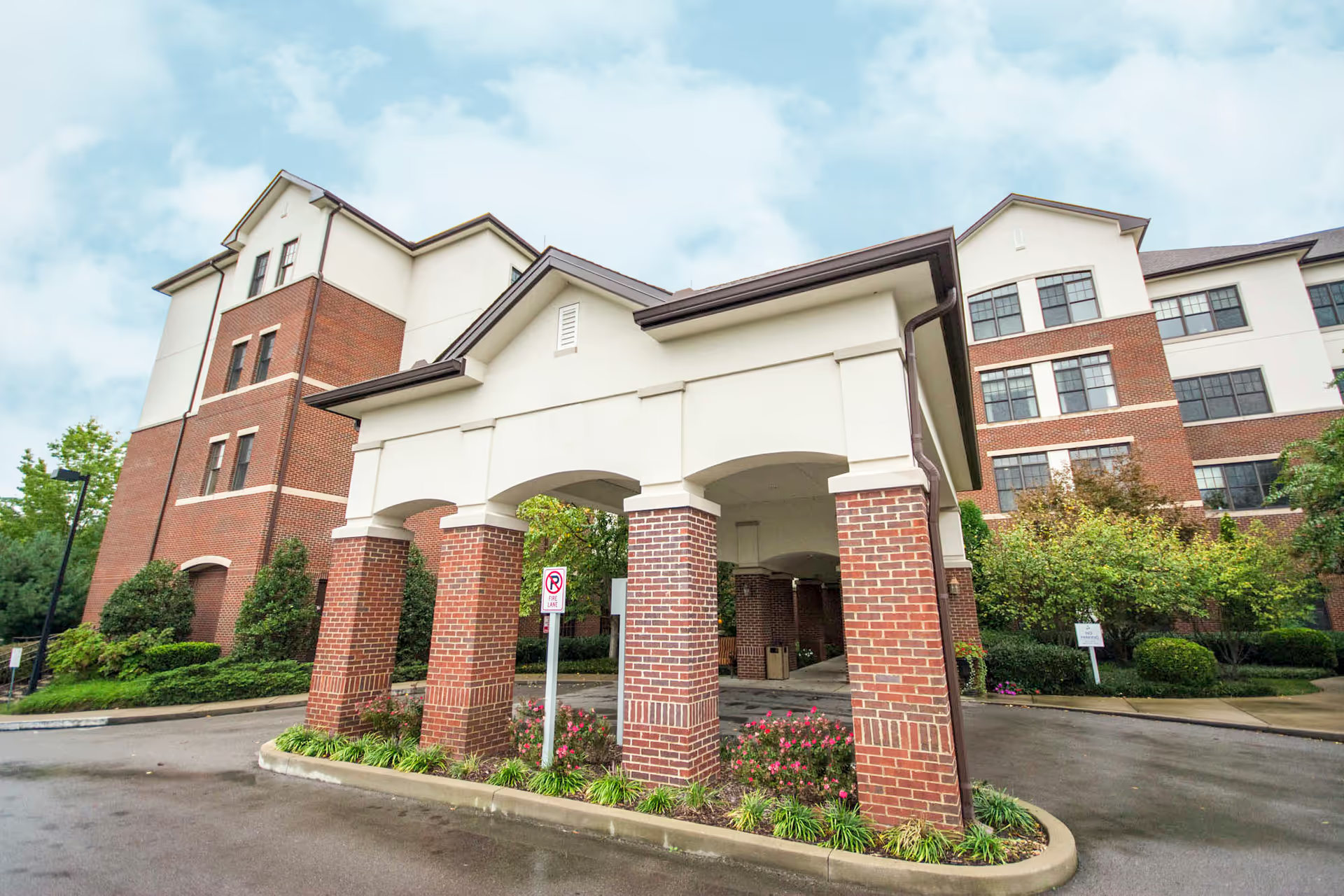
Facilities, cleanliness, and safety: The property is often described as older but recently renovated, clean, and maintained, with pleasant landscaping and some attractive updates to rooms and common areas. Many reviewers appreciate the smaller scale—easy to navigate, homey, and quiet. Criticisms here are less common but important: some report cramped apartments or dark, small living spaces that are hard to furnish, and a few reviews describe hygiene or cleanliness lapses. Safety features like emergency pendants are noted positively; however, concerns about 24/7 nursing availability and night staffing could undermine perceived safety for higher-acuity residents.
Dining and dietary accommodations: Dining impressions are strongly split. Many reviewers report very good meals, social dining, improved menus with multiple choices, and home-cooked-style cooking that helped residents regain weight. Others find the food inadequate for picky eaters, inconsistent, or outright poor. A handful of disturbing employee-focused reports reference missing free lunches and accusations around food theft—these appear tied to workplace conflict and should be distinguished from resident food quality issues. Families with specific dietary needs should verify menu flexibility and accommodations.
Activities, social programming, and transportation: Several reviewers praise an engaging calendar, varied daily activities, well-organized outings (museum visits, Opryland, lunch trips), and social programs that make residents happy. At the same time, many families—especially those with memory care residents—say activities are limited, poorly organized, or missing an activities director. Transportation is a clear pain point for multiple reviewers: services are limited to certain days/times, run on a first-come basis, and do not meet demand for more frequent or flexible outings. Prospective residents should confirm current activity staffing and the transportation schedule.
Administration, communication, and move-in: Numerous families report smooth move-ins, helpful intake staff, and quick responsiveness to requests; phone contact with real people and named staff members are recurring positives. Conversely, other reviewers note communication gaps, difficulty reaching staff, receptionist/front-desk coverage problems, and inconsistent responses on weekends. Visitor-access and security concerns were mentioned when there was no consistent check-in coverage. Several reviewers recommended clearer, more consistent communication channels and 24/7 front-desk coverage.
Cost, contracts, and value: Cost is portrayed variably: many call the facility affordable compared to competitors and a good value, while others find pay-by-level-of-care pricing, monthly fee increases, or the cost relative to delivered services unacceptable. Contract terms (30-day notice and monthly commitments) were mentioned; prospective families should clarify current fee structures, what meals and services are included, and how level-of-care pricing is applied.
Notable patterns and recommendations for prospective families: The strongest pattern is variability—the experience depends heavily on timing, specific household, and current leadership. Several reviewers explicitly recommend The Village at Bellevue, citing exemplary, stable caregivers and a warm environment. Others strongly advise looking elsewhere because of staffing or leadership issues. Given this split, prospective families should: (1) ask for recent staffing metrics and turnover rates (nurses and frontline caregivers); (2) verify memory-care staffing levels and whether an activities director is assigned; (3) inspect unit sizes/layouts to ensure they meet furnishing and mobility needs; (4) confirm transportation schedules and how outings are prioritized; (5) inquire about dietary accommodations and sample menus; (6) ask about front-desk coverage and emergency response staffing at night/weekends; and (7) request references from current families in the specific household they’d occupy.
Conclusion: The Village at Bellevue offers many tangible strengths—compassionate staff, a small home-like environment, recent renovations, and a number of families reporting excellent clinical care and social programming. However, serious and repeated complaints about understaffing (especially in memory care and overnight), management instability, workplace culture issues, inconsistent dining, and limited transportation are equally prominent. The overall takeaway is that the facility can deliver excellent care and a warm community in the right circumstances, but prospective residents should perform targeted due diligence to confirm that current staffing, leadership, and programmatic offerings match their loved one’s needs before committing.