Reviews for Diversicare of Oak Ridge present a markedly mixed picture, with distinct clusters of positive and negative experiences. Many families and short-stay patients praise the facility’s rehabilitation services, citing strong physical and occupational therapy, effective transitional planning, and successful discharge support. Multiple accounts describe compassionate nursing assistants and therapists who provided attentive, family-like care, as well as a welcoming front desk and tidy common spaces. The campus, courtyard, and private-room options are frequently described as pleasant and secure, and the activities program (bingo, movie nights, outings) and dietary accommodations are important positive features for residents’ quality of life.
At the same time, there are recurring operational concerns that affect overall care quality. Staffing levels and turnover are a dominant theme: reviewers describe periods of understaffing, slow call-light responses, and overworked personnel, which correlate with delays in routine care and medication administration. Several accounts point to inconsistent clinical oversight — limited in-house physician presence, uneven follow-up with specialists, and gaps in wound and pain-management continuity. These issues manifest as missed or delayed medications, unclear medication timing, and inconsistent documentation of care plans.
Dining and activities feedback is similarly mixed. While some families note accommodating meal planning and pleasant dining experiences, others describe inconsistent food quality, small portion sizes, and episodes that resulted in appetite loss. The activities program is commonly cited as a strength: residents and families appreciate scheduled social events, an active activity director, and spiritual offerings that contribute to resident engagement.
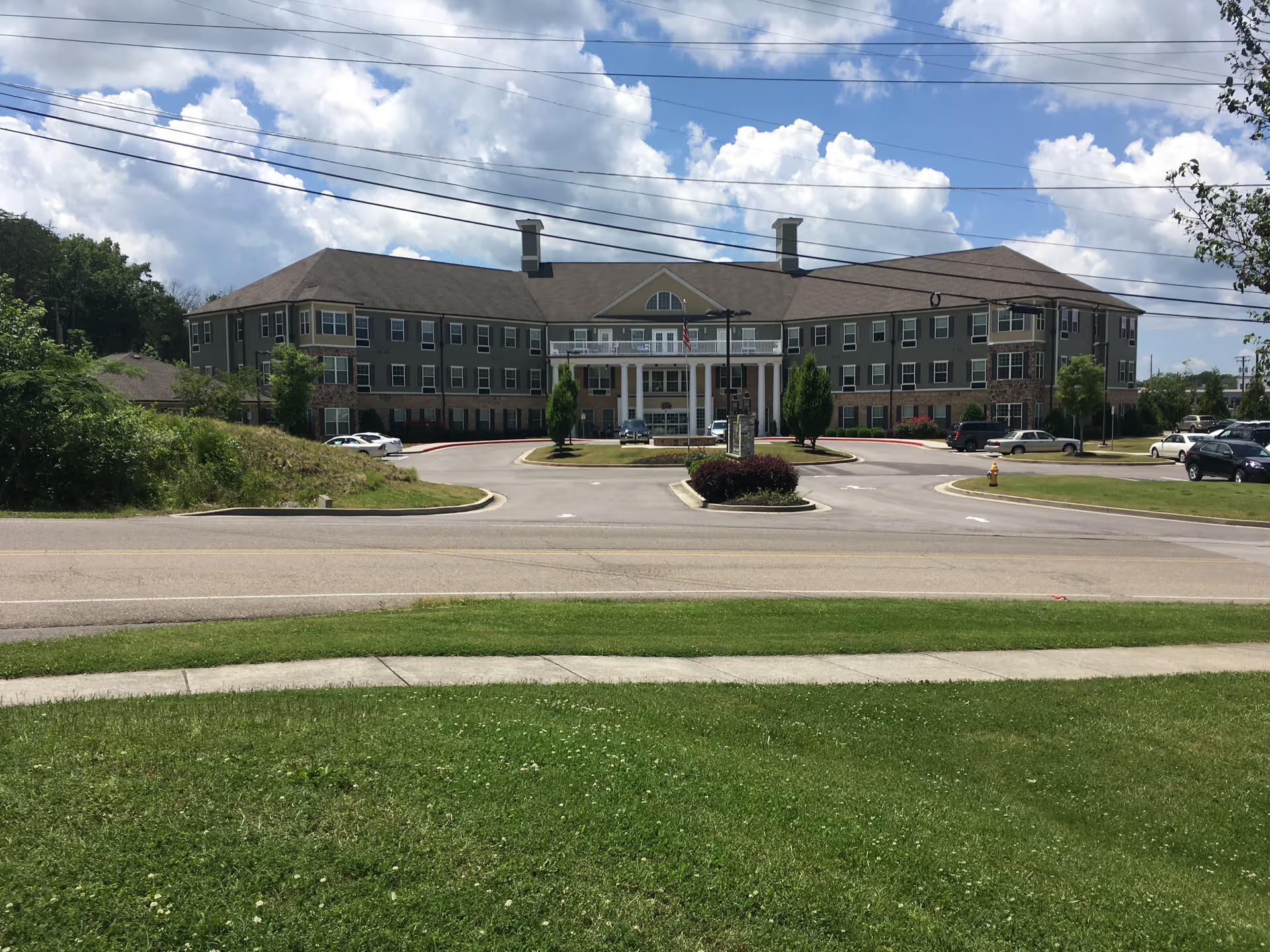
Facility condition and environment also show variability. Many reviewers commend cleanliness, well-kept rooms, and attractive grounds; others note odor concerns in certain areas, sanitation and pest-control issues, and the constraints of small shared rooms with limited bathroom privacy. Physical plant limitations — older unit layouts and small double-occupancy rooms — are identified as contributors to resident discomfort in some cases.
Management and administrative practices receive mixed marks. Admissions staff and specific liaisons are often praised for easing transitions and communicating proactively. Conversely, there are repeated comments about managerial instability and communication breakdowns between family and leadership. More serious allegations appear in the reviews — including missing personal items and concerns about financial or unethical conduct — and at least one reviewer referenced regulatory or criminal inquiry; these are noteworthy and warrant verification through formal channels.
Overall, the pattern is one of a facility that can deliver high-quality rehabilitation and compassionate bedside care under optimal staffing, but that also demonstrates operational vulnerabilities during low-staff or transition periods. Prospective residents and families should consider touring the specific unit, asking about current staffing ratios, protocols for medication administration and incident response, infection-control and pest-control practices, policies for safeguarding personal property, and recent leadership changes. Close family oversight during admissions and an explicit review of the resident’s care plan and follow-up arrangements with specialists may help mitigate some of the documented variability in experience.