The reviews present a mixed picture of Henry County Health and Rehabilitation. Many accounts praise the facility's rehabilitative strengths, activity programming, and the welcoming nature of the physical environment; however, a subset of reviews describes significant care and safety concerns. Overall, experiences appear to vary considerably by unit, shift, and staff on duty.
Care quality and safety: Strengths include successful short-term rehabilitation outcomes and a well-equipped therapy department that several families identified as instrumental in recovery. At the same time, recurring operational issues appear to affect clinical consistency. Reviewers described pain-management and medication concerns, gaps in documentation for therapy plans, and safety-related problems such as falls and problems during transfers/repositioning. There are also specific, serious allegations regarding clinical management that families should investigate further when evaluating the facility.
Staff and communication: Many reviewers describe staff as compassionate, professional, and attentive; managers and some department leaders receive positive mention for being caring and engaged. Conversely, the facility shows patterns of inconsistent staff conduct and communication tone. Families reported uneven responsiveness to requests, conflicting or changing information from different staff members, and insufficient or late family updates. Shift instability and short staffing were cited as factors that likely contribute to variability in resident experience and responsiveness.
Therapy and rehabilitation: The physical-therapy service is repeatedly identified as a strong point, with praise for therapists, a spacious gym, and apparent positive rehab outcomes. Concerns include a lack of formal, written therapy plans in some cases and perceived pressure to complete therapy or discharge quickly. Prospective residents should request and review documented care goals and discharge criteria.
Dining and activities: The activities program is a clear strength, with multiple mentions of an engaging calendar, well-attended events, and staff who go beyond expectations. Feedback on dining is mixed: some reviewers complimented food quality, while others described inconsistent adherence to dietary instructions (for example, heart-healthy meal plans not being followed) and intermittent dissatisfaction with meal quality.
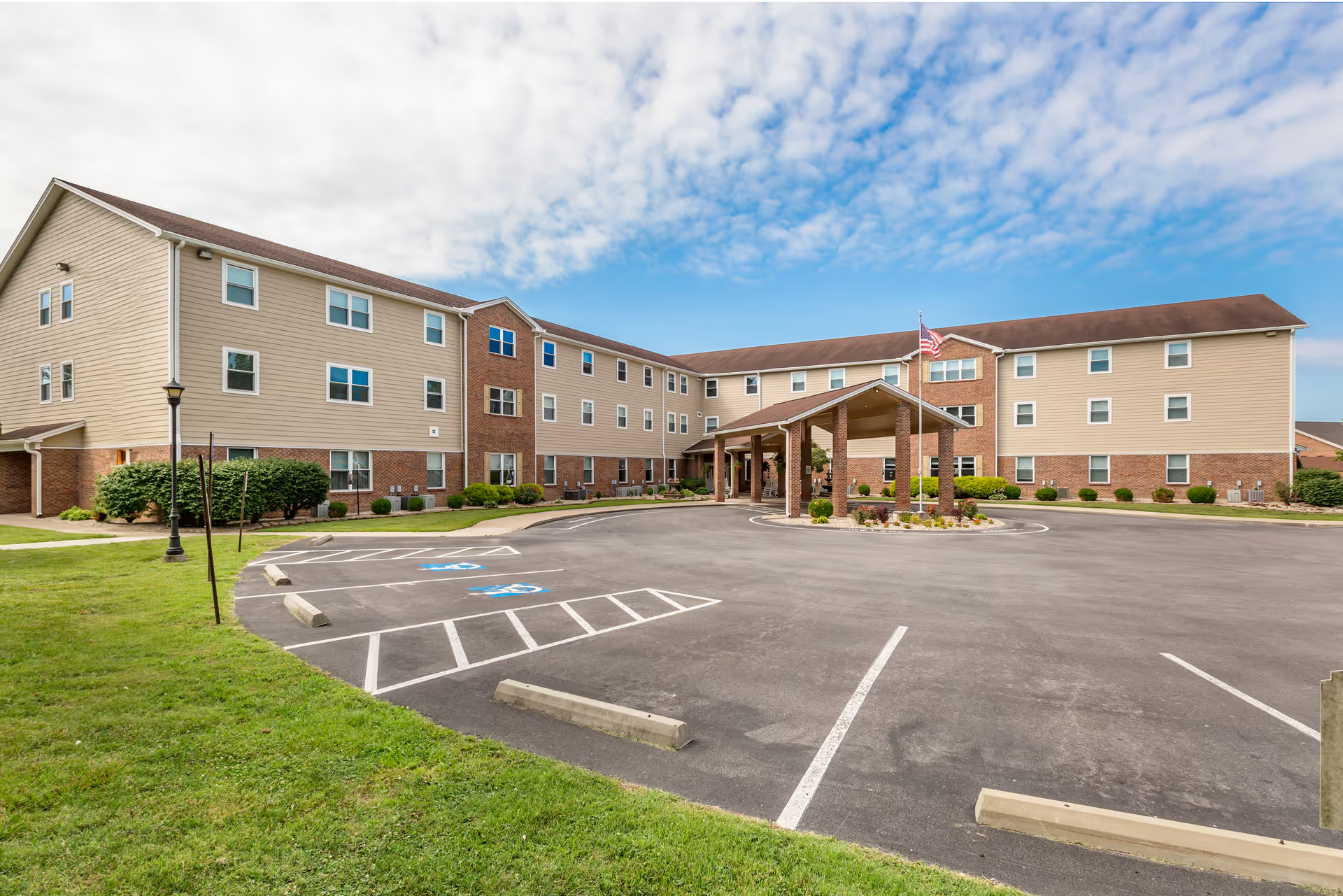
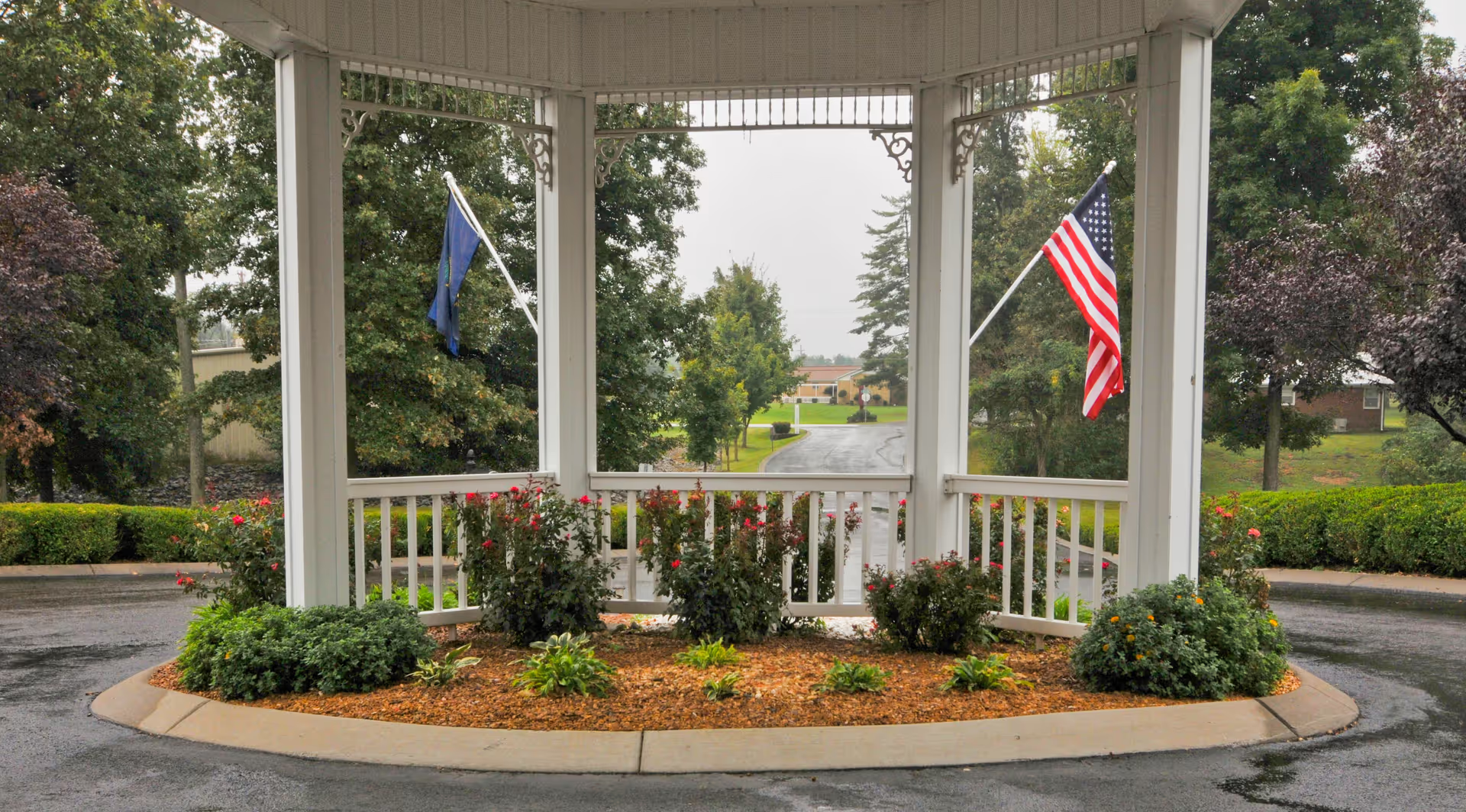
Facilities and cleanliness: The facility is frequently described as clean, with large rooms and an inviting interior. Visitors generally find the environment pleasant and accessible. A few operational concerns (such as sanitation or basic supply availability implied by delayed assistance) emerged in negative accounts; these appear to be intermittent rather than facility-wide.
Management and culture: Leadership and certain administrators receive positive comments for visibility and engagement, and several reviewers described a cohesive, team-oriented workplace culture under newer ownership. However, families also raised concerns about discharge coordination and short-notice transitions. Operational weaknesses such as inconsistent staffing patterns and gaps in communication suggest areas where management attention could reduce variability in resident experience.
Notable patterns and guidance for families: The dataset shows a bifurcated pattern—many positive accounts focusing on therapy, activities, cleanliness, and caring staff, alongside isolated but serious negative accounts raising safety, clinical-management, and communication concerns (including allegations of medical-management errors). Prospective residents and families should tour the unit, ask for written therapy and pain-management plans, inquire about staffing ratios and shift schedules, review infection-control and fall-prevention protocols, and request examples of discharge-planning procedures before making placement decisions.