The reviews present a mixed but consistent picture: clinical and therapy services are a clear strength of the facility, while operational and managerial practices raise recurrent concerns. Several reviewers praised the rehabilitation program, naming physical therapists (notably Logan Hays) and describing therapy sessions as very good. Nursing staff and CNAs were described as competent and doing their best under pressure; admissions staff were also singled out as professional and helpful. These comments suggest the facility delivers solid hands-on care and has capable clinical and admissions personnel.
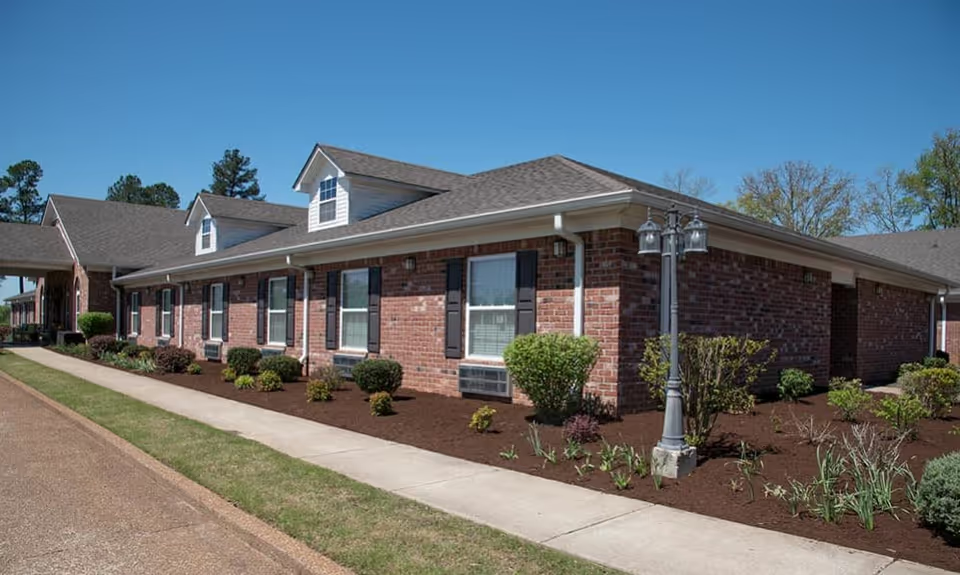
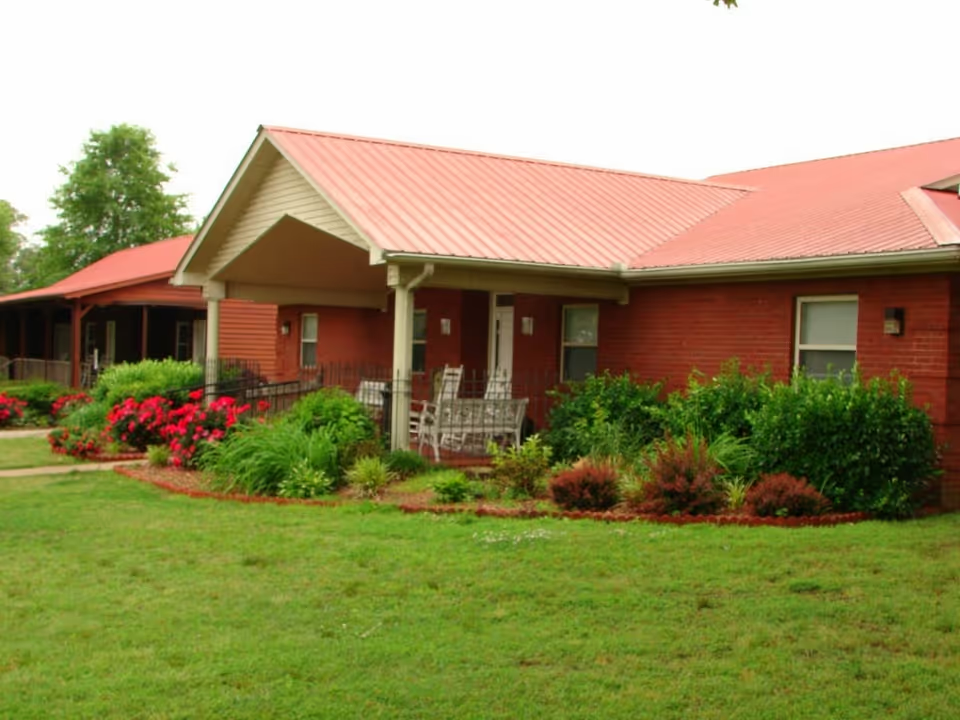
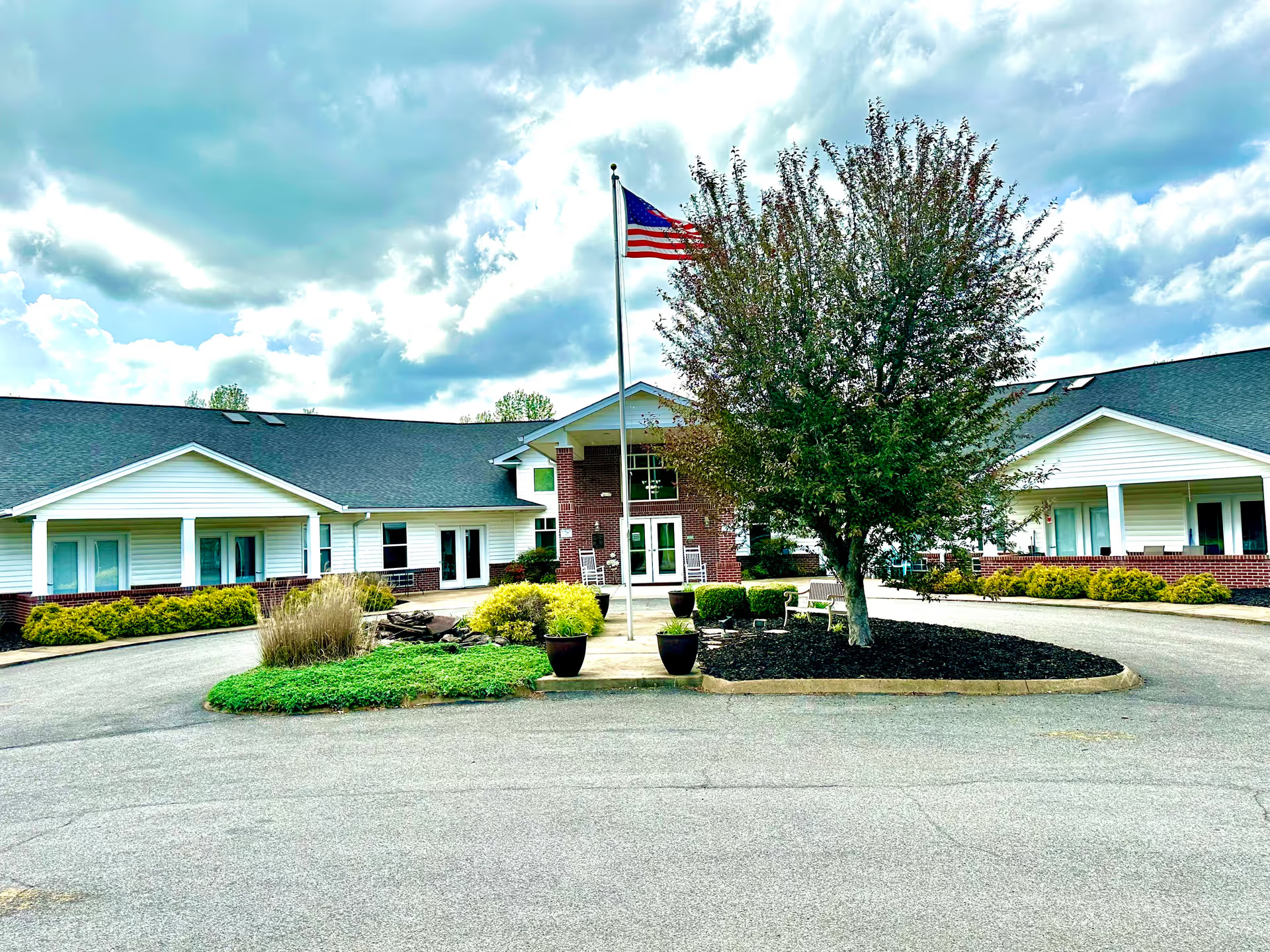
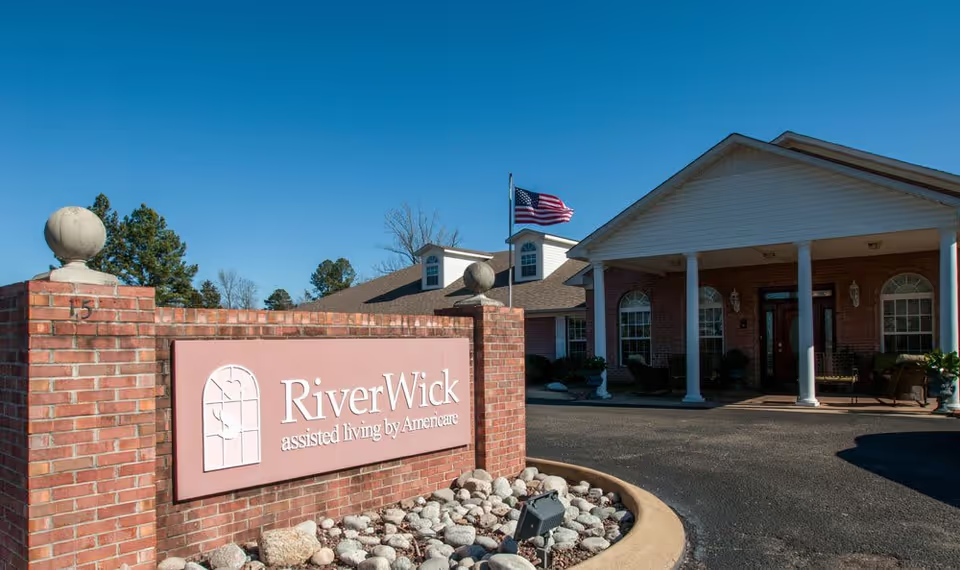
Facility amenities and daily life aspects were also highlighted positively. Reviewers noted an on-site therapy room and whirlpool, a resident dining room with appealing meal presentation, organized resident outings and outdoor activities, and public Wi‑Fi. Housekeeping and general upkeep were mentioned favorably, indicating that common areas and resident spaces are maintained to an acceptable standard.
However, operational patterns emerge that could affect quality of care. Multiple entries describe understaffing that manifests as delayed medication administration and slow call-response times. Reviewers characterized staff as striving to provide care despite these constraints, but the delays and responsiveness issues point to staffing level problems and workflow strain rather than isolated incidents. Relatedly, concerns about staff wellbeing and retention were raised in the context of compensation and management practices.
Several reviewers commented on compensation and corporate incentives: frontline environmental staff and licensed staff were described as low-paid relative to local alternatives, and management bonuses tied explicitly to cost containment were reported. These elements combine into a pattern that reviewers interpreted as prioritizing cost control, which reviewers linked to staffing challenges and morale issues. Prospective residents and families should consider asking about current staffing ratios, recent turnover, and whether there have been changes to clinical oversight or medication-administration protocols.
In summary, the facility appears to offer strong rehabilitation services, respectful clinical staff, and pleasant common-area amenities, but it also shows operational vulnerabilities tied to staffing levels and management incentive structures. For families considering this facility, the key trade-off is between the evident strengths in therapy and day-to-day resident life and the operational risks associated with staffing, medication-timing reliability, and staff compensation/retention. During a visit, focus questions on current staffing patterns, medication administration safeguards, and how the organization monitors and addresses staff wellbeing and response times.