Overall impression: Reviews convey a facility with many operational strengths alongside recurring operational weaknesses. Families and residents frequently describe attentive, compassionate caregivers, capable nursing staff, and a therapy department focused on measurable rehabilitation goals. The campus is consistently characterized as clean, bright, and home-like, with active programming and social opportunities that residents and families appreciate. Leadership is often described as accessible, with staff and administrators who facilitate transitions and family communication.
Care quality and staff: Clinical care is generally praised — nurses, LPNs, and CNAs receive frequent positive mention for attentiveness, professionalism, and end-of-life support. Numerous accounts highlight staff who go beyond basic duties to provide individualized attention and comfort. At the same time, reviewers indicate variability across shifts and units: there are repeated references to delayed responses to calls, inconsistent assistance for mobility/turning, and occasional tone or conduct concerns from some staff members. These patterns suggest a reliable core of skilled personnel, tempered by operational inconsistency during periods of limited coverage.
Rehabilitation, activities, and dining: The rehabilitation program is noted as goal-oriented and effective, with several residents regaining strength and mobility. Activities and social programming are described as robust and engaging, contributing to a family-like community atmosphere. Dining and kitchen services receive favorable comments for meal quality and staff attentiveness, reinforcing the facility’s home-like environment.
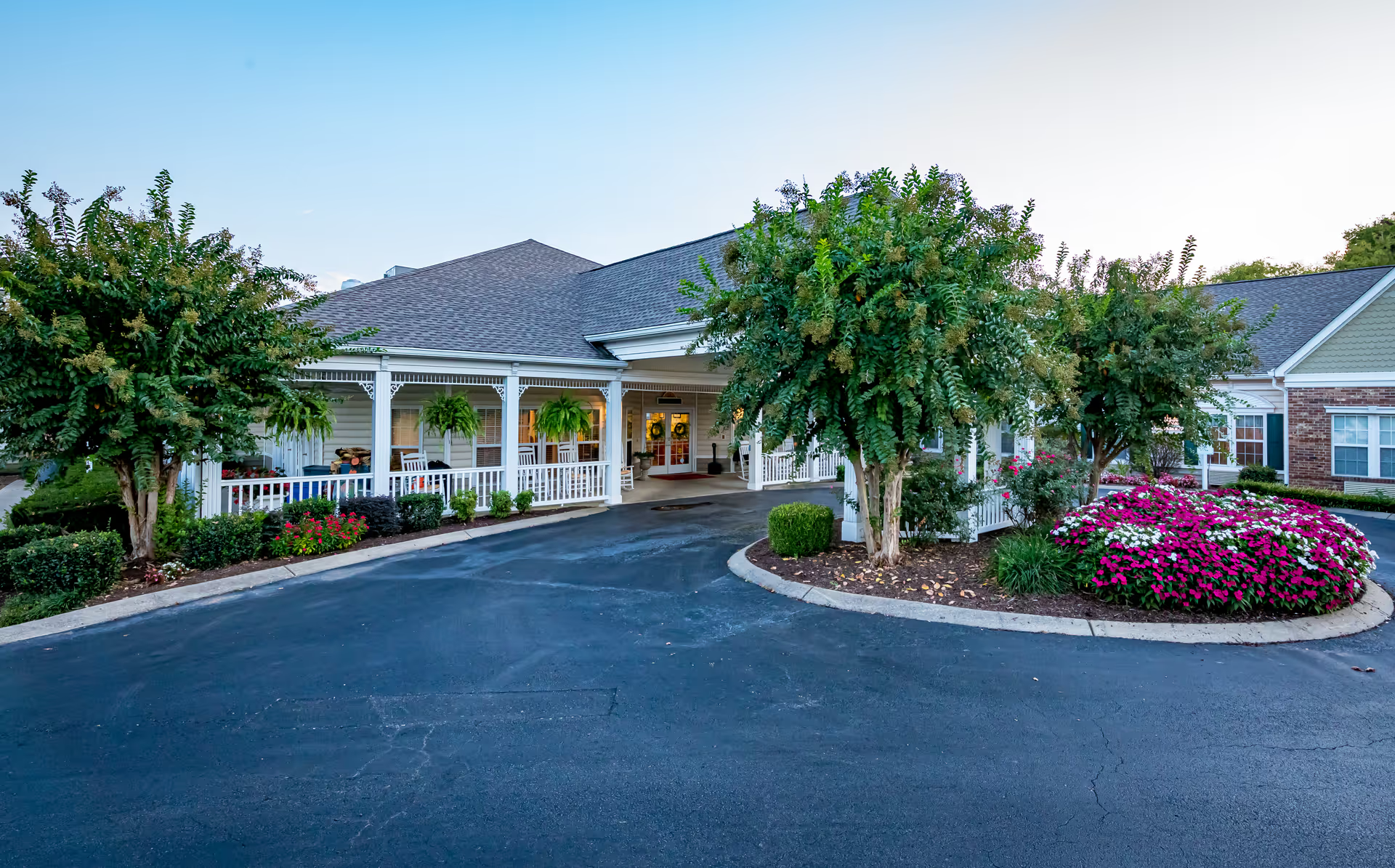
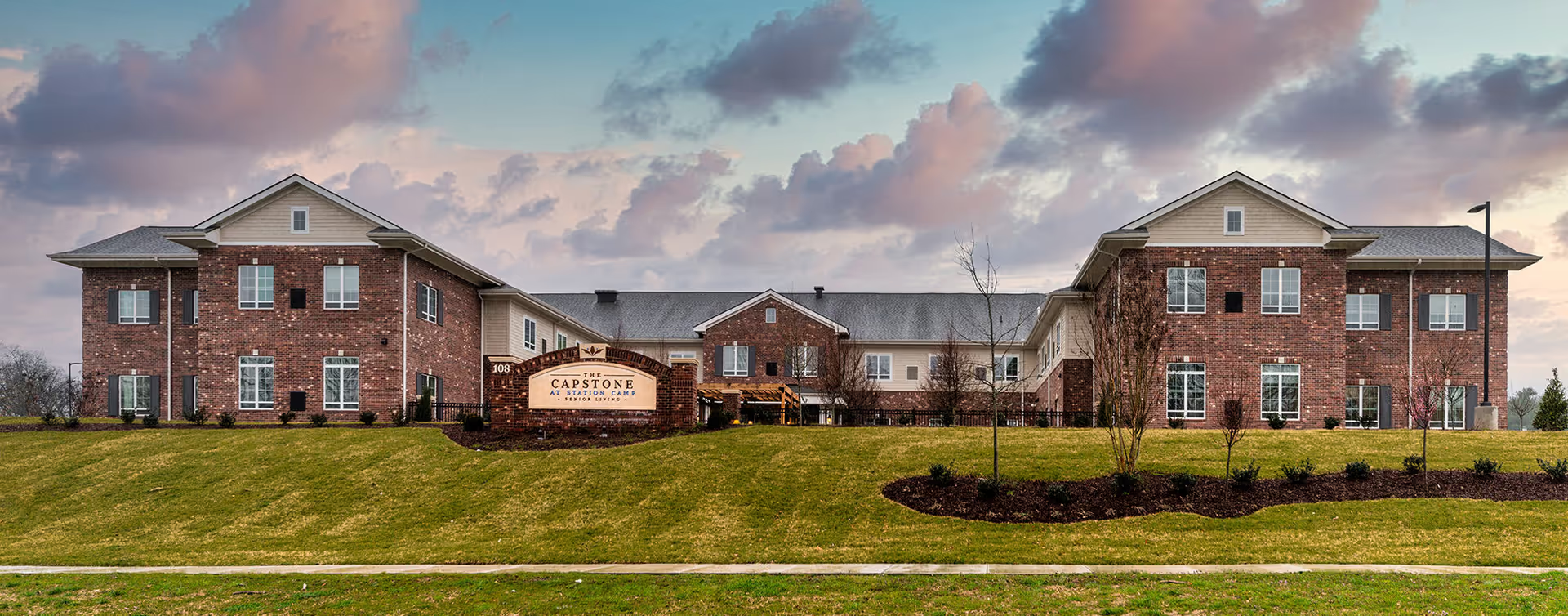
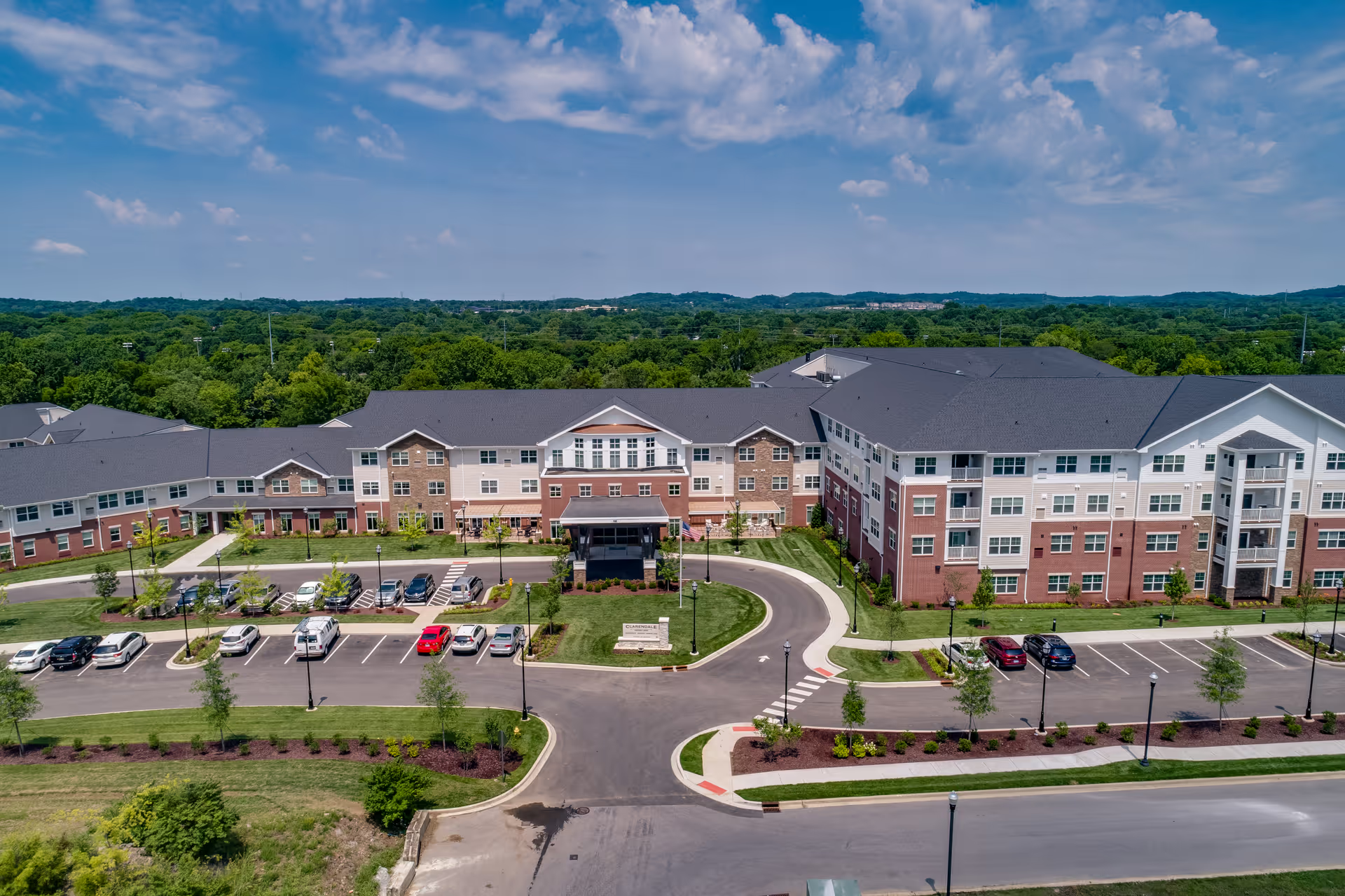
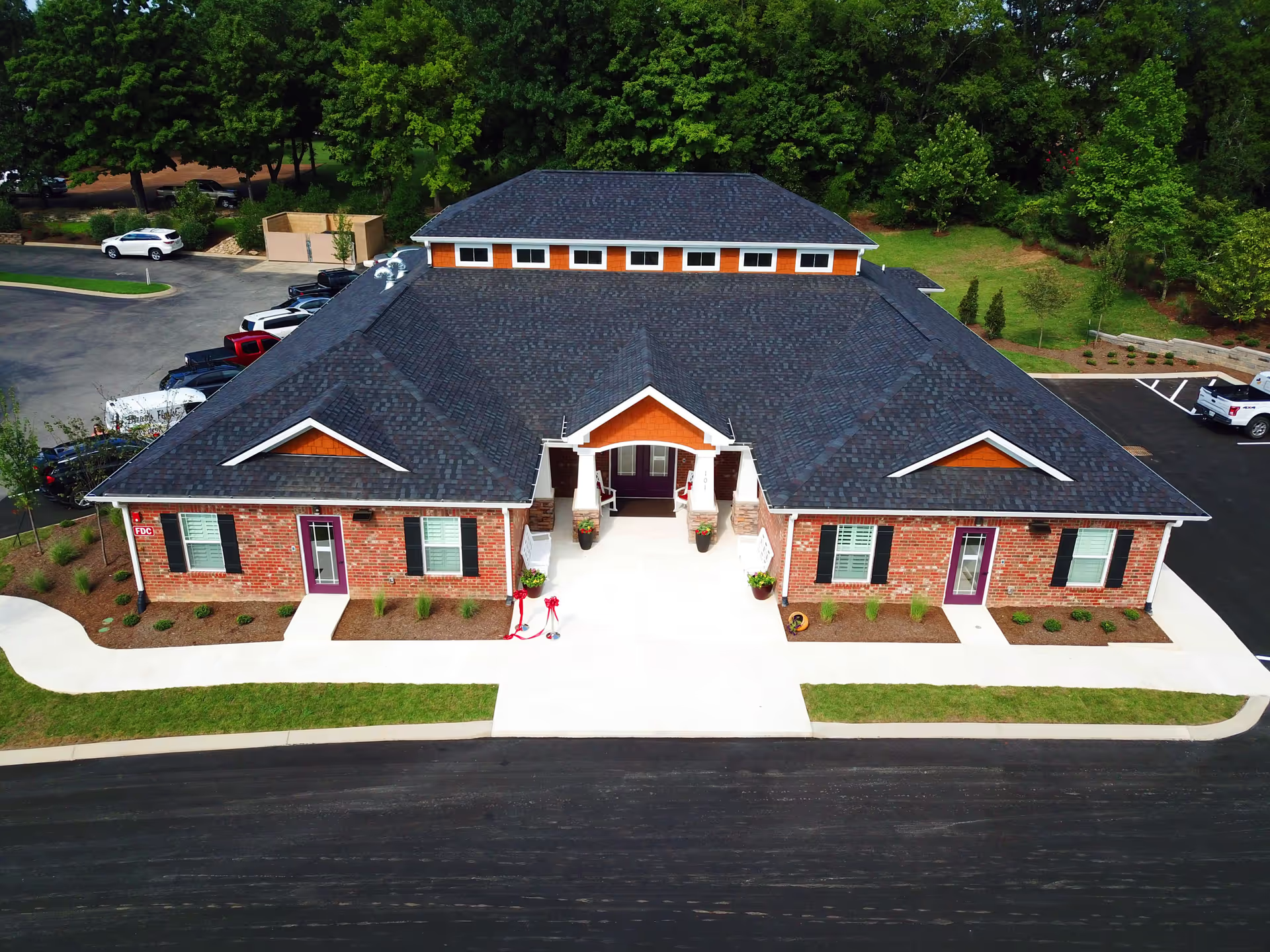
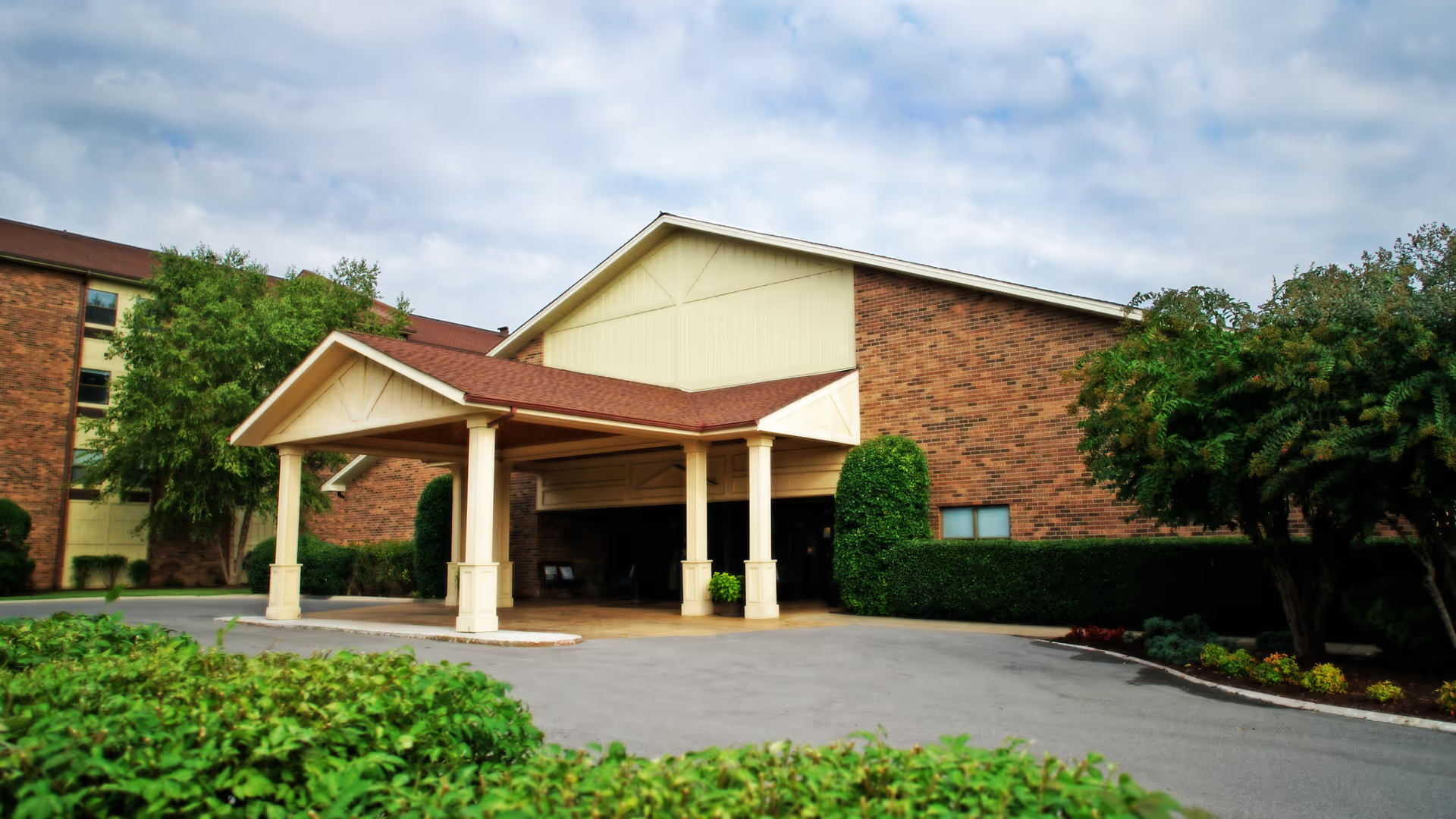
Facilities and environment: The physical plant is repeatedly described as clean, well-maintained, and bright. Housekeeping and environmental services are seen as strengths, supporting an overall pleasant campus. Renovations and management attention to upkeep are mentioned as positive developments.
Management, transitions, and administrative patterns: Leadership is generally portrayed as responsive and visible, with an open-door approach that families appreciate. Many reviews note smooth admissions and coordinated discharge planning. However, there are also documented operational gaps in admissions and discharge documentation processes; one serious allegation concerns administrative irregularities that affected a resident’s benefit processing. Prospective families should verify paperwork handling and benefit-communication protocols during intake. Additionally, several reviews describe admission delays and uneven communication during high-demand periods.
Notable patterns and practical considerations: The dominant pattern is positive — compassionate caregiving, effective therapy, and a clean, socially active environment. Counterbalancing that are recurring operational issues: intermittent staffing shortages, variable responsiveness to resident needs, and administrative process weaknesses related to paperwork and transitions. These are trait-level concerns rather than universal failures; many reviewers explicitly note improvements under new management or specific staff who mitigate problems. Prospective residents and families may want to ask about current staffing ratios, weekend and night coverage, transfer and repositioning protocols, and the facility’s procedures for handling discharge paperwork and benefits coordination before admission.