Signature HealthCARE of Ridgely presents a mixed but informative profile for prospective residents and families. Strengths that recur across comments include a consistently praised therapy program (physical, occupational, and speech) and a team of caregivers described as compassionate, attentive, and family-oriented. Many accounts describe focused rehabilitation aimed at returning residents to prior levels of function, with staff members who provide individualized assistance, run errands, and help with benefits coordination. Ancillary teams—kitchen, housekeeping, and maintenance—are frequently noted as supportive contributors to residents' daily life.
Clinical care and staffing receive largely positive remarks about day-to-day kindness and competence; however, reviewers also raised significant operational concerns. There are recurring indications of staffing shortages that can affect responsiveness, and reviewers cited situations implying gaps in fall-prevention, transfer safety, and medication-management oversight. In a small number of serious accounts, there are concerns following resident injuries and an allegation of medication error with severe outcomes; these suggest the need to verify current clinical-safety protocols and supervision practices when evaluating the facility.
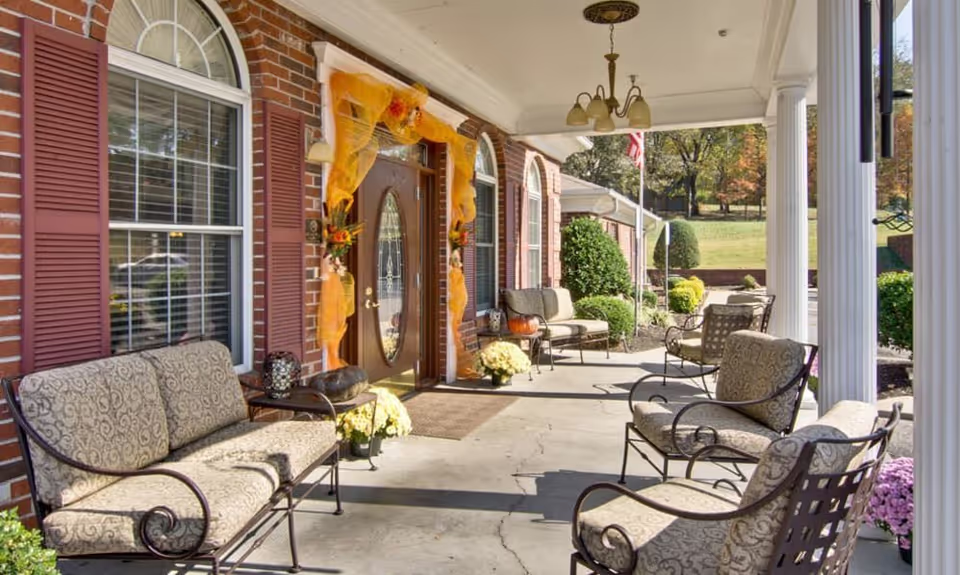
Dining and activities are commonly described positively. Meals are characterized as nutritious, with snacks offered regularly, and programming is described as engaging and family-focused. Outdoor amenities such as a spacious patio and scenic grounds are highlighted as quality-of-life assets that complement therapy and social activities.
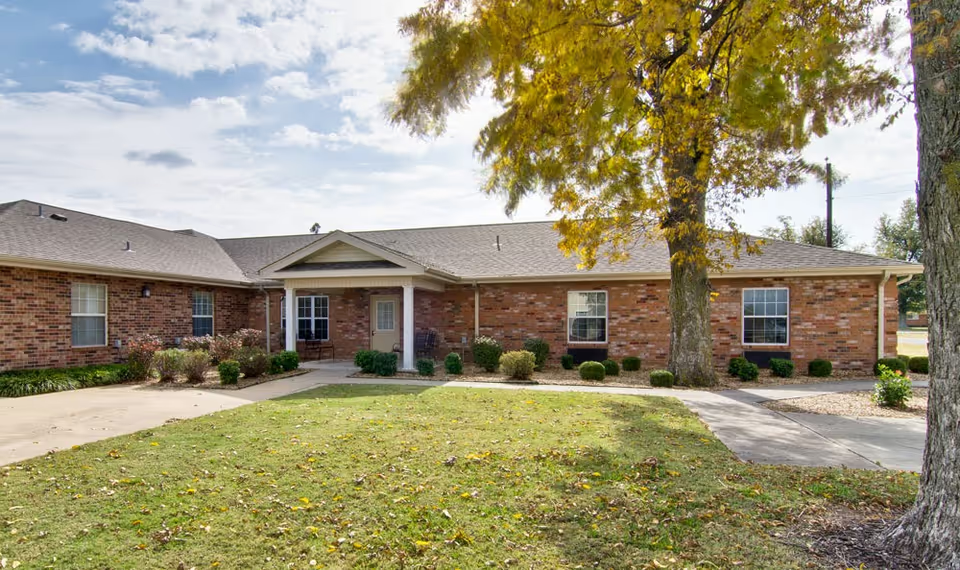
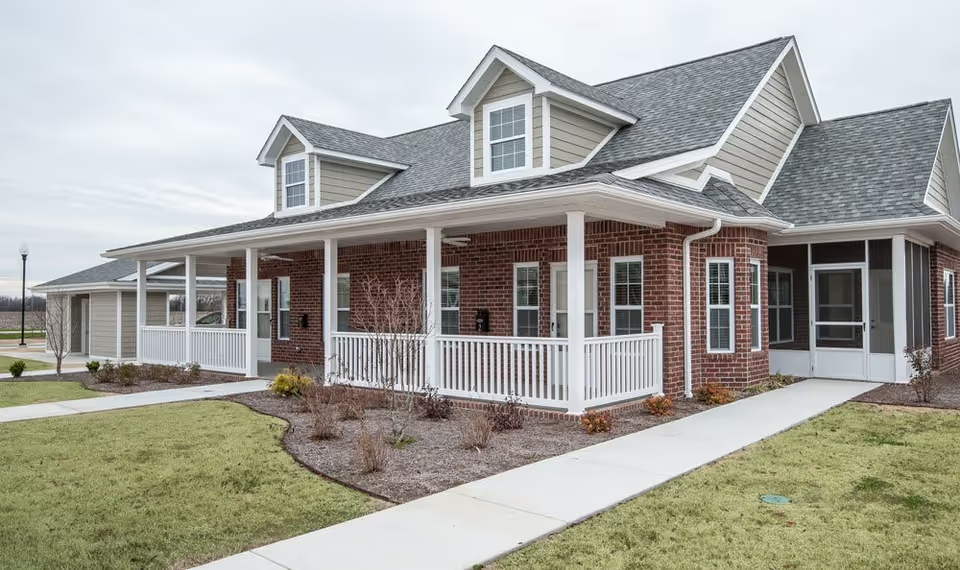
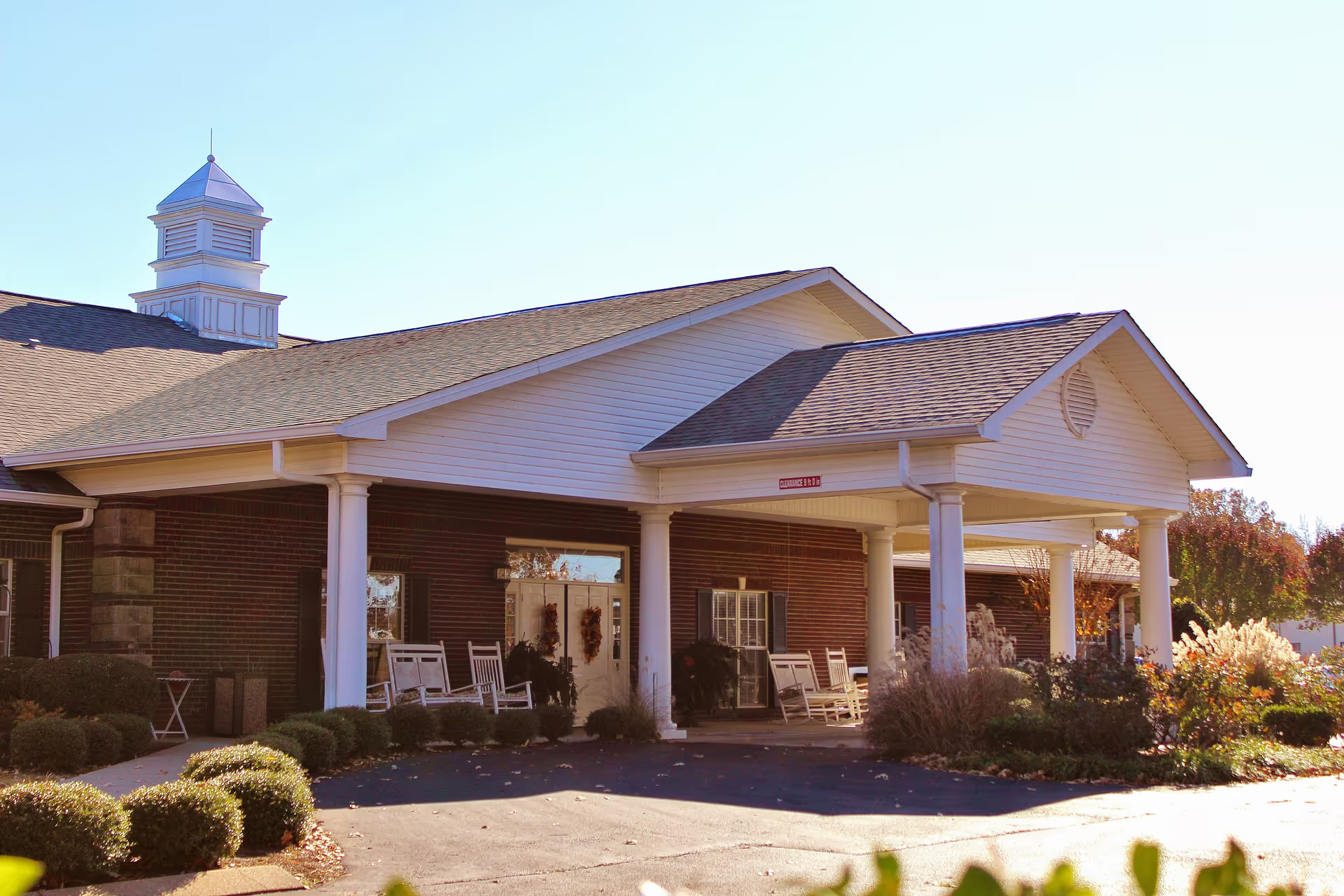
Facility condition impressions are generally that the center feels clean and home-like, though some reviewers point to sanitation and pest-control concerns in certain areas and note that the building is not luxuriously appointed. Housekeeping and room cleanliness are praised by many, but the presence of cleanliness inconsistencies in parts of the campus indicates an area for monitoring.
Management and leadership receive mixed but often favorable comments: many families praise responsive administrators, knowledgeable directors, and hands-on medical leadership. At the same time, other accounts describe inconsistent incident follow-up and variable communication after adverse events. There are also references to variability in dementia-specific care, suggesting the quality of memory-care practices may differ by unit or shift.
Overall pattern: the facility demonstrates notable strengths in rehabilitative therapy, compassionate caregiving, and community-oriented programming, making it a viable option for short-term rehab and long-term care for families prioritizing those attributes. Prospective residents and families should balance those strengths against operational concerns—particularly around staffing levels, safety protocols (falls and transfers), medication-management controls, and localized cleanliness/pest-control issues. When considering this facility, ask administrators for current data on staffing ratios, fall- and medication-safety procedures, dementia-care training, and how incidents are communicated and remediated to families.