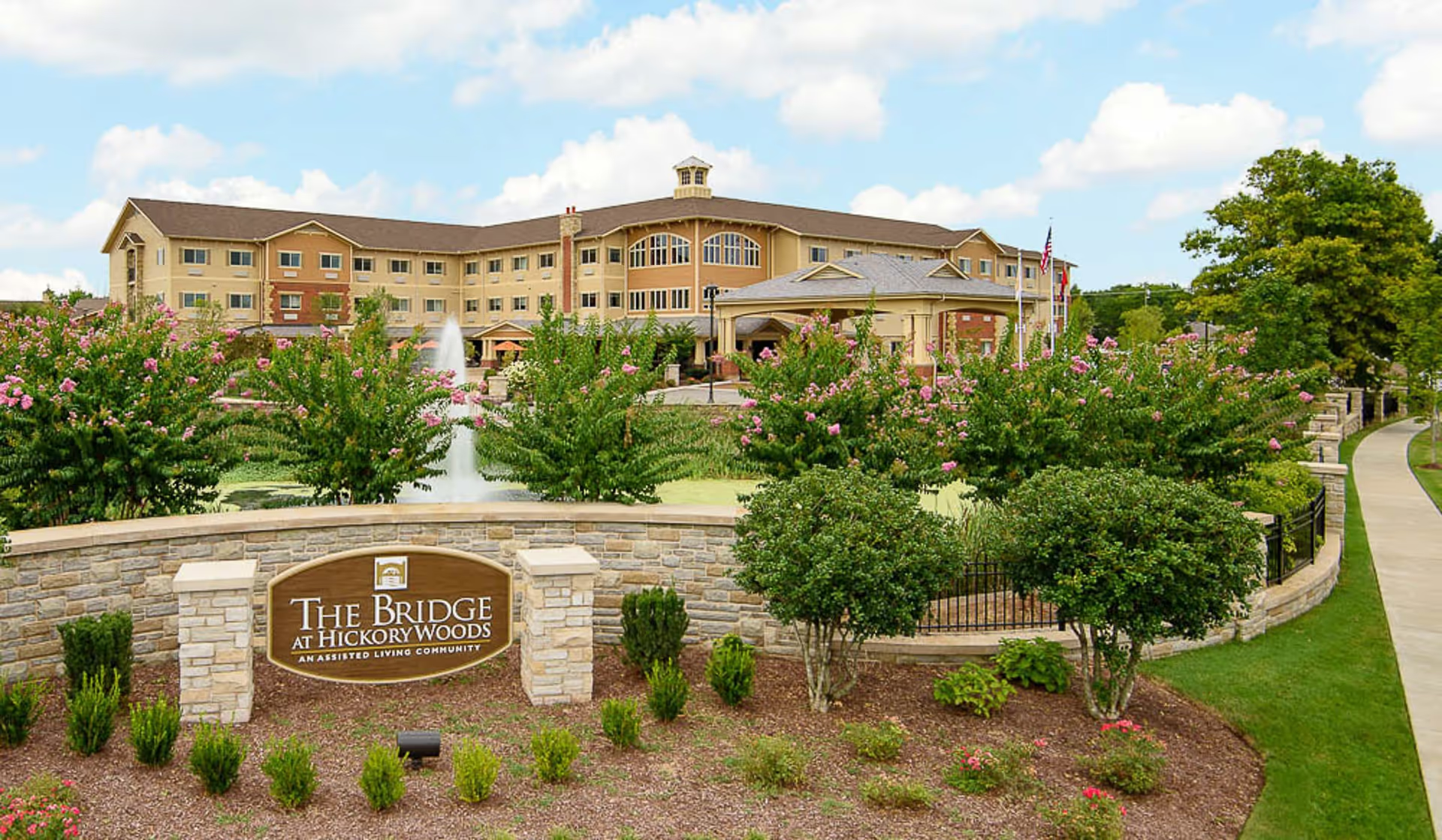
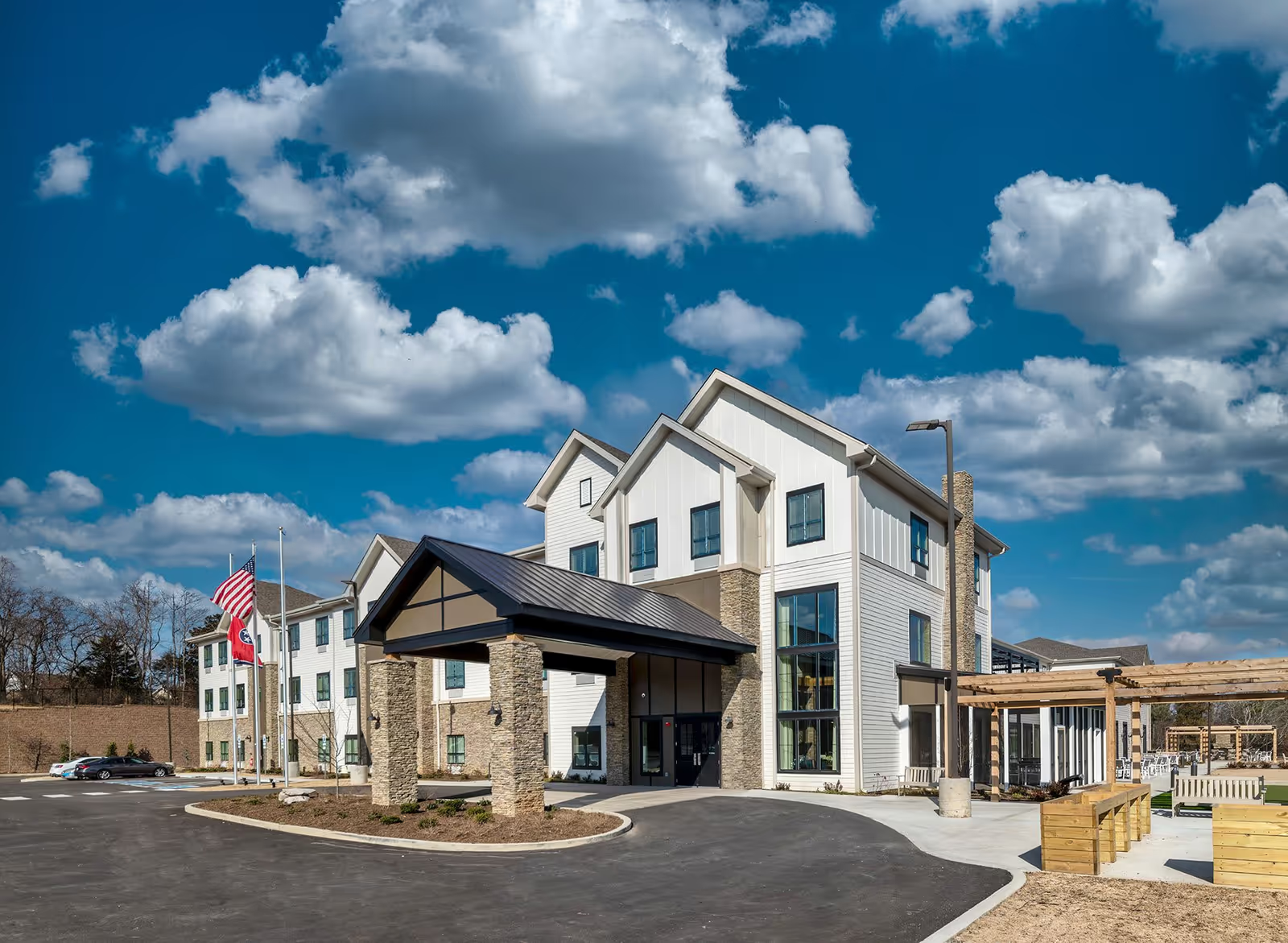
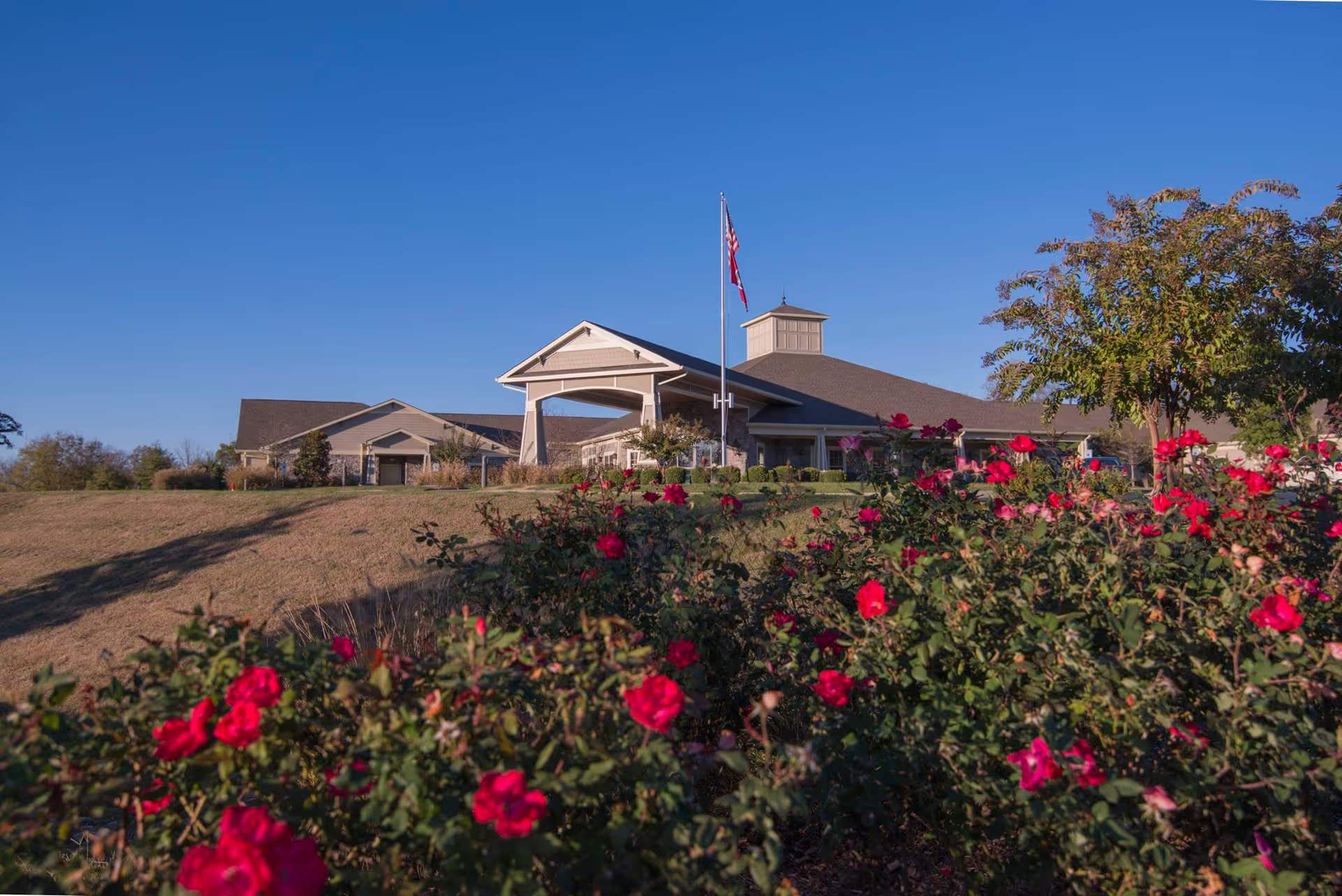
Overall impression: Reviews present a mixed but clear pattern: the community offers a number of tangible amenities and conveniences that many families value, yet operational inconsistencies create variability in day‑to‑day resident experience. Strengths commonly cited include a 24-hour nurse presence, an apartment-style assisted living layout, robust common spaces, and an active events calendar. The dining program and larger dining rooms are also frequently praised for varied menus, large portions, and table service. Many families also comment positively on proactive move‑in assistance, the facility’s aesthetic (hotel-like interiors), and its proximity to local medical resources.
Care and staffing: Care quality descriptions are polarized. Numerous accounts praise individual caregivers as compassionate, attentive, and effective at helping residents settle and socialize. At the same time, there are recurrent operational concerns: high turnover among frontline staff, reports of inconsistent shift coverage (including night shifts), and instances of delayed response to resident needs. Several reviewers raised concerns about timeliness of incontinence care and delays in locating or responding to falls. There are also comments suggesting gaps in supervisory training and that new hires are sometimes oriented by peers rather than through formal management oversight. Together these patterns point to variability in reliability and continuity of direct care.
Dining and housekeeping: The facility’s food program receives substantial positive feedback for variety, portion size, and social dining. However, reviews also note inconsistent meal‑service timing (including delayed meals) and occasional declines in food quality or overcooked items. Housekeeping is provided on a weekly schedule and many find the building well maintained, yet there are recurring reports of inconsistent room cleaning, spotty housekeeping execution, and localized odor concerns. These mixed observations suggest the housekeeping program functions adequately in many areas but may lack consistent coverage or quality control in others.
Activities and facilities: The community’s activity offerings and physical layout are frequently described as strengths. Large meeting rooms, a gym, library, seasonal programming, church services, bingo, and outings (including on-site bowling in some descriptions) contribute to social engagement and a “resort-like” feel for many residents. At the same time, a subset of families felt activity options were insufficiently tailored or limited for residents with advanced cognitive, vision, or communication impairments, indicating variability in programming inclusivity.
Management, policies, and notable patterns: The operator’s family-owned, resident-centered branding is reflected in positive reports of supportive management and standout staff members, but there are also repeated concerns about leadership consistency and staff conduct toward families. Operational gaps identified across reviews include medication-administration inconsistencies, personal-item security and tracking problems (lost hearing aids/glasses), and uneven communication with families. There are also expressed concerns about the facility’s readiness to manage more advanced dementia needs. Prospective families should weigh the facility’s clear amenity and staffing advantages against the variability in day‑to‑day operations and may wish to verify current staffing levels, dementia-care protocols, medication administration safeguards, housekeeping schedules, and personal-item policies during their tour or decision process.