Overall impression: Reviews present a mixed but instructive picture. Many families and residents praise the Lev at Winchester for its compassionate frontline staff, strong therapy programs, and generally clean public spaces. At the same time, recurring operational and administrative weaknesses appear across reviews and are important to consider when evaluating the community.
Care and staff: Nursing staff and direct-care aides receive frequent commendations for compassion, patience, and hands-on help; multiple reviewers named individual staff members as especially supportive. The facility's rehabilitation teams (physical, occupational, speech) are consistently described as effective and encouraging. However, there is evidence of variability in staff performance and shift-to-shift consistency. Reviews cite delays in attending to resident needs at times, uneven night-shift attentiveness, and periods of turnover that can affect continuity of care. There are also repeated concerns about the tone and conduct of certain administrative staff, creating a mixed view of overall staff culture.
Clinical processes: Several comments highlight strengths in transition support and insurance navigation provided by the business office and specific staff. Conversely, there are documented procedural gaps around medication administration and discharge planning—examples include missed medication handoffs and failures to coordinate necessary home equipment. These indicate potential weaknesses in clinical coordination and discharge processes that families should review with facility leadership during admission planning.
Dining and activities: Dining is frequently praised for being plentiful and satisfying, with multiple mentions of enjoyable meals and a cafeteria-style service that residents and families like. A minority of accounts raise concerns about seasoning choices and preparation styles, suggesting inconsistent meal quality or menu balance. Activities and social programming receive positive feedback for engagement and resident interaction.
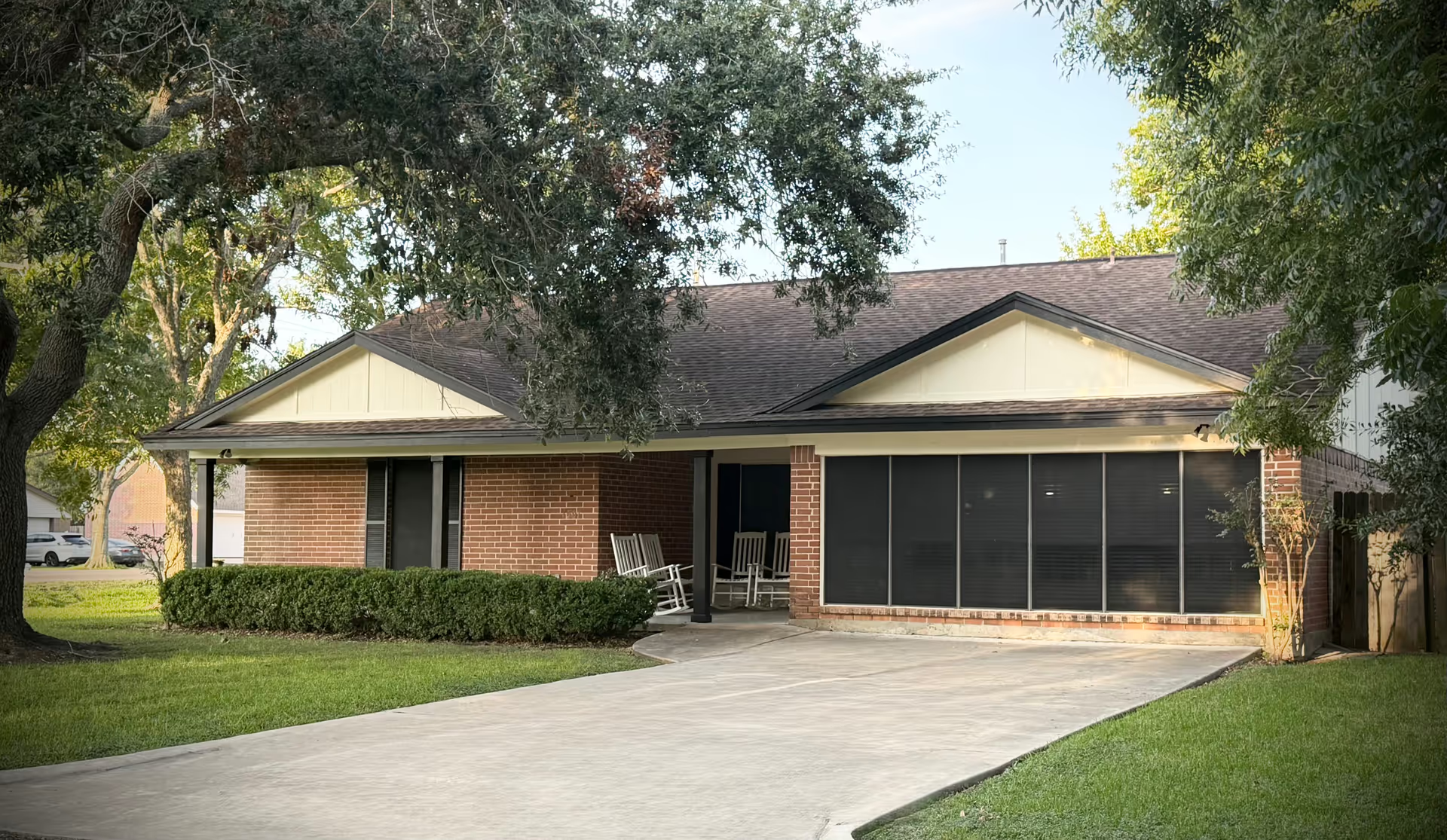
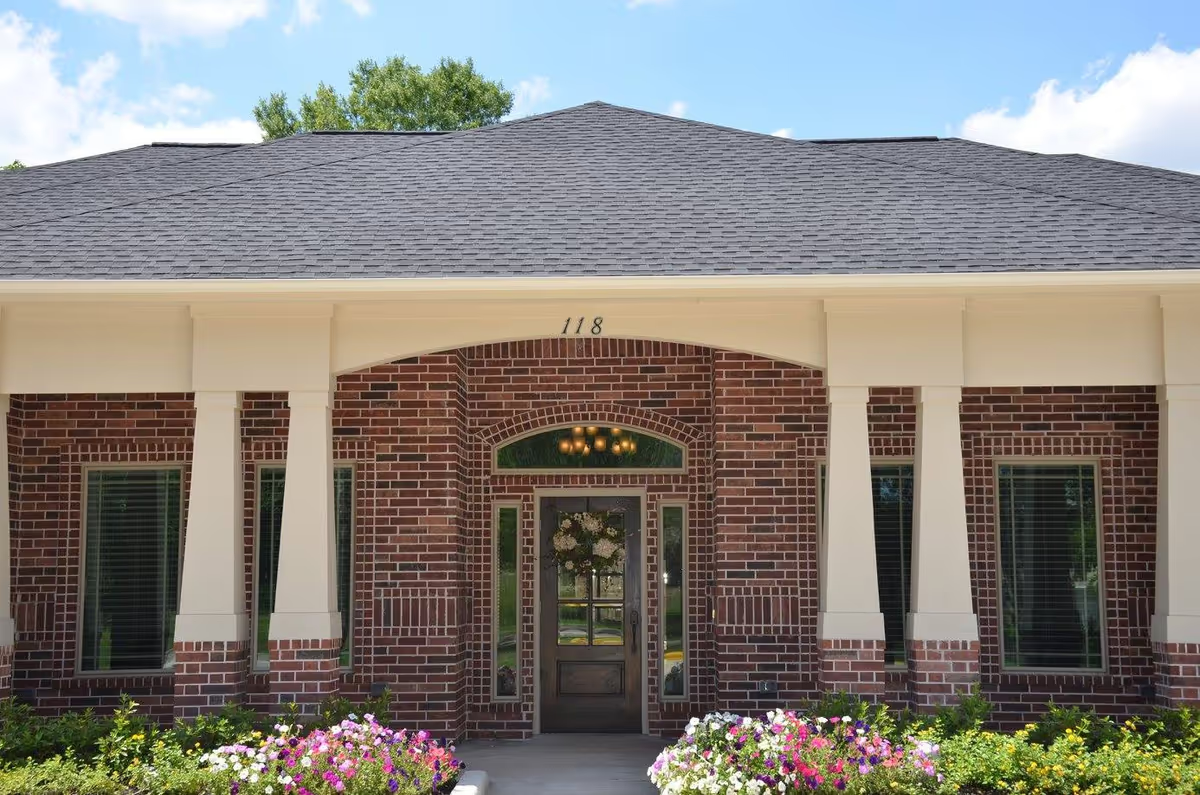
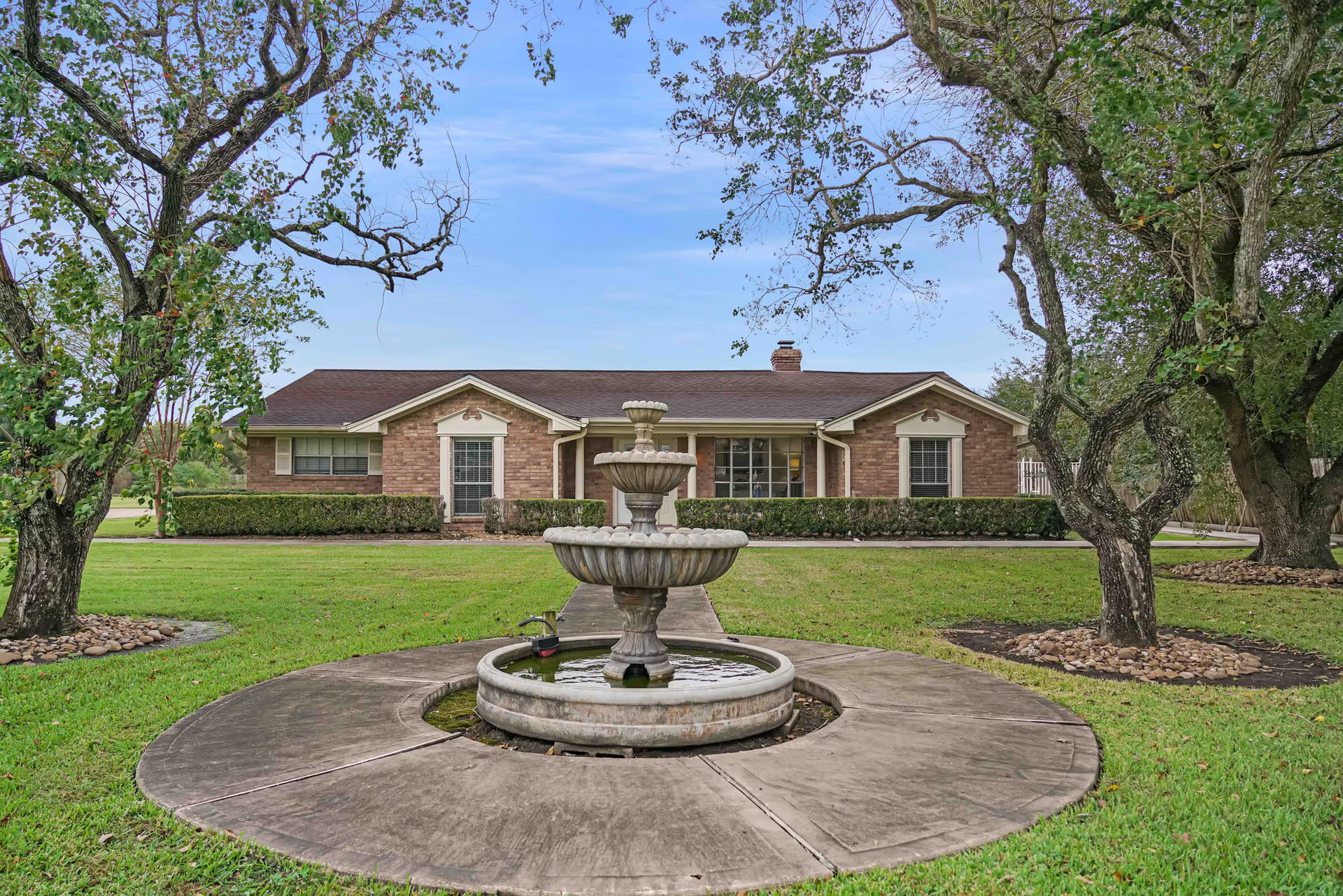
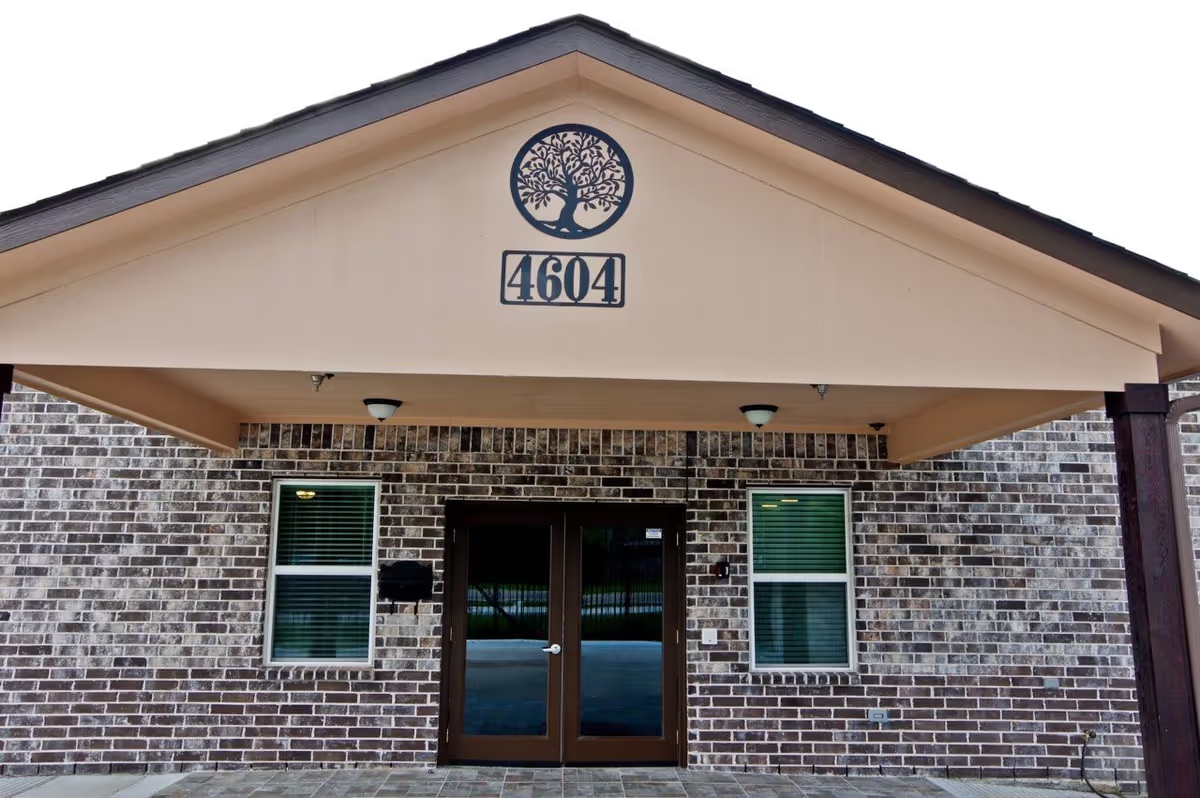
Facilities and cleanliness: The building is described as older and somewhat dated, with smaller resident rooms, but many reviewers say common areas are well maintained and clean. At the same time, there are specific sanitation and pest-control concerns reported in parts of the facility and some variability in housekeeping performance. Prospective families may want to tour multiple unit areas to assess environment and odor control.
Management and operations: Admissions and the business office are often characterized as efficient and helpful, with staff who assist with paperwork and insurance questions. Yet reviews also point to inconsistent administrative responsiveness, failures to return calls, unclear communication, and weak follow-through on property management and accountability. Allegations concerning personal property handling and serious conduct concerns appear in some accounts; these underscore the need to clarify inventory, documentation, and grievance procedures before admission.
Notable patterns and recommendations: Strengths center on committed clinical and therapy staff, effective admissions support, and a generally warm resident atmosphere. Recurrent weaknesses are operational: inconsistent staffing, gaps in medication and discharge workflows, property-handling controls, and uneven administrative communication. Prospective residents and families should (1) meet with nursing and therapy leaders to understand care routines, (2) ask for written medication and discharge workflows, (3) confirm processes for documenting and securing personal property, (4) observe or inquire about night-shift staffing and response times, and (5) tour rooms in the unit where the resident would live to assess room size and condition. These steps can help balance the facility's clear caregiving strengths against the operational areas that families commonly flagged.