Experiences at Country Village Care are notably mixed. Many families and residents describe compassionate staff, attentive personal care, and positive rehabilitation outcomes. Others raise concerns about delayed responses, clinical monitoring, and personal-care routines. These differing accounts suggest that residents’ experiences may vary by unit, staff members, and care needs. Families considering the facility may wish to ask how care requests, changes in condition, and concerns are documented and followed up.
Staff are a central strength in positive accounts: reviewers describe approachable, knowledgeable caregivers and therapy teams, as well as meaningful relationships with residents. However, some accounts describe uneven communication and professionalism, delays in attending to resident needs, and concerns about staff responsiveness. Clinical concerns include reported gaps in symptom assessment, blood-sugar monitoring, medication coordination, and attention to hydration. One family raised end-of-life care concerns following a resident’s hospital transfer and death; the review does not establish causation. These accounts make it important to discuss clinical oversight and family notification procedures directly with the facility.
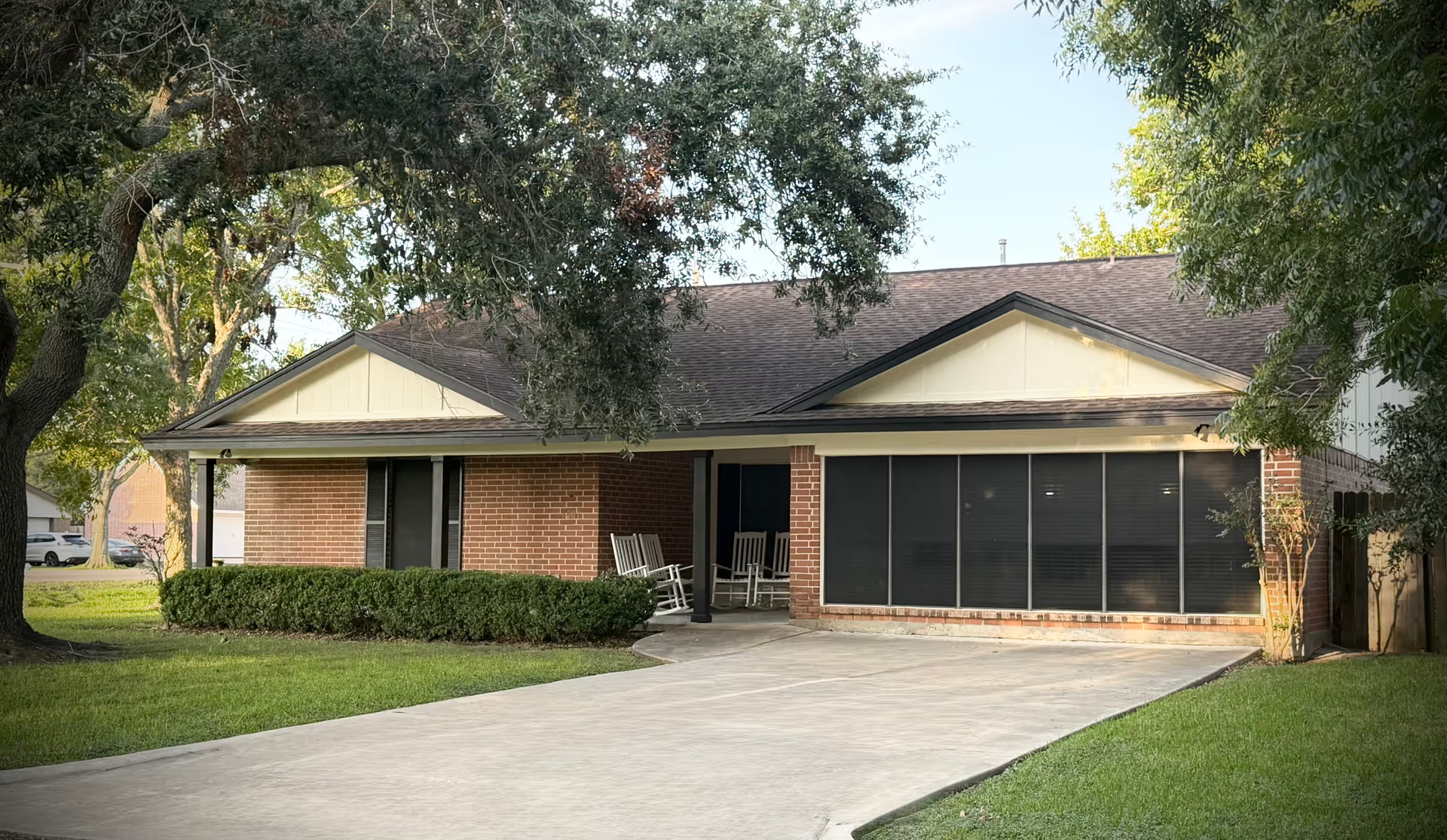
Dining is generally described favorably, with comments about good meals, adequate variety, and pleasant spaces for eating with family. One resident noted that the facility’s meals did not consistently accommodate a sodium-restricted diet. Activity offerings are frequently praised, including games, social gatherings, and creative programs, although one account described limited activity engagement in the area observed. The building and grounds are commonly described as attractive, clean, comfortable, and recently updated, with accessible rooms, family gathering spaces, outdoor areas, and amenities such as a salon and barber shop. Some reviewers also noted housekeeping follow-through concerns in individual rooms.
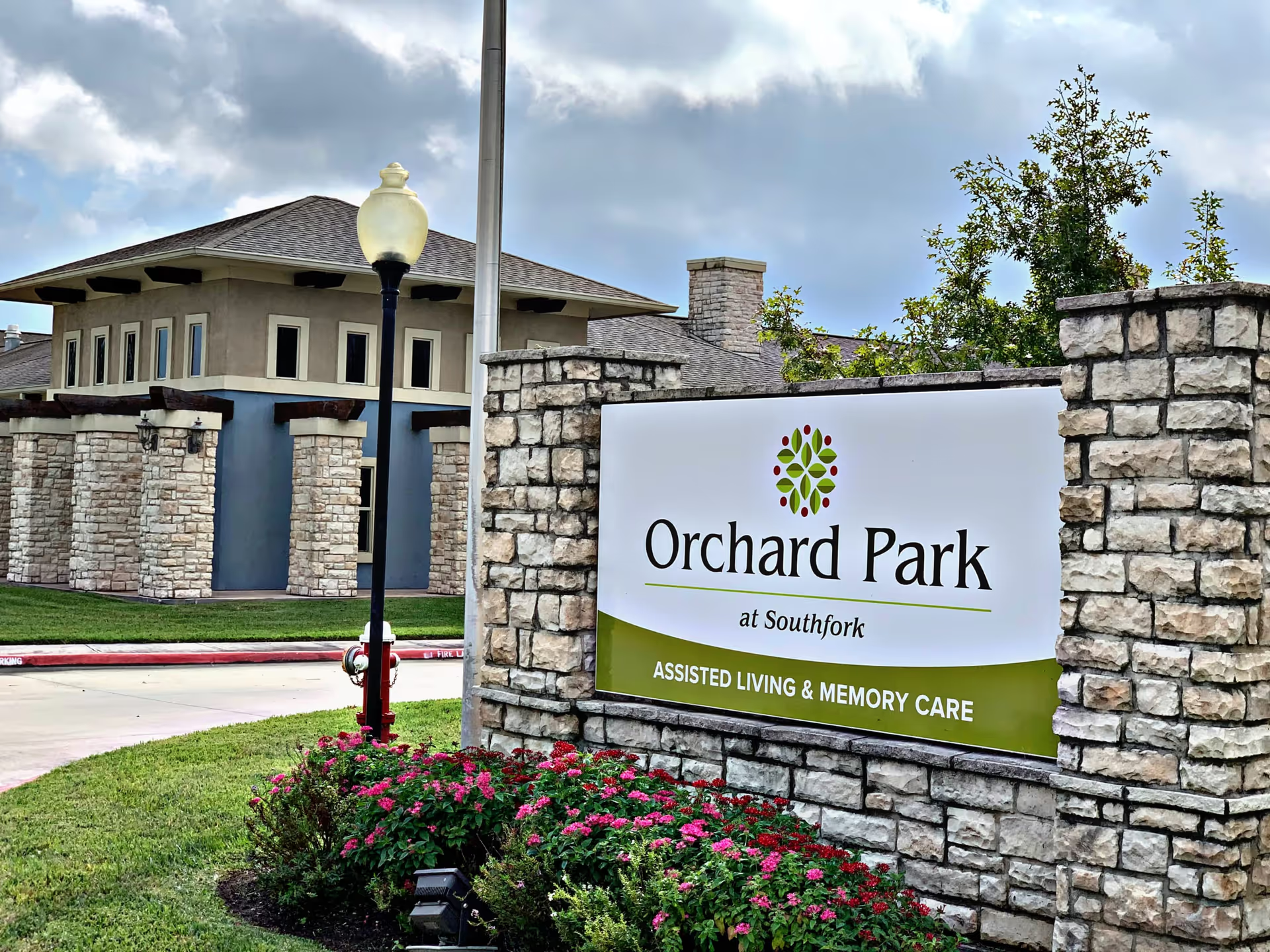
The facility offers rehabilitation, long-term care, memory care, and assisted-living options, and reviewers describe both successful recovery and positive long-term experiences. Management and administrative experiences are less consistent: some families praise admission support and assistance, while others describe difficulty reaching staff, unclear care-transition or discharge communication, and challenges getting concerns resolved. Prospective residents and families may want to confirm the specific services available for their care needs, dietary requirements, activity preferences, and expected communication practices before making a decision.