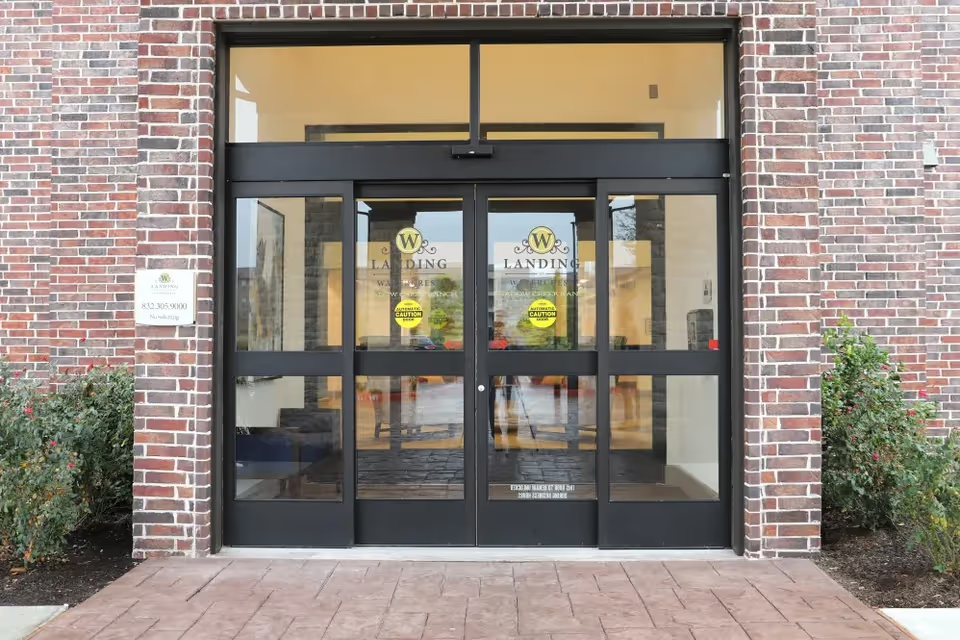
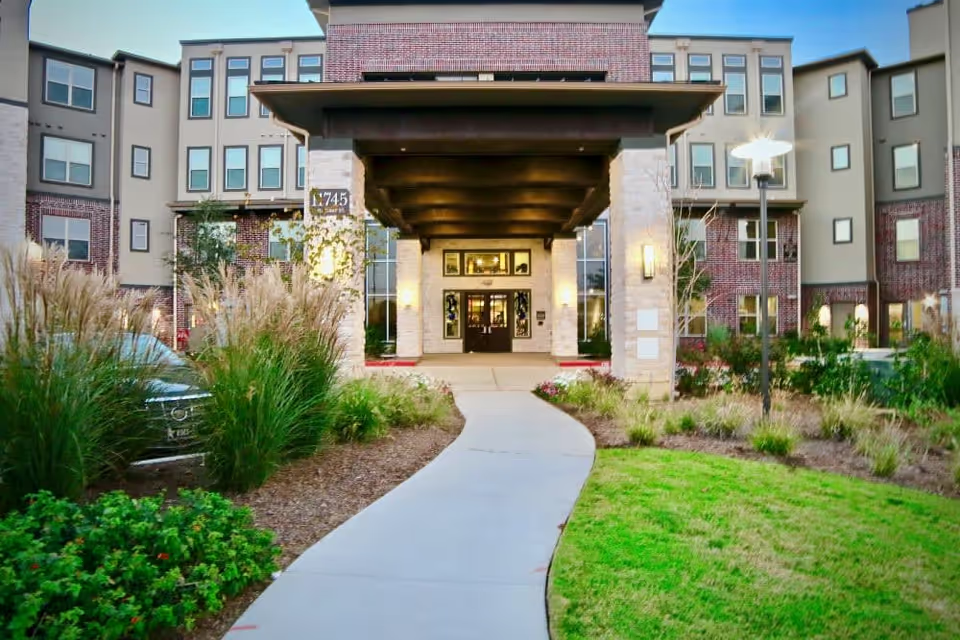
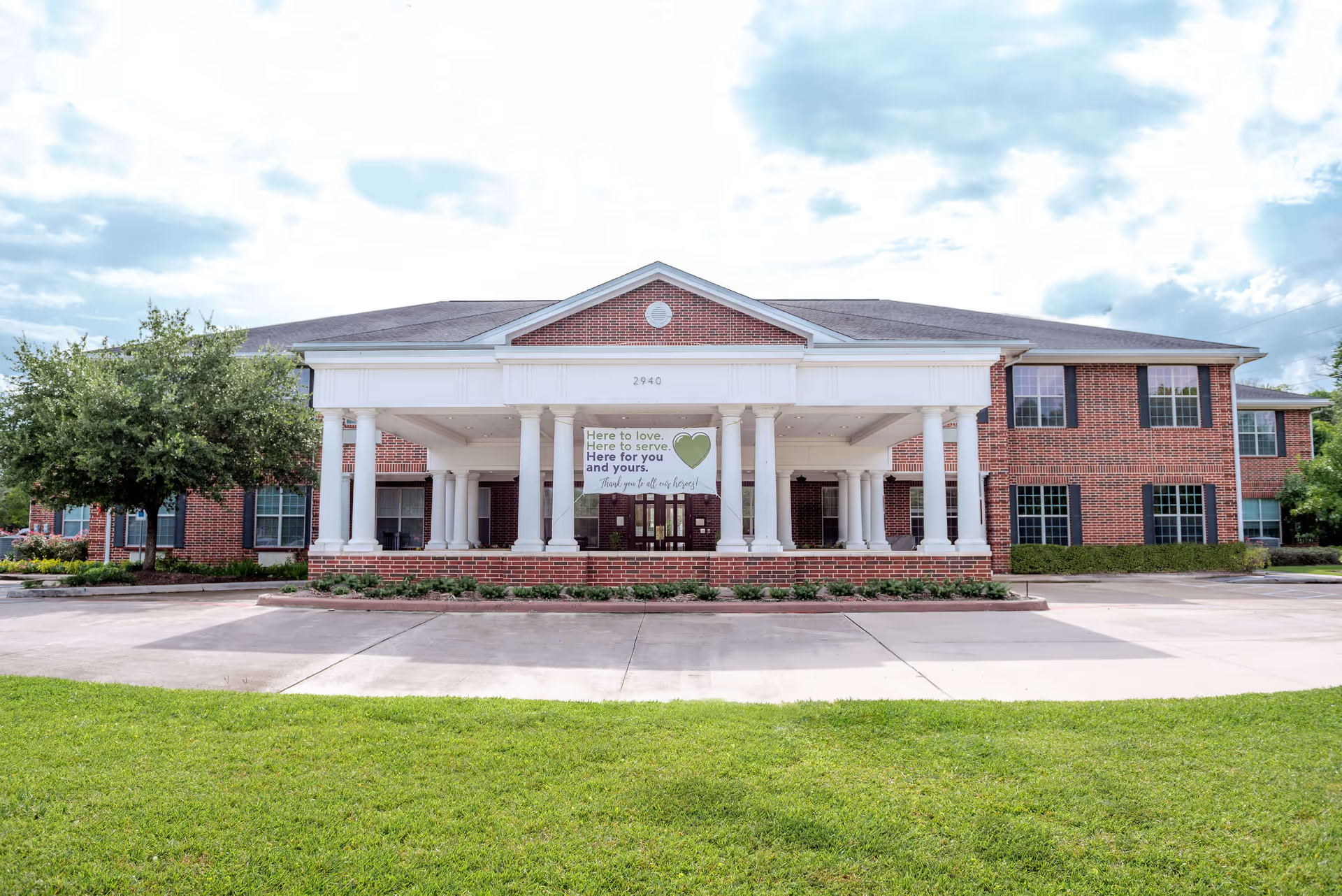
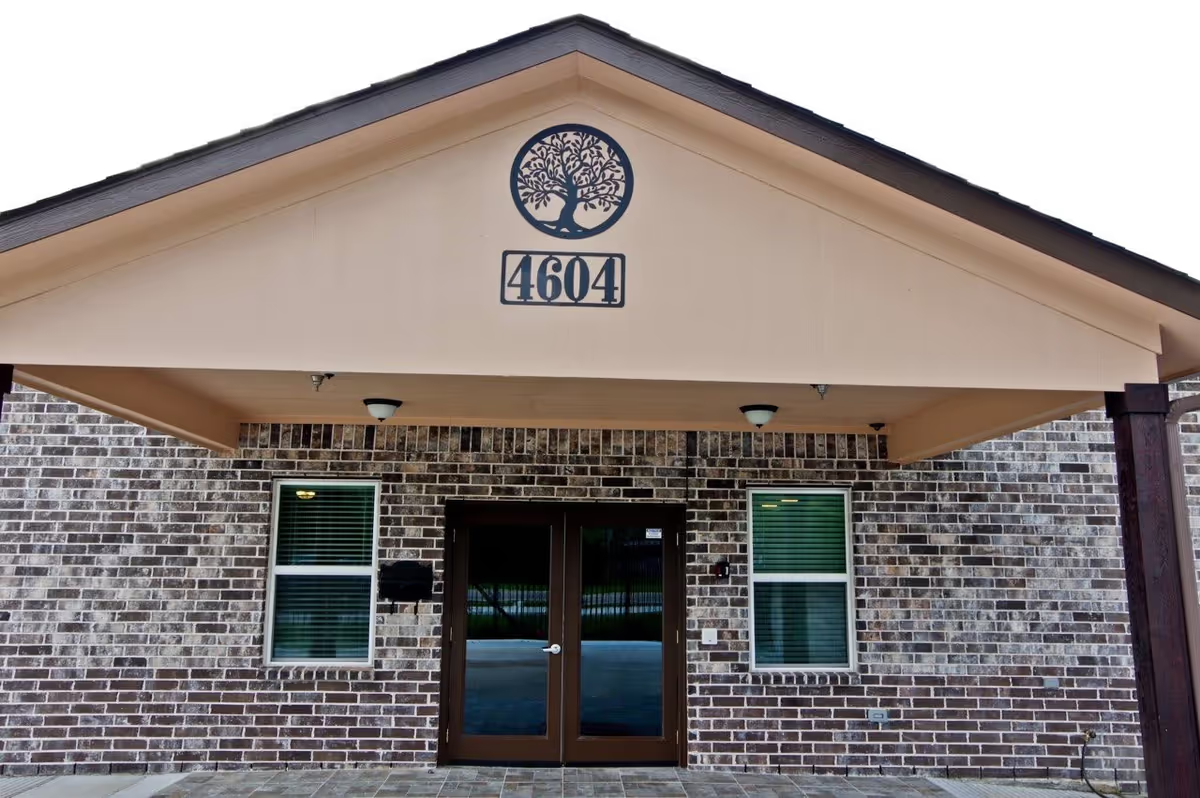
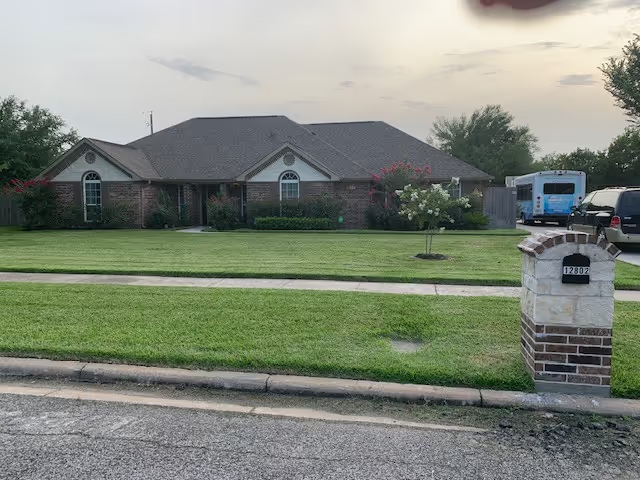
The reviews for Orchard Park at Southfork describe a facility with a pronounced split between strong interpersonal strengths and operational weaknesses. Many families and visitors describe a warm, welcoming physical environment — attractive interiors, clean common areas, pleasant ambient scent, and well-maintained grounds. Front‑desk staff and specific caregivers are repeatedly commended for personable service, proactive family communication, and individual advocacy on behalf of residents. Several nursing leaders and memory-care directors receive consistent praise for hands‑on leadership and effective coordination of care for residents who thrive in the community.
Care quality observations are mixed. Positive accounts highlight attentive caregiving, strong nursing leadership, and effective teamwork that supports dignity and daily routines for many residents. Conversely, a recurring pattern points to inconsistent staffing levels and high turnover that have contributed to delayed responses to calls, intermittent assistance with toileting and bathing, and variability in the quality of daily care. Medication-management problems, including slow reorders and coordination issues, are cited as operational weaknesses that families found concerning. There are also reports indicating gaps in clinical-incident response and in timely, transparent communication with families following adverse events.
Dining and activities are areas of both praise and critique. Several reviewers applaud restaurant-style dining, standout menu items, varied activities, frequent outings, and holiday programming that create a lively social environment. At the same time, others describe inconsistent meal quality, issues with meal temperature or preparation, and limited meal choices in certain care areas. Activity programming appears robust overall, but some comments indicate variability in memory‑care stimulation and the need for more consistent engagement for residents with higher-acuity cognitive needs.
Facilities and environmental concerns show a similar split. The building and common spaces are often described as clean, well‑decorated, and inviting, and maintenance staff receive positive mentions for responsiveness. However, particular operational lapses were reported: sanitation and pest‑control concerns in some units, inconsistent room cleaning, delays returning linens or personal items, and occasional safety hazards that families expected management to address more promptly.
Management and organizational issues are another recurrent theme. Many reviewers praise individual managers for responsiveness and hands‑on problem solving, and some cite effective family meetings and regular updates. In contrast, others describe inconsistent follow‑through from higher management, unclear billing or fee practices, periodic policy inconsistencies, and a perception that operational problems have not been fully resolved. A small number of reviewers raised allegations regarding incentivized reviews and serious single‑resident incidents; these raise the need for thorough, case‑specific review by families and, if warranted, regulatory follow‑up.
Overall, Orchard Park at Southfork presents as a community where strong, compassionate staff and attractive facilities produce very positive outcomes for many residents, but persistent operational weaknesses — chiefly related to staffing consistency, medication controls, sanitation practices, and management follow‑up — create substantial variability in experience. Prospective residents and families should weigh the facility’s interpersonal strengths and program offerings against these operational concerns, tour in person, ask for recent staffing and inspection records, review medication and incident-handling procedures, and seek references from current families in care levels that match their loved one’s needs.