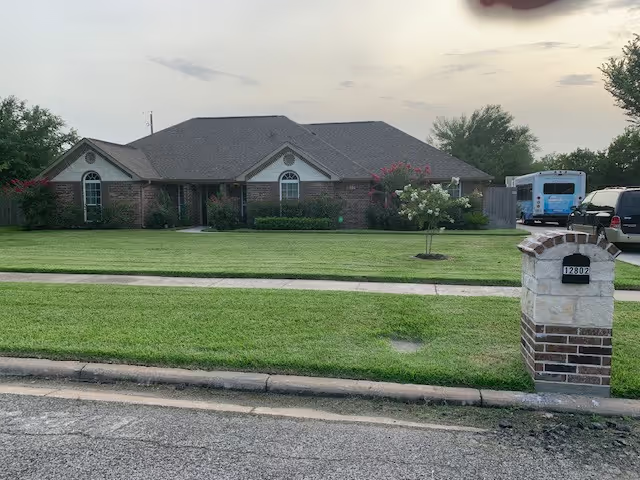
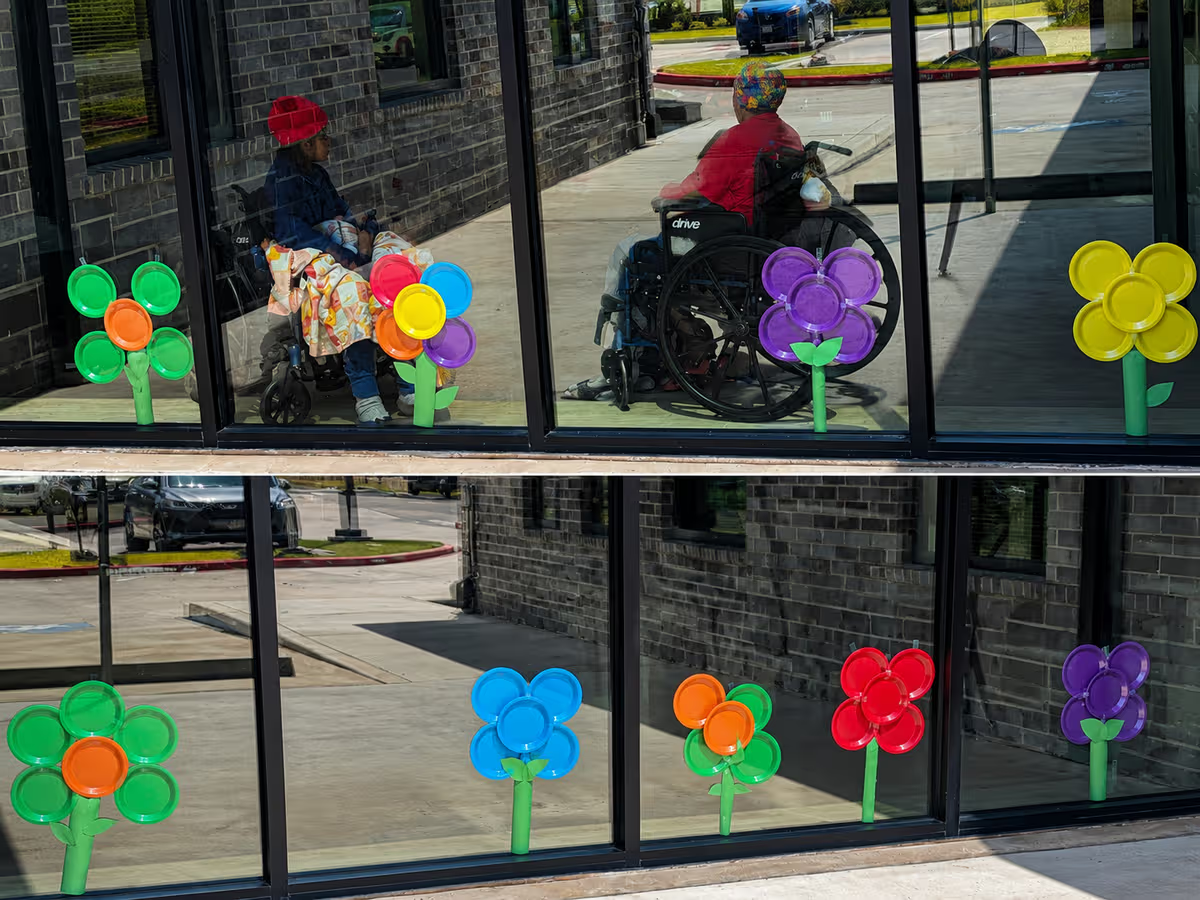
Creekside is a memory-care-focused community that many families value for its compassionate staff, structured routines, and home-like atmosphere. Positive accounts describe caregivers who are patient with residents’ changing needs, help them stay active, and treat them with warmth and dignity. Some families report strong continuity of care over several years, while others describe a smooth transition into the community and reassurance from staff who know residents personally.
Activities are a consistent strength in the reviews. Families describe frequent programming such as music, exercise, bingo, crafts, devotionals, and gardening, with routines intended to keep residents engaged. However, a few accounts describe residents spending extended periods sitting or not receiving enough individualized attention. The activity-based, group setting may also feel less suitable for residents whose needs or stage of dementia differ from those of the broader resident group.
The setting is often described as clean, attractive, and comfortable, with a welcoming, residential feel. Reviewers mention furnished rooms, shared-room layouts, and features such as a courtyard, solarium, and garden. Dining feedback is mixed: some residents and families praise the meals and snacks, while others describe limited appeal, inconsistent quality, or a need for more attention to dietary needs. A few families also raised concerns about room or common-area cleaning and odor control, contrasting with the many positive comments about cleanliness.
Communication and operational consistency vary. Some families describe helpful updates, responsive staff, and accessible nurses; others have difficulty reaching management or getting follow-through on questions about care, medications, or physician visits. Several accounts raise concerns about monitoring and timely attention, including overnight checks and the assessment or communication of injuries or other changes in condition. These concerns contrast with long-term families who describe reliable, attentive care. One family also described a disagreement over emergency-care preferences, making it prudent to confirm how advance directives are documented and followed. A prospective visitor raised an unverified allegation of sexual misconduct involving a maintenance employee and questioned how the matter was handled; the supplied review does not independently establish that account. Cost is another consideration, with some families finding the community a good value and others citing affordability or a substantial price increase. Prospective families may wish to ask about staffing coverage, escalation procedures, communication contacts, dietary planning, and fees, and to observe care and meals during a visit.