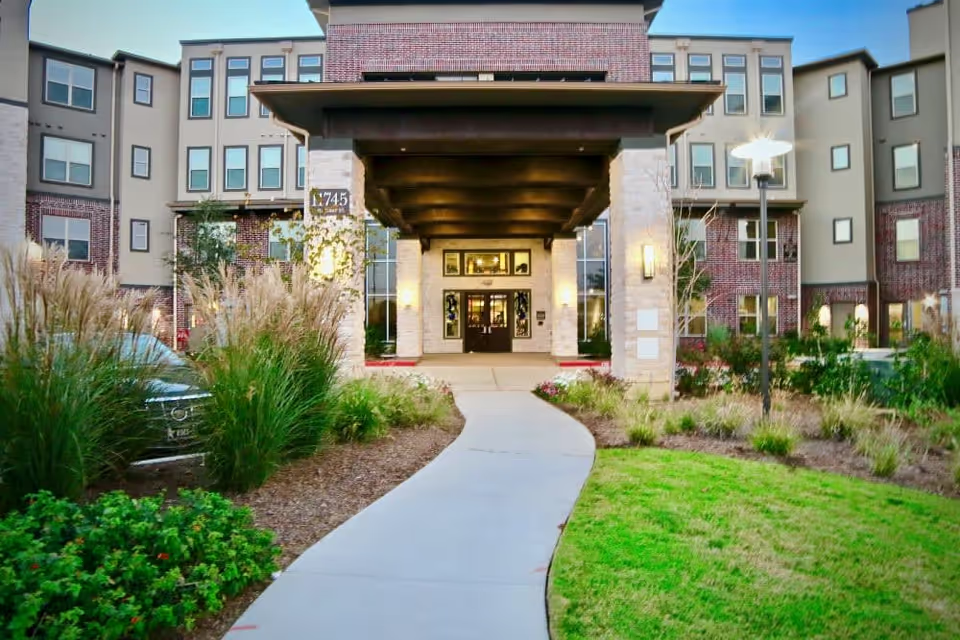
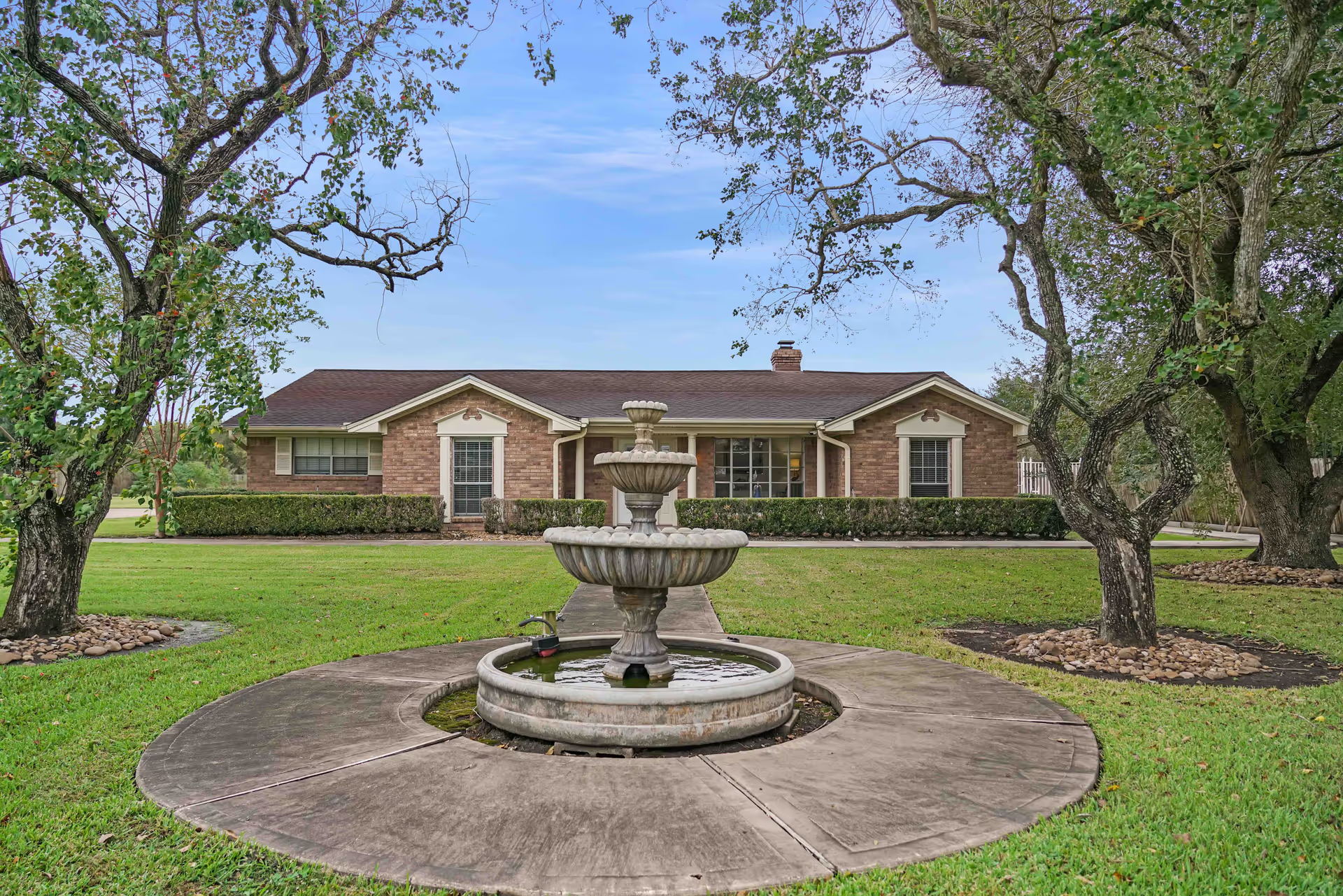
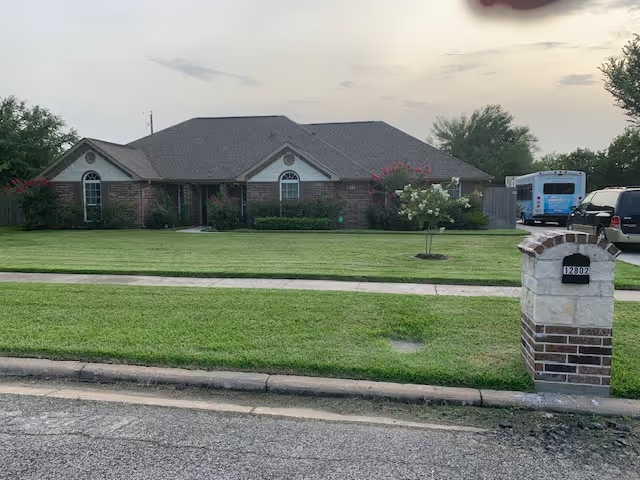
Reviews for The Reserve at Pearland Assisted Living and Memory Care present a mixed but consistent pattern: many families praise the physical environment, amenities, and the demeanor of caregiving staff, while a distinct subset of accounts raises operational and safety-related concerns. The facility is repeatedly described as bright, clean, and attractively maintained, with private apartment-style units (kitchenettes and full baths), pleasant dining rooms, a theater, salon, on-site laundry, and garden/central park spaces. An active activities program, piano-accompanied dining, and numerous on-site amenities contribute to a sense of community and social engagement for residents.
Care and staffing are a central area of divergence. Positive feedback highlights compassionate, knowledgeable caregivers, hands-on leadership in many instances, and 24/7 staffing availability or medical coordination. However, recurring criticisms indicate inconsistent responsiveness to call buttons and pendants, staffing shortages or high turnover, and gaps in medication administration and clinical documentation. Several reviews describe safety-related incidents that suggest weaknesses in fall-prevention practices and in the facility's clinical-incident response and family communication processes. These patterns imply the need for closer verification of staffing ratios, transfer protocols, medication-controls, and incident-notification procedures during any family visit.
Dining and activities receive mixed assessments. Many reviewers commend chef-prepared meals and formal dining spaces, special-diet accommodations, and a robust calendar of group activities and entertainment. Conversely, other accounts point to inconsistent meal quality (cold meals, small portions, restrictions on seconds), frequent changes in kitchen staff, and cancelled outings due to transportation reliability issues. Programming appears strong when staffing and equipment (for example, the activity van) are functioning, but families should confirm the regularity of off-site trips, outdoor activity opportunities, and portion/service policies.
Facility upkeep and operational support are generally seen as strengths, but there are intermittent reports of housekeeping and maintenance follow-through problems. Some families noted initial cleanliness or maintenance deficiencies that were later addressed, while others flagged persistent issues. Additional practical concerns mentioned include intermittent Wi‑Fi or cooling problems and extra charges for optional services (cable subscriptions, special-care fees), which can affect perceived value given the facility's premium pricing.
Management and administration appear uneven across reviews. Multiple testimonials praise specific directors and on-site leaders for responsiveness, successful transitions, and family outreach. At the same time, other reviewers describe communication breakdowns, inconsistent follow-through on promises, billing and contract irregularities, and at least one serious financial allegation. Given this variability, prospective residents and families would benefit from direct verification of financial policies, written care plans, contract terms, and the facility's process for resolving clinical and administrative concerns.
Overall, The Reserve at Pearland offers many of the physical and programmatic features families seek — attractive accommodations, an involved activities program, and examples of highly committed staff. Simultaneously, the facility shows recurring operational weaknesses that can affect safety, continuity of care, and value: inconsistent responsiveness, medication and documentation gaps, spotty maintenance or housekeeping follow-through, variable meal service, and administrative/billing problems. Prospective families should balance the facility's strong environmental and interpersonal attributes with careful due diligence: ask for current staffing ratios, review medication and fall-prevention protocols, observe dining service, confirm transportation and activity schedules, and obtain clear, written contracts and recent incident-communication policies before making a placement decision.