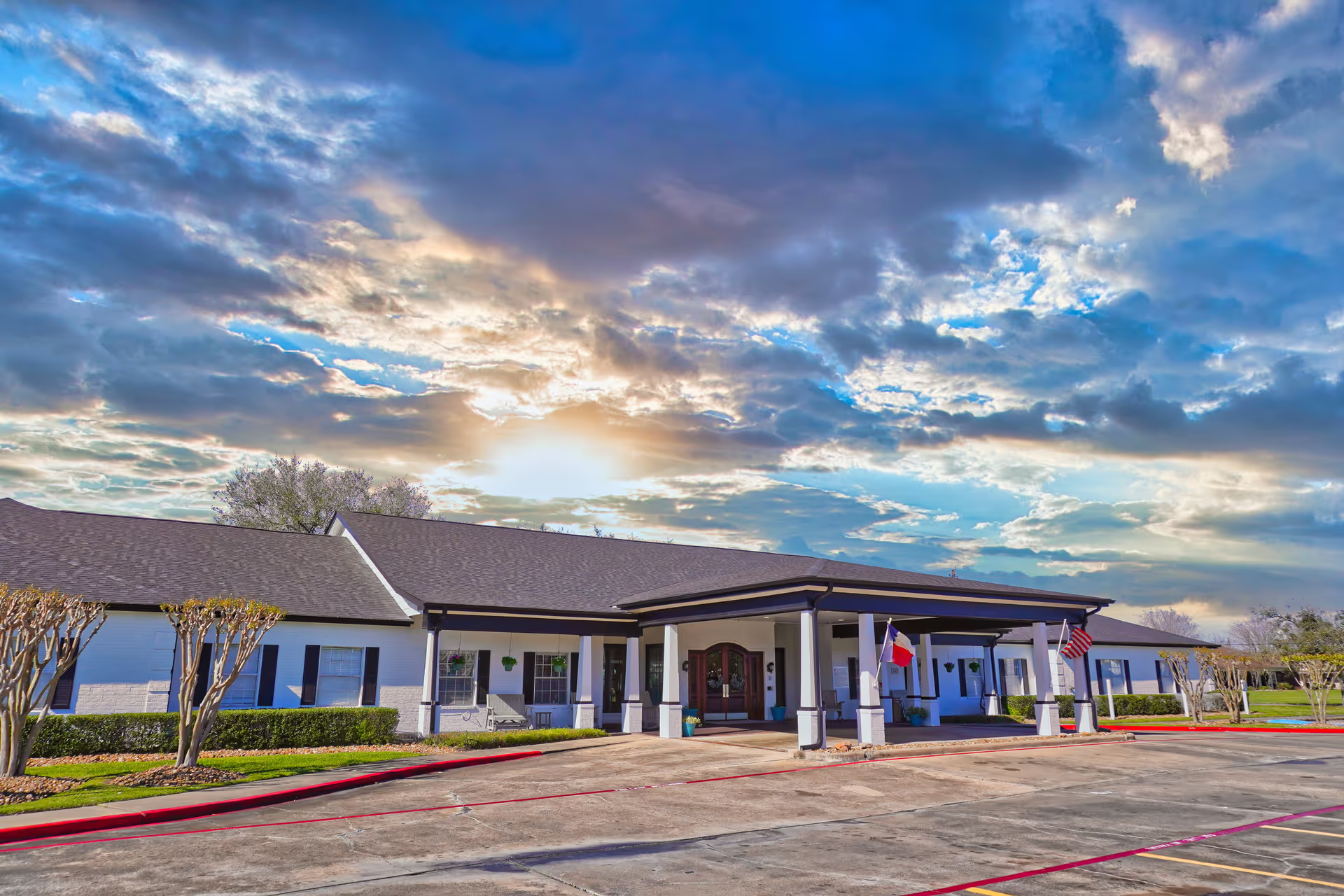
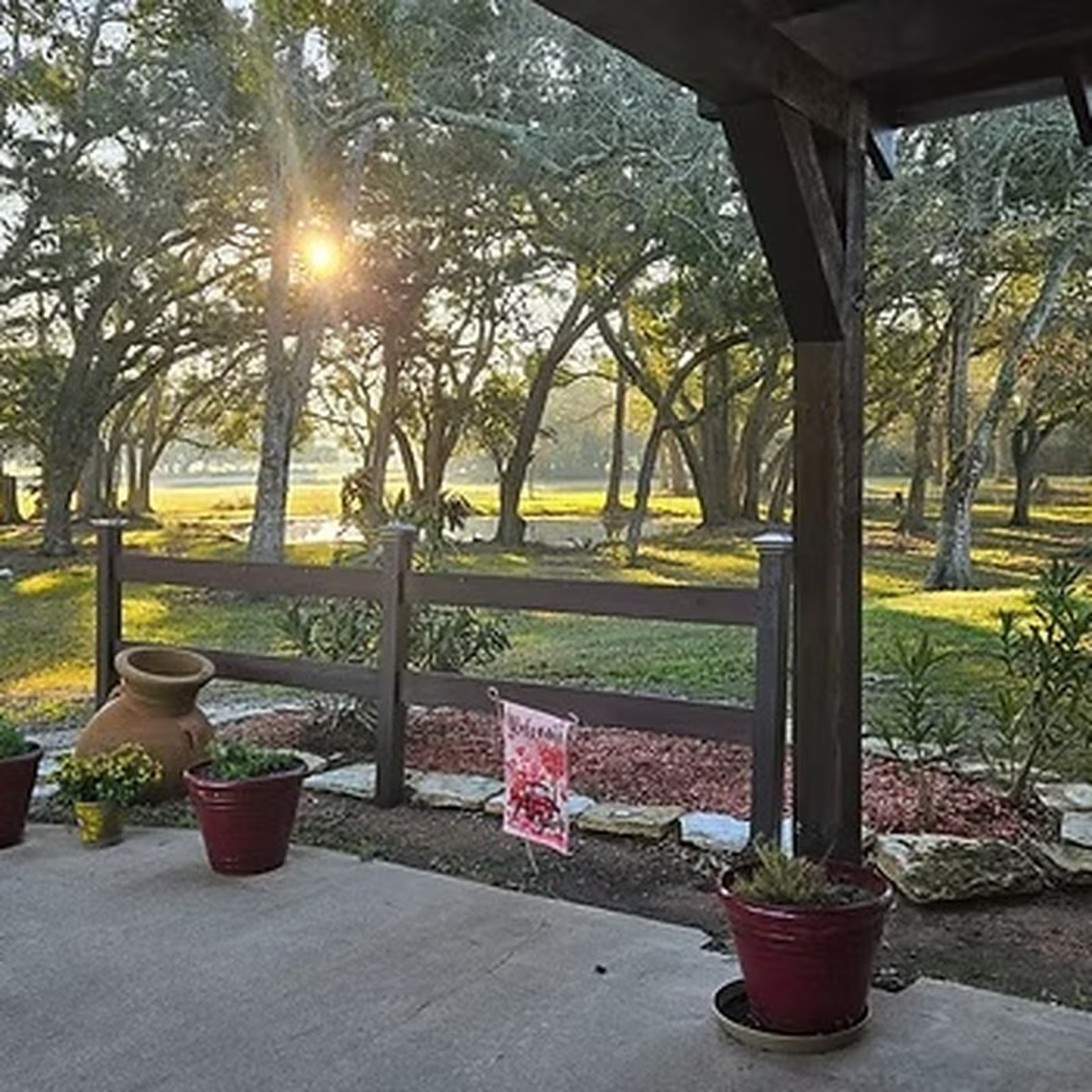
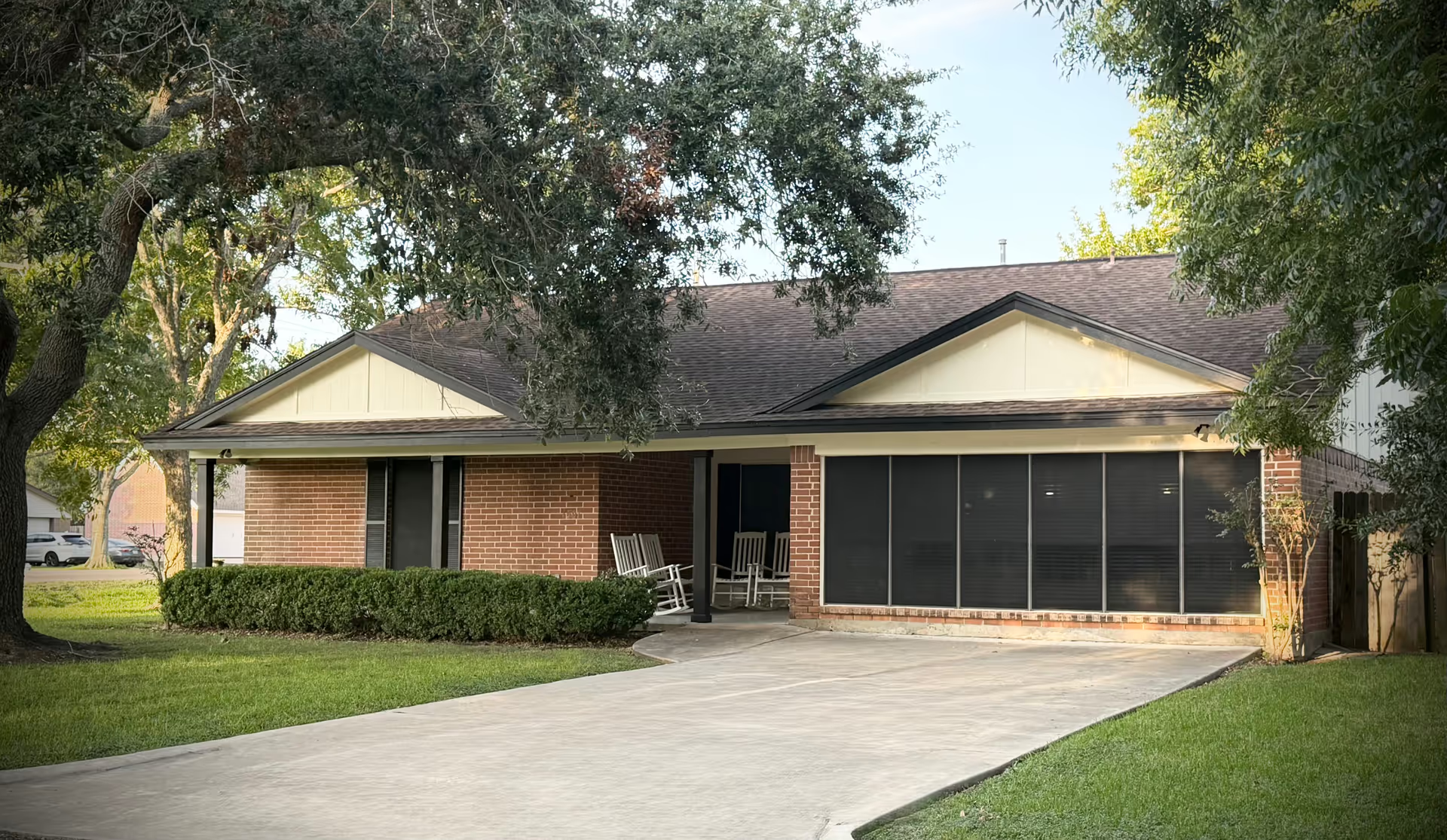
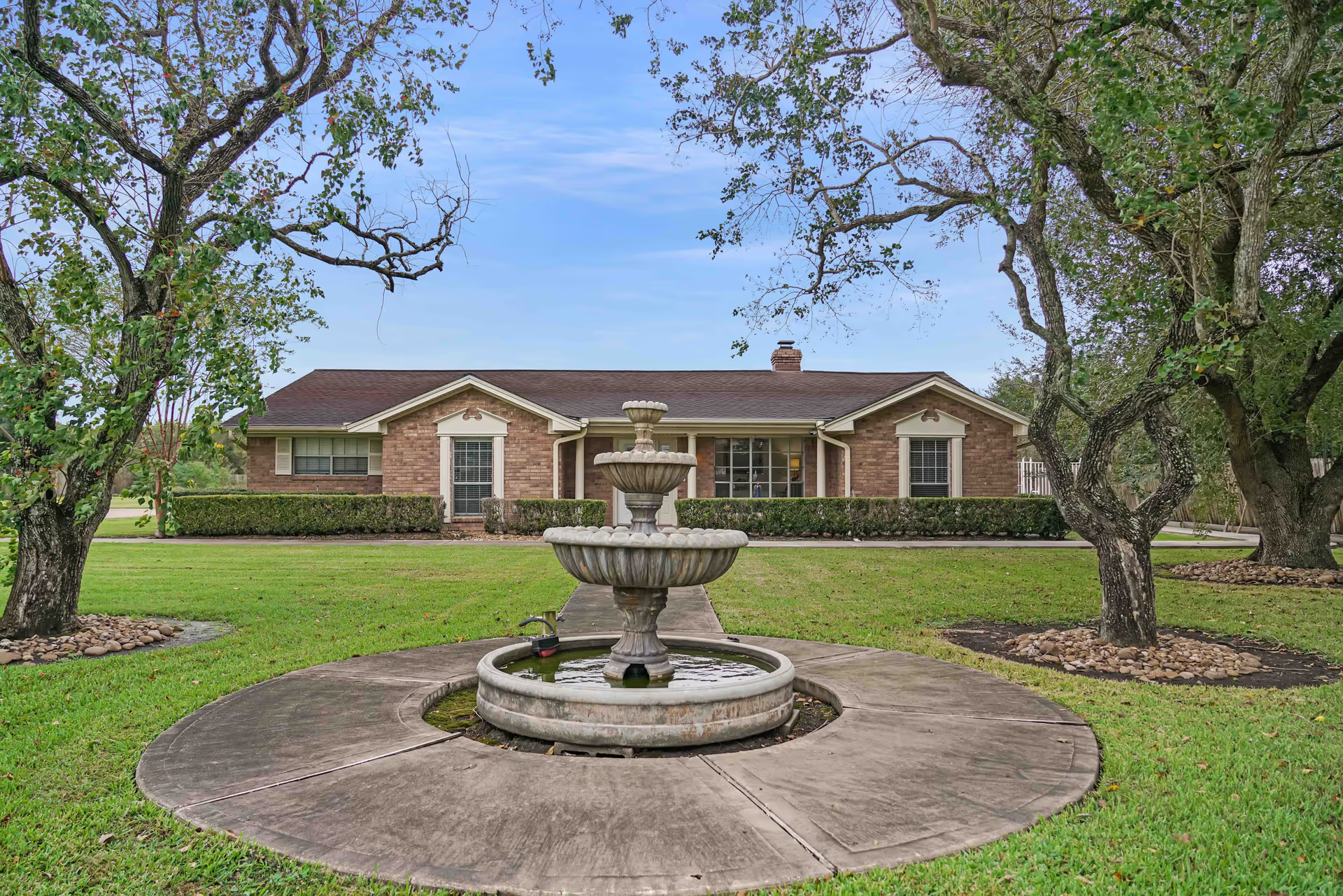
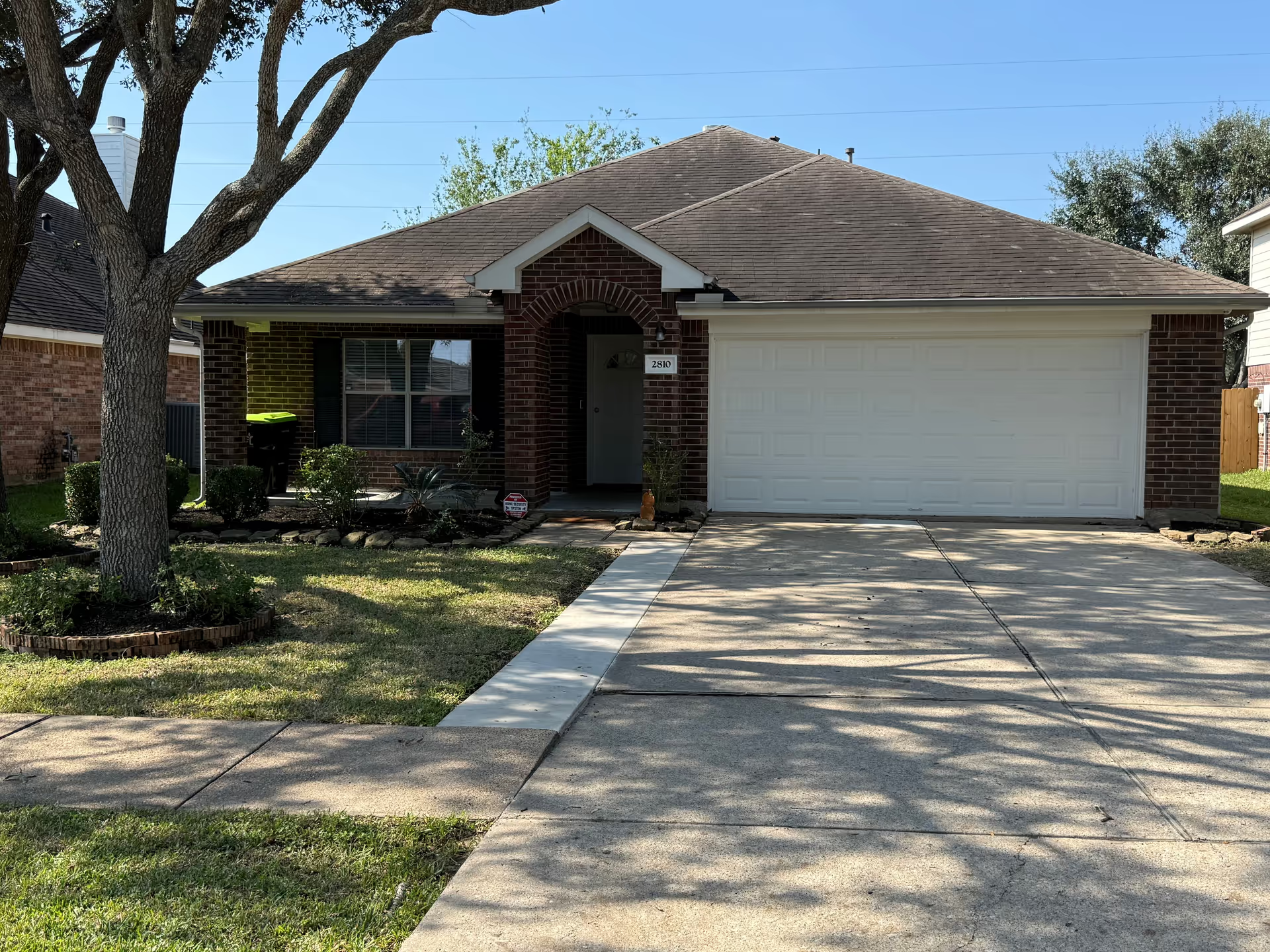
Carriage Inn Lake Jackson elicits strongly polarized impressions: many residents and families praise its social life, facility amenities, and a warm staff culture, while others describe operational shortcomings that affect reliability of care. Strengths commonly cited include an active life-enrichment program with frequent on-site events, themed dining, and regular outings; on-site conveniences such as a salon, barber, and an ice cream parlor; and a clean, well-maintained campus with attractive outdoor spaces and a variety of apartment layouts. Reviewers frequently describe staff as caring and attentive, and many residents report improved social engagement and overall satisfaction with housekeeping, maintenance, and concierge support during move-in transitions.
Dining and activities are clear highlights for many residents. Several comments emphasize restaurant-style dining areas, chef-driven menu options, and a broad calendar of activities (bingo, music therapy, excursions, special events). Memory-care programming and dedicated life-enrichment staff receive positive mention for keeping residents engaged and socially connected.
At the same time, a number of operational concerns recur across reviews. Staffing consistency and turnover are frequent themes; families note uneven coverage and scheduling gaps that appear to affect continuity of care. Related clinical concerns include delays in medical assessment and response in some instances, and reviewers describe inconsistent maintenance of emergency pendants and occasional delayed staff response to urgent needs. Dining quality is described as uneven: while some praise the chef and variety, others describe processed or cold meals and meal-service interruptions. Infection-control practices and building access-control are also raised as areas needing attention.
Management and administrative issues are another pattern: reviewers cite communication shortfalls, unclear policies, and what some characterize as resource or financial-management problems. There are serious allegations from a few families regarding theft and financial misconduct; these are isolated but significant and suggest prospective families should seek documentation and clarity on billing and financial safeguards. Overall, experiences cluster around two narratives — residents who find the community loving, lively, and well supported, and families who have encountered operational lapses that materially affected care reliability.
For prospective residents and families, the facility’s strong social programming, amenities, and generally positive staff interactions are important advantages. At the same time, it is prudent to verify current staffing levels and turnover, emergency-response testing and pendant maintenance practices, food safety and meal-service protocols, infection-control procedures, security measures for building access, and financial oversight practices during tours and conversations with management. These targeted questions will help reconcile the positive community features with the operational inconsistencies described by other families.