Avalon Memory Care receives substantial positive feedback for its staff, environment and dementia-specific approach, but reviewers also describe recurring operational weaknesses families should weigh.
Care and staff: Many families emphasize compassionate, dementia-aware caregivers, long staff tenure, and a household model that fosters personal relationships. Reviews frequently cite attentive day-to-day assistance, frequent photo or phone updates to families, and individualized approaches (including hospice coordination and tailored dementia strategies). At the same time, a pattern of clinical follow-through issues emerges: reviewers described delays in lab work, nurse practitioner visits, medication and diagnostic follow-up, and occasional lapses in timely response. There are also repeated concerns about resident monitoring and fall-prevention practices; several reviewers linked insufficient observation to falls or injuries. For families, Avalon appears to provide strong person-centered support for typical memory-care needs, while its capacity to manage rapidly escalating medical acuity may be limited.
Dining and activities: The dining program gets mixed but generally positive marks for home-cooked meals and generous portions; many families praised the quality and variety on many days. A number of reviews describe repetitive menus or an overreliance on certain prepared dishes, and some families wanted more fresh-vegetable options and greater meal variety. Activity programming and social engagement are commonly cited as strengths—crafts, music, exercise, and small-group socialization are reported—though several reviewers noted inconsistent adherence to activity schedules and occasional low resident engagement, particularly in smaller houses or at certain times of day.
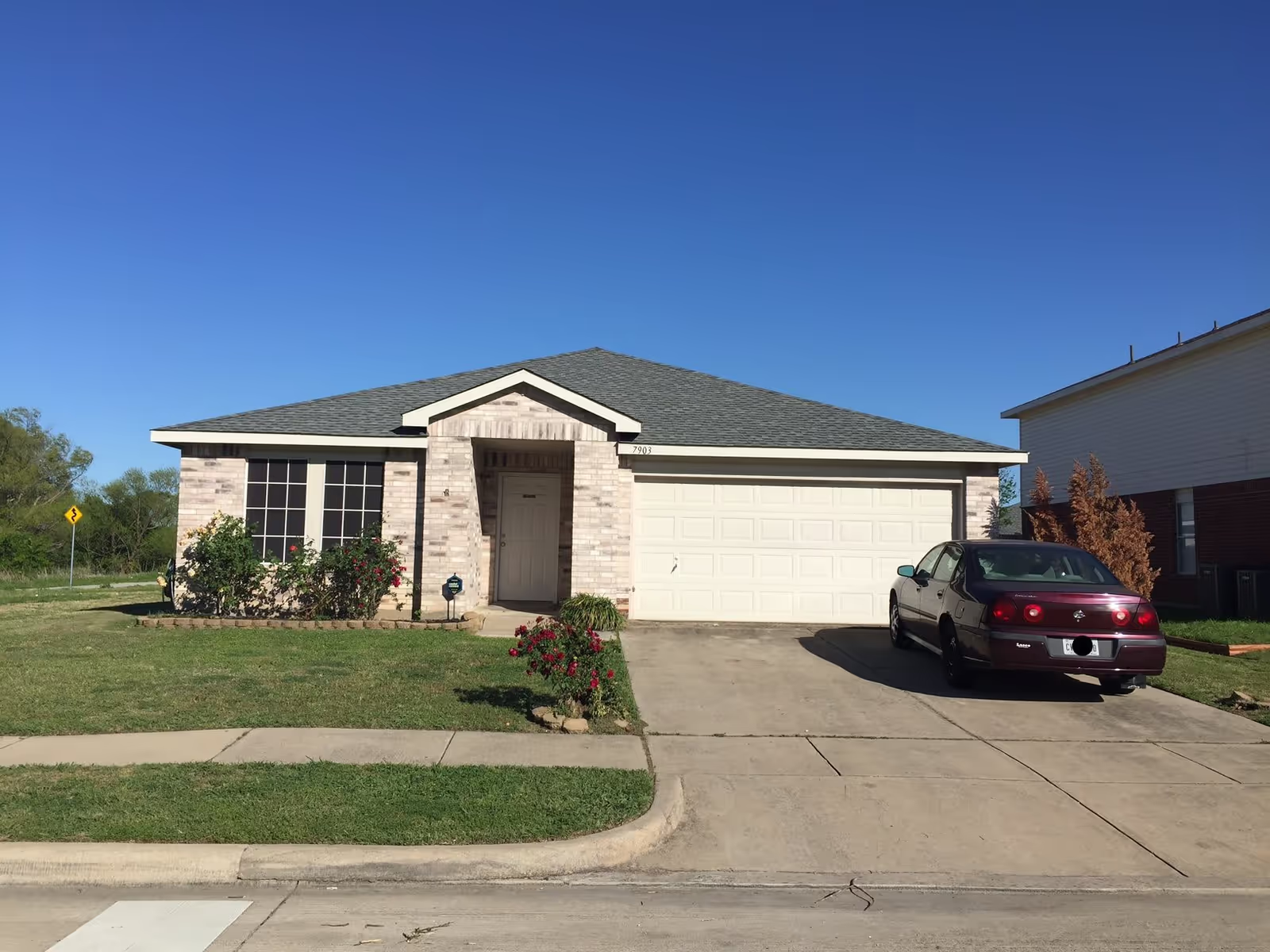
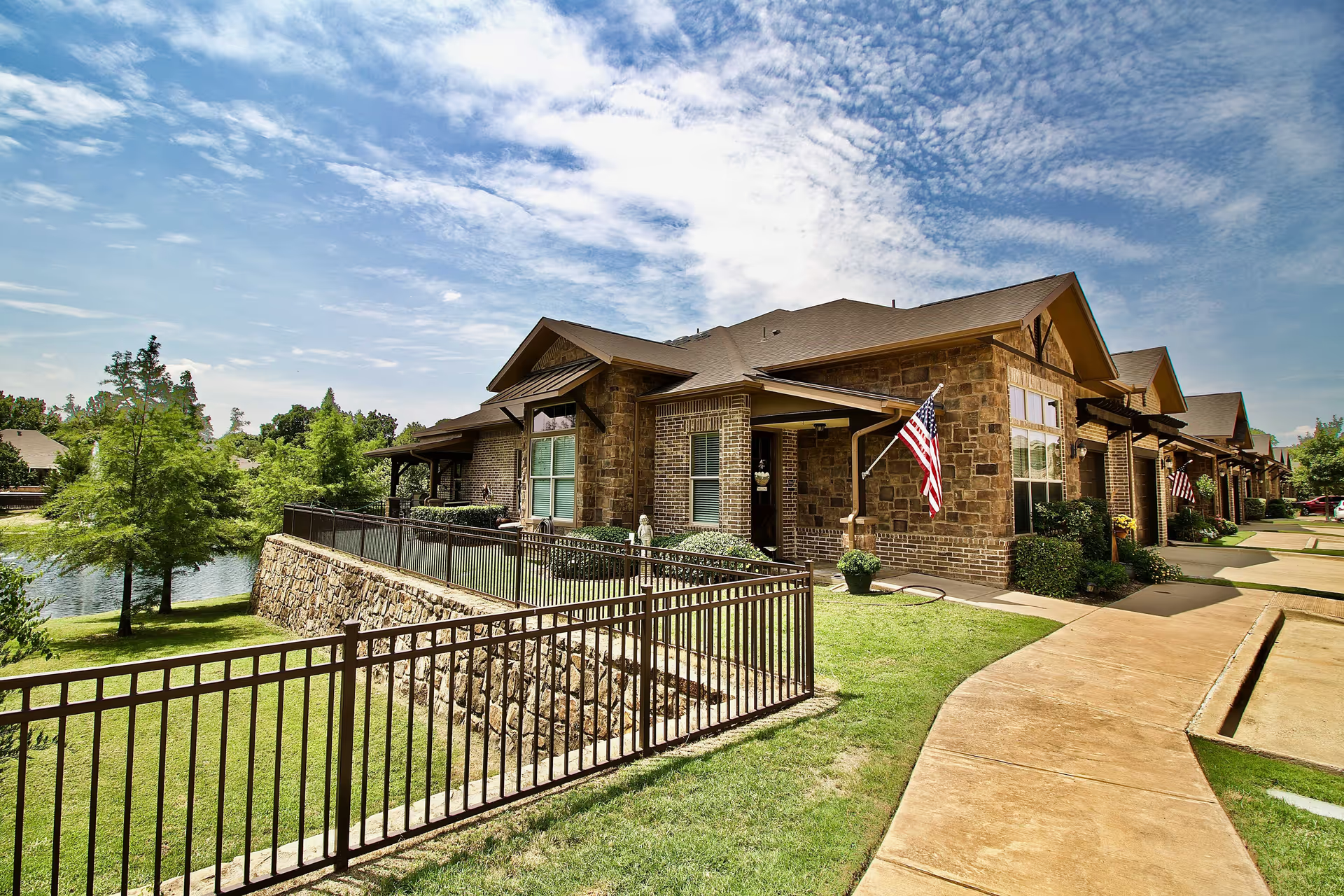
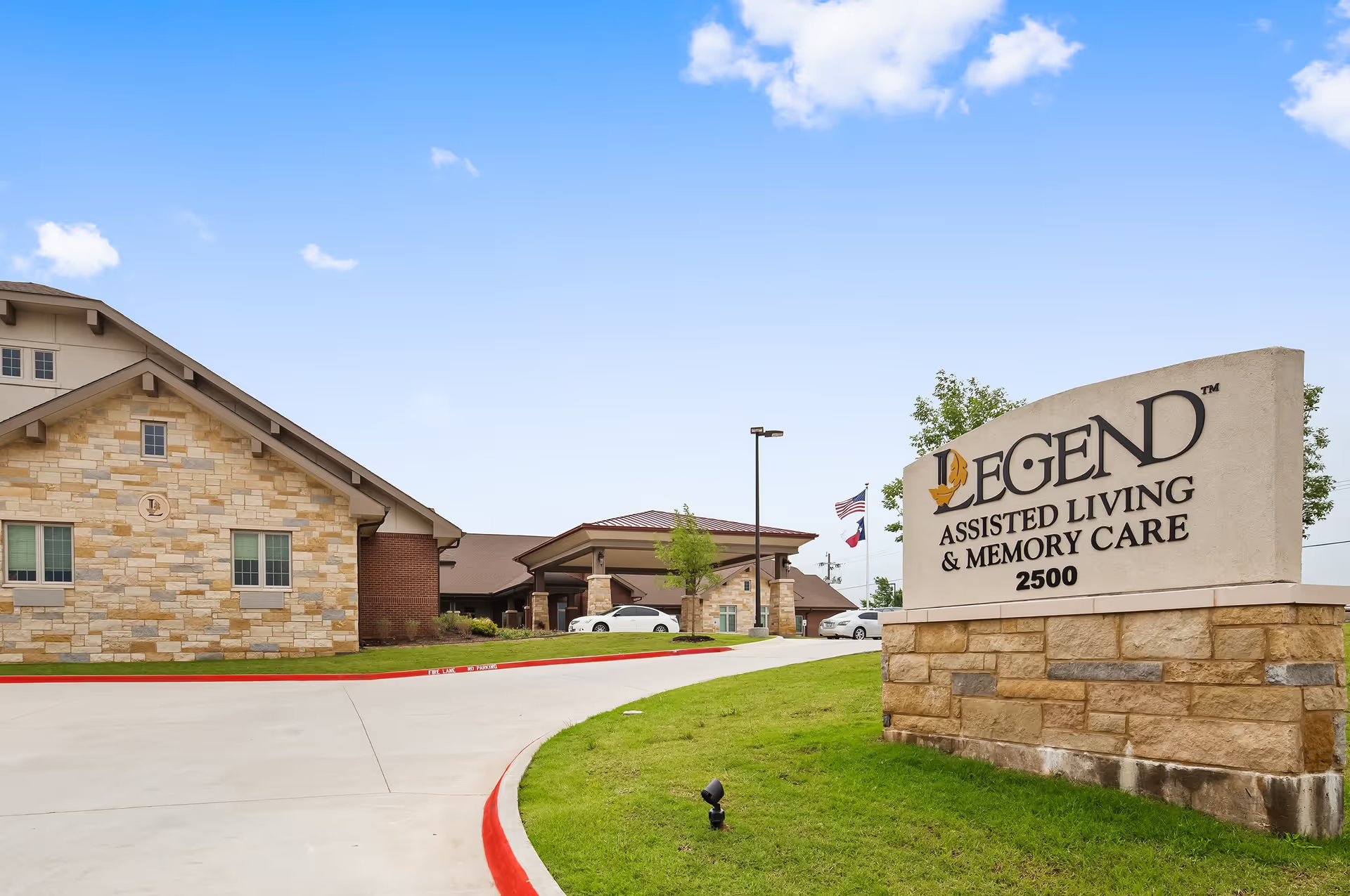
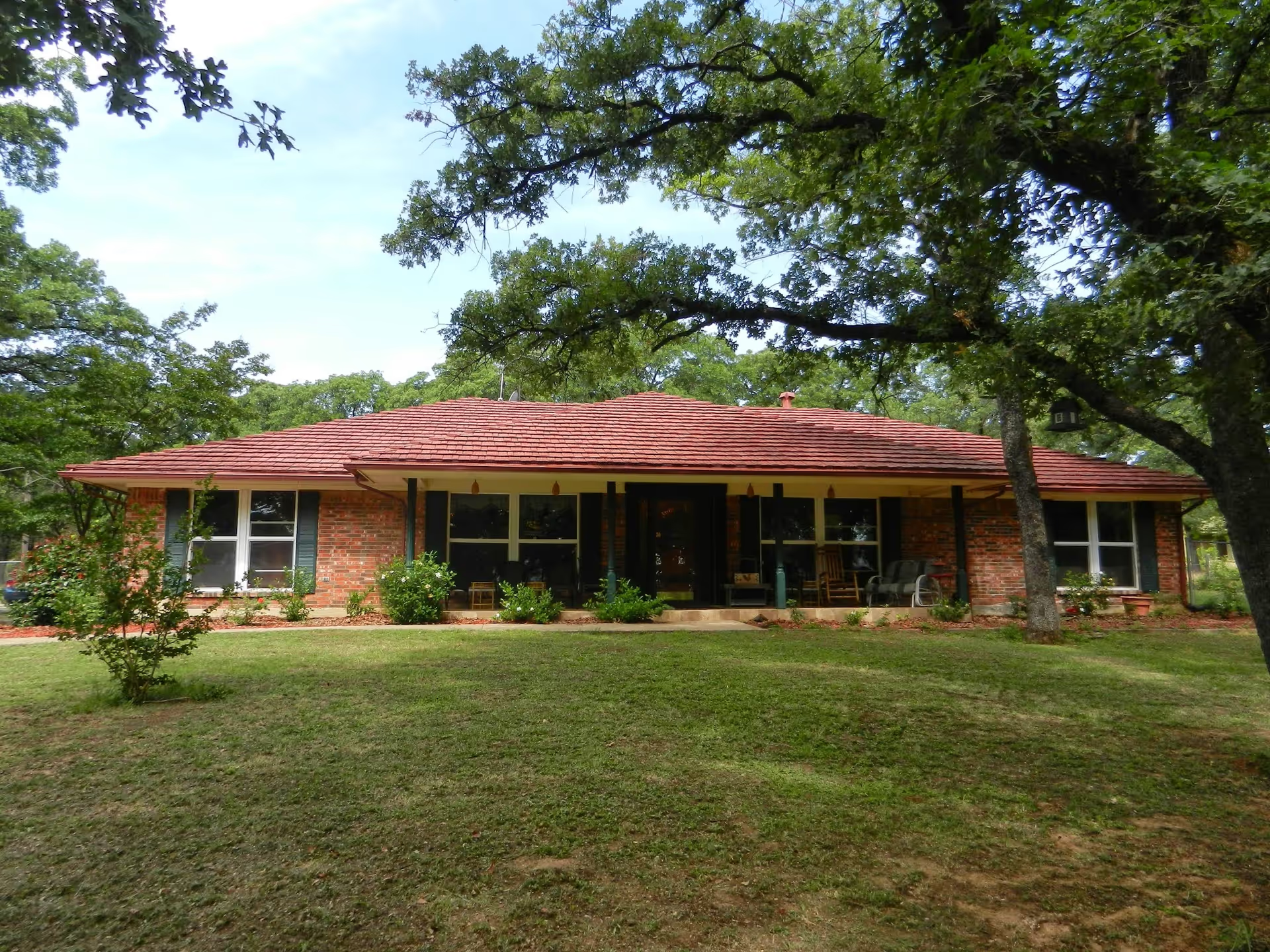
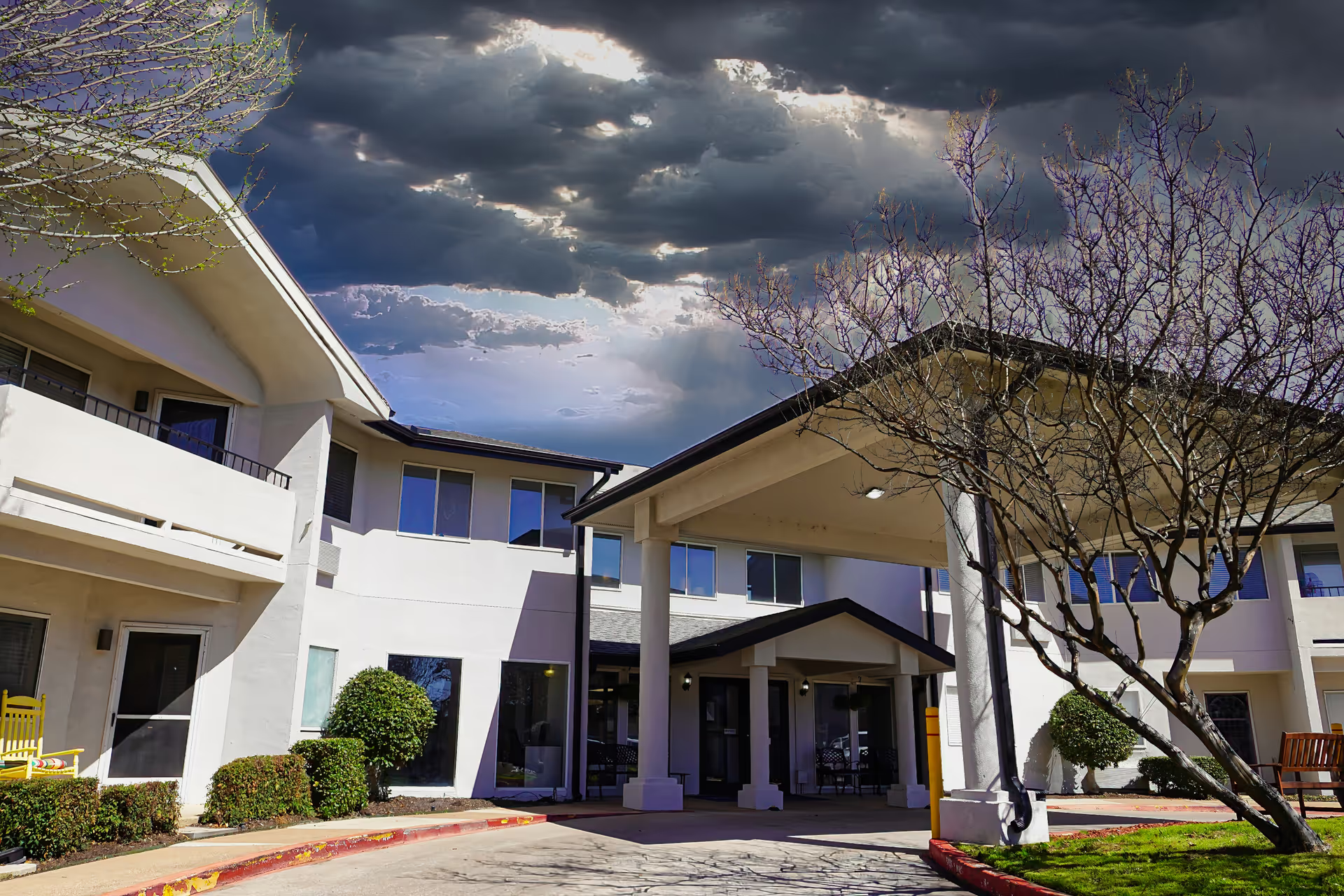
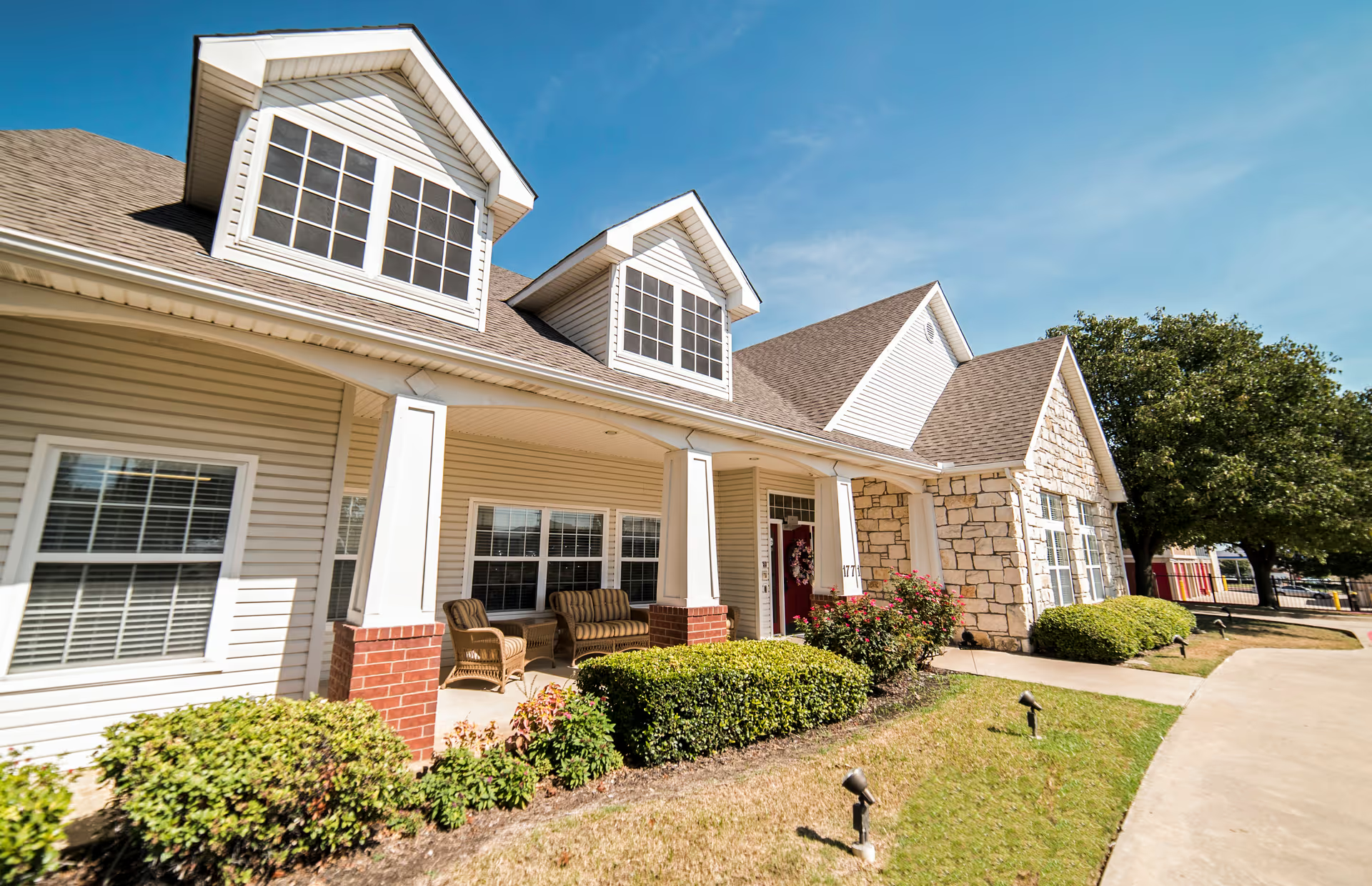
Facilities and housekeeping: Avalon is frequently described as clean, bright, and tastefully furnished with a homelike aesthetic, secure access, and pleasant outdoor space. Families appreciate the small scale of each household and ease of interaction with staff. However, reviewers also describe variability between buildings and individual rooms: some cottages or units are shown as well-appointed while others are more basic and in need of updates. Housekeeping and supply management appear inconsistent in some instances—examples included missing toiletries, linens, or personal items in rooms and delayed laundry returns. These are operational gaps rather than universal conditions, but they recur enough to be noted.
Management and notable patterns: Many reviewers praised responsive admissions staff, a supportive transition process, and hands-on management presence. Conversely, there are reports of administrative communication gaps, billing questions, and at least a few serious individual allegations—including theft and problematic incident handling—that families characterized as requiring escalation. Several reviewers advised that Avalon does not always accommodate higher-acuity changes in condition and that residents may need to relocate if medical needs increase. COVID-era visitation restrictions and their effects on family access were also mentioned by multiple families.
Overall impression and considerations: Avalon presents as a small, relationship-focused memory care provider with strong strengths in staff compassion, a homelike setting, and dementia-oriented programming. The most consistent weaknesses are operational: pockets of inconsistent clinical responsiveness, monitoring and fall-prevention practices, variable housekeeping/supply reliability, occasional activity-scheduling lapses, and variability in room quality. There are isolated but serious individual allegations that families should probe further. Prospective residents and families should verify clinical response protocols, fall-prevention measures, incident-reporting and resolution practices, and financial transparency during touring and admission discussions, and maintain active communication with staff to address issues promptly.